About
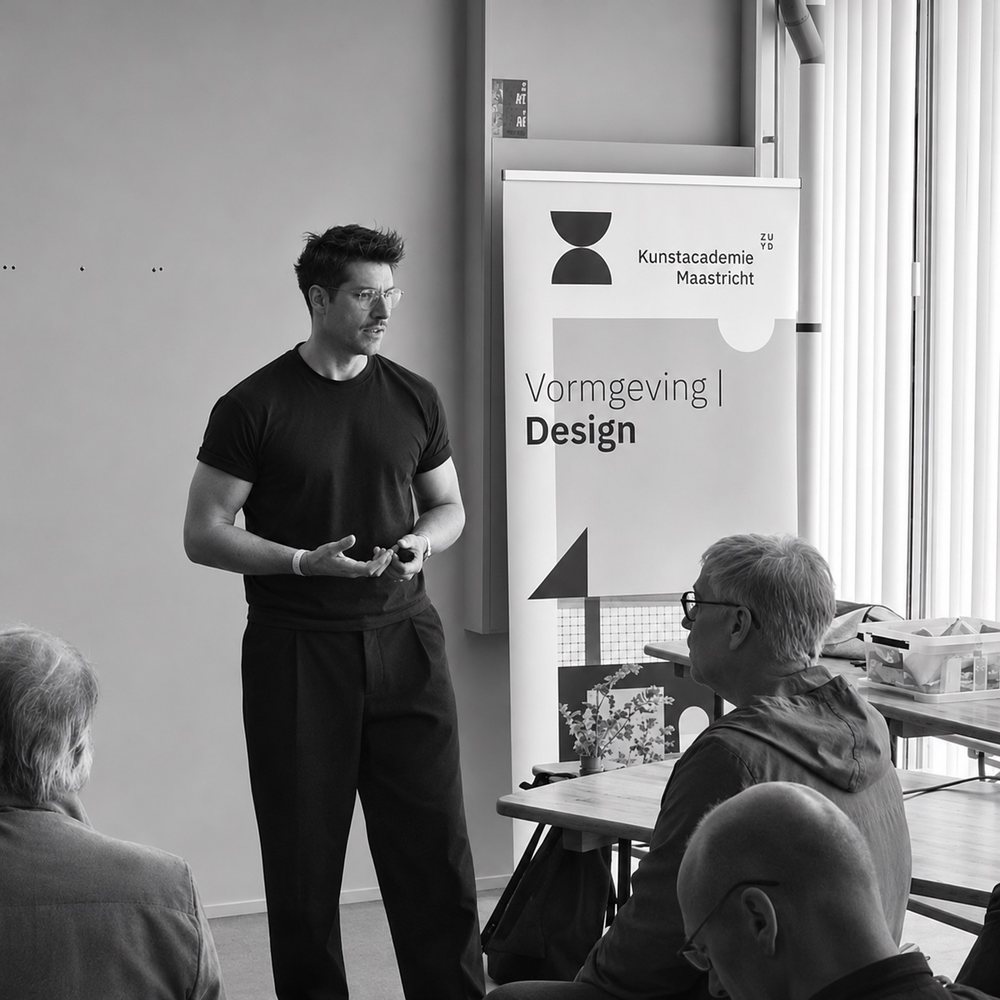
I am an artist, researcher, designer and musician. I use technology as a material to shape the way we interact with the world and each other.
I lead the research group Resilient Design Practice at Zuyd University of Applied Sciences in Maastricht. As creative director of RipperDocs I design masks for artists. My wife Tahnee and I make conceptual work under the alias Machine Mother, and I play in the hardcore punk band Pink Ballet Blackout.
This website is an index of my work as it evolves over time.
- Research
- Head of research at Resilient Design Practice, Zuyd University of Applied Sciences
- Design
- Creative director at RipperDocs
- Art
- Generative and installation art, conceptual work as Machine Mother
- Music
- Singer in Pink Ballet Blackout
Contact
- 2026
 The ever changing shape of the design practice to comeNADR, with Karin Slegers, Theo Ploeg and Raoul Boers.research001
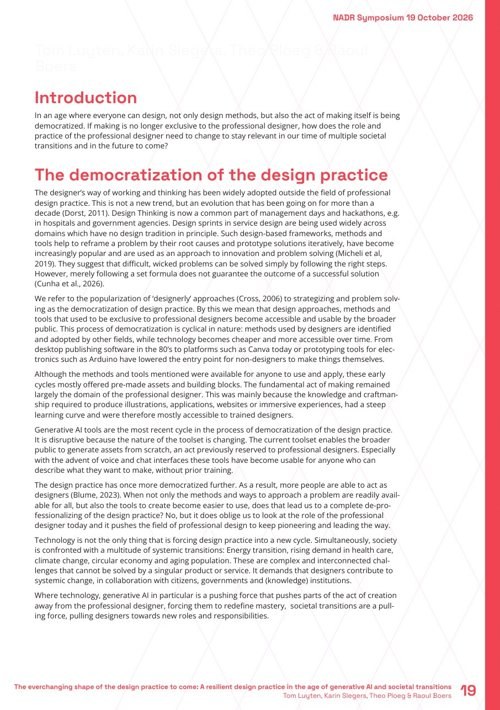
As design spreads beyond the professional discipline, through design thinking and now generative AI, the act of making is no longer the designer's exclusive domain, while societal transitions pull designers into new roles.
This paper describes four roles for the professional designer: systems thinker, connector and convener, designer and maker, leader and storyteller, derived from a report from the Design Council. Their foundation is Bildung: mastery combined with responsibility.
Contribution to the NADR knowledge cycle 2026, "If everybody designs, what makes a designer?", presented at Dutch Design Week.
- Type
- Paper
- Authors
- Tom Luyten, Karin Slegers, Theo Ploeg, Raoul Boers
- Venue
- NADR, Dutch Design Week 2026
- From
- Resilient Design Practice, Zuyd
ResearchProceedings (pdf), p. 18-25 ↗NADR ↗Resilient Design Practice ↗
- 2025
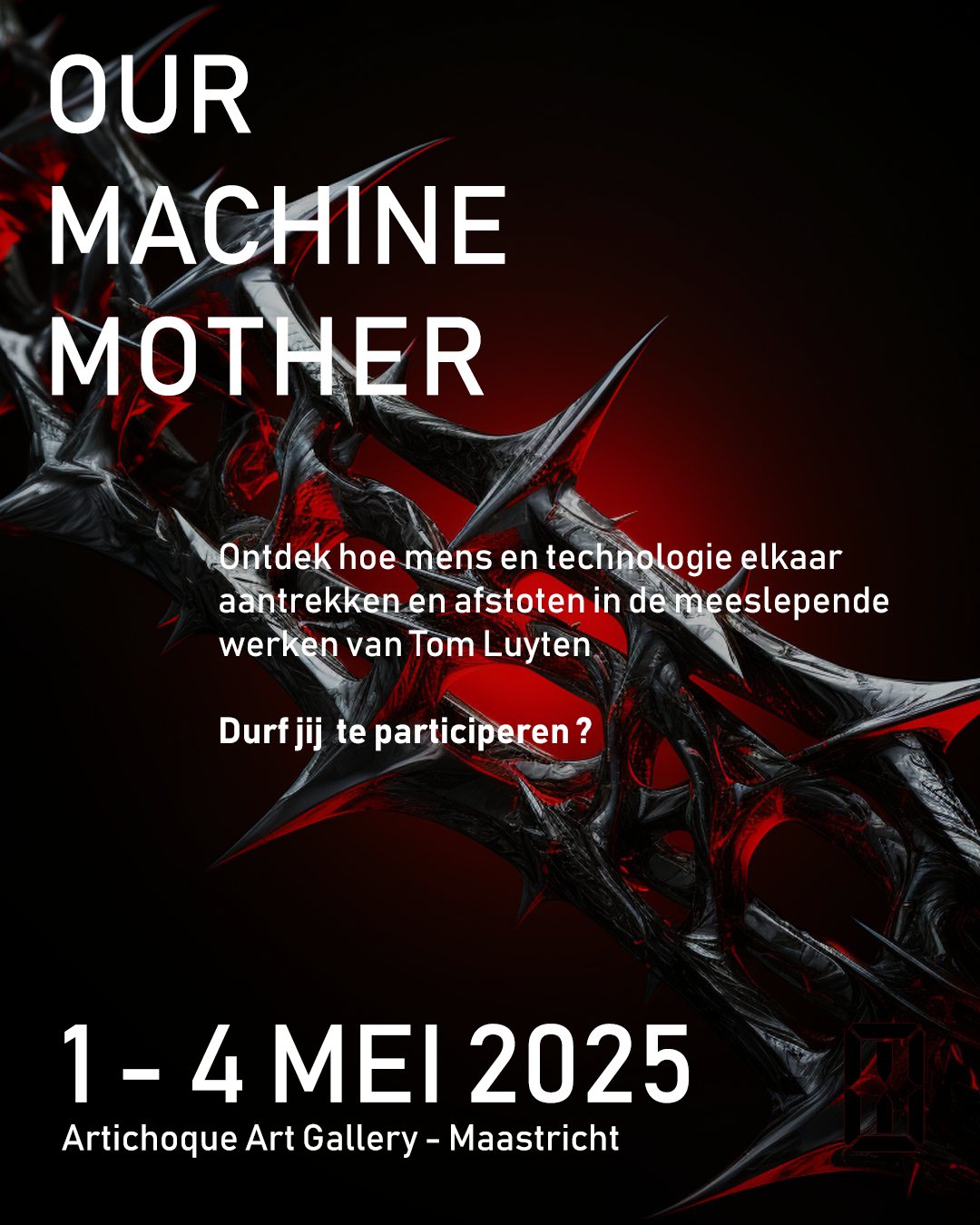
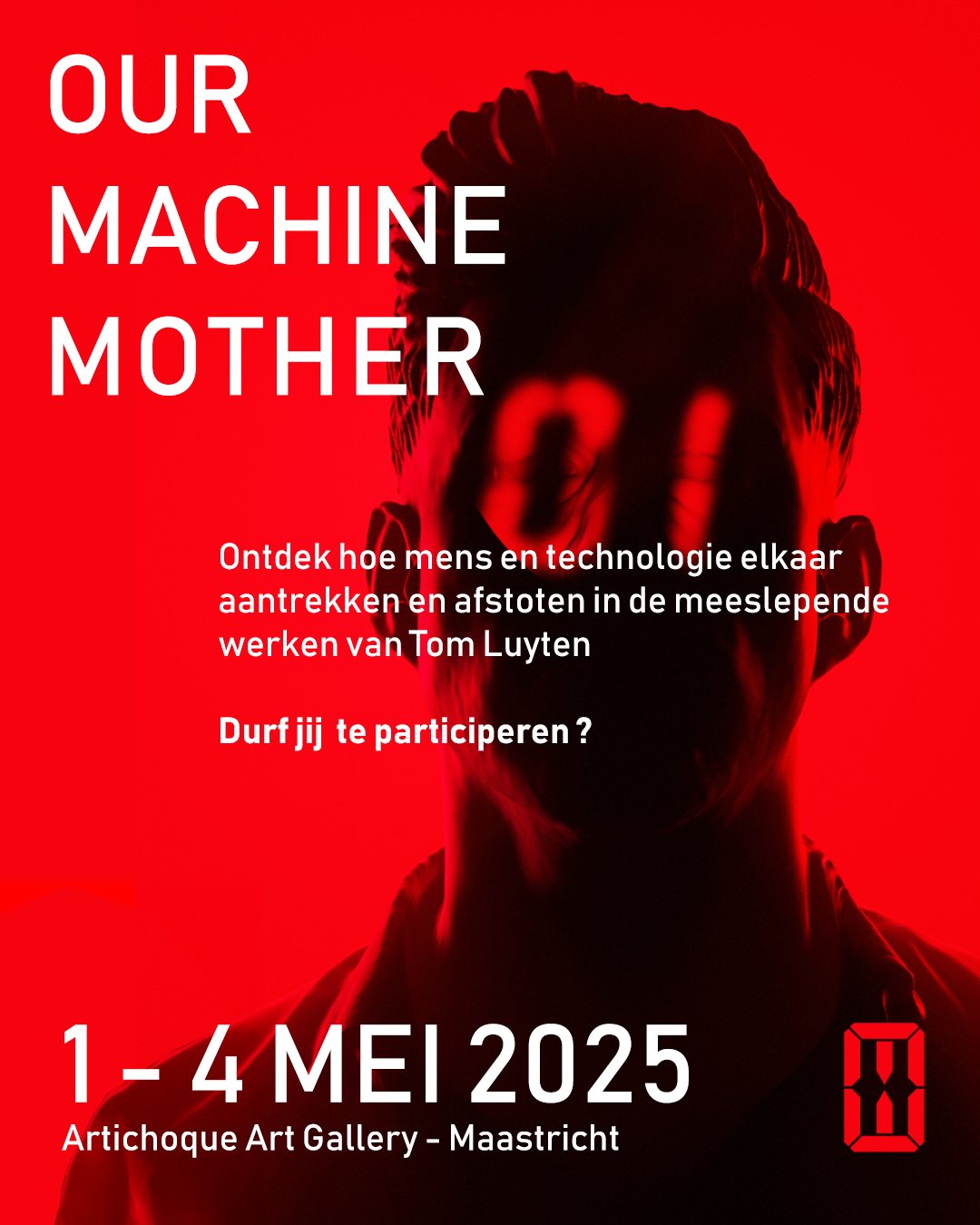
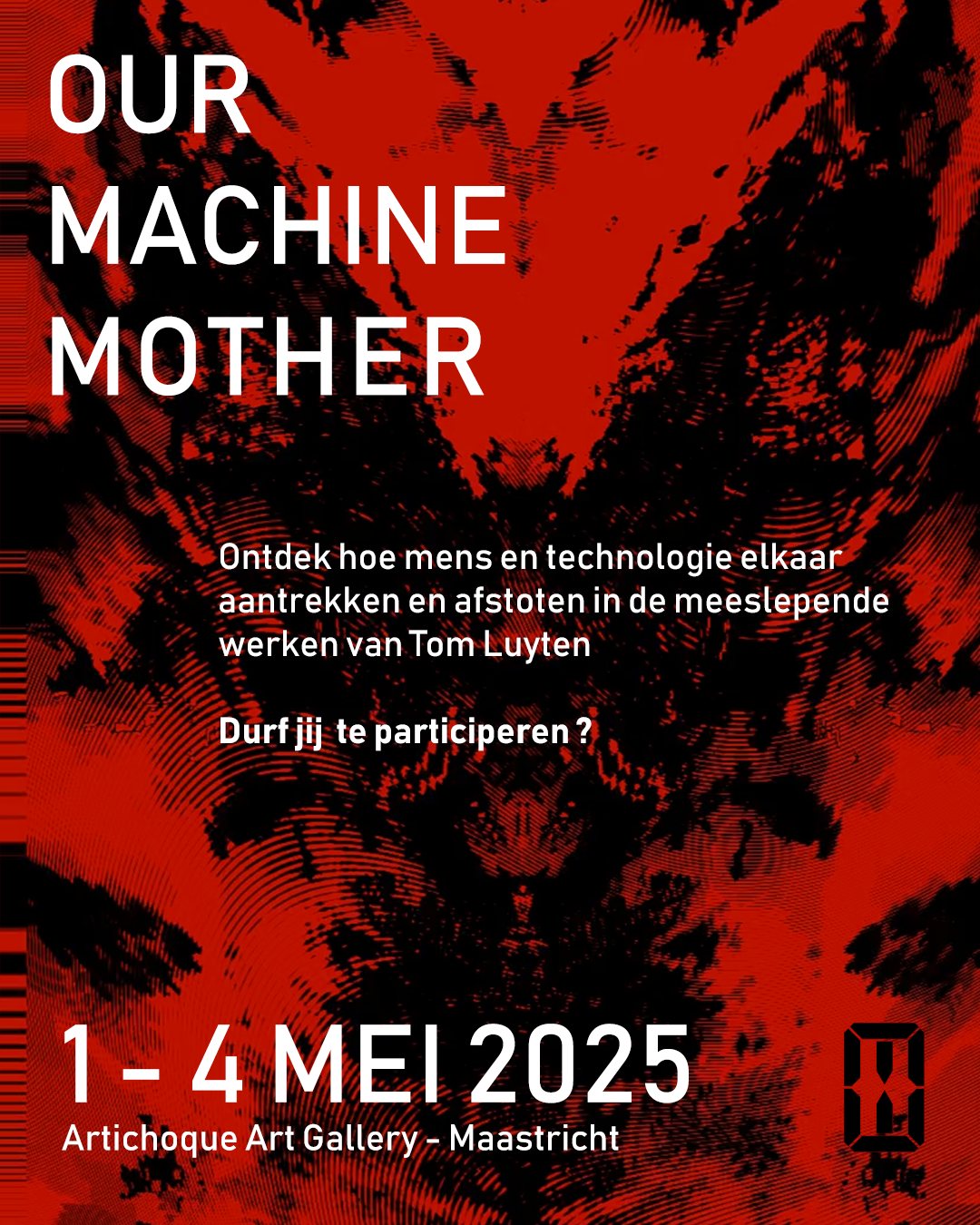
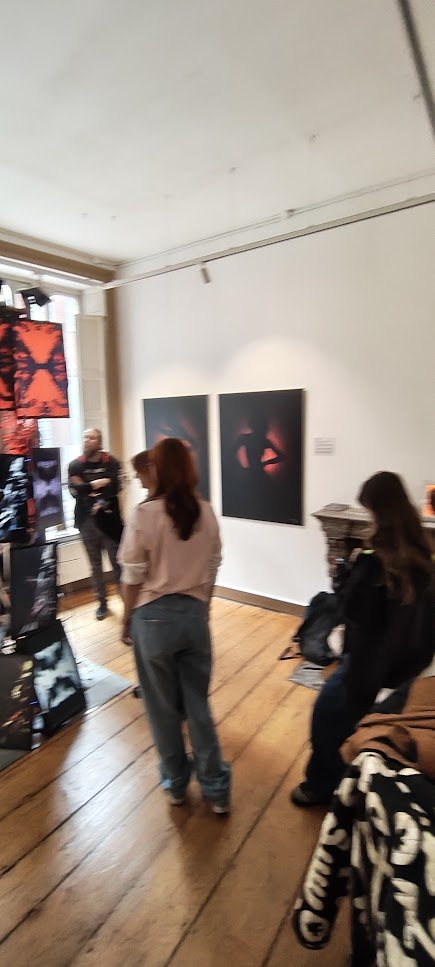
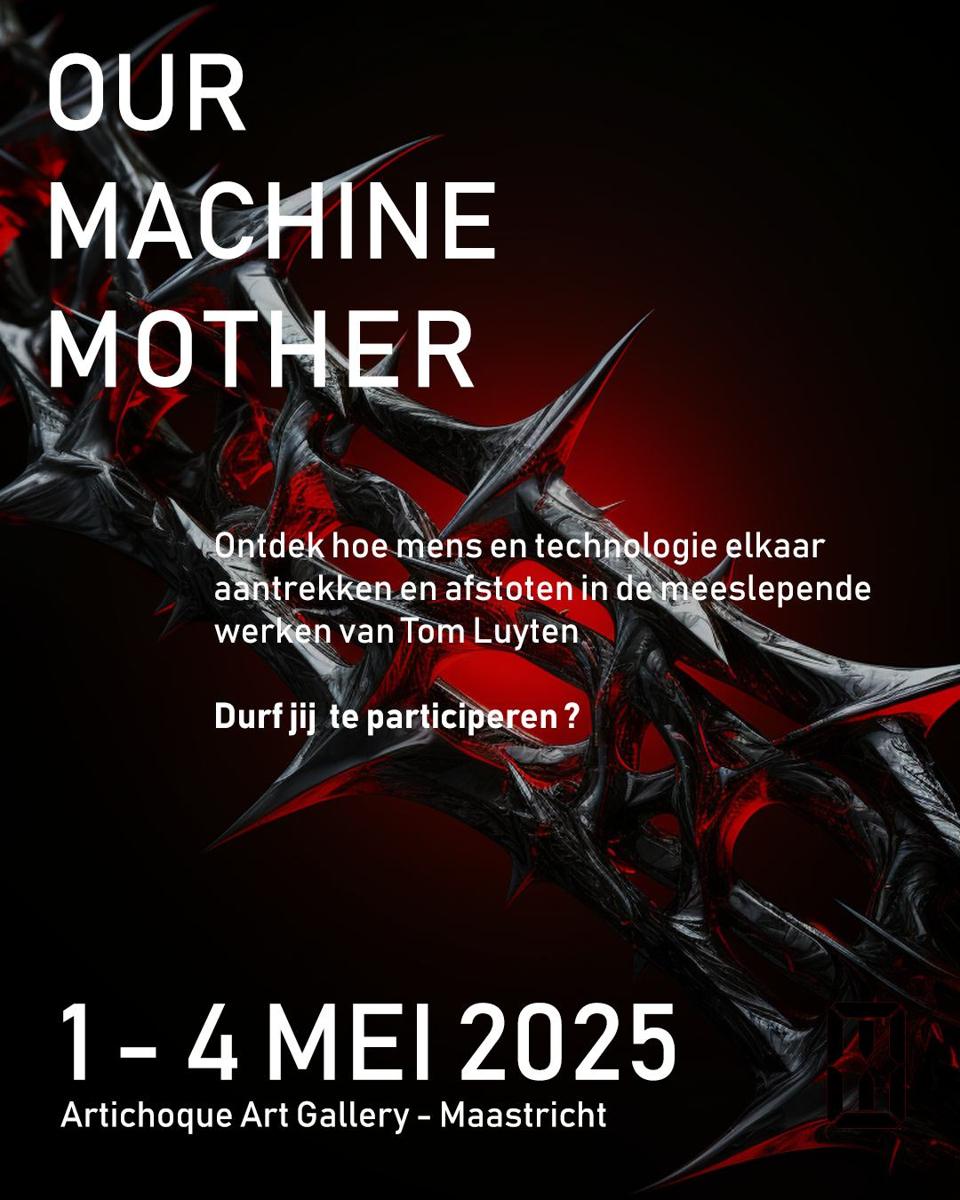 Expo: Our Machine MotherExhibition with Tahnee. Artichoque Art Gallery, Maastricht. May 1 to 4.art002
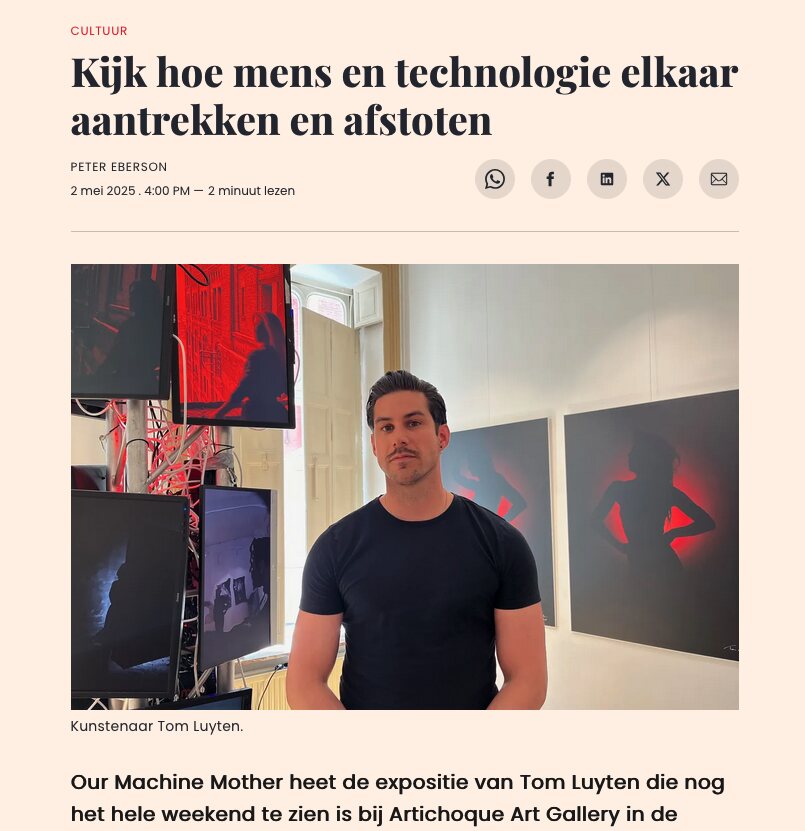
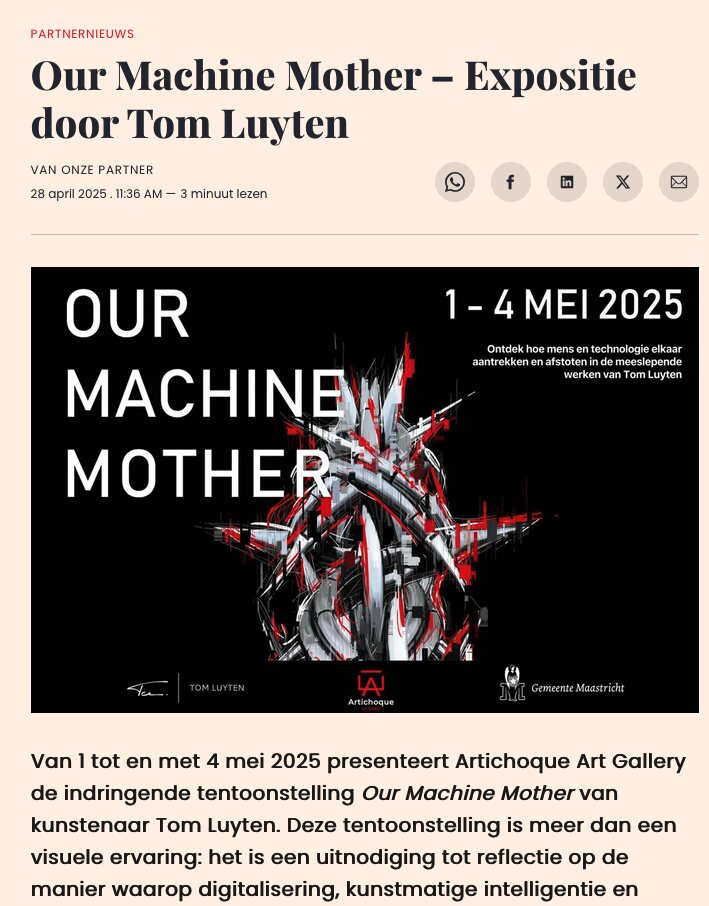
Our Machine Mother is the shared practice of Tom Luyten and Tahnee Mertens. It challenges and questions the relationship between people and technology. How they repel and attract each other in this love/hate triangle.
The work is conceptual, physical and often asks the visitor to take part.
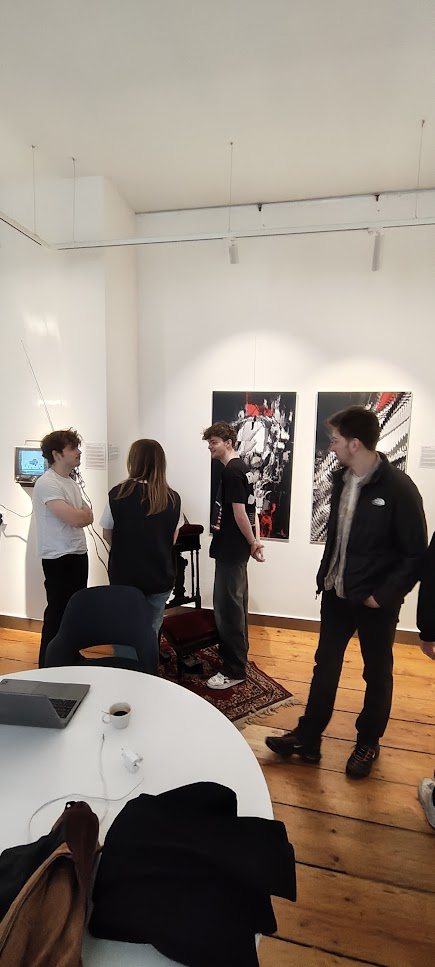
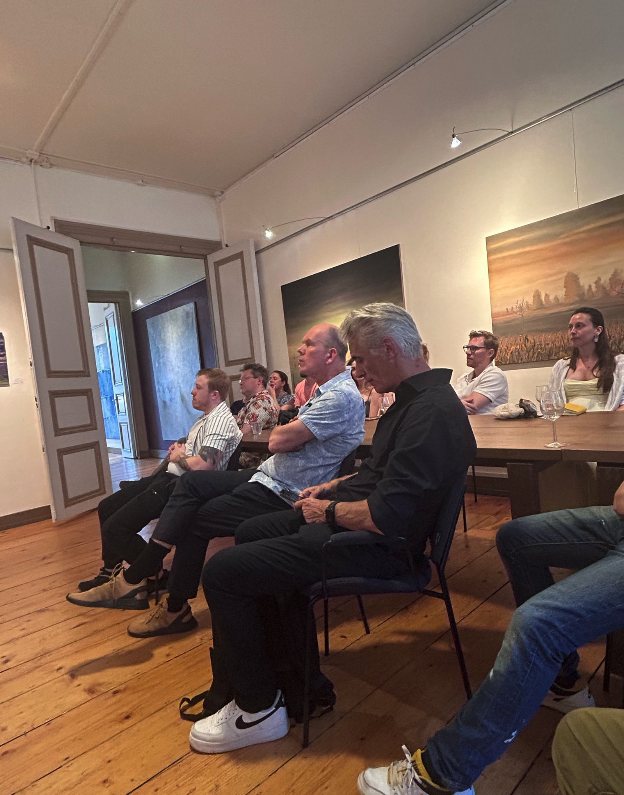
The first exhibition ran for four days in Maastricht. Four installations. Two opening nights with a lecture.
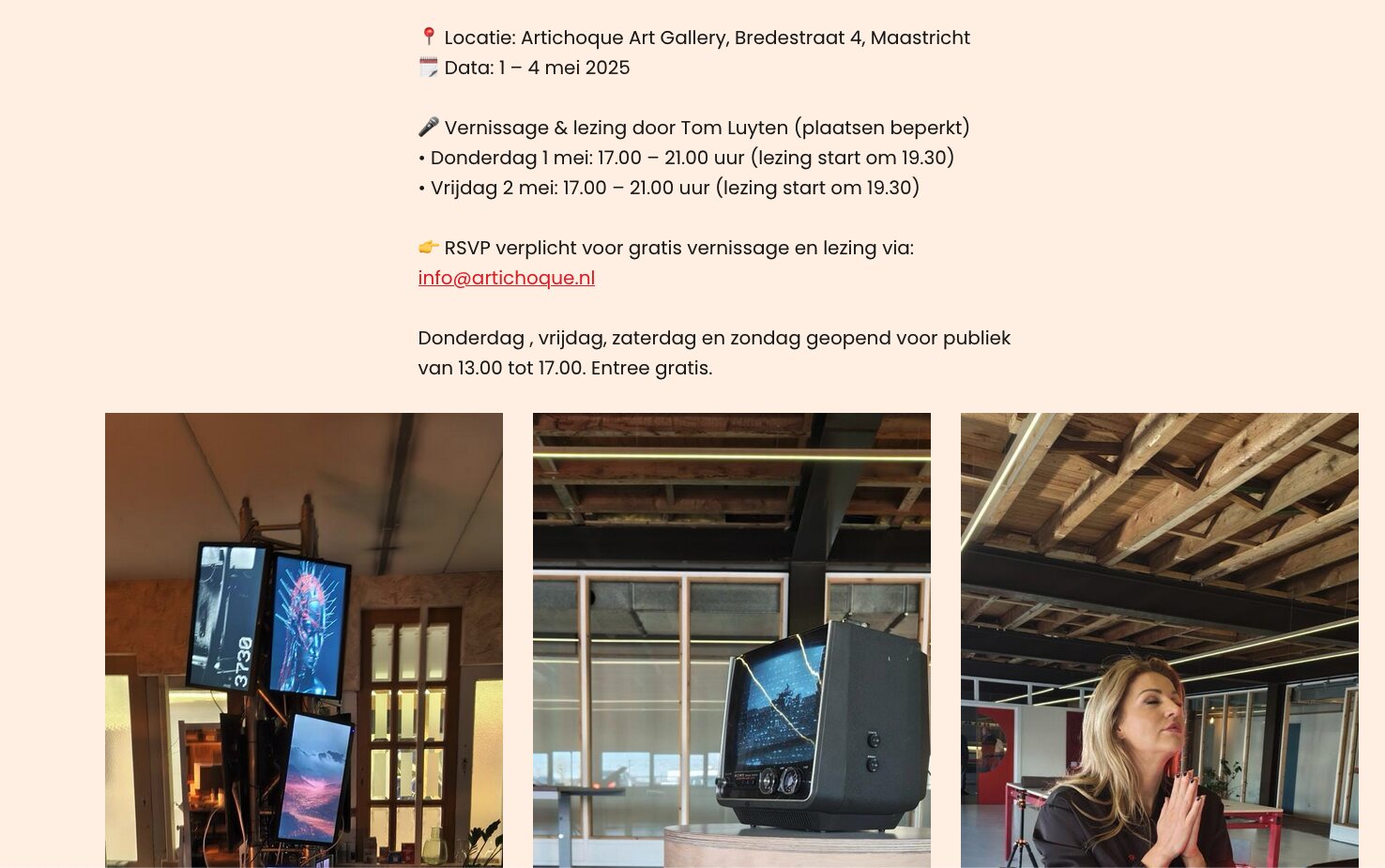
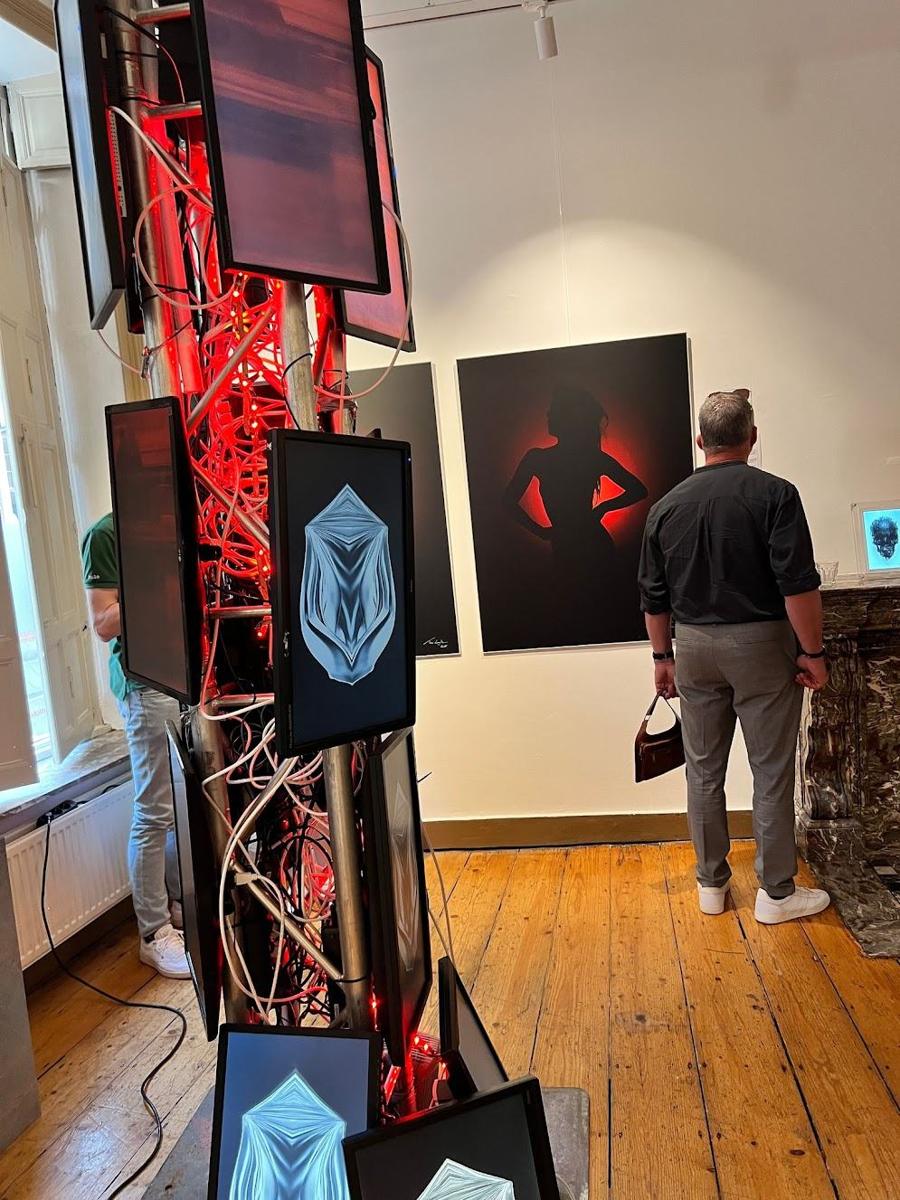
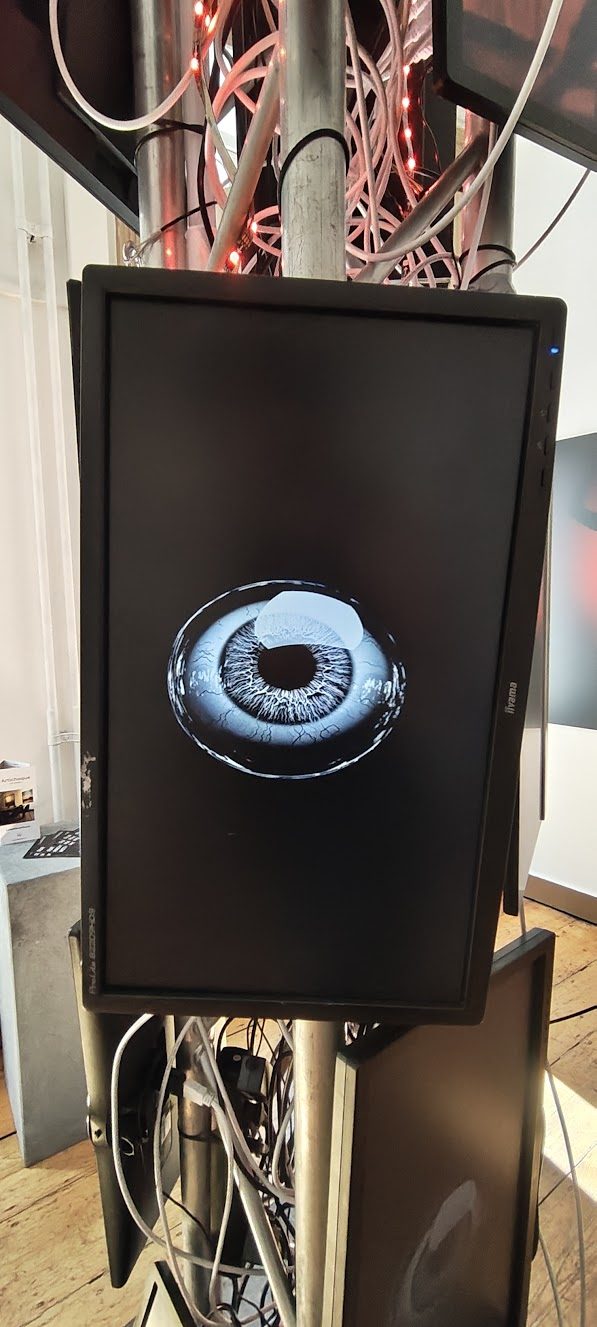
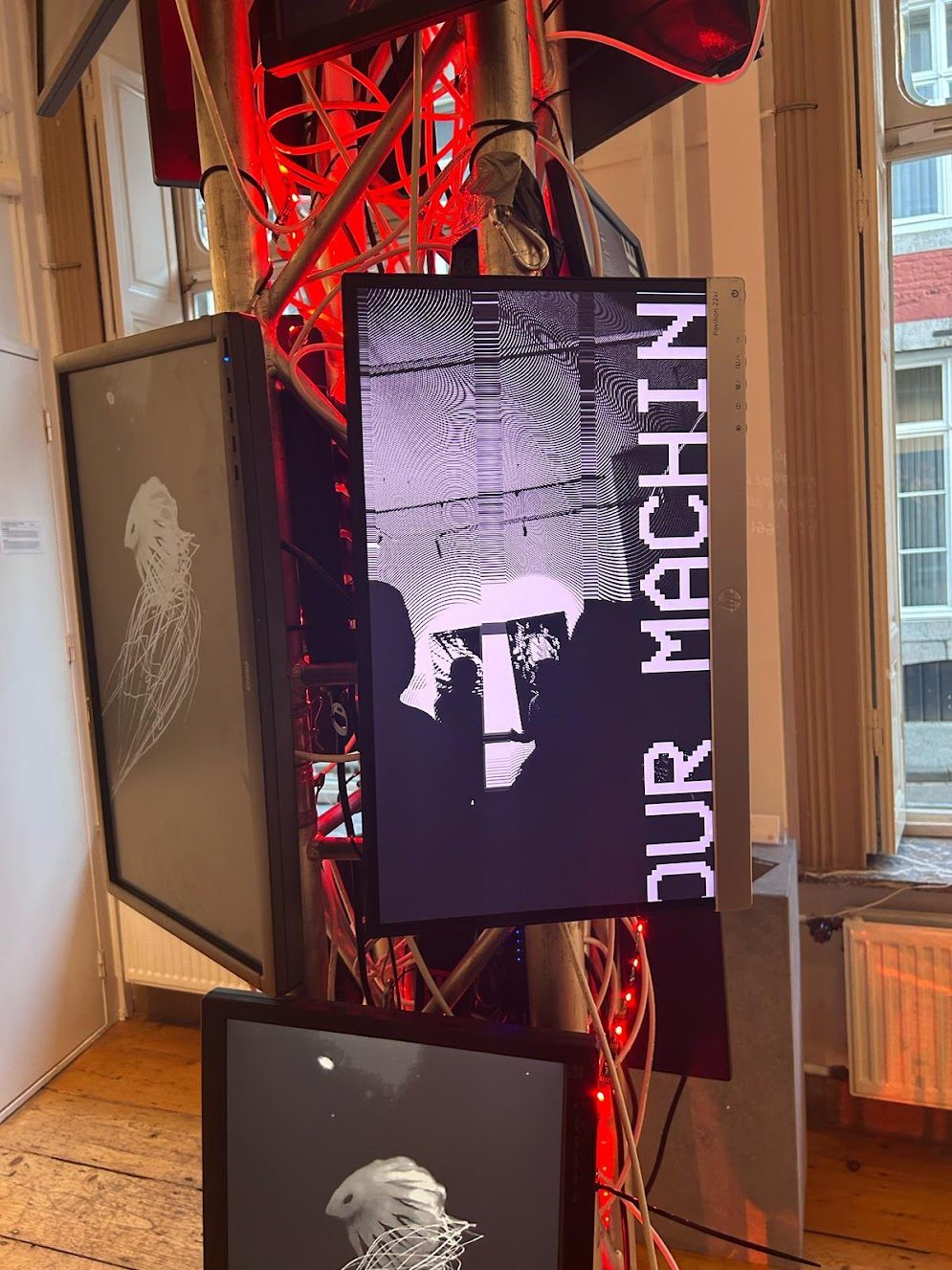
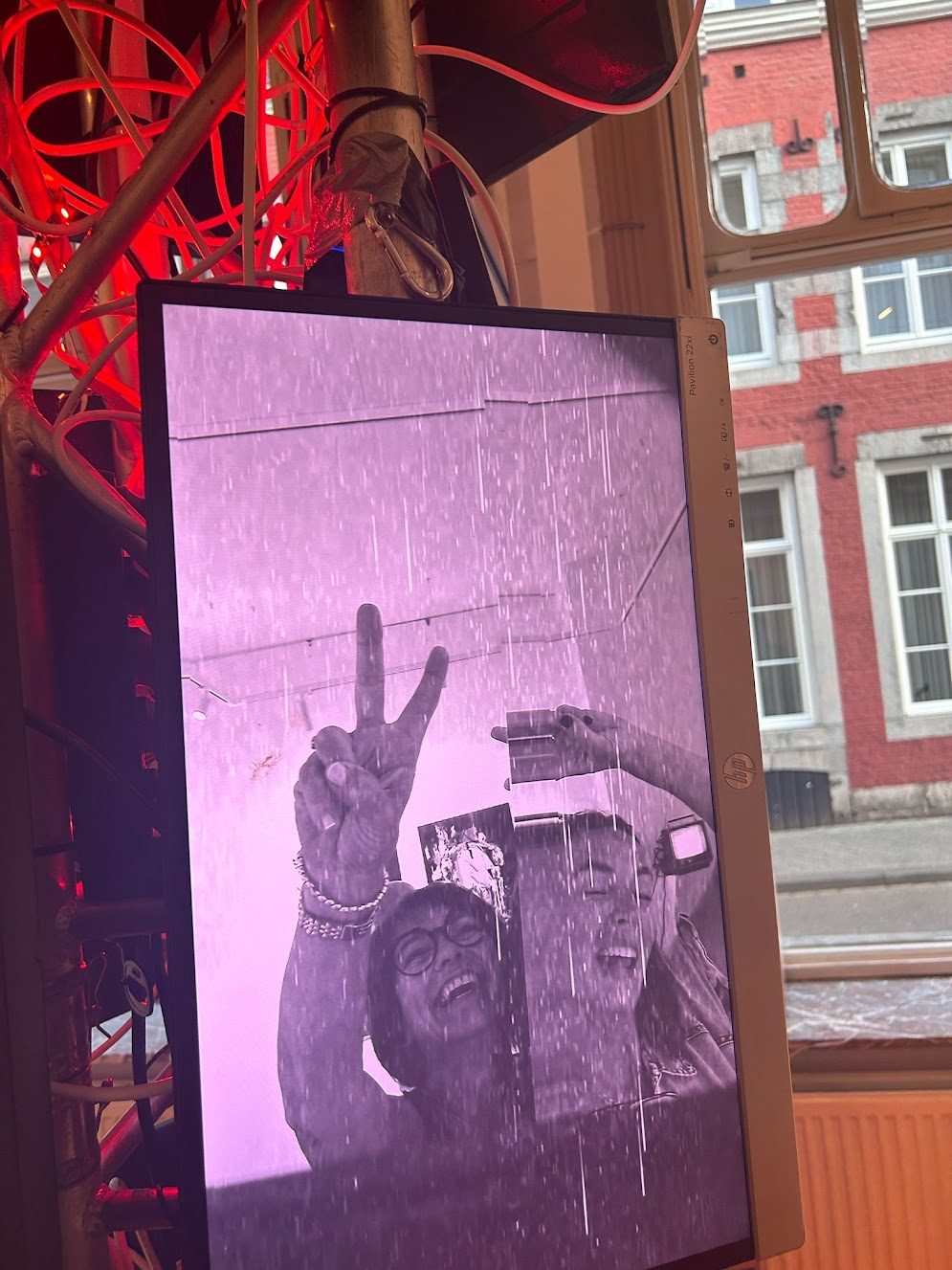
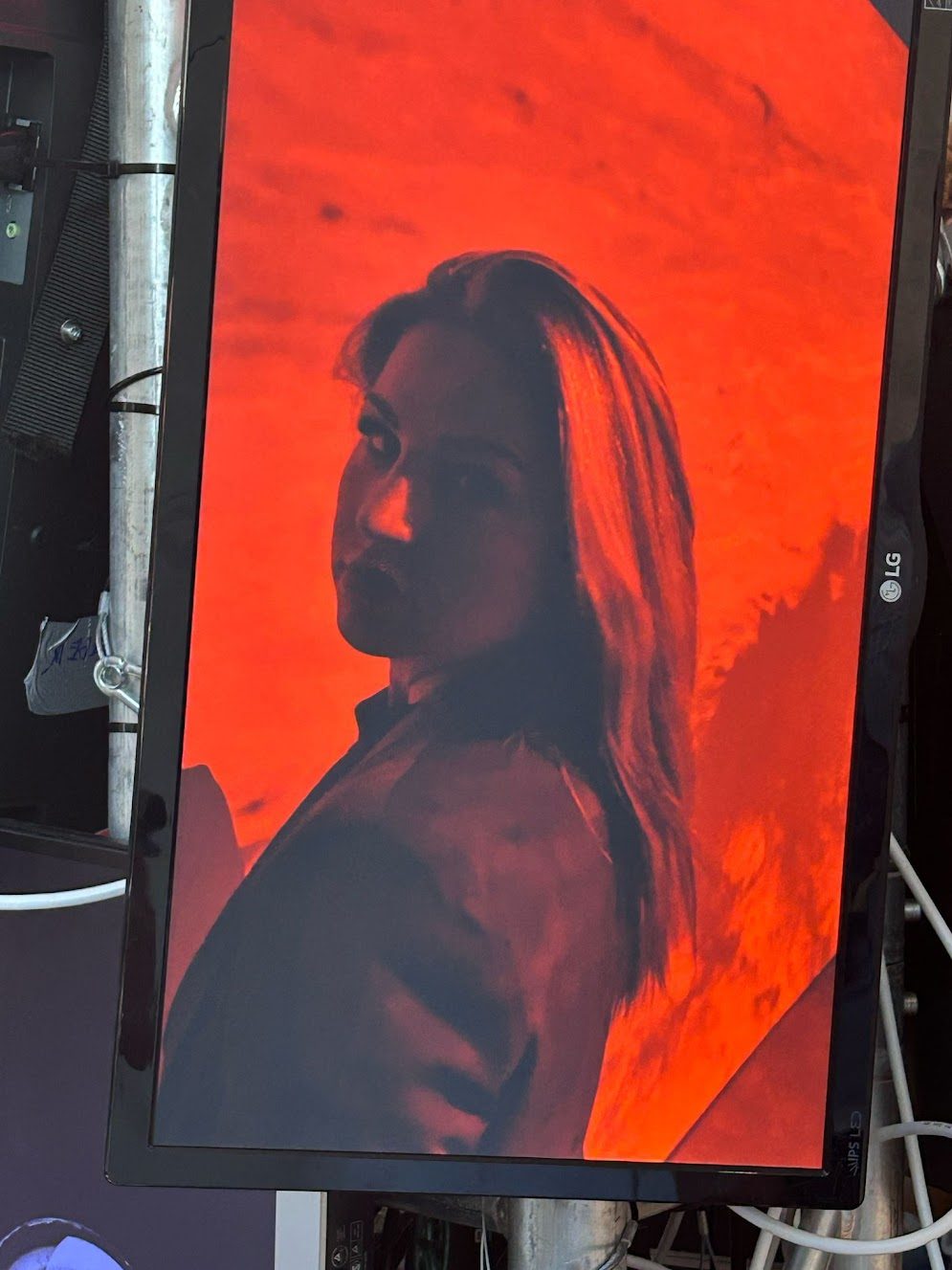
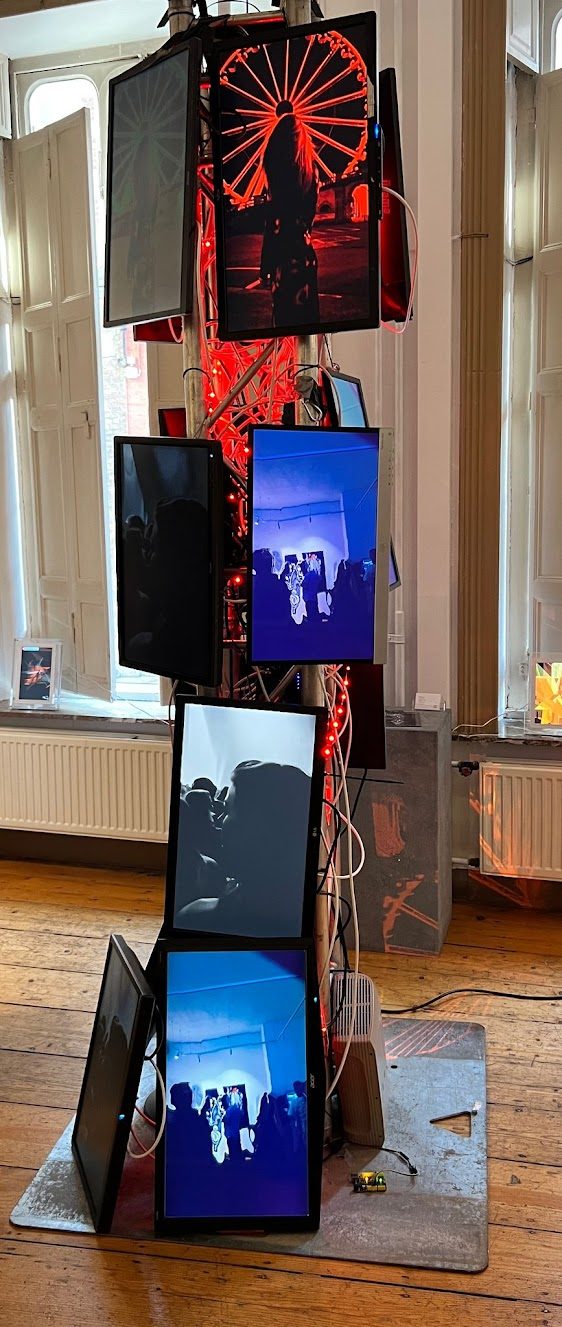
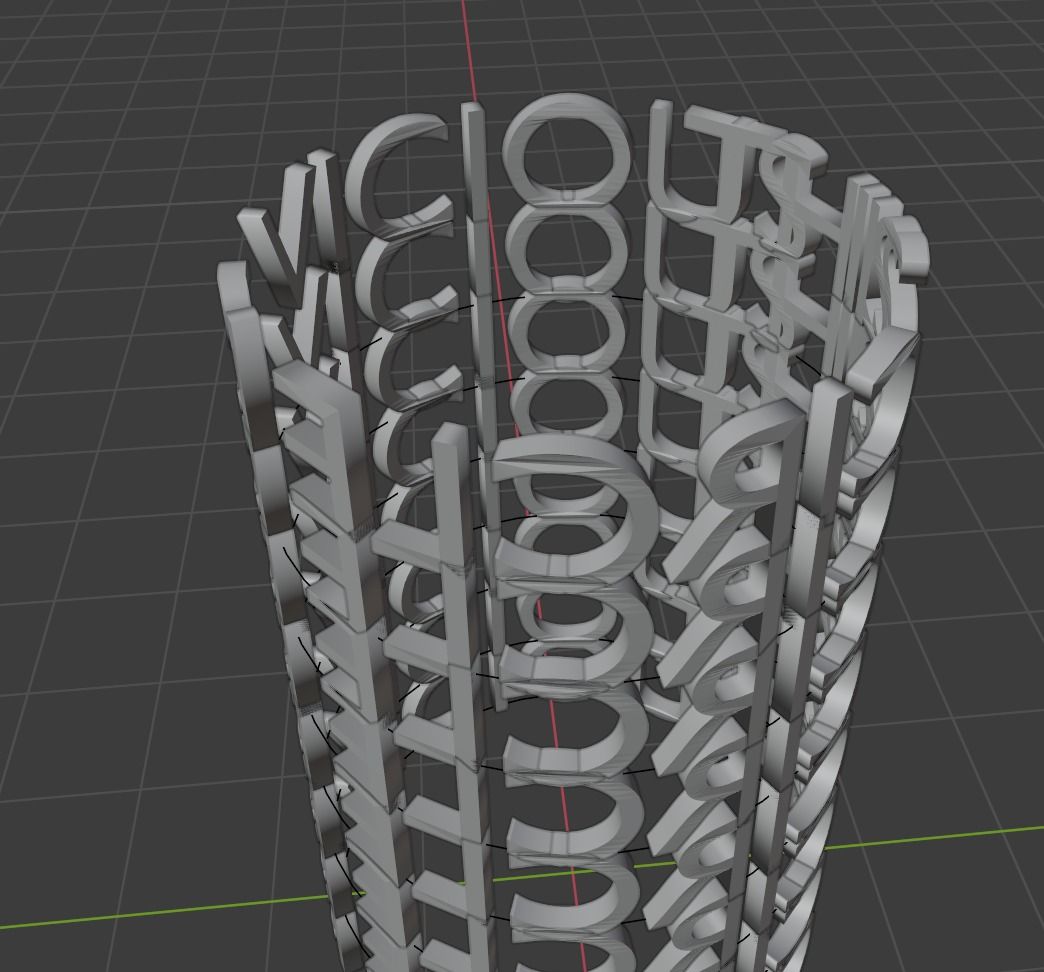
This Circle is Vicious. A cylinder of old computer screens and LED panels. Live generated visuals and a soundscape by composer Jaimy Kortenhoff pull the visitor into an endless cycle of building up and decay.
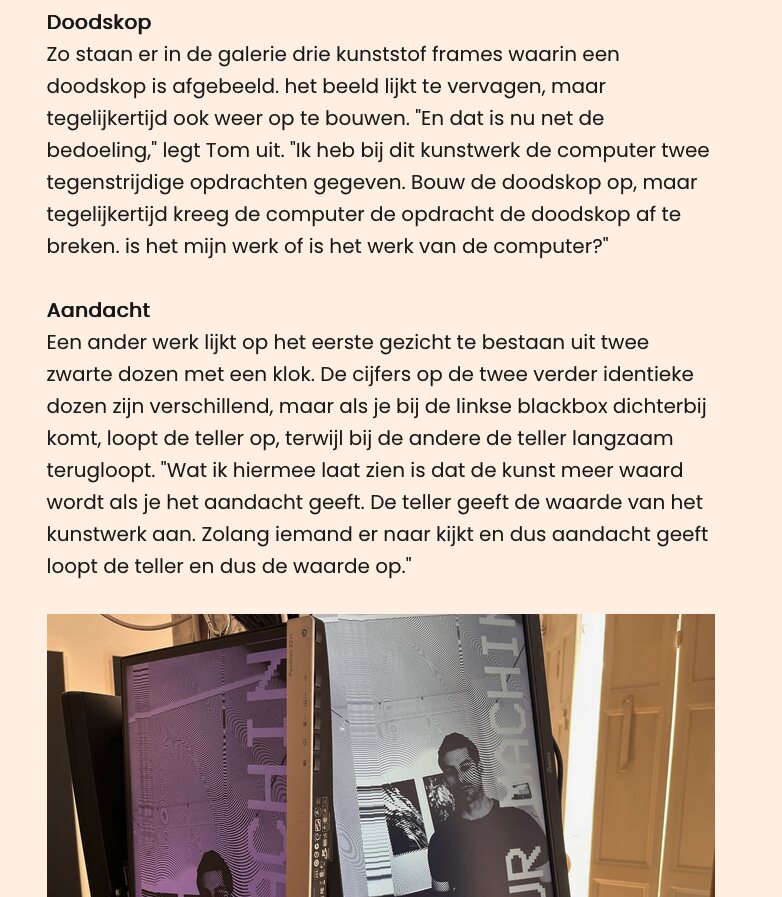
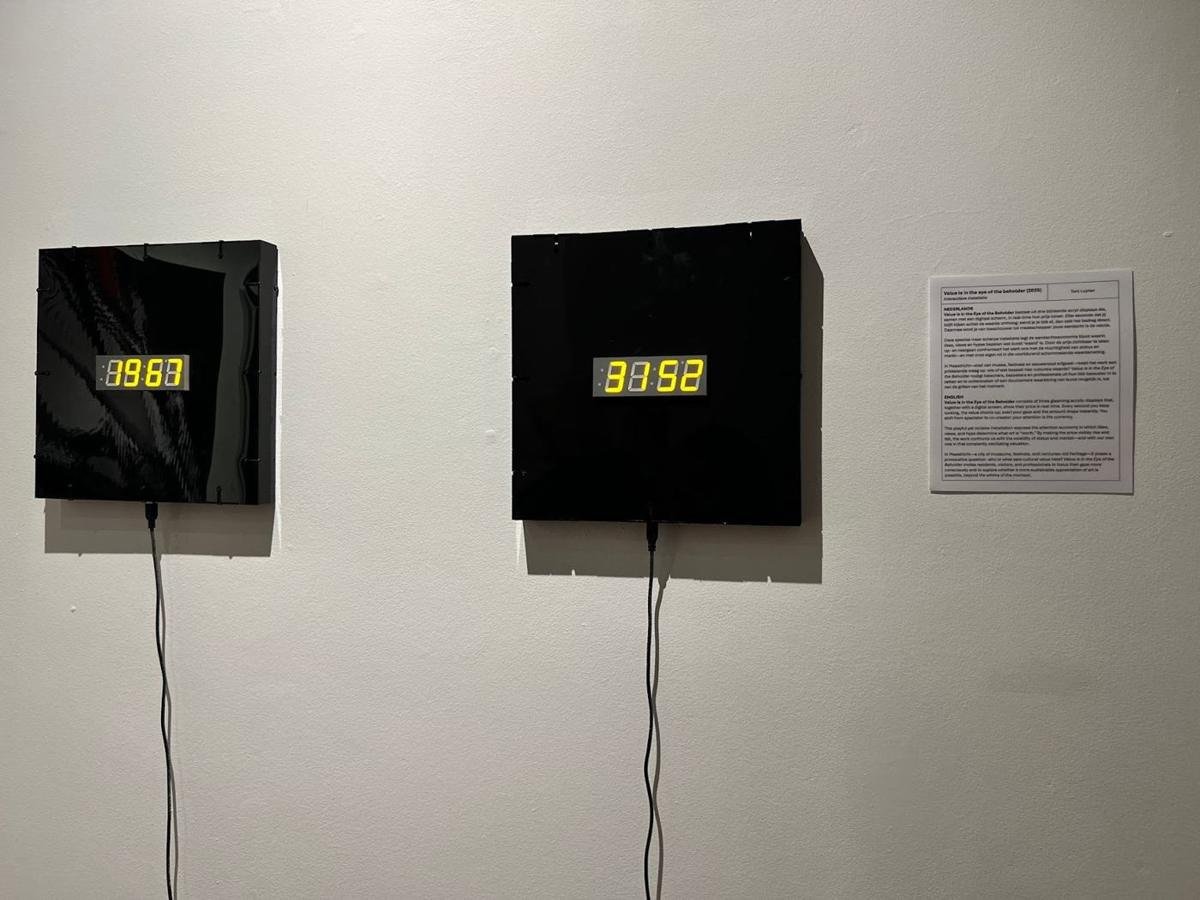
Value is in the Eye of the Beholder. Glossy acrylic boxes with a counter. The price rises while you look and drops as soon as attention fades.
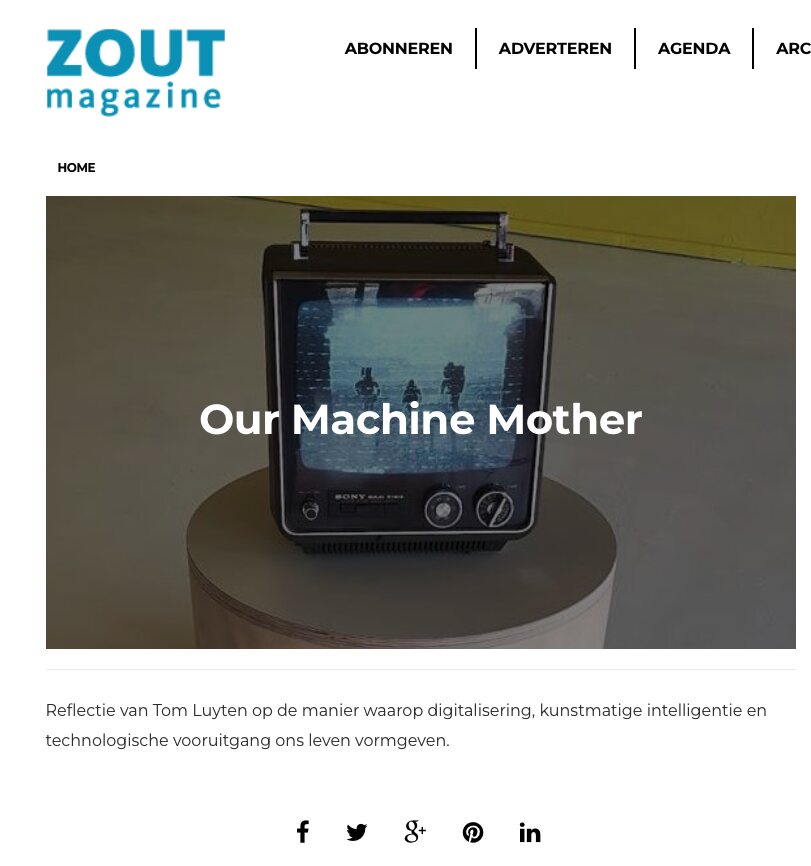
Synthetic Realities. A television from the sixties shows a landing on Mars that never happened.
Ora et Labora. Kneel on an old prayer stool, type in your profession, and the system shows how AI could take over your work in the years to come.
Also on show: the Machine dialogues and Moving Machines.
- Type
- Exhibition
- With
- Tahnee
- Where
- Artichoque Art Gallery, Maastricht
- When
- 1 to 4 May 2025
- Support
- Gemeente Maastricht
- Press
- Visit Maastricht, ZOUT magazine, De Nieuwe Ster (partner article 28 April 2025, article by Peter Eberson 2 May 2025)
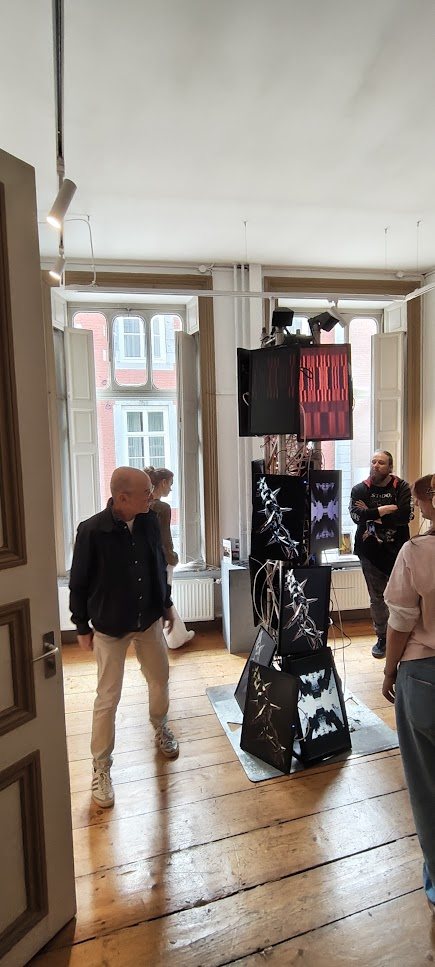
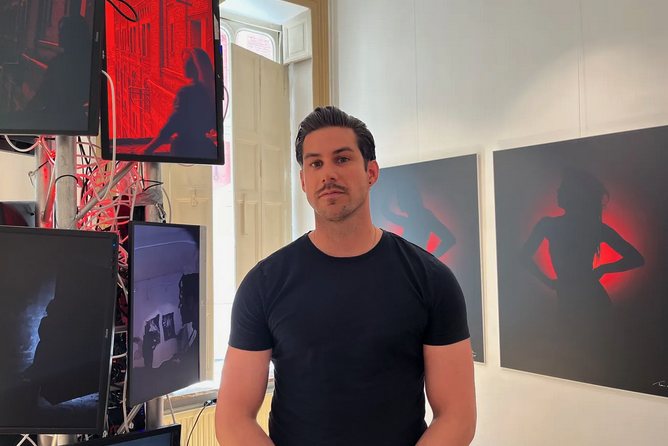
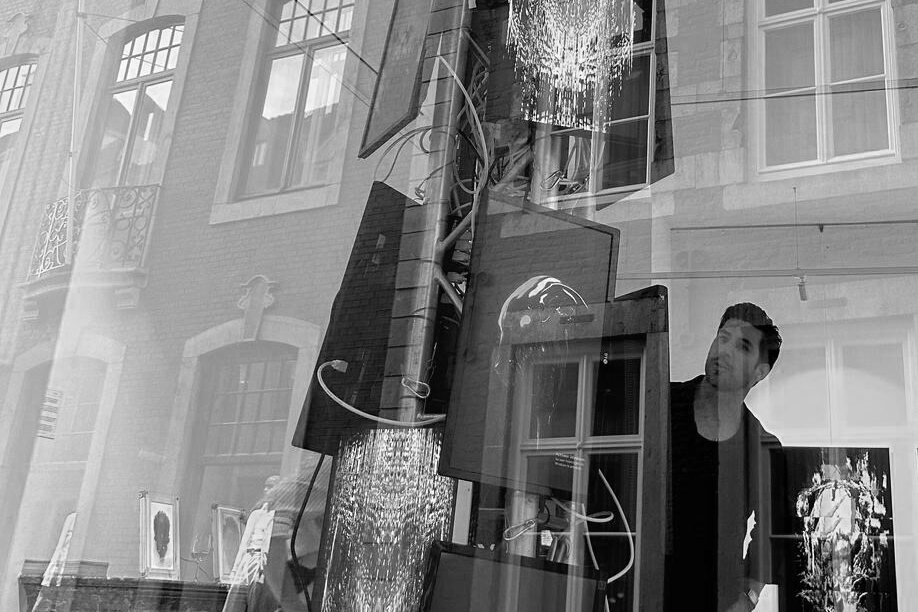
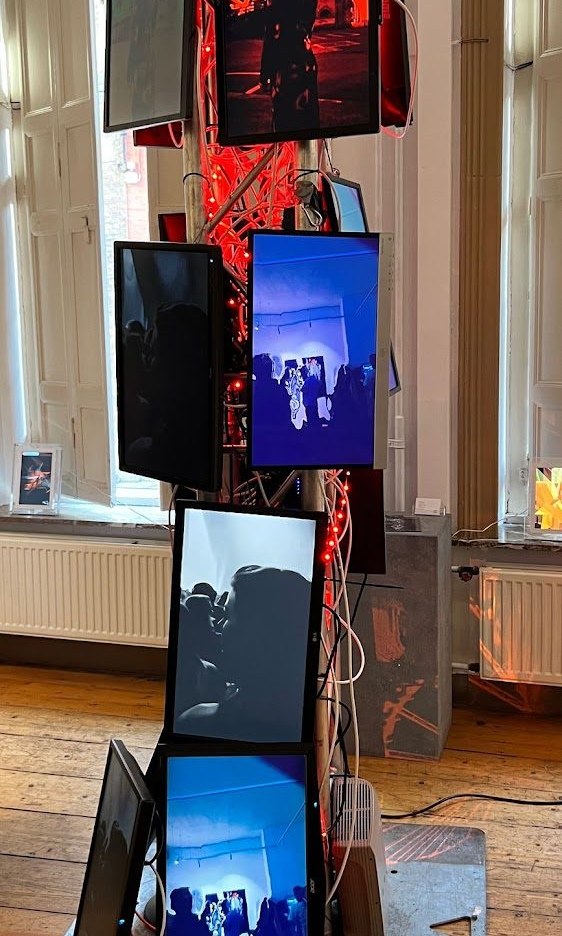
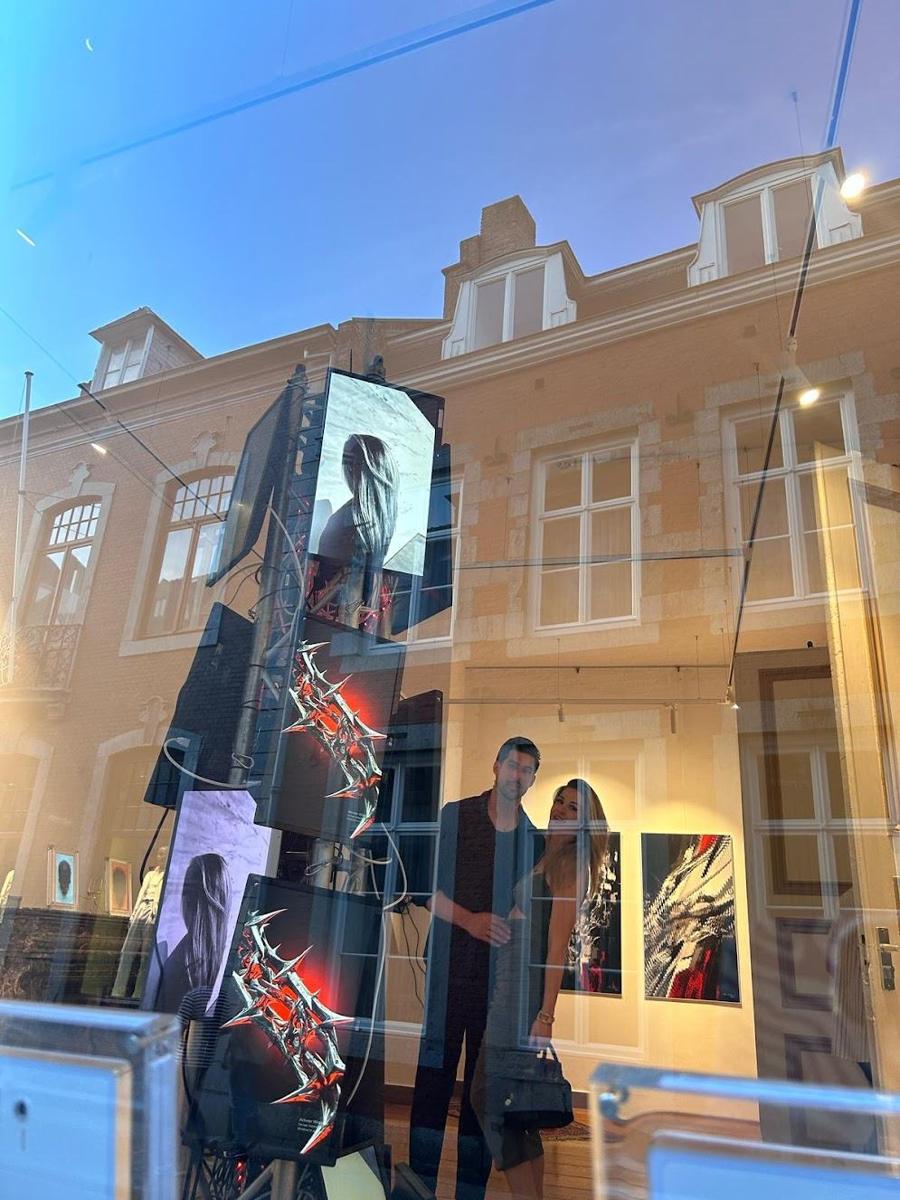
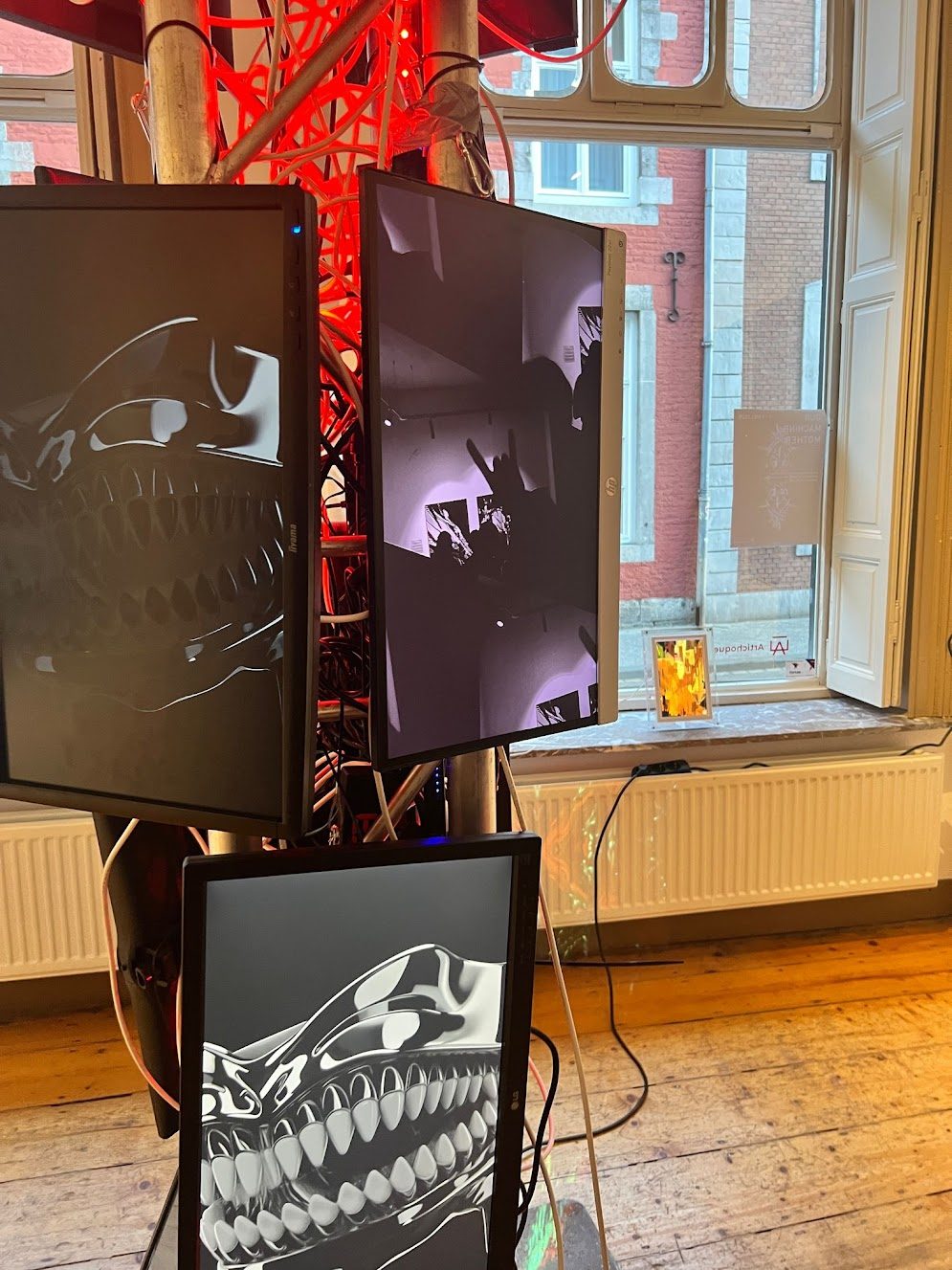 This Circle is ViciousA tower of screens caught in an endless loop.art003
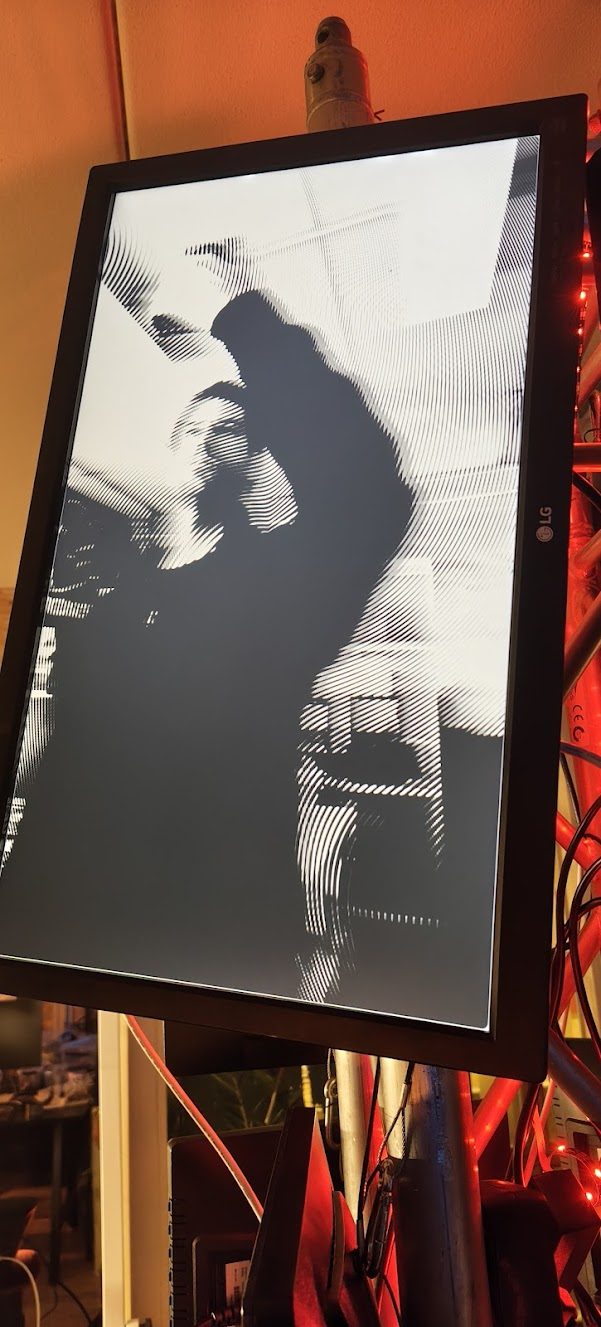
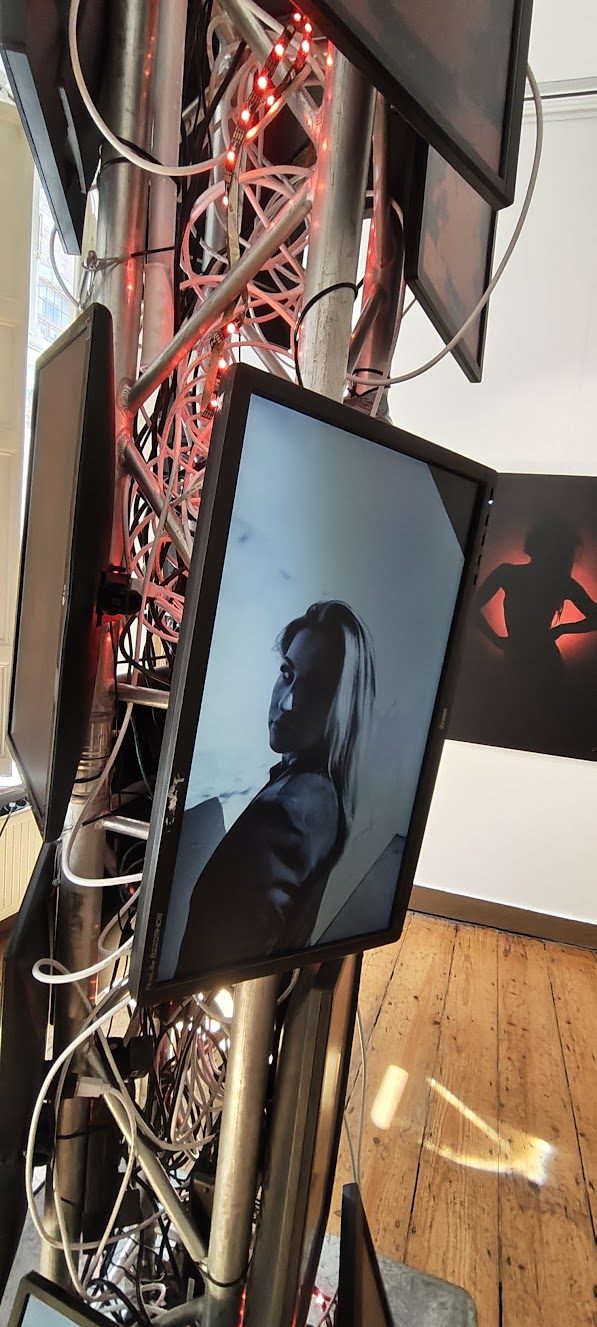
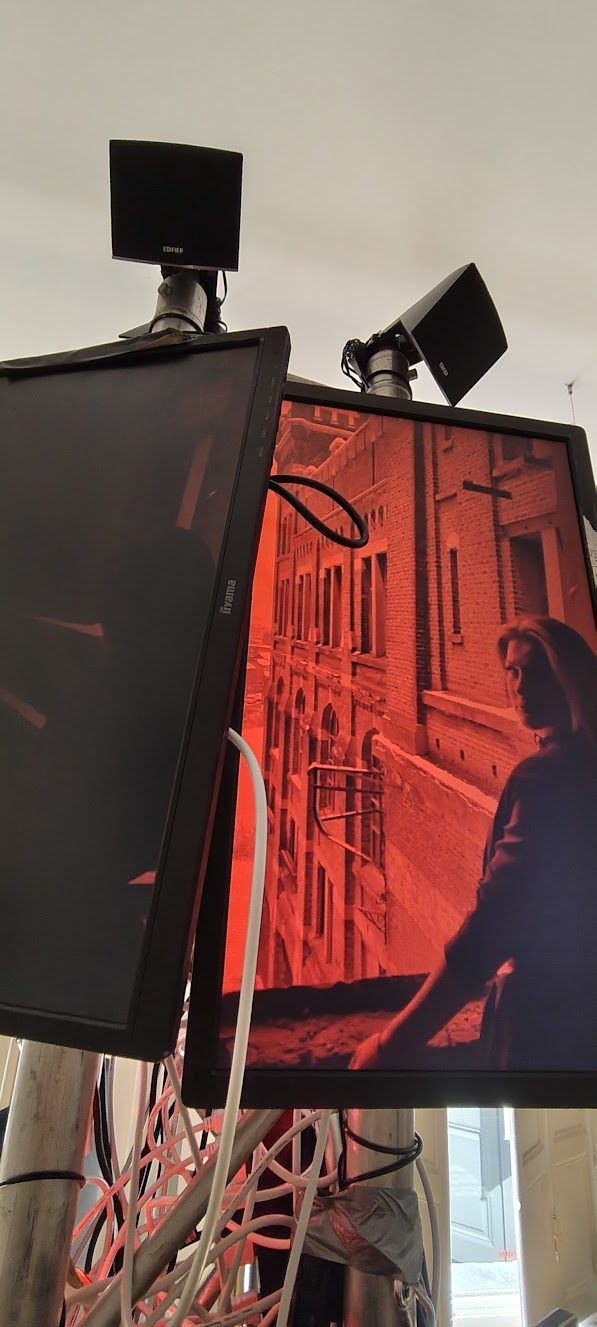
This Circle is Vicious turns the gallery upside down with a totem of discarded computer screens showing three endlessly reconfiguring video streams: Destruction in pulsing black-red, Creation in high-contrast black-white, and a live webcam feed glitched into a digital mirror. All imagery is crafted by Tom Luyten using his own footage, generative software, and AI models, weaving an ever-shifting narrative in which humans and technology are both builders and destroyers of each other.
A multi-layered soundtrack by composer Jaimy Kortenhoff drives the visual storm. Each layer reshapes itself in real time, so the sonic texture is never the same—a living composition that grows, implodes, and rises again. Image and sound interlock like cogs: one moment whispering drones suggest construction, the next a burst of noise tears everything down, while the screen colors echo or clash. The result is an endless cycle of love and annihilation between man and machine.
Keep circling the work and you quite literally experience the vicious loop: with every step the story shifts and you become part of the drama anew.
Made for the exhibition Our Machine Mother, as the physical counterpart of the AR work from 2020.
- Type
- Installation, live visuals, sound
- Sound
- Jaimy Kortenhoff
- Shown at
- Expo: Our Machine Mother, Artichoque Art Gallery, Maastricht, May 2025
 Value is in the Eye of the BeholderAn artwork whose price depends on your attention.art004
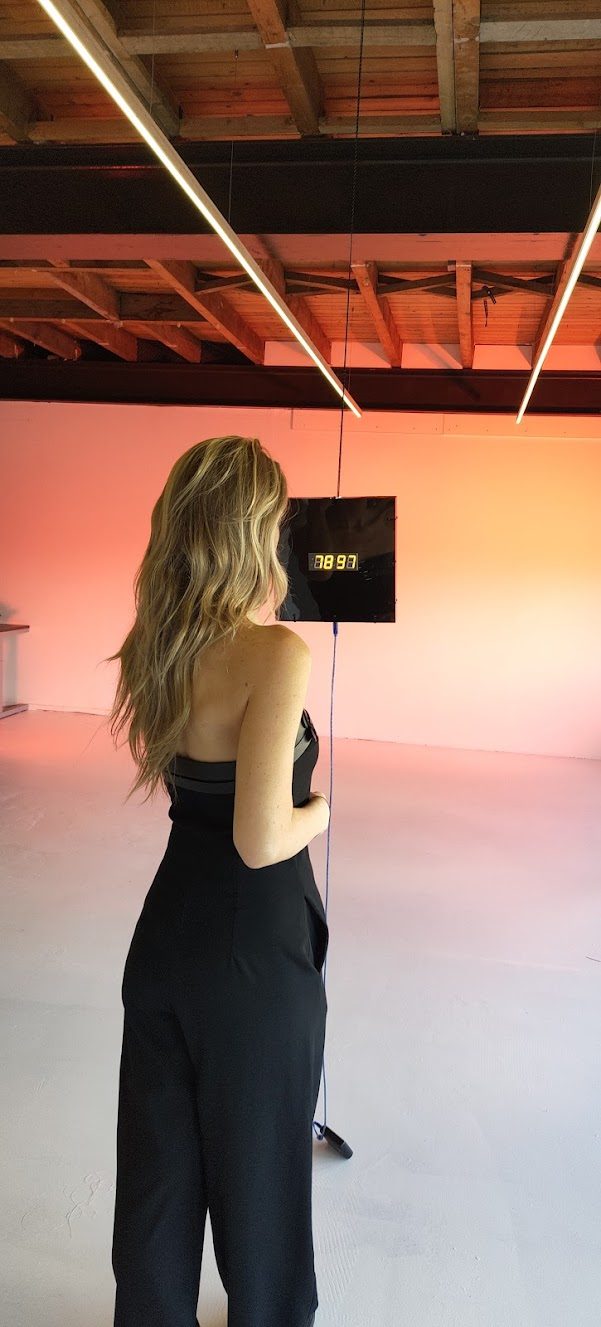
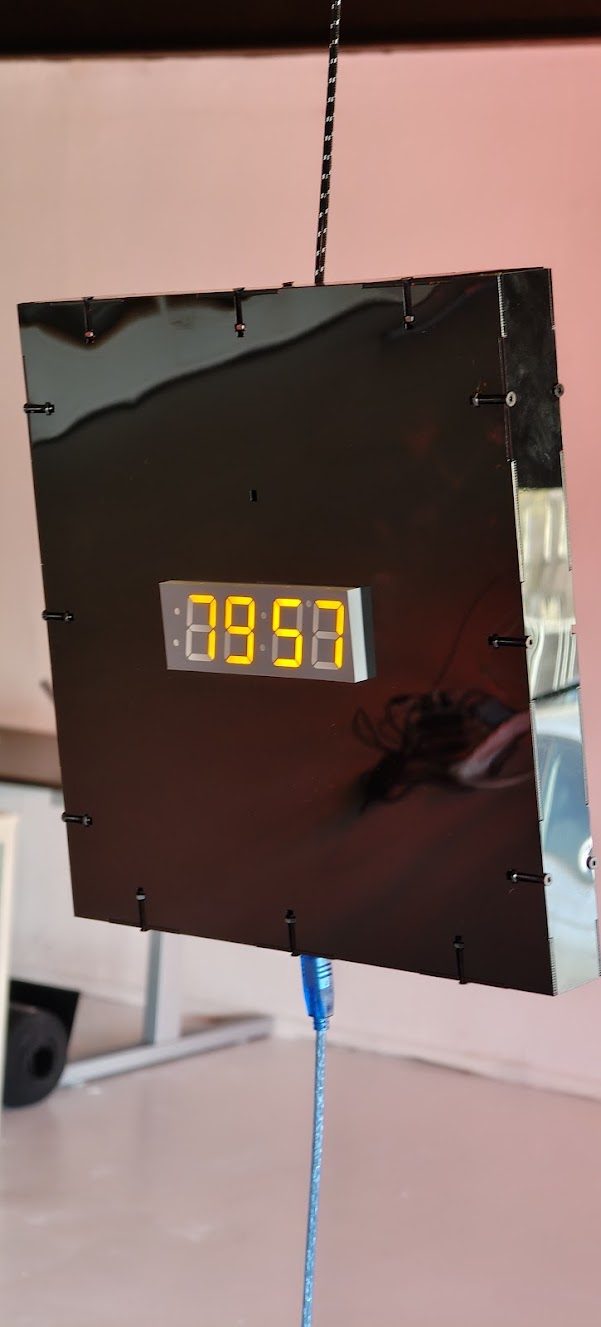
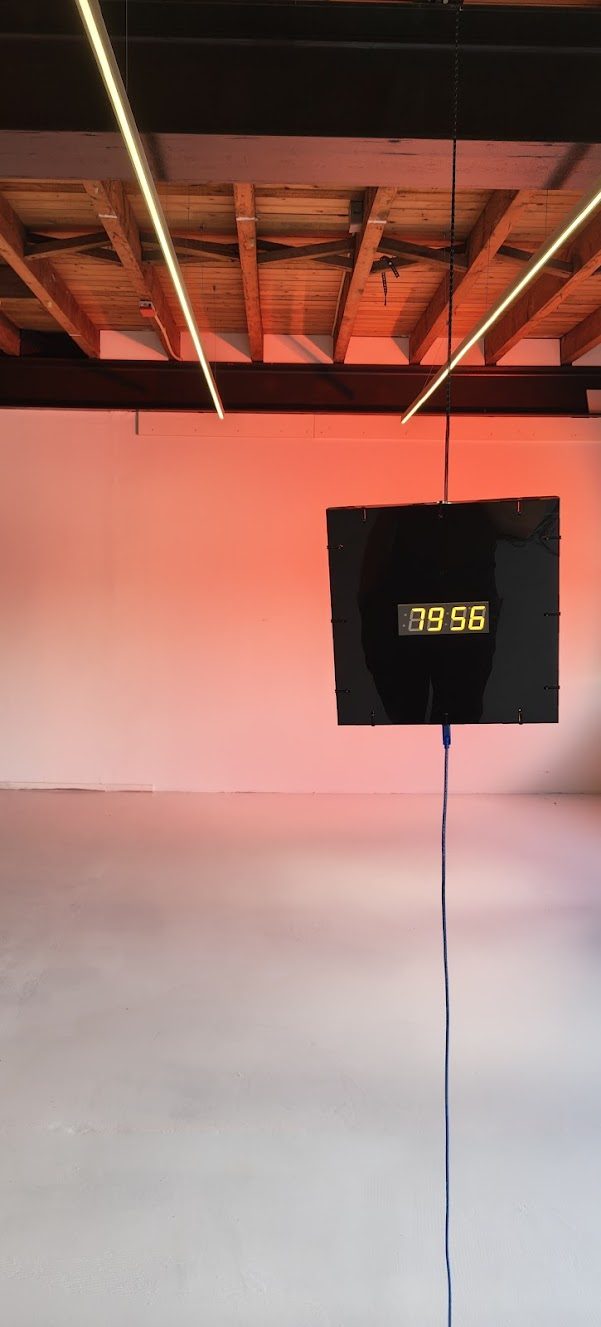
Value is in the Eye of the Beholder consists of three gleaming acrylic displays that, together with a digital screen, show their price in real time. Every second you keep looking, the value shoots up; avert your gaze and the amount drops instantly. You shift from spectator to co-creator: your attention is the currency.
This playful yet incisive installation exposes the attention economy in which likes, views, and hype determine what art is “worth.” By making the price visibly rise and fall, the work confronts us with the volatility of status and market—and with our own role in that constantly oscillating valuation.
In Maastricht—a city of museums, festivals, and centuries-old heritage—it poses a provocative question: who or what sets cultural value here? Value is in the Eye of the Beholder invites residents, visitors, and professionals to focus their gaze more consciously and to explore whether a more sustainable appreciation of art is possible, beyond the whims of the moment.
- Type
- Interactive installation
- Shown at
- Expo: Our Machine Mother, Artichoque Art Gallery, Maastricht, May 2025
 Synthetic RealitiesA Mars landing that never happened, on a sixties television.art005
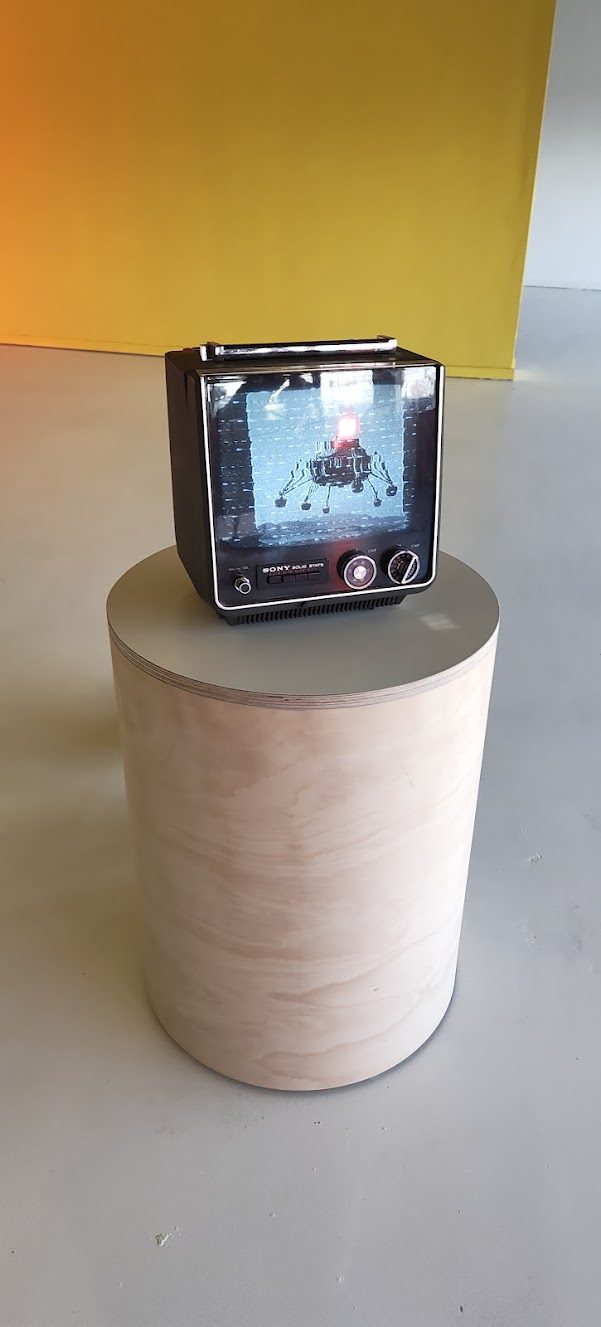
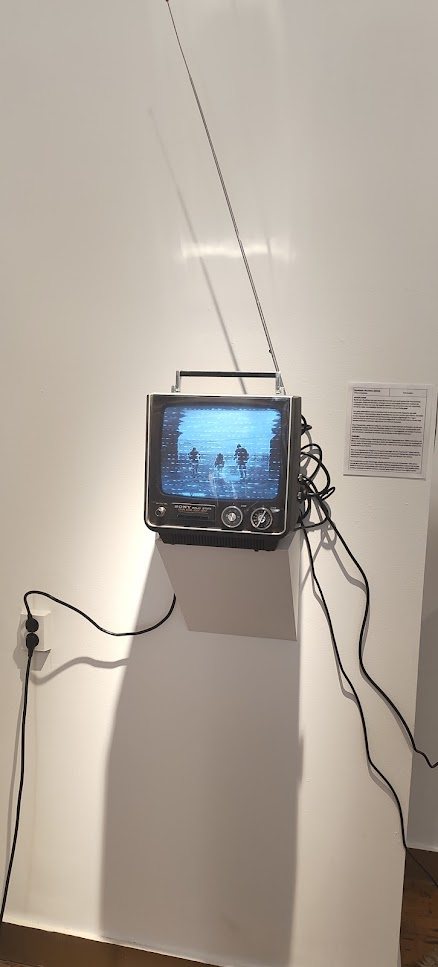
Synthetic Realities airs a Mars landing that never happened on a 1960s television set. Black-and-white footage, analogue static and delayed voices conjure the nostalgia of an era when TV was synonymous with truth—even as the viewer instantly realises the broadcast is pure fiction.
The work exposes our fragility in the post-truth age: if even “authentic” video can be effortlessly generated by AI, what is left of visual evidence? Visitors are challenged to distrust their own perception and to ask how reality and illusion can still be separated when algorithms shape the narrative.
For Maastricht—a city of heritage, stories and international influences—this piece serves as a provocative mirror. Synthetic Realities questions how a place that prides itself on historical authenticity can hold its ground amid deepfakes and media noise, inviting residents to remain critical, resilient and media-savvy in the digital realm.
- Type
- Installation, video
- Shown at
- Expo: Our Machine Mother, Artichoque Art Gallery, Maastricht, May 2025
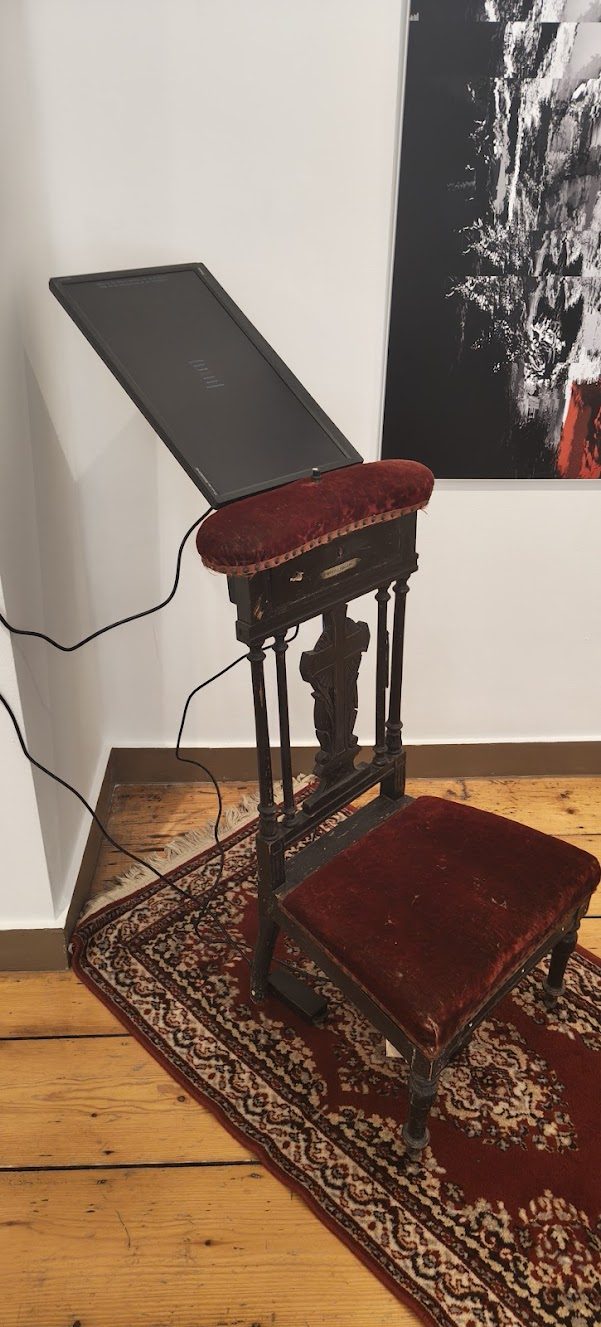 Ora et LaboraKneel, type your profession, and see how AI could take over your work.art006
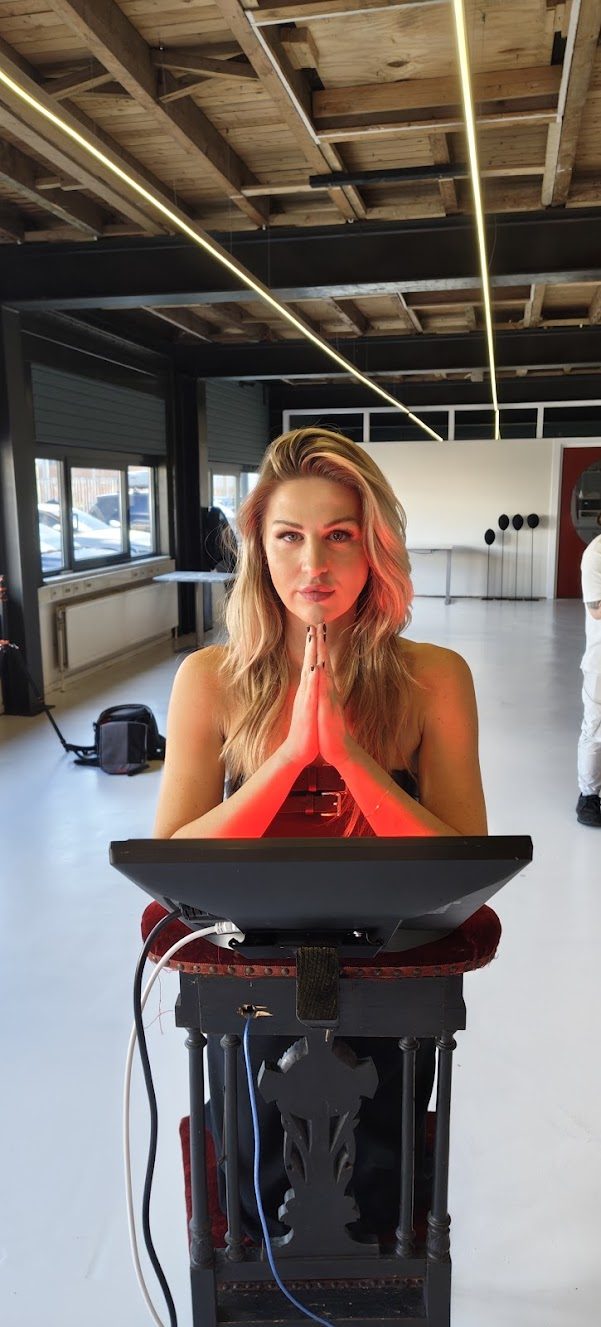
Ora et Labora literally puts you on your knees: settle onto an old prie-dieu, type your profession into the screen, and watch an AI unravel which tasks your role could soon surrender to machines. The irony of a hymn to labour that simultaneously predicts your own redundancy renders the experience both playful and unsettling.
The installation magnifies our rising faith in technology and its impact on work and self-worth. As the system dissects your career, it forces you to ask: what remains of our identity when algorithms take the helm?
- Type
- Interactive installation
- Shown at
- Expo: Our Machine Mother, Artichoque Art Gallery, Maastricht, May 2025
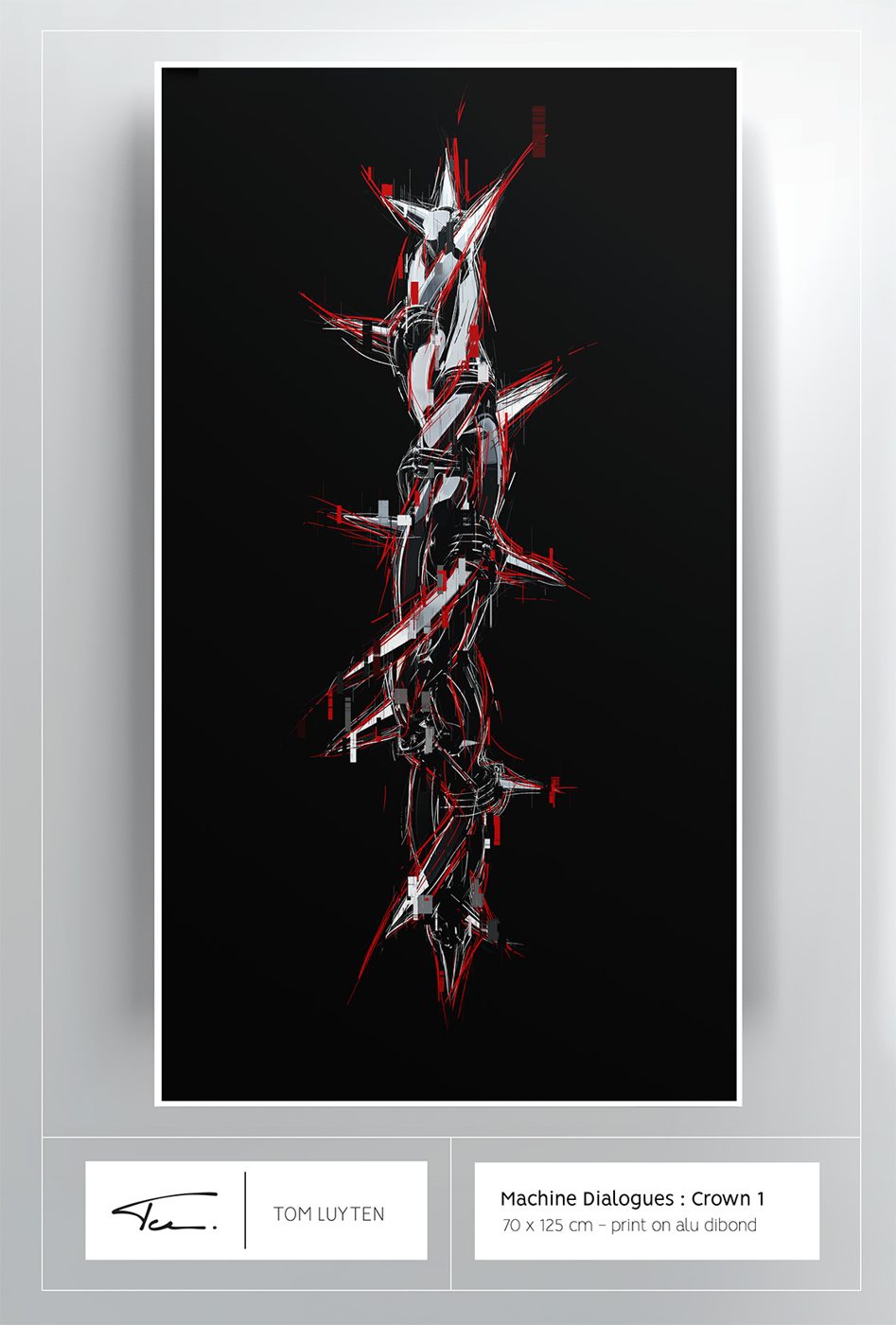
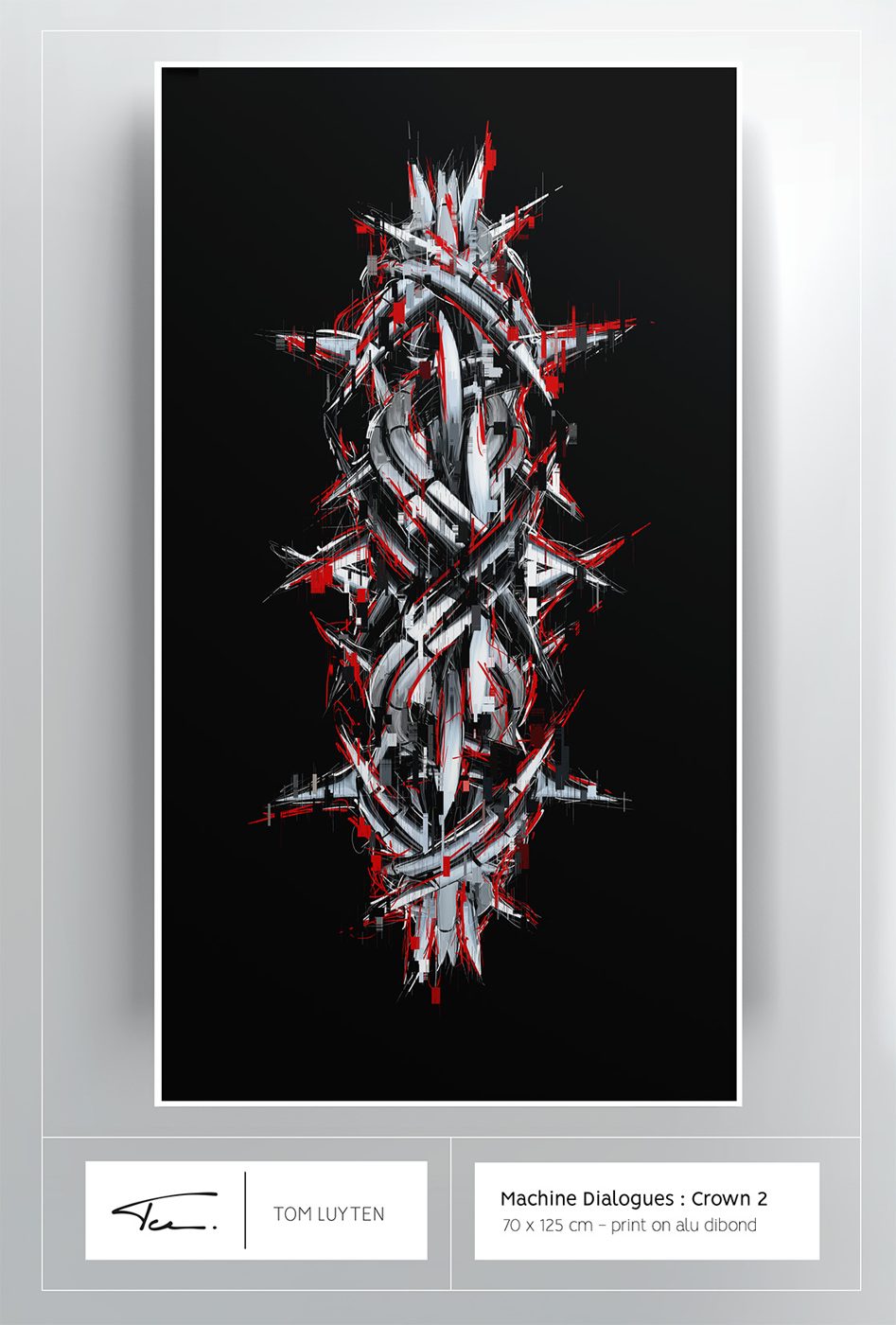 Machine dialogues: CrownsA glitched crown of thorns, in two versions.art007
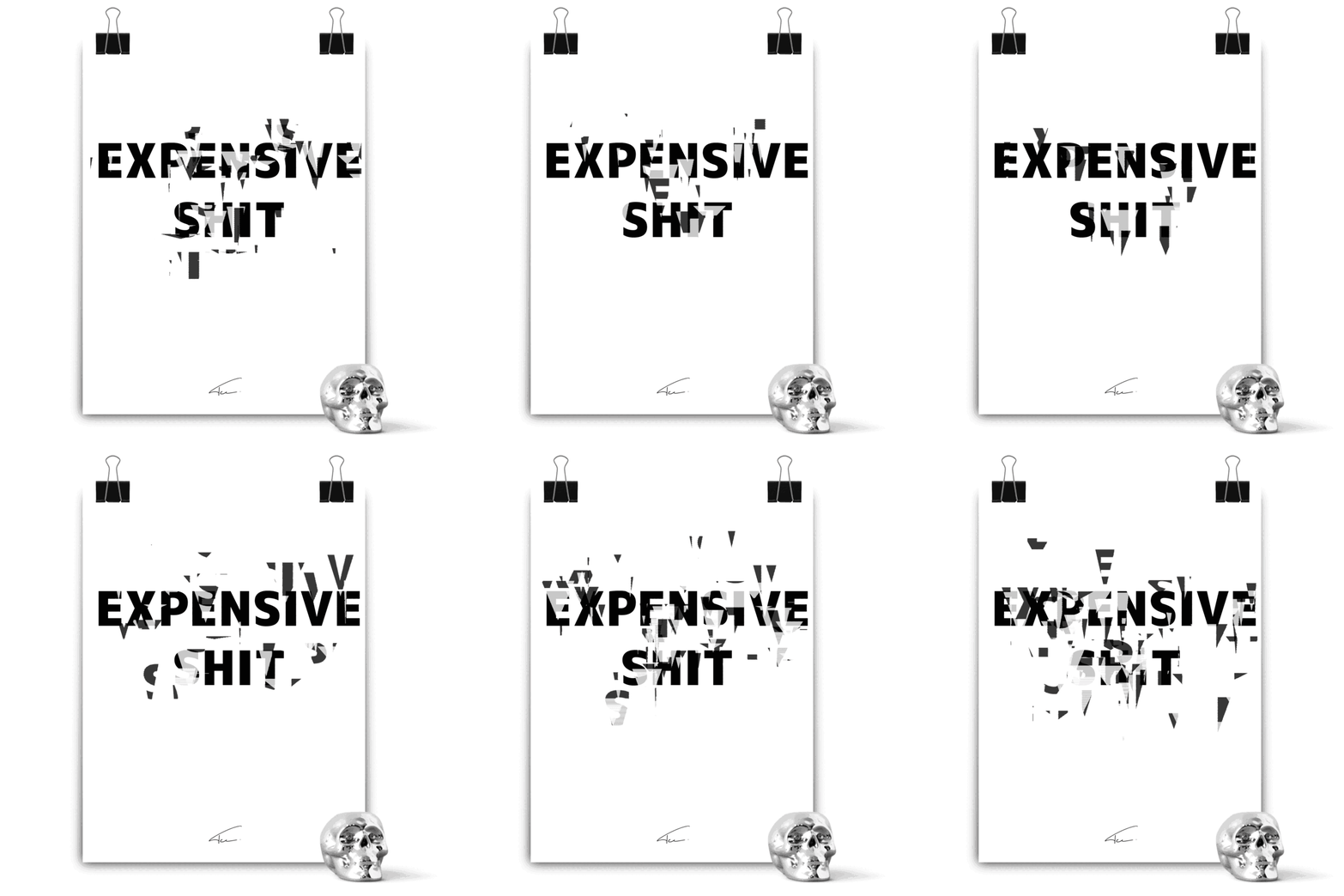
A single AI-generated base image served as the starting point for this work. After this digital raw diamond was cleaned up and rearranged into a new composition, hand-drawn lines and textures filled the gaps, forging a hybrid picture where mechanical perfection meets human spontaneity.
The result was then fed through custom glitch software that injected further disruptions and distortions. Order collides once more with chaos, giving the image a final, unpredictable layer. Crowns lays bare the ongoing dialogue between control and chance, algorithm and hand, inviting viewers to consider where authorship ends and new meaning begins to take shape.
Shown at the Our Machine Mother exhibition and sold through Artichoque Art Gallery, Maastricht.
- Type
- Print series
- Series
- Machine dialogues
- Works
- Crowns 1 and 2
- Medium
- Archival print on aluminium dibond, white aluminium frame
- Size
- 70 x 125 cm
- Gallery
- Artichoque, Maastricht
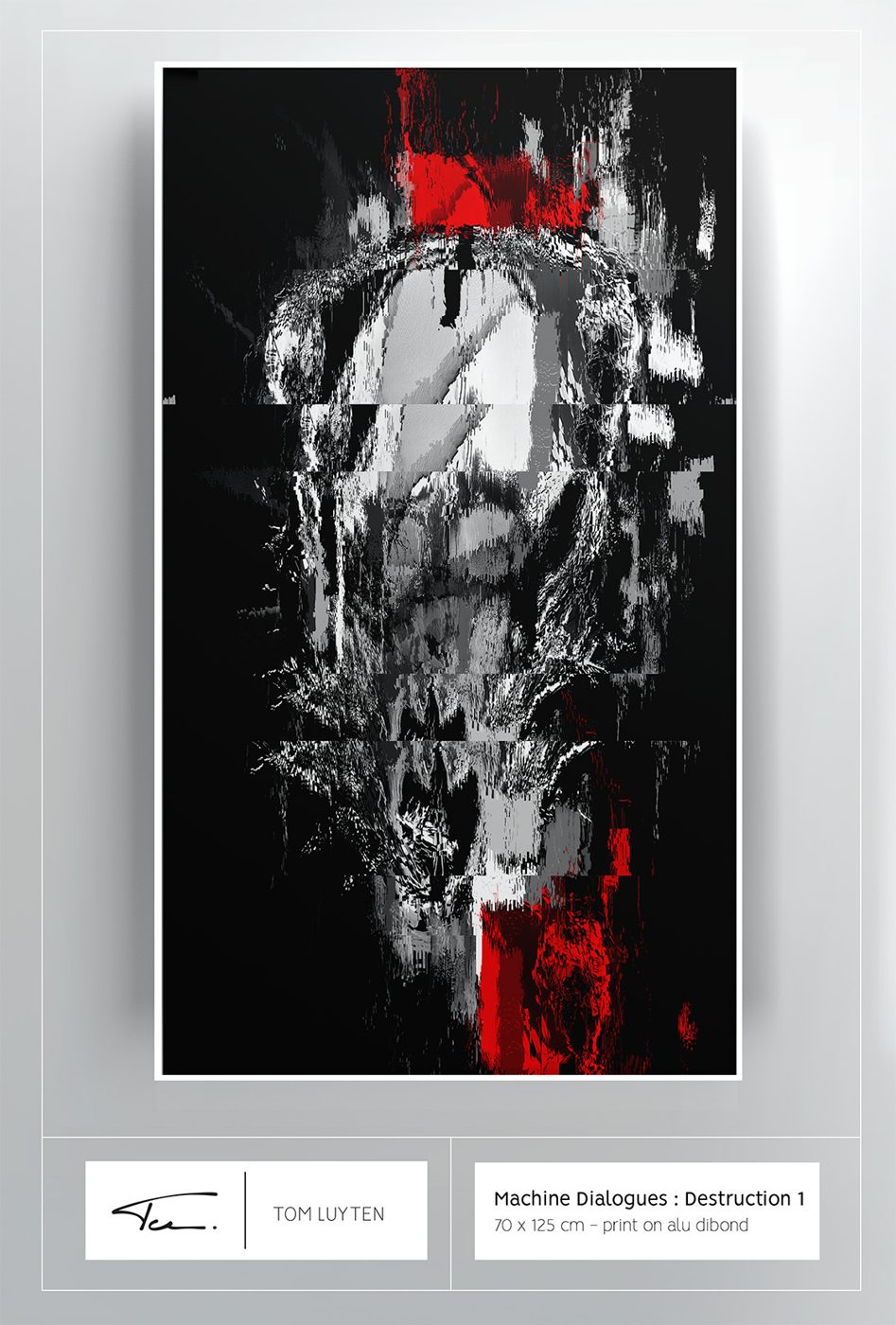
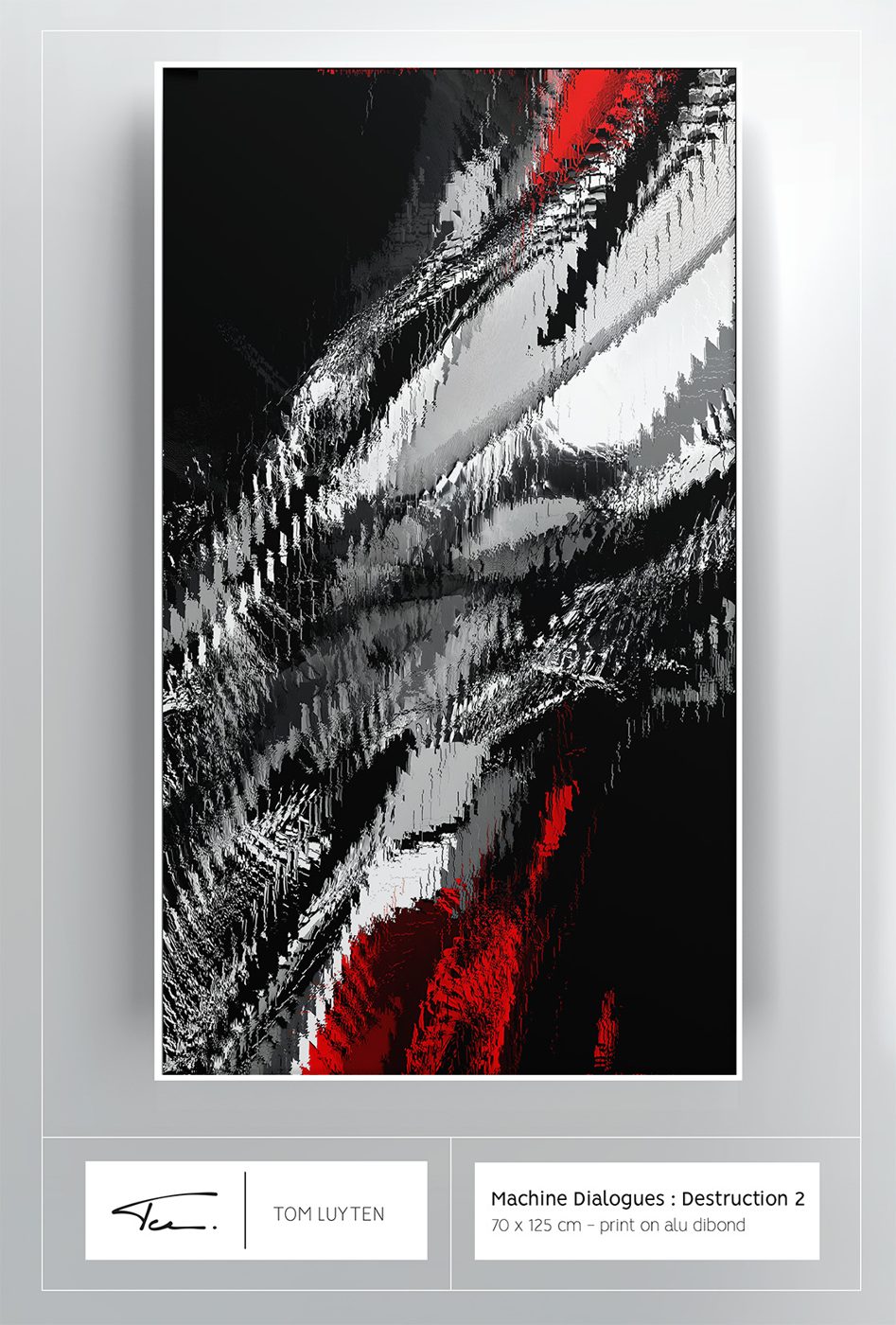 Machine dialogues: CrashGlitches in black, white and red, in two versions.art008
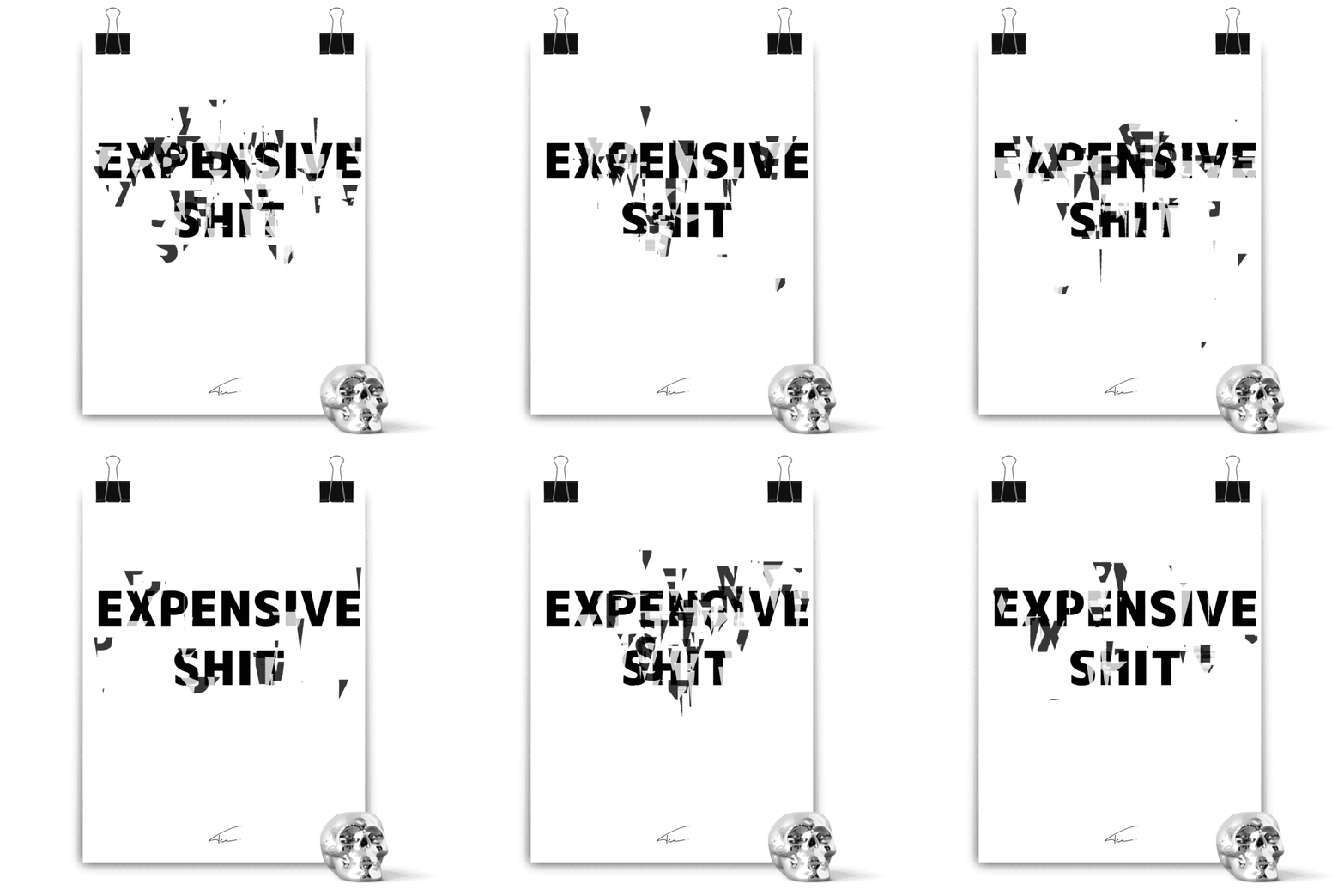
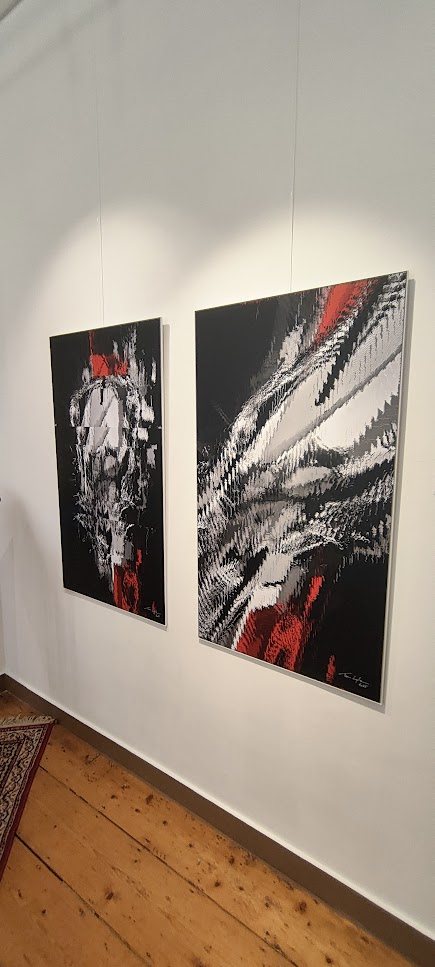
Two alu-dibond prints reveal a fragmented landscape of swirling colors and shapes. Within the collage, AI-generated imagery merges with hand-drawn lines, nuances, and textures—a collision of machine precision and human touch. Cracks, pixel trails, and distorted edges betray an aesthetic implosion that is as gripping as it is unsettling.
This final image emerged only after the “finished” piece was passed through custom glitch software and deliberately deformed. Crash thus exposes the tension between creation and destruction, control and surrender. It invites viewers to consider where authorship ends: when is an artwork complete, and when does it begin to disintegrate—or might that be the very moment when new meaning takes shape?
Shown at the Our Machine Mother exhibition and sold through Artichoque Art Gallery, Maastricht.
- Type
- Print series
- Series
- Machine dialogues
- Works
- Crash 1 and 2
- Medium
- Archival print on aluminium dibond, white aluminium frame
- Size
- 70 x 125 cm
- Gallery
- Artichoque, Maastricht
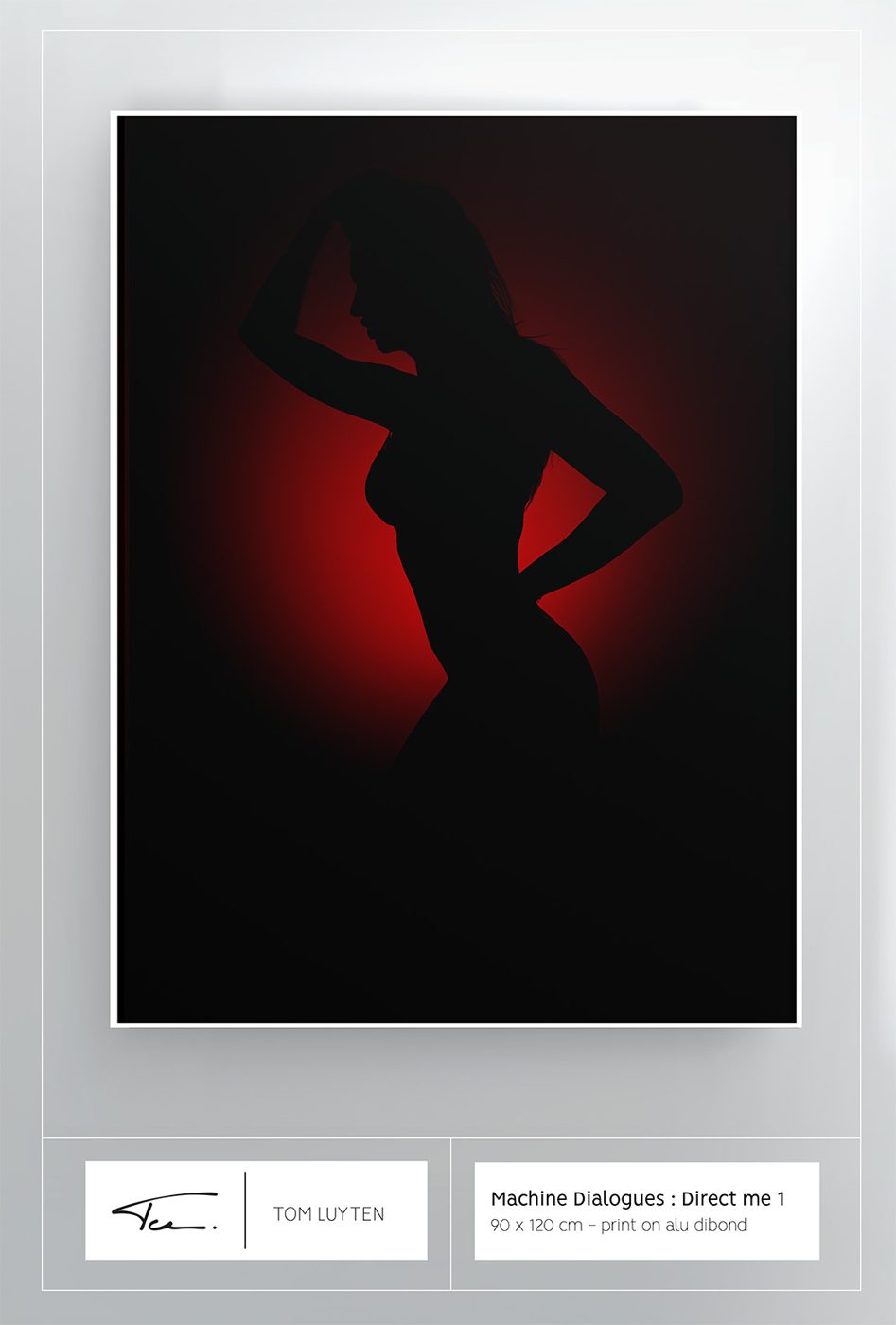
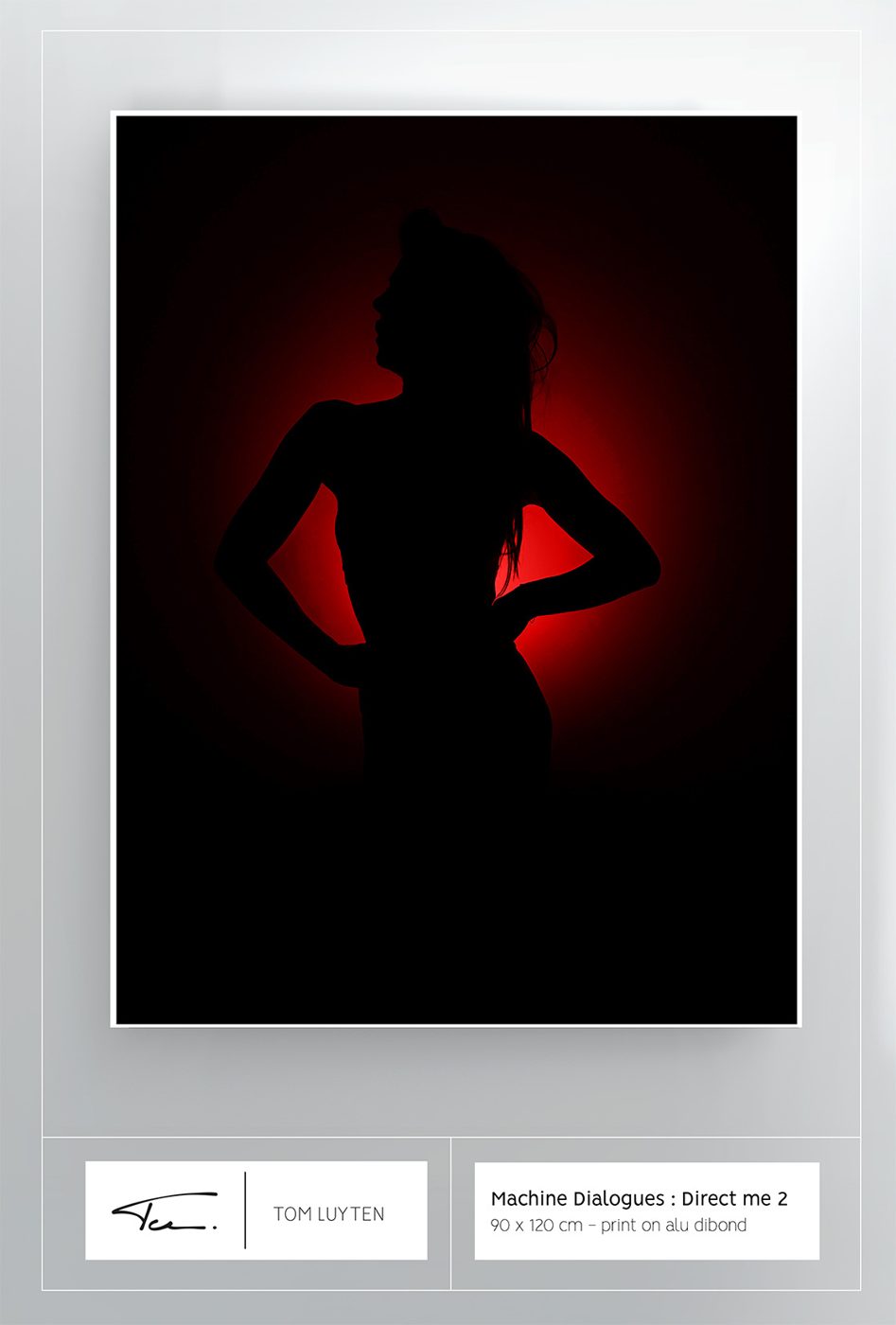 Machine dialogues: Direct meA silhouette against red light, in two versions.art009
A diptych presents the silhouette of a woman, delicately edged by a red-glowing light against an otherwise dark backdrop. The sparse illumination reveals only contours; body and shadow merge into a quiet image that echoes the moody aesthetic of Machine Mother.
The unseen director is an AI chatbot, specially trained to guide the model step by step in pose, framing, and lighting. The photographer served merely as facilitator while the algorithm made the artistic decisions. The work questions the boundaries of authorship and control—where does human creativity end and the machine’s begin?
Shown at the Our Machine Mother exhibition and sold through Artichoque Art Gallery, Maastricht.
- Type
- Print series
- Series
- Machine dialogues
- Works
- Direct me 1 and 2
- Medium
- Archival print on aluminium dibond, white aluminium frame
- Size
- 90 x 120 cm
- Gallery
- Artichoque, Maastricht
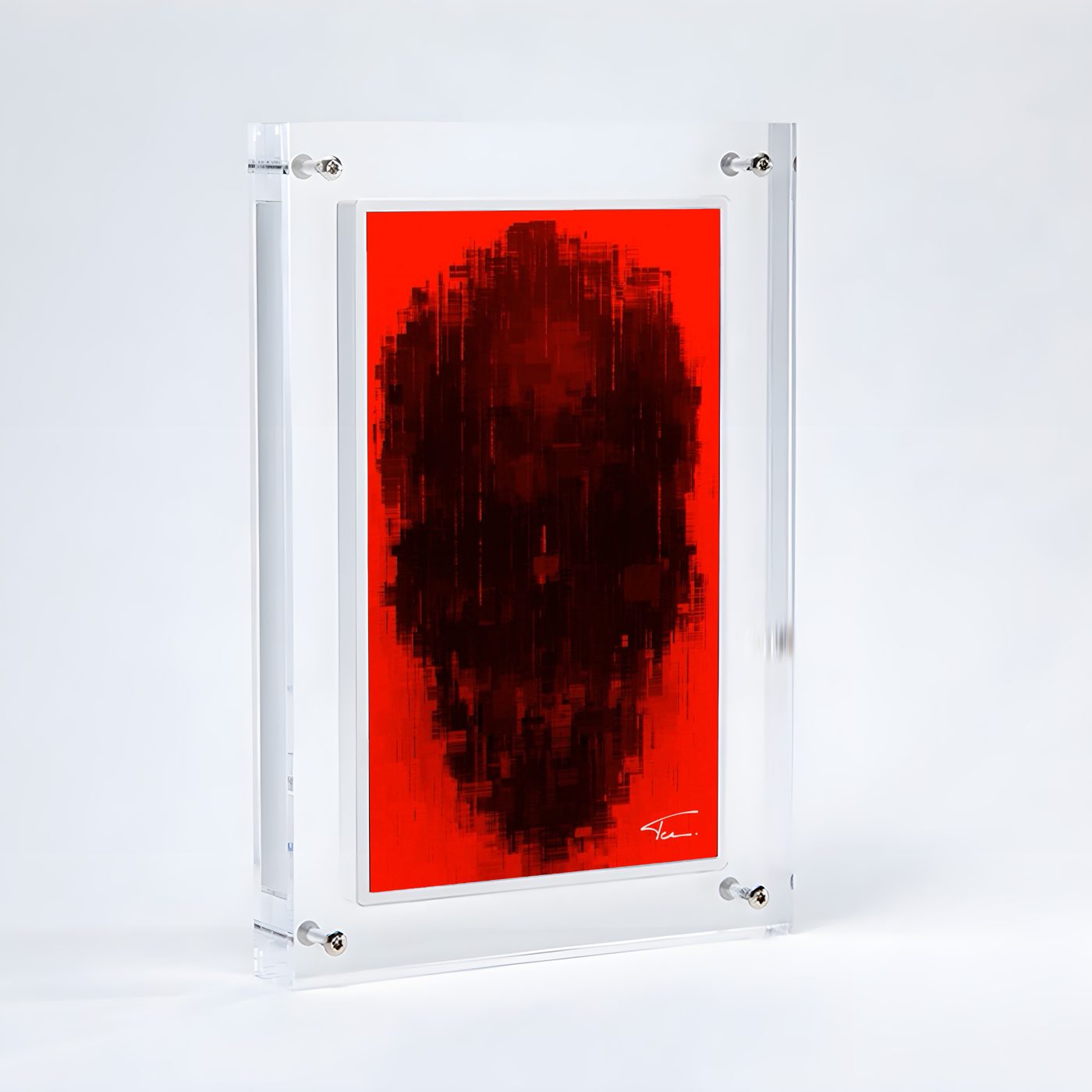
- Moving Machines: SkullAnimated glitch skulls in acrylic blocks.art010
Moving Machines: Skulls features a translucent acrylic block housing a screen that animates a perpetually morphing skull. Glitches sweep across the image, dissolve, and reappear, causing the form to momentarily blur into a fluid, surreal haze. The animation is generated with custom software developed by Tom Luyten.
Shown at the Our Machine Mother exhibition and sold through Artichoque Art Gallery, Maastricht.
- Type
- Digital animation
- Series
- Moving Machines
- Works
- Skull 1, 2 and 3
- Medium
- Digital animation in acrylic block
- Size
- 27.6 x 20.6 cm
- Gallery
- Artichoque, Maastricht
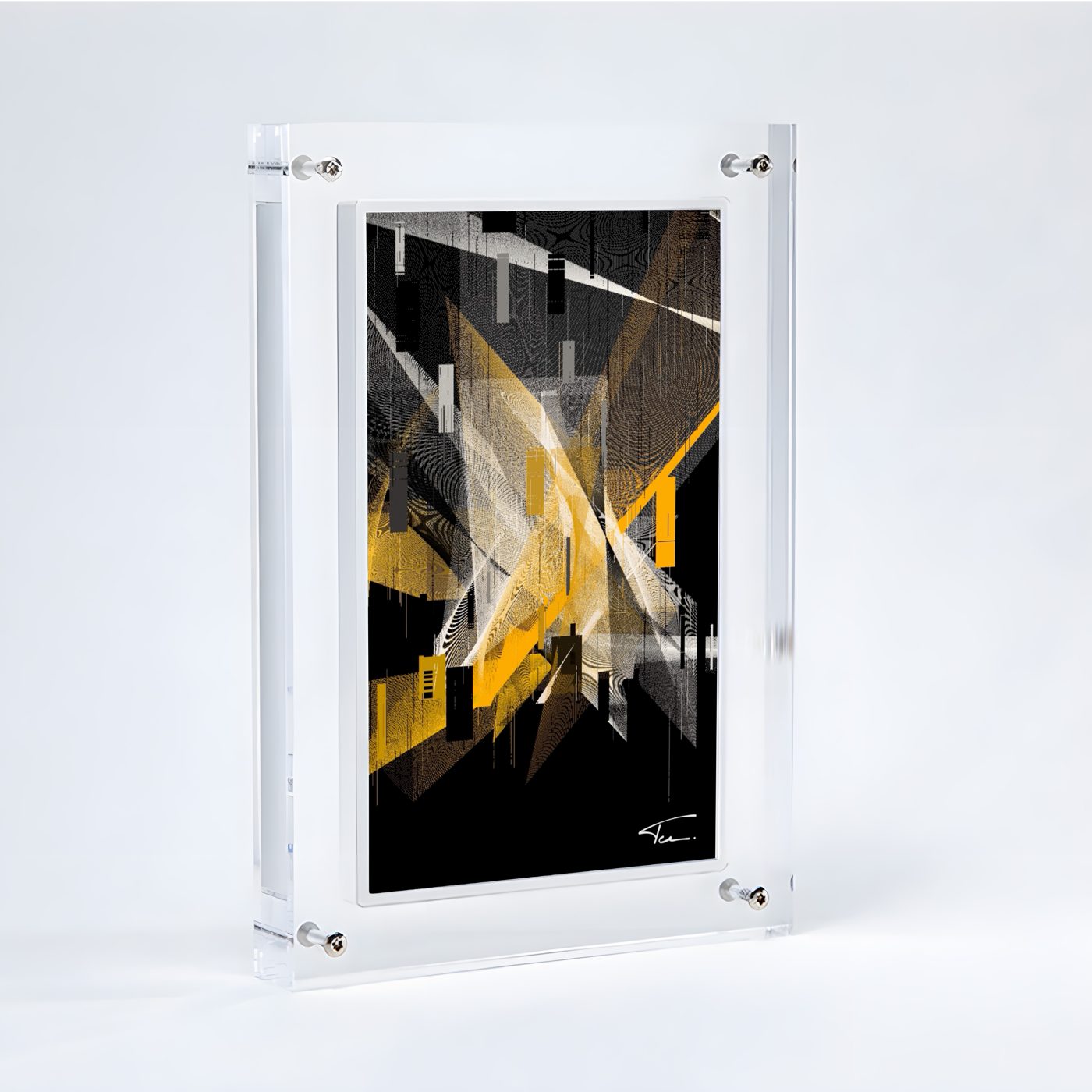
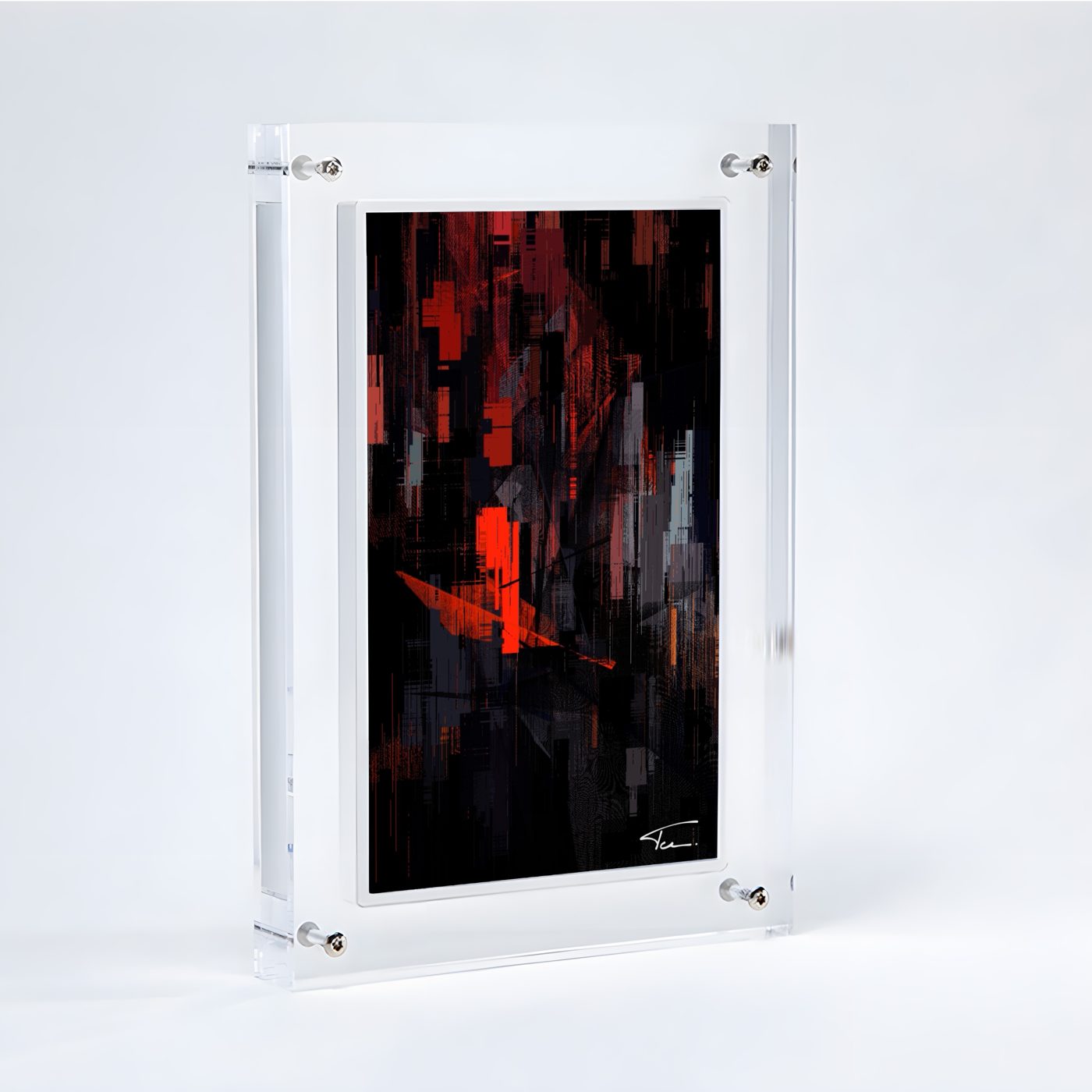
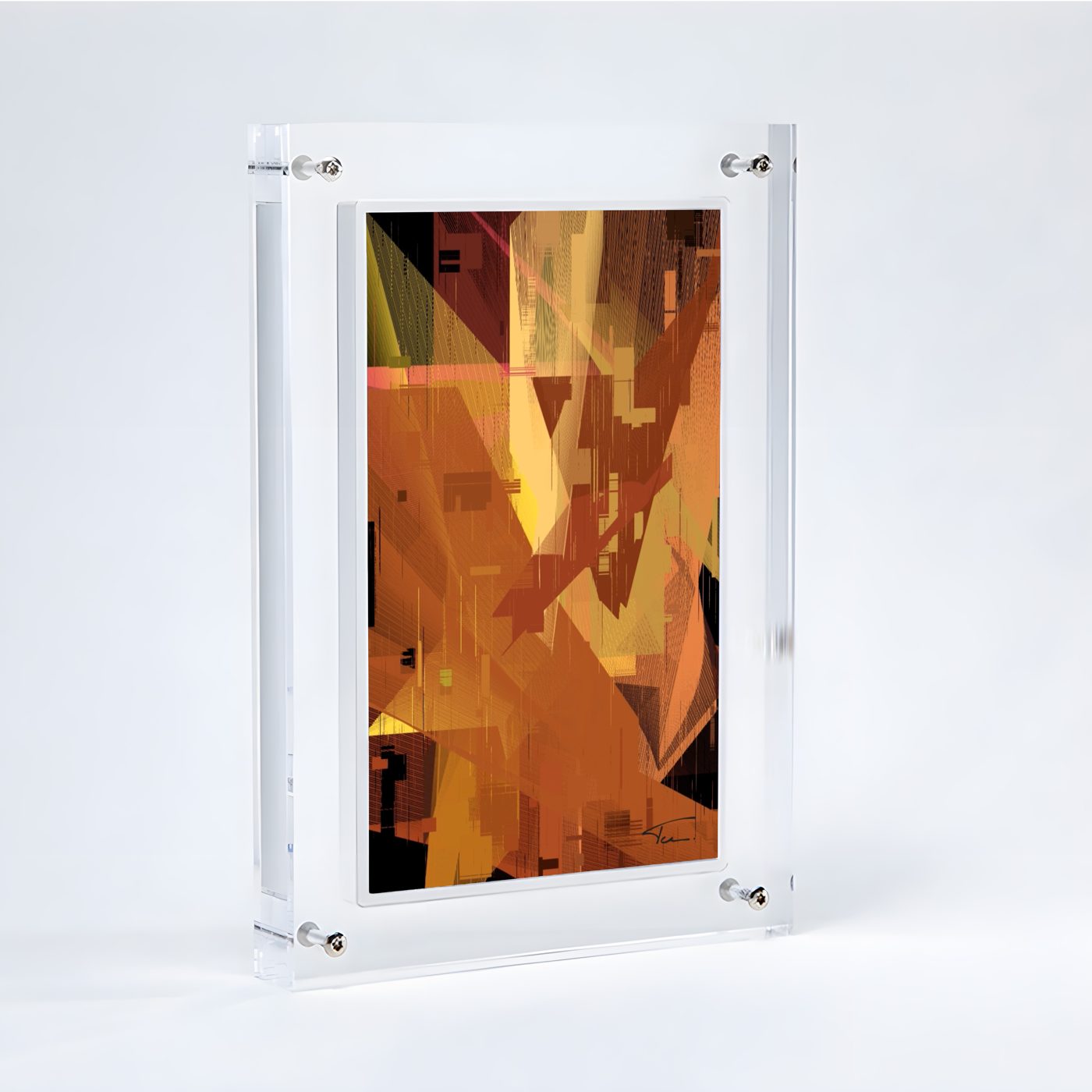
- Moving Machines: CanvasAnimated glitch canvases in acrylic blocks.art011
Moving Machines: Canvas features a translucent acrylic block containing a screen that stages a choreography of lines and planes. Lines whirl and dance as glitches sweep across the image, dissolve, and return, causing shapes to emerge and vanish. The animation is generated with custom software developed by Tom Luyten.
Shown at the Our Machine Mother exhibition and sold through Artichoque Art Gallery, Maastricht.
- Type
- Digital animation
- Series
- Moving Machines
- Works
- Canvas 1, 2 and 3
- Medium
- Digital animation in acrylic block
- Size
- 27.6 x 20.6 cm
- Gallery
- Artichoque, Maastricht
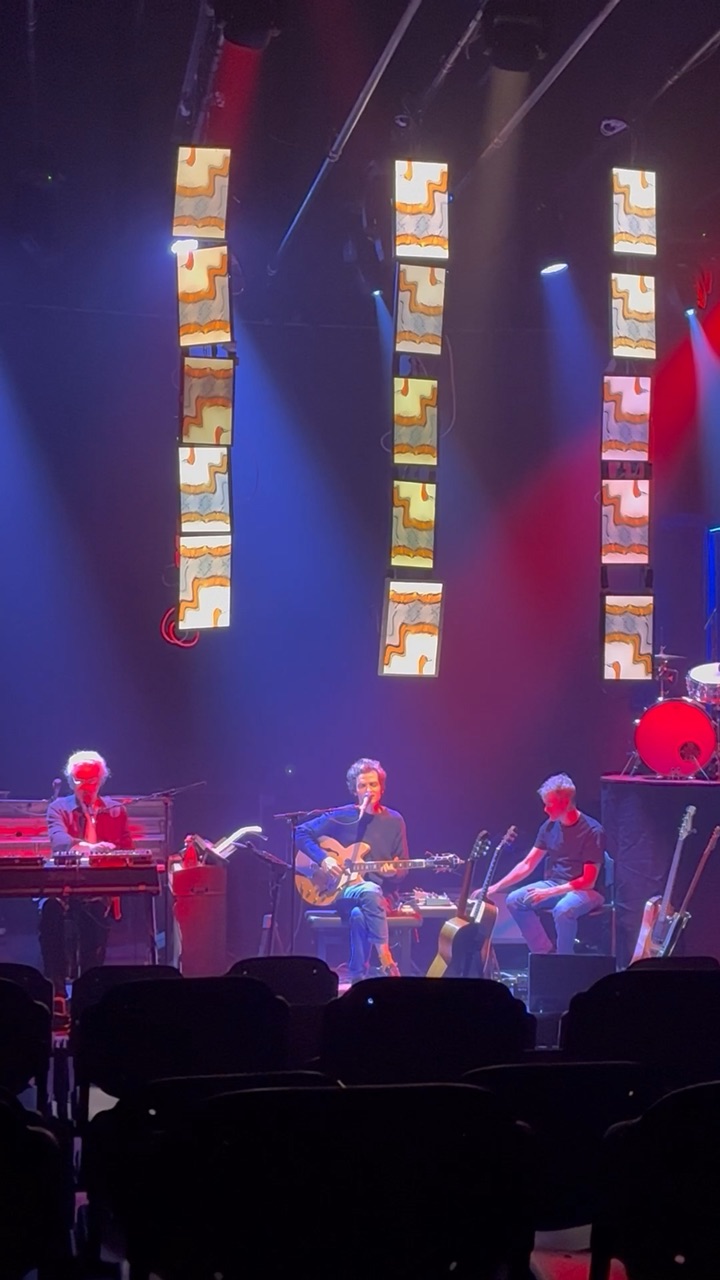
- 20243730 sessiesDe Statie: a concert about the lost Hoeselt station.art012
The 3730 sessions invite local artists to work together on a joint concept. I worked with the band Messidor and the local rigger REK to build "De Statie": a concert with music and live visuals that tells the story of the now disappeared Hoeselt station throughout an immersive hour-long show.
- Type
- Concert, live visuals
- Where
- CC Hoeselt and CC Bilzen
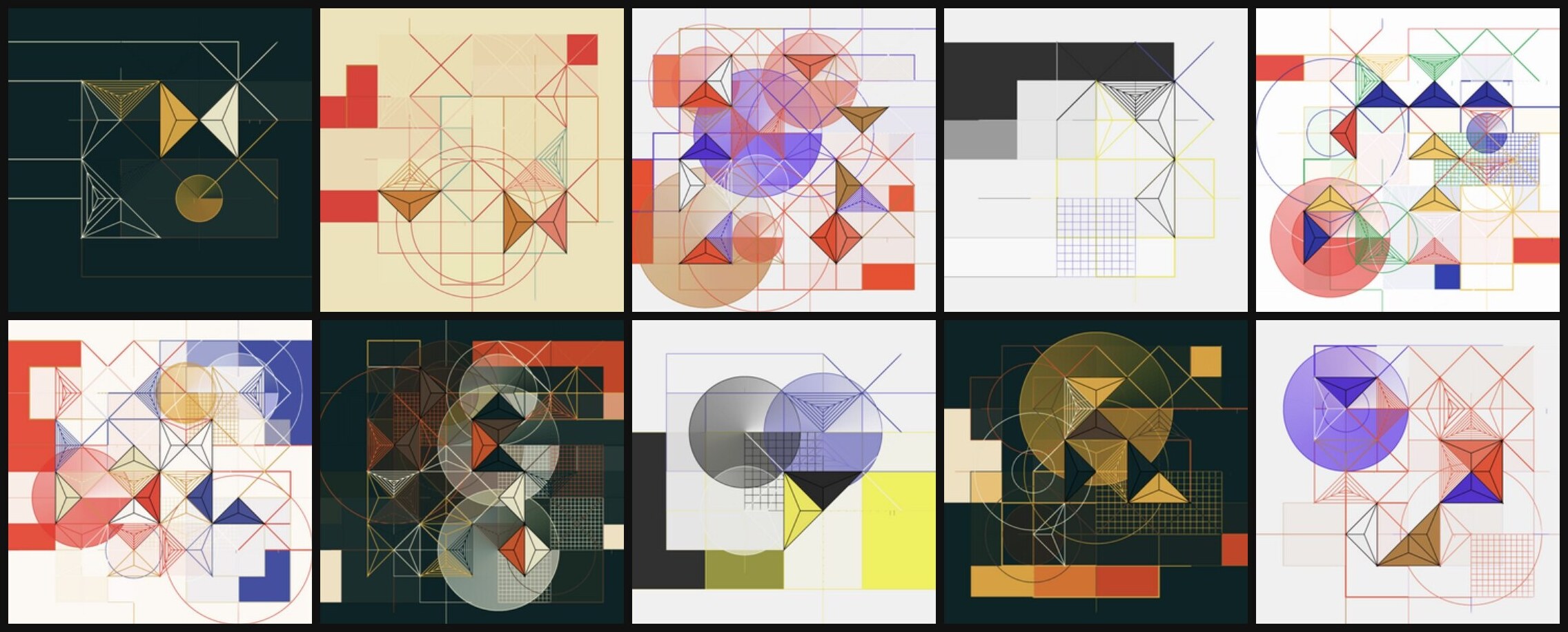
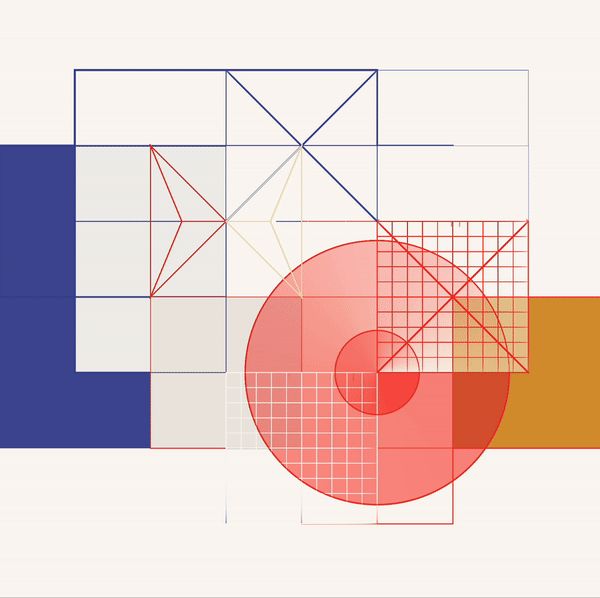
- 2023Machine 13: Blueprints (NFT)Generative series, drawn like technical plans.art013
Machine 13 draws its outputs as blueprints: construction drawings for objects that do not exist.
Abstract geometric compositions in the style of vintage blueprints. Each mint keeps producing new variations from its own starting parameters, in 15 colour schemes.
- Type
- Generative art
- Platform
- fxhash, April 2022, 125 editions
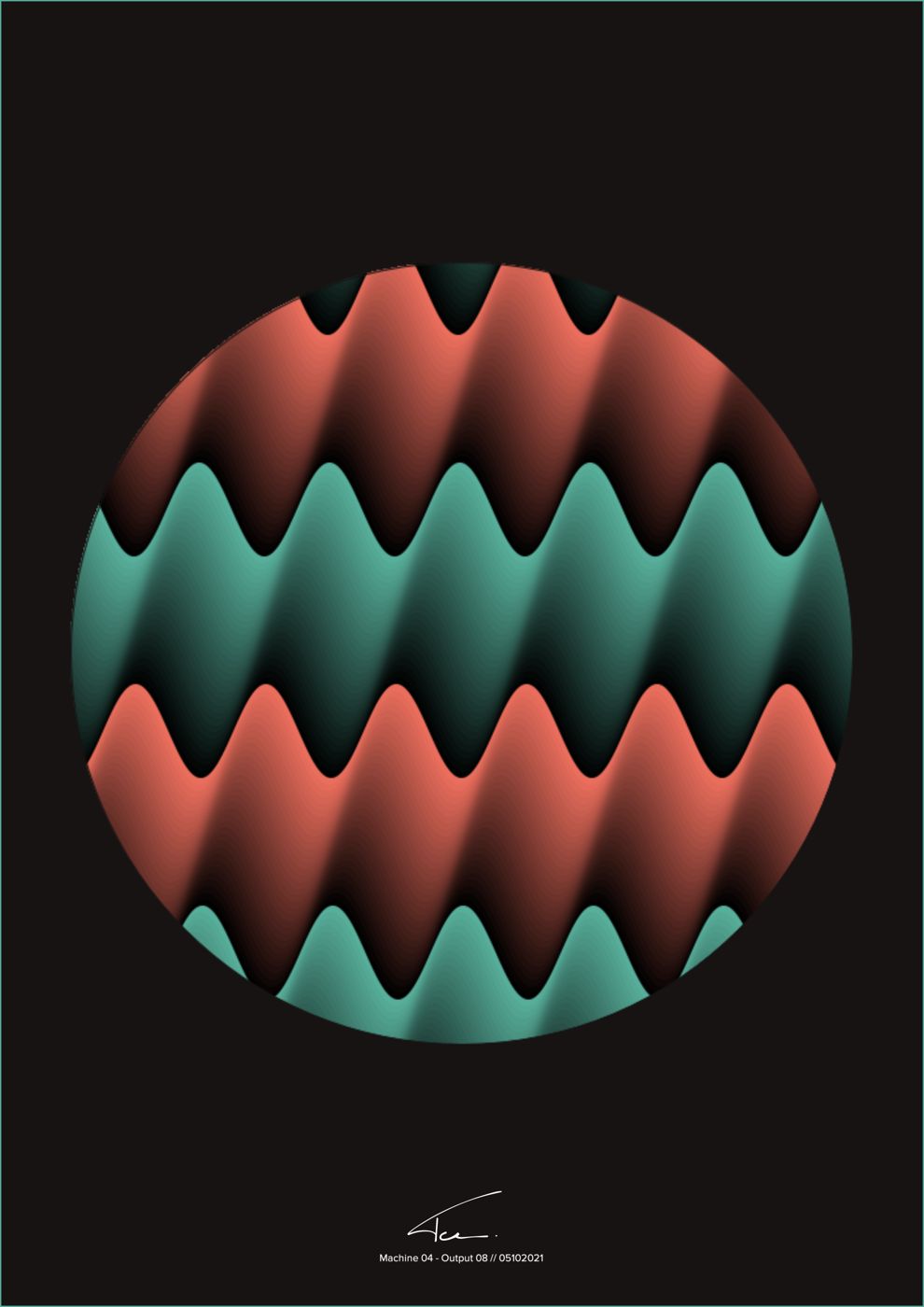
 Machine 4 (print)Waves in a circle, acquired for the art archive of Rijkswaterstaat.art014
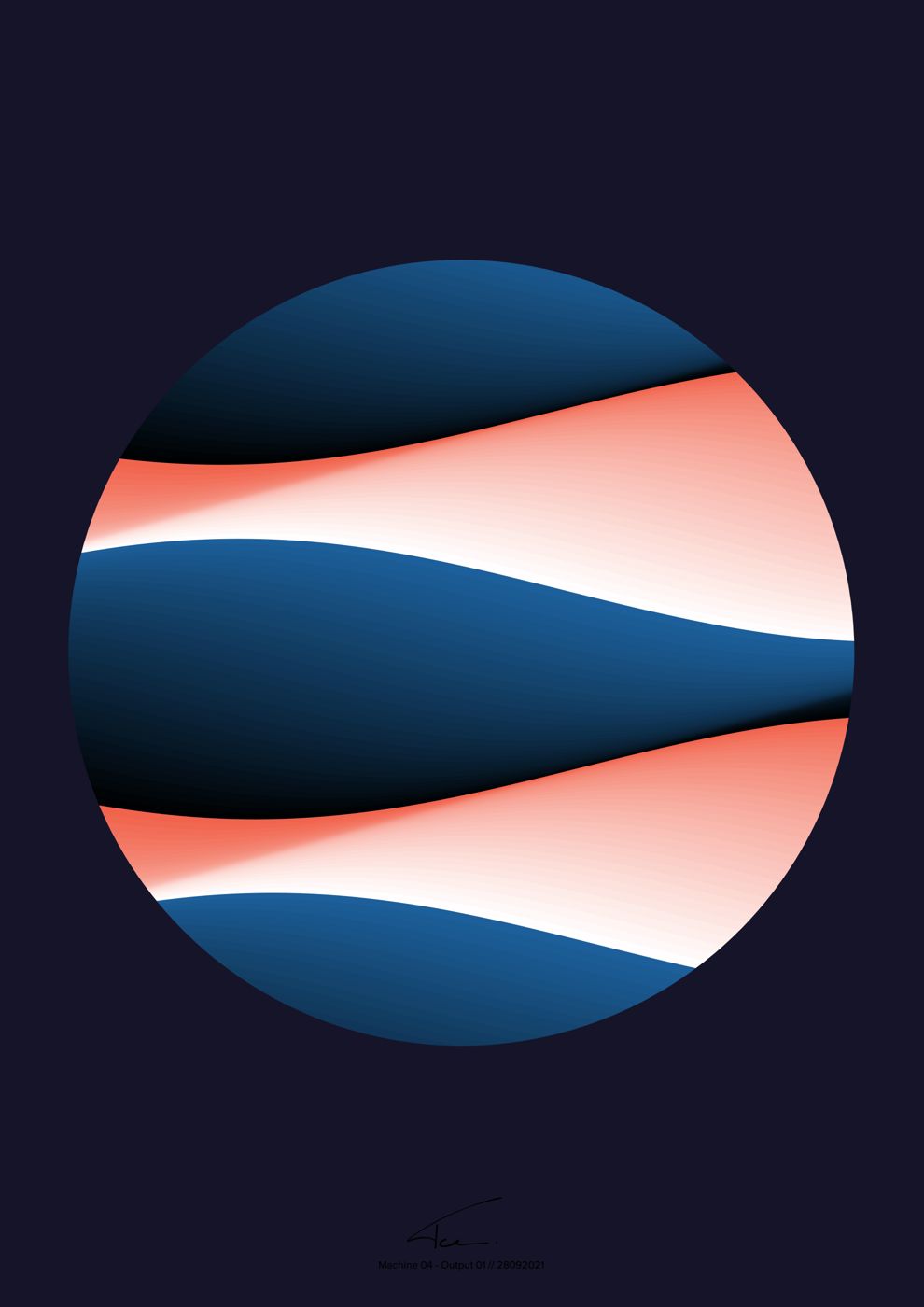
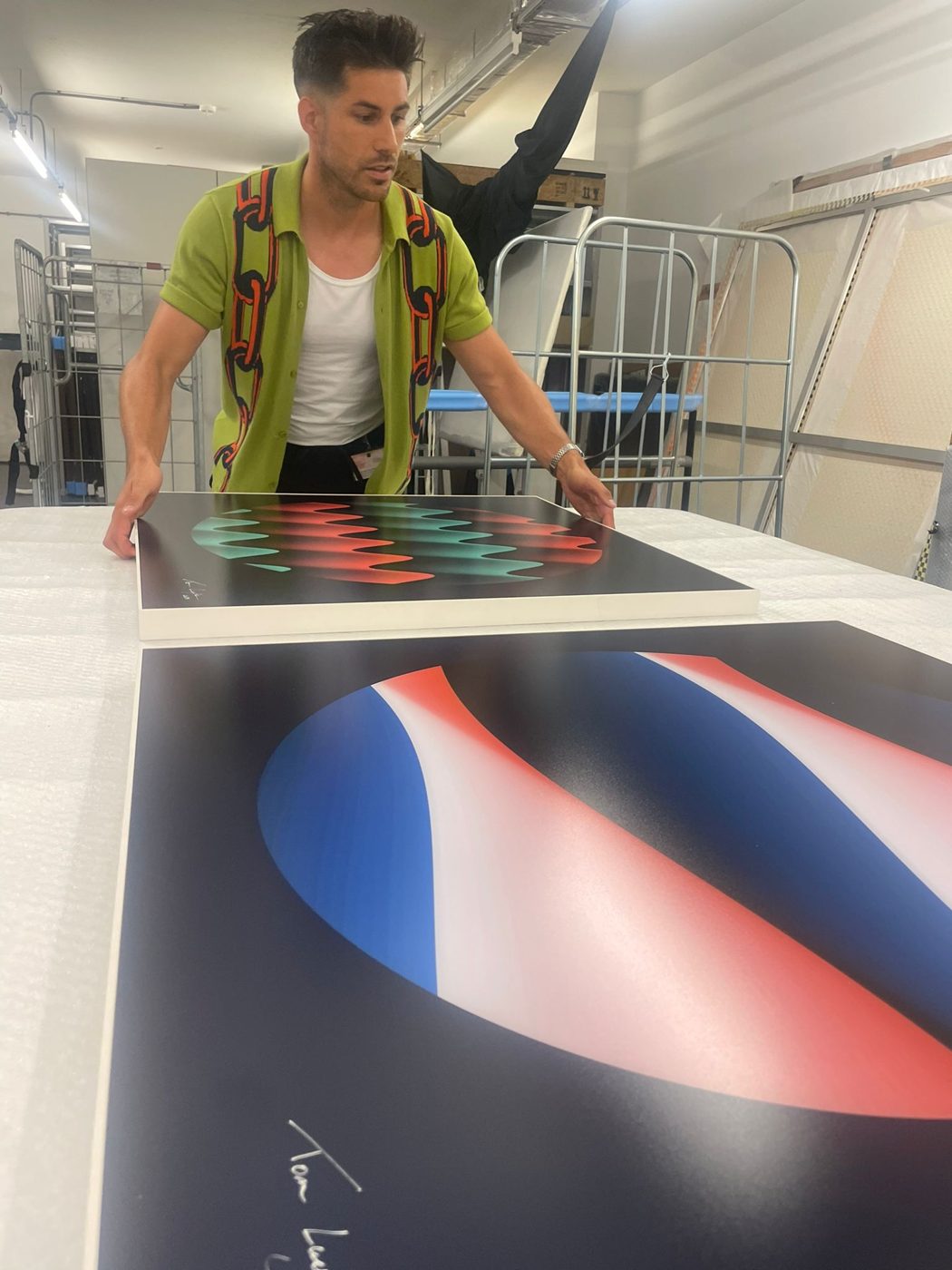
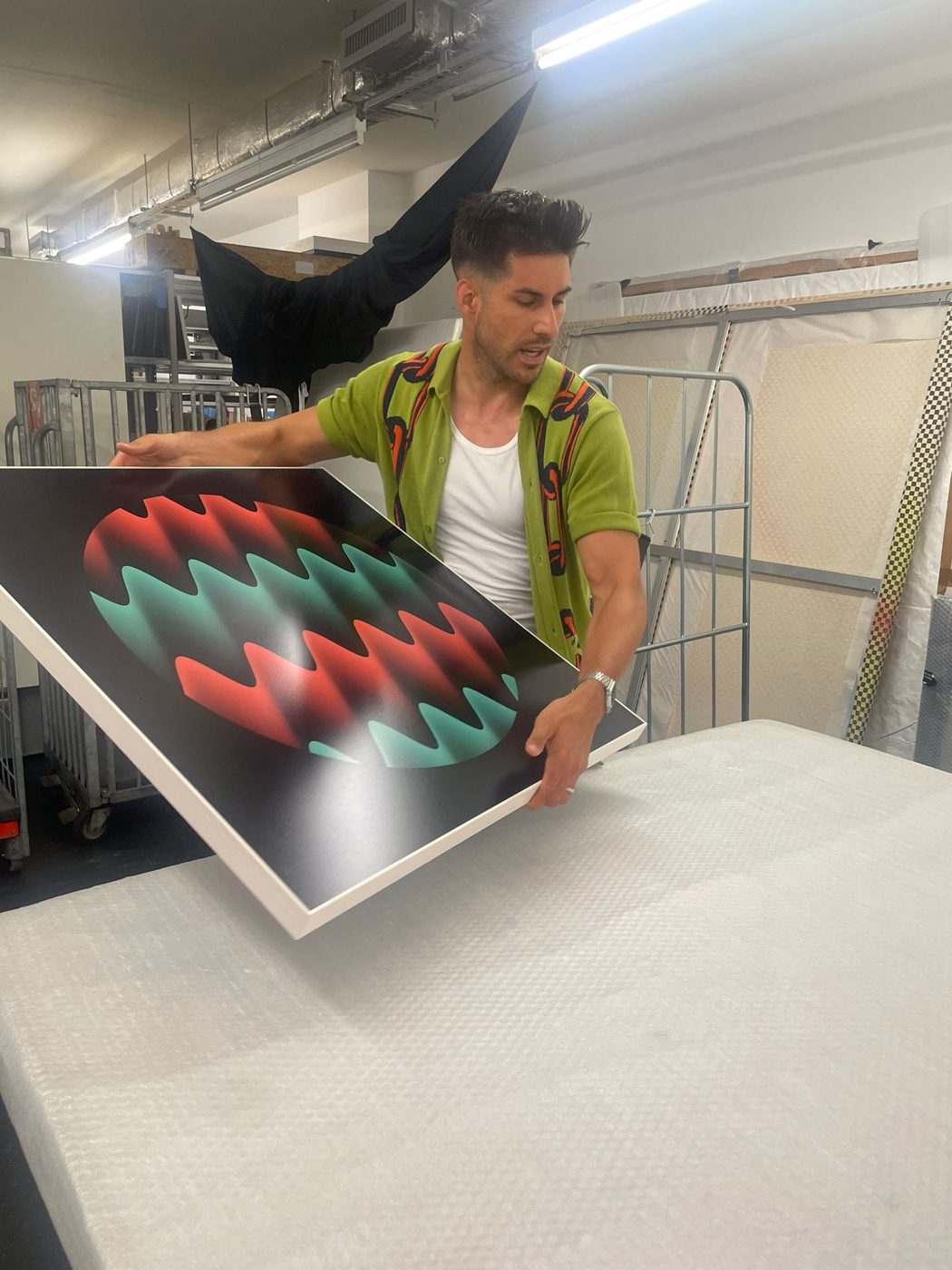
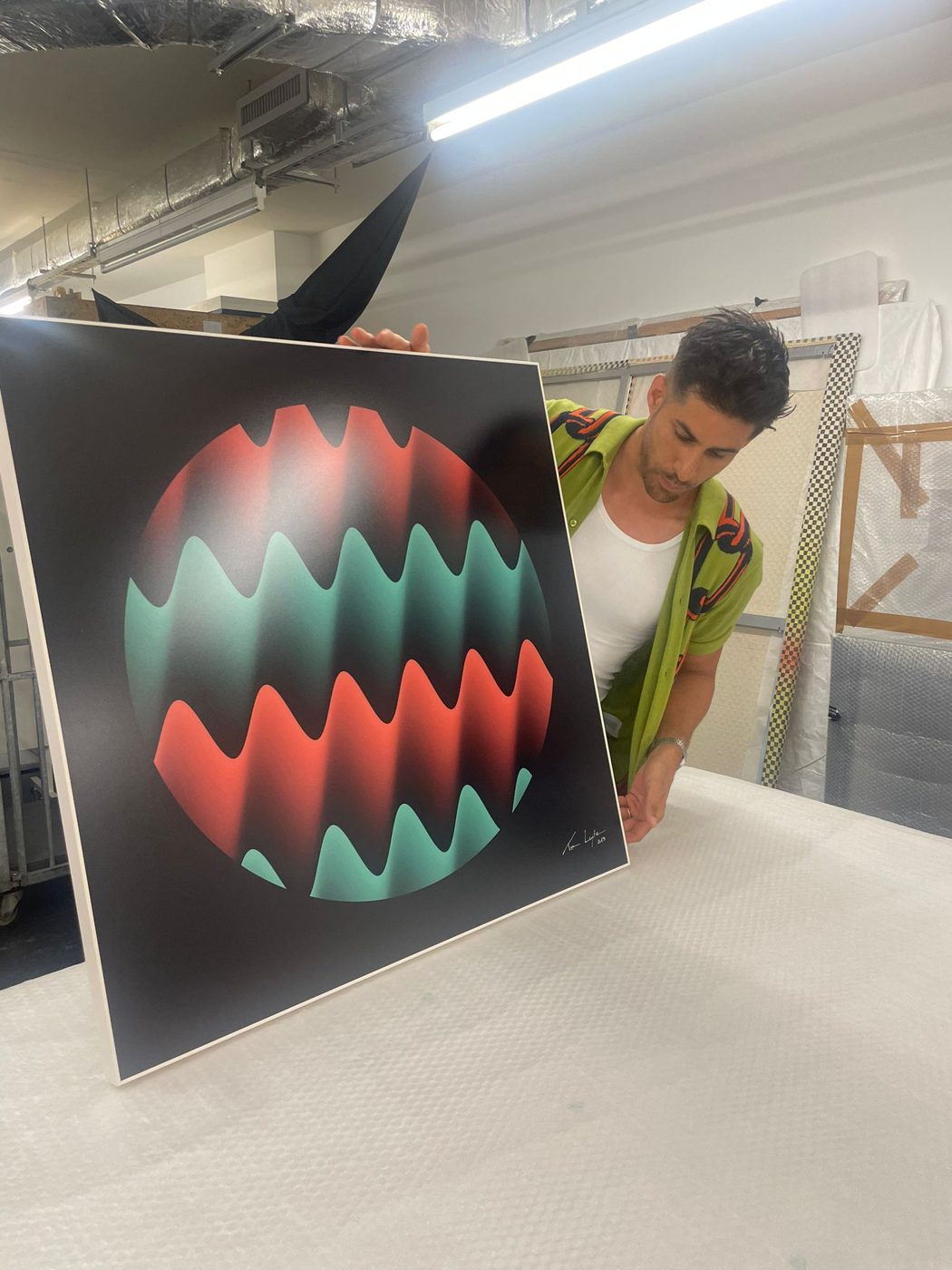
Machine 4 draws waves inside a circle: layer upon layer of generated lines that rise, fold and settle, like water held within a single frame.
The work was acquired for the art archive of Rijkswaterstaat, the Dutch agency that manages the country's water, dikes and waterways. For an organisation whose daily work is keeping the water in check, a machine that keeps waves contained in a circle found a fitting home.
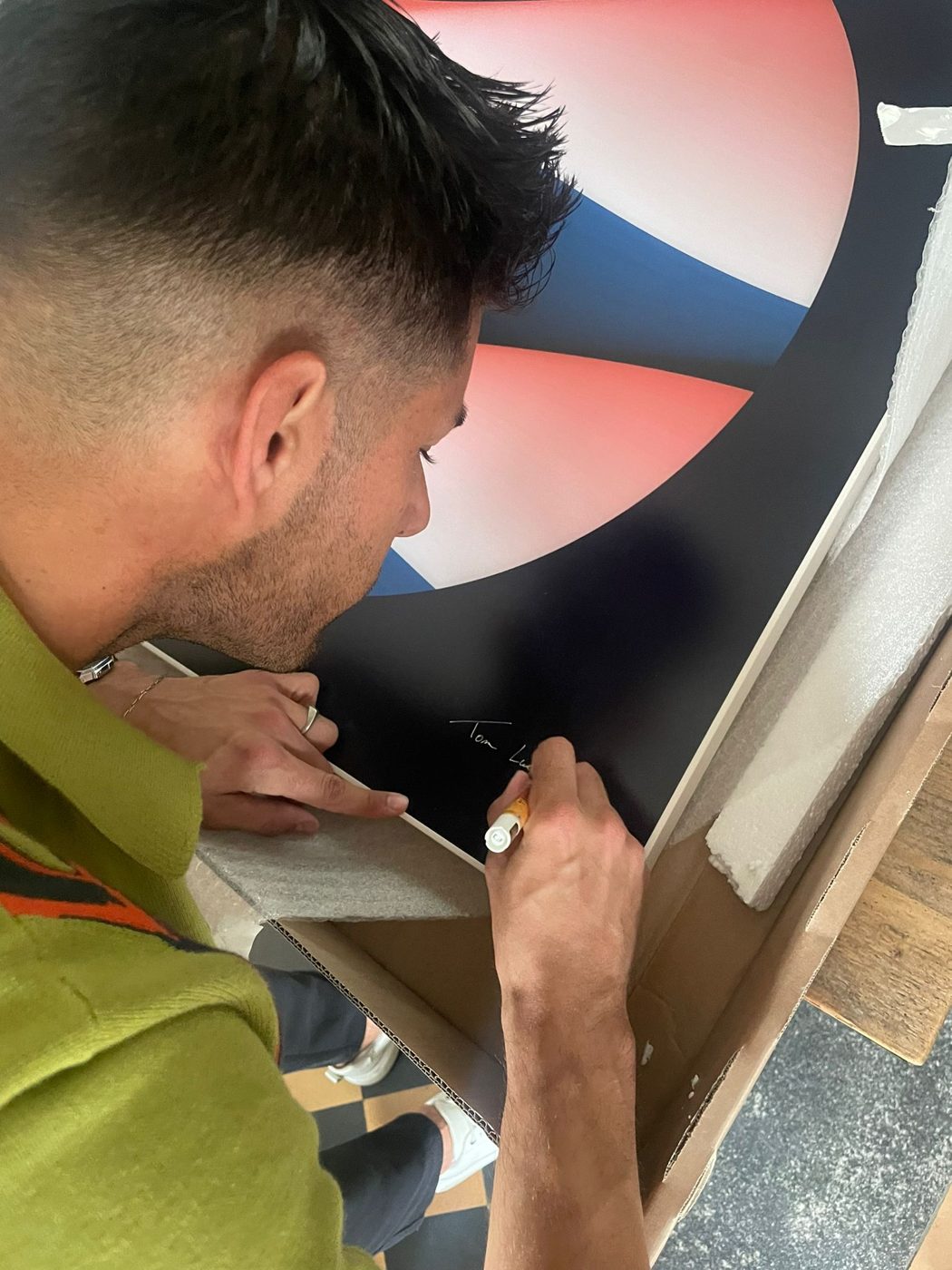
In June 2023 the large-format prints were signed, framed in white and handed over to the archive.
- Type
- Generative art
- Series
- Machines 1 to 15
- Collection
- Art archive of Rijkswaterstaat
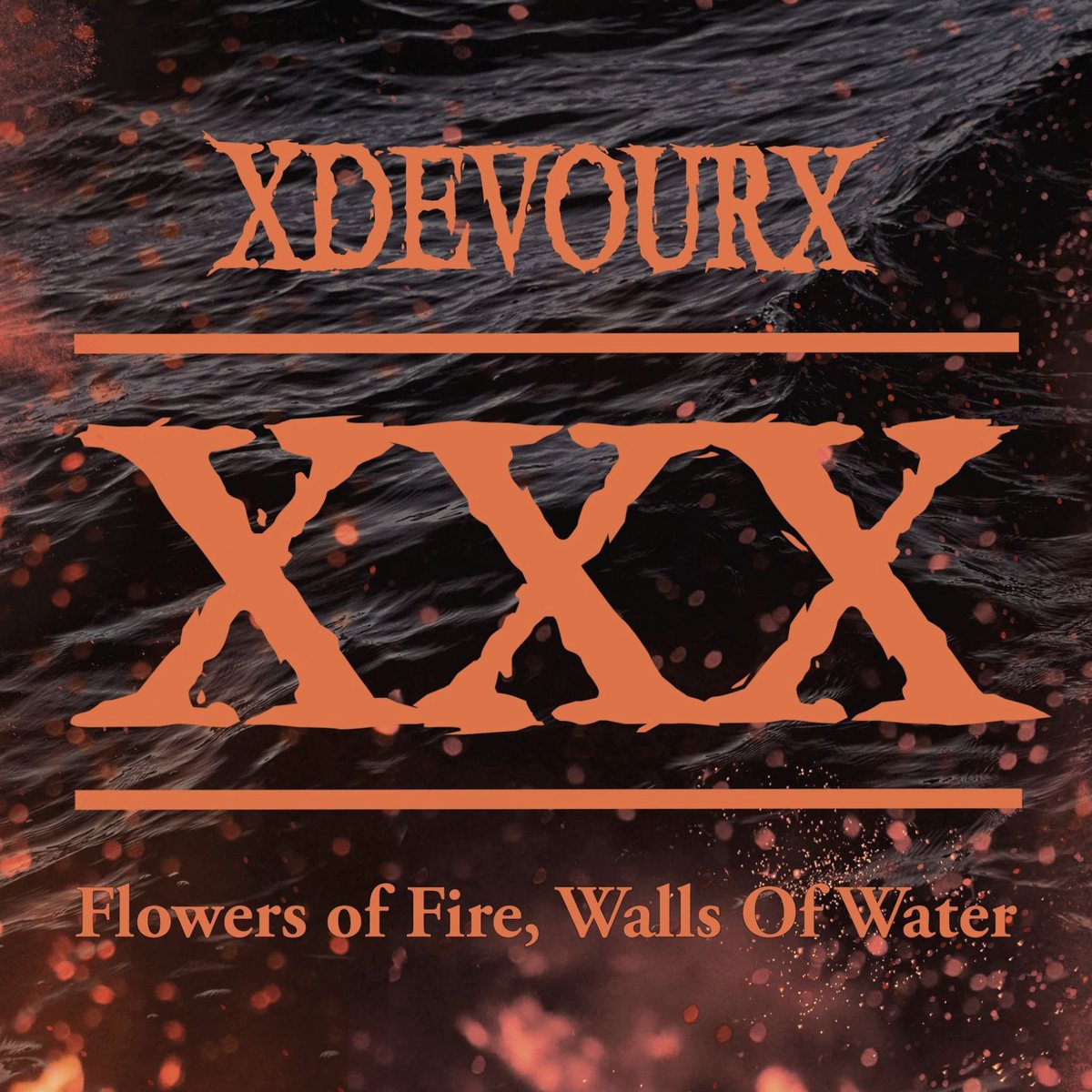 Devour, XXX: Flowers Of Fire, Walls Of WaterxDEVOURx returns with a new release.music015
XXX: Flowers Of Fire, Walls Of Water, a new xDEVOURx release from 2023.
- Type
- Release
- Band
- xDEVOURx
- Role
- Vocals
- Style
- Metalcore, hardcore
- 2022
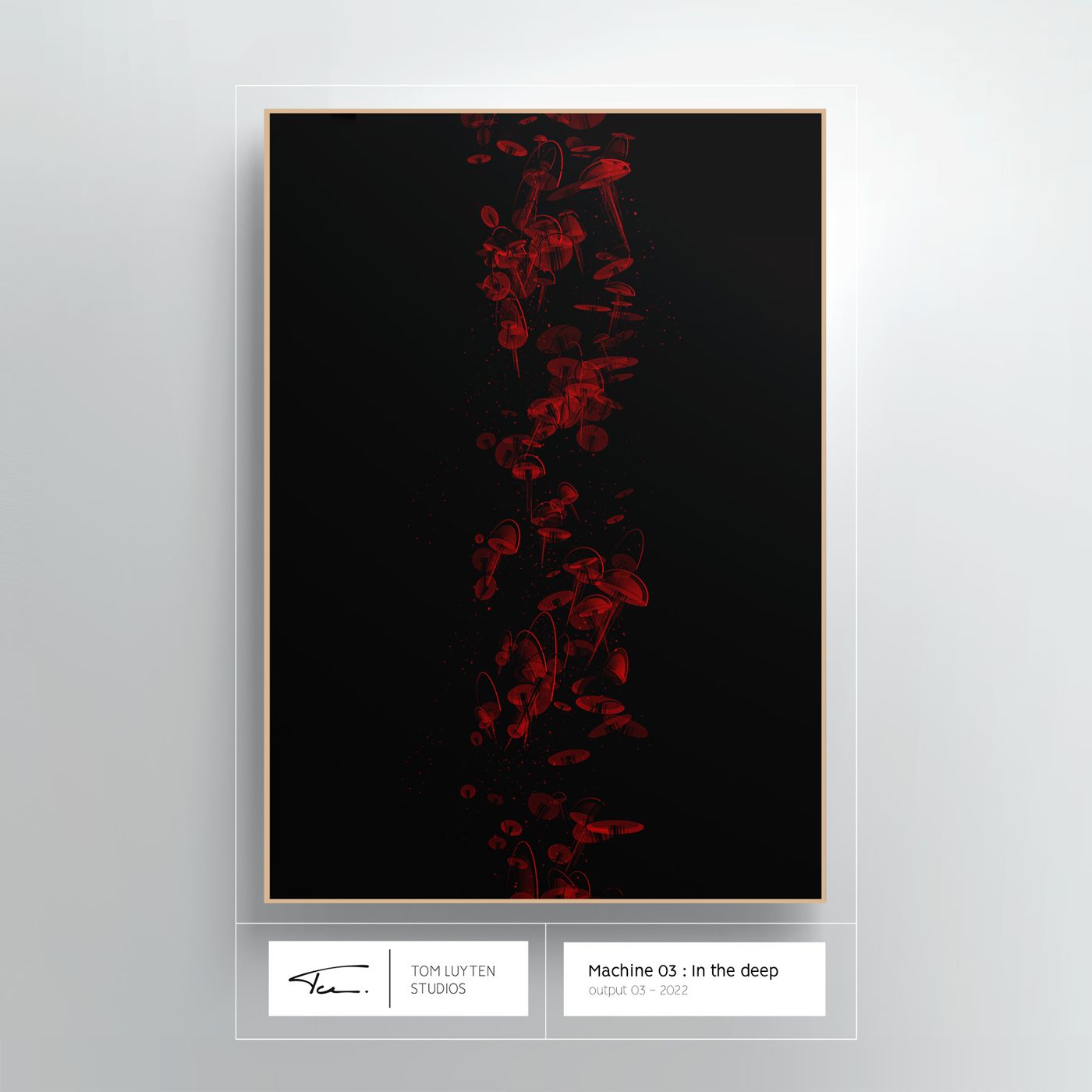
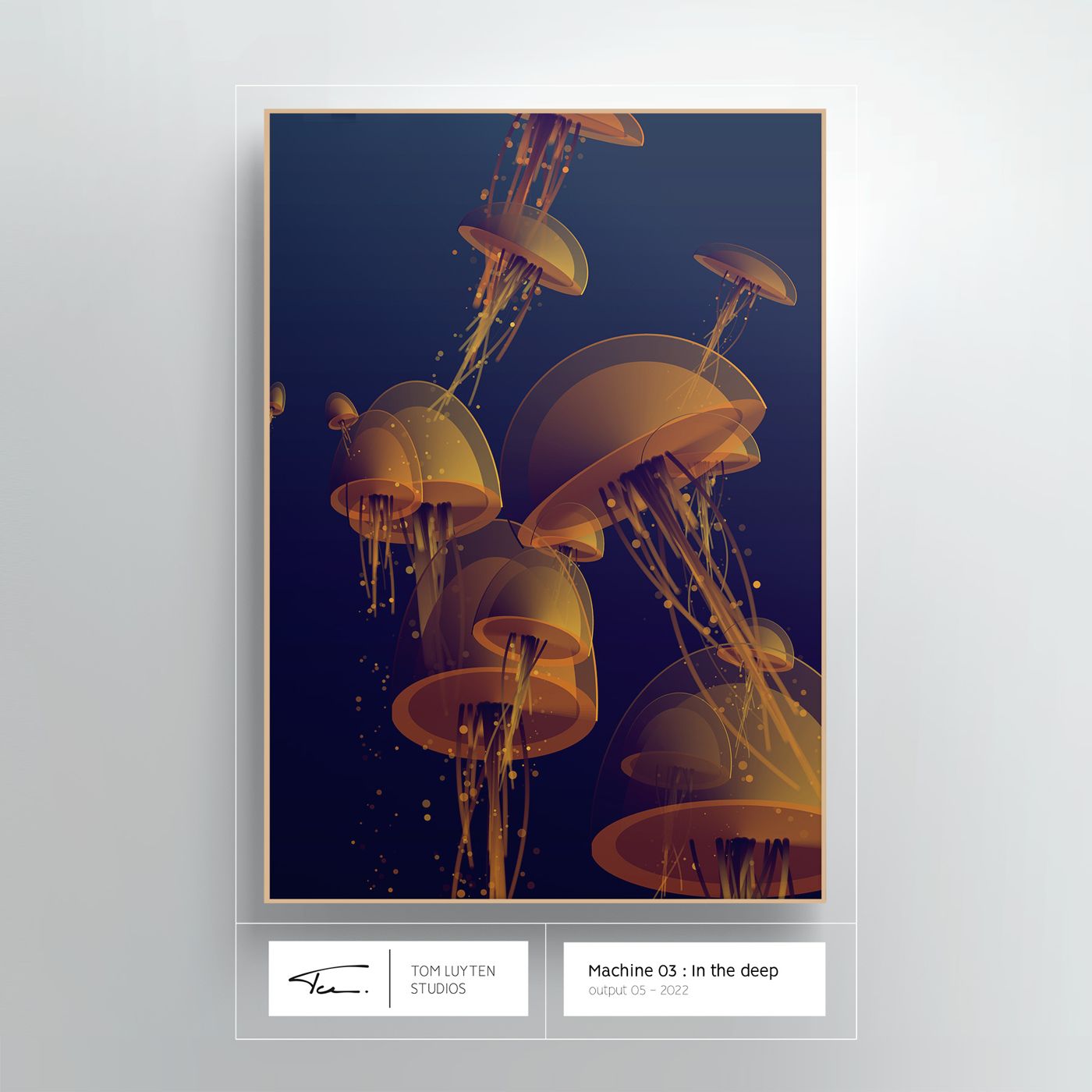
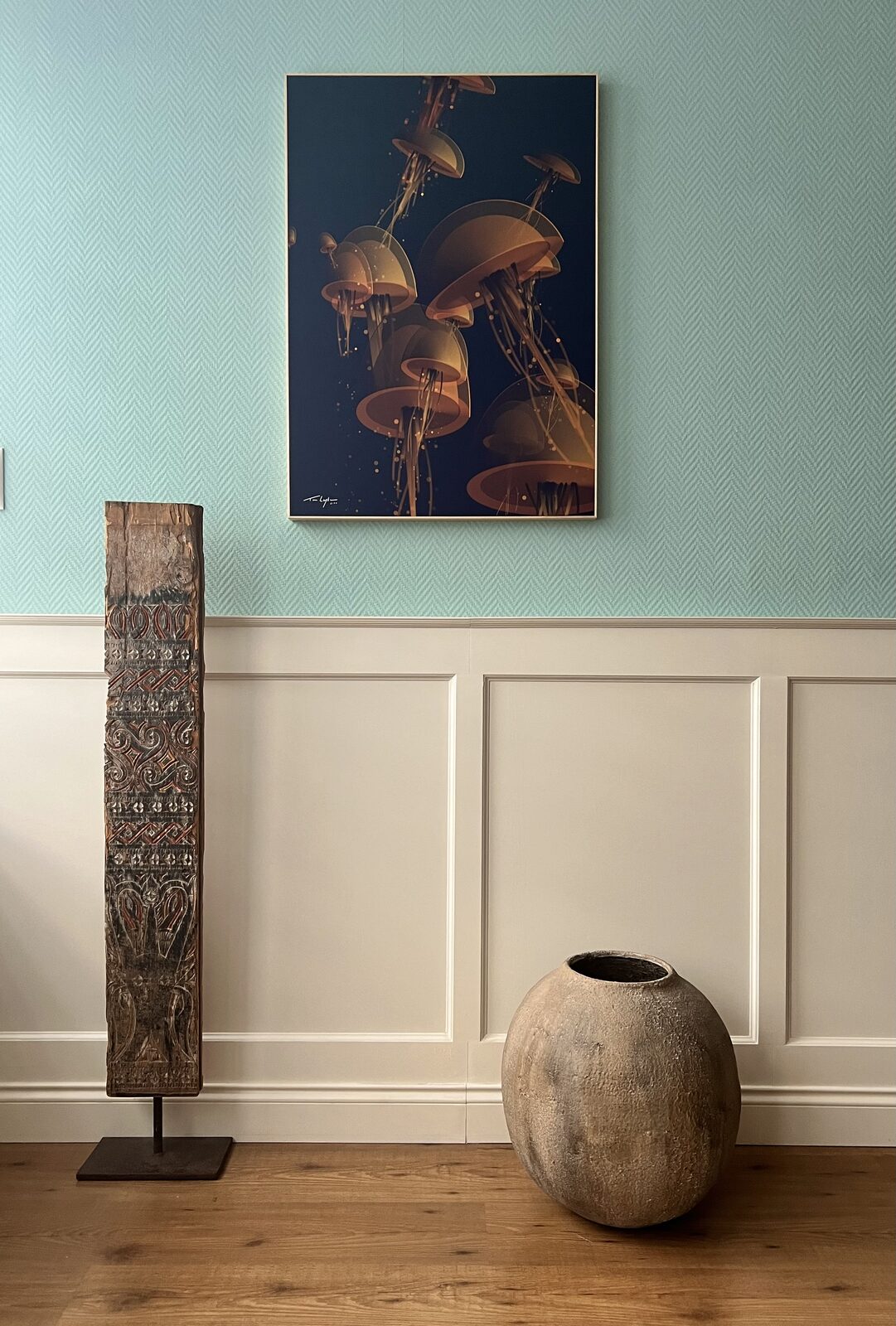
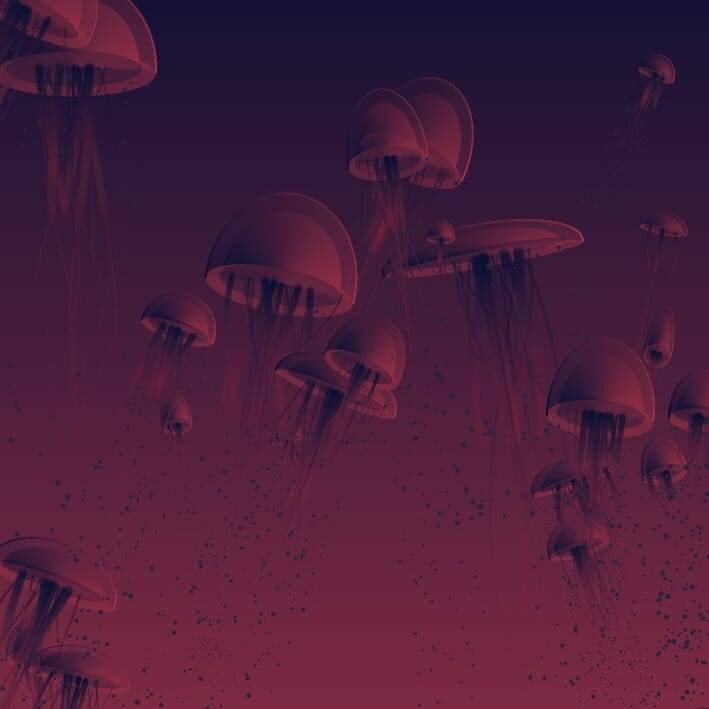
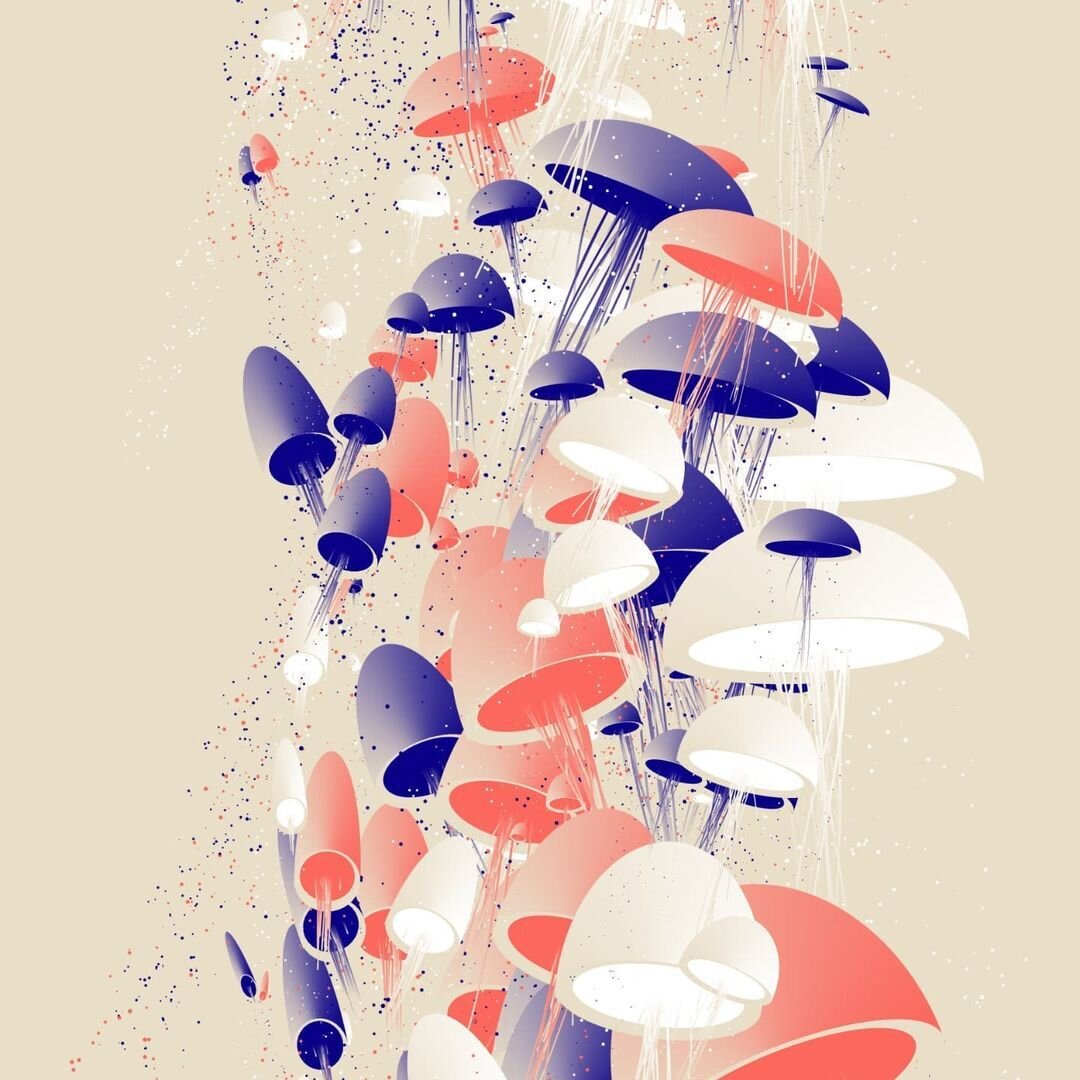
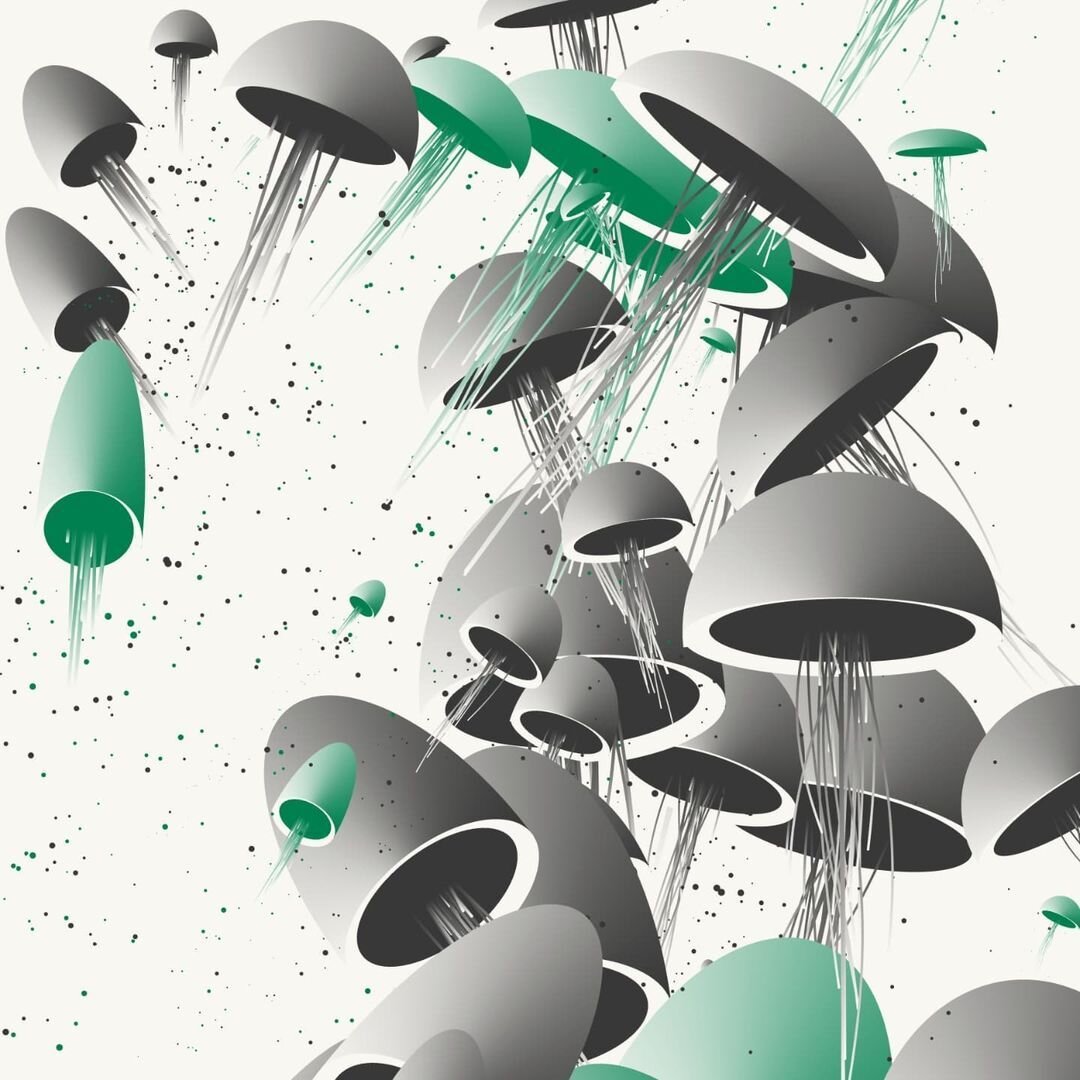
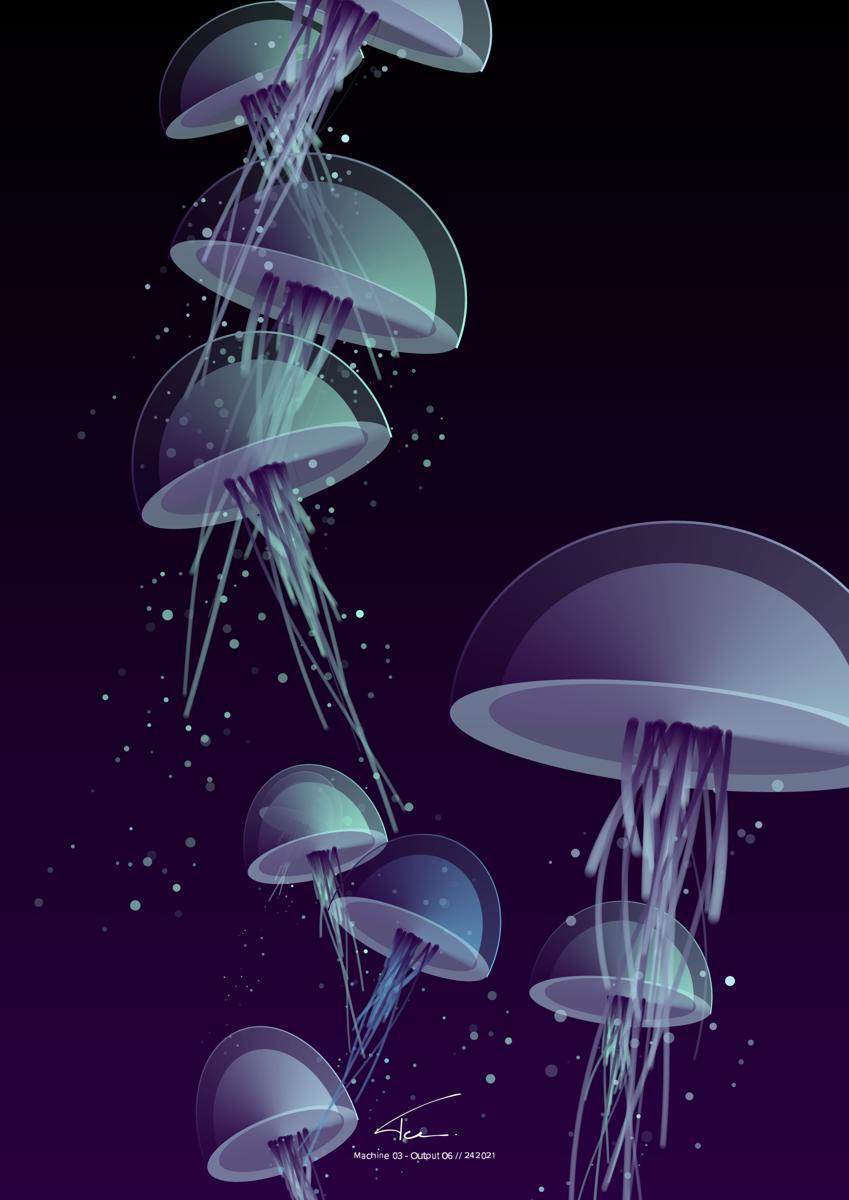 Machine 3: In the deepGenerative jellyfish, hand coded in Processing.art016
Machine 3 is generative art, hand coded from scratch in Processing. The code sends jellyfish drifting upward through a dim body of water, each one grown from its own set of parameters.
No two outputs are the same: every run of the program produces a new, unique print.
- Type
- Generative art, prints
- Tools
- Processing, hand coded
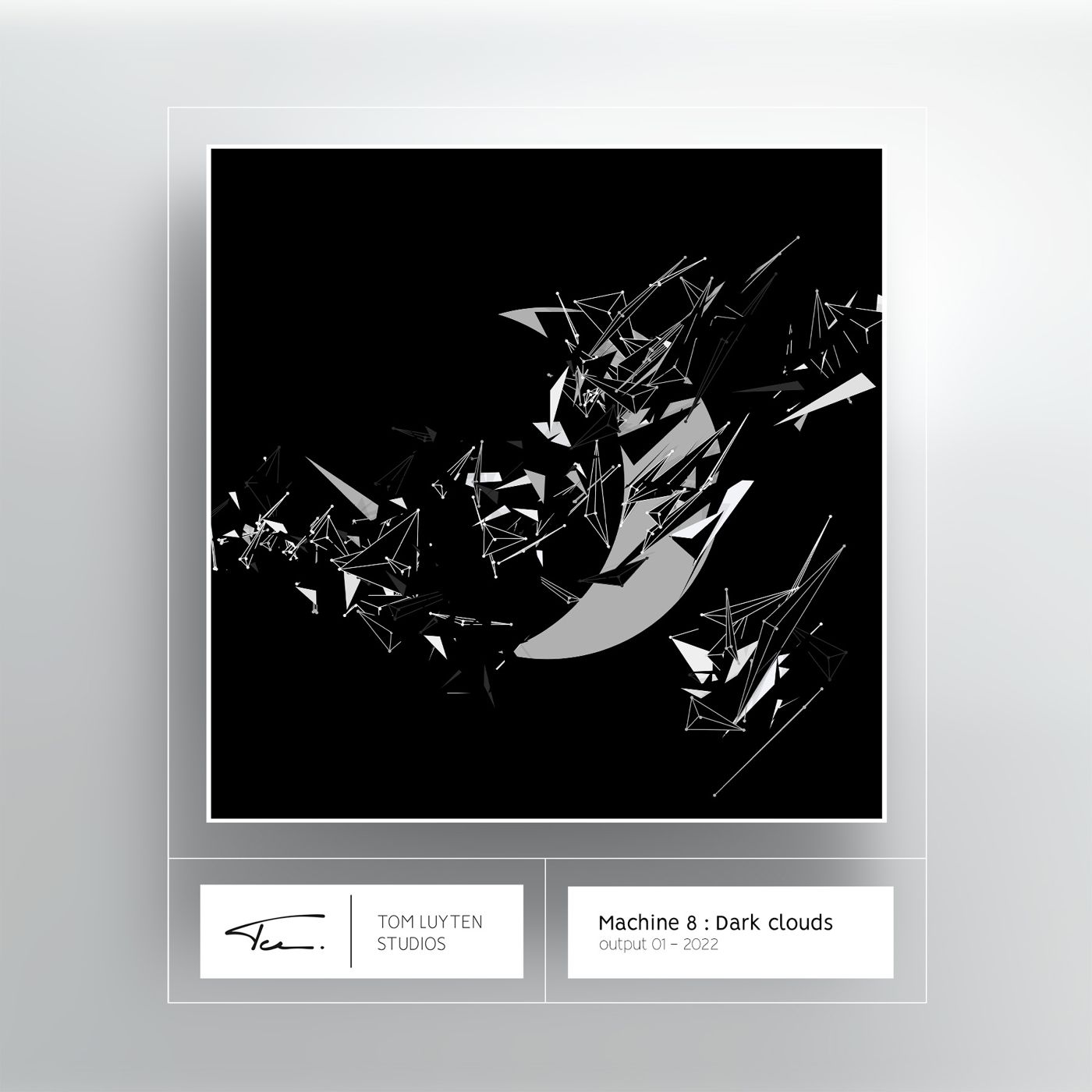
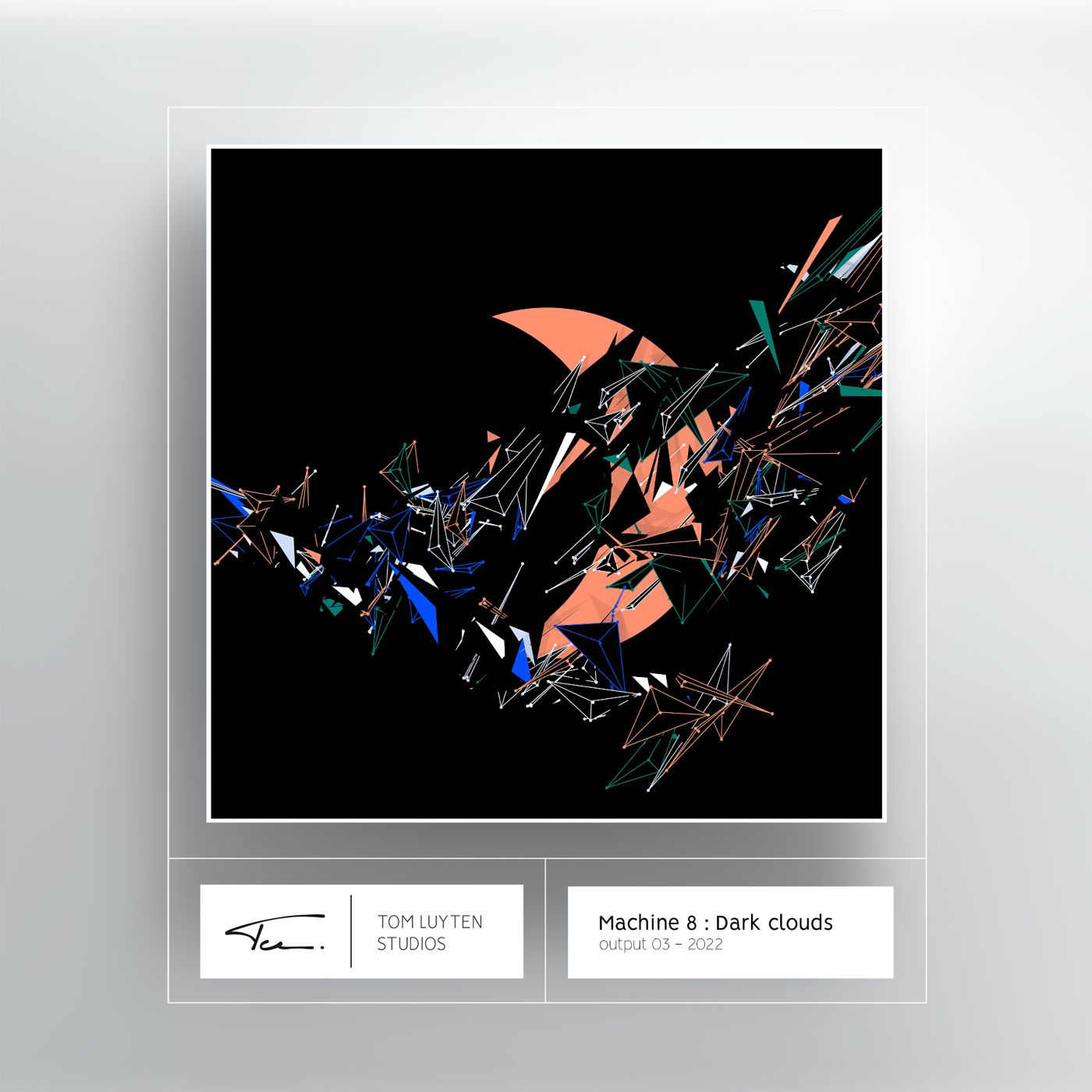
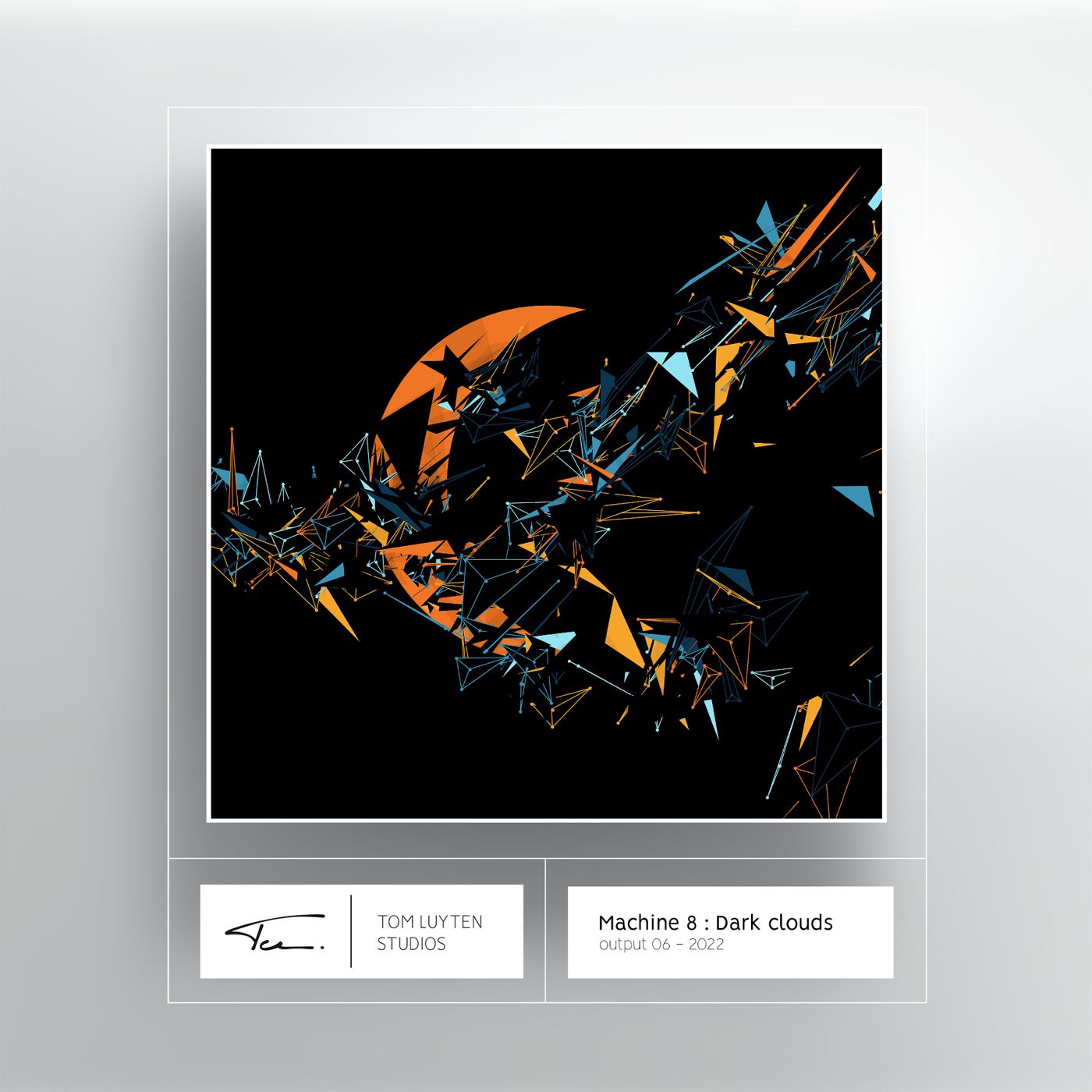
- Machine 8: Dark clouds (NFT)Clouds that cover the night sky.art017
Dark abstract clouds drift in front of the night sky. The phase of the moon changes per output, across eleven colour schemes.
Minted on FXHash and printed as framed archival prints on aluminium dibond.
- Type
- Generative art, NFT, prints
- Platform
- fxhash, December 2021, 50 editions
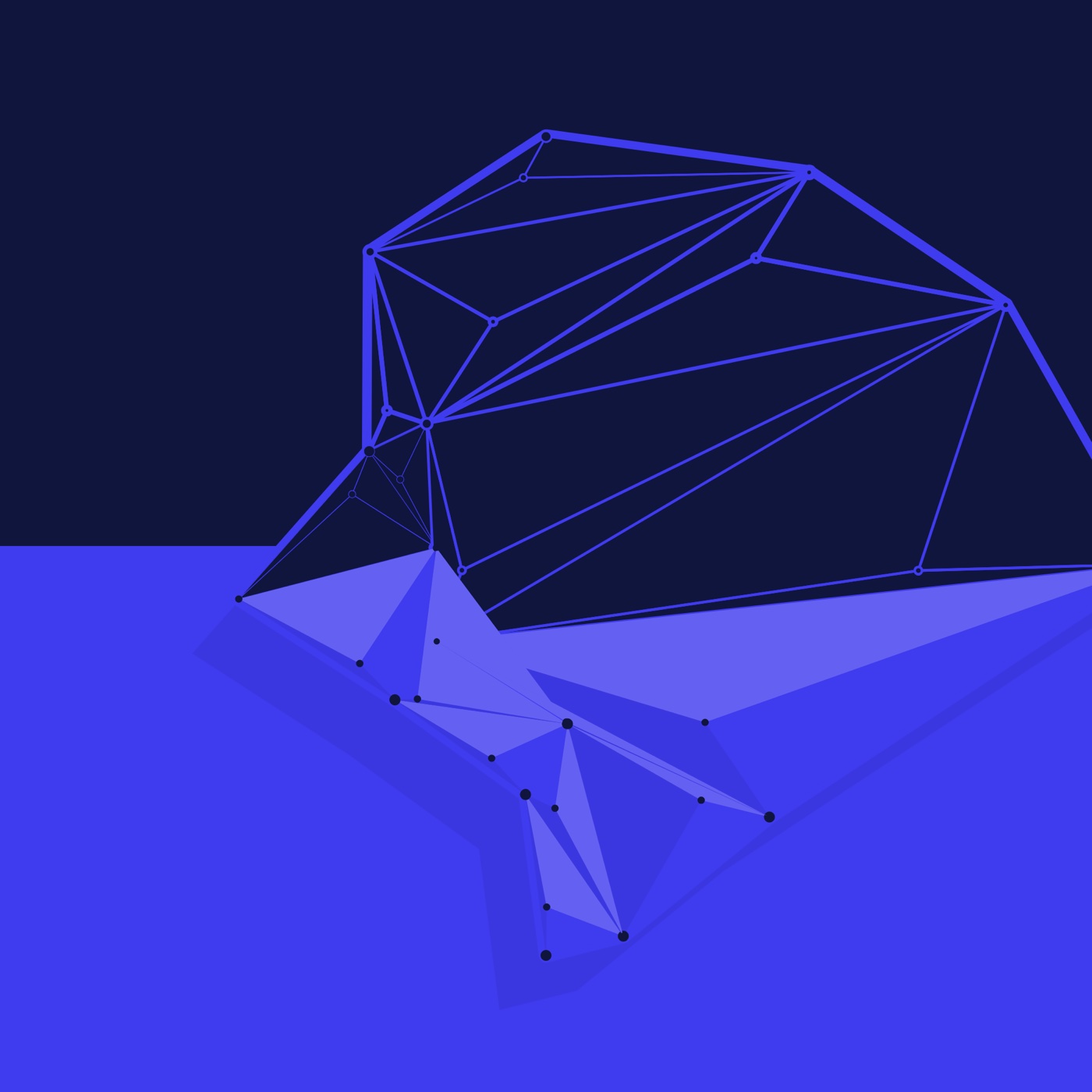
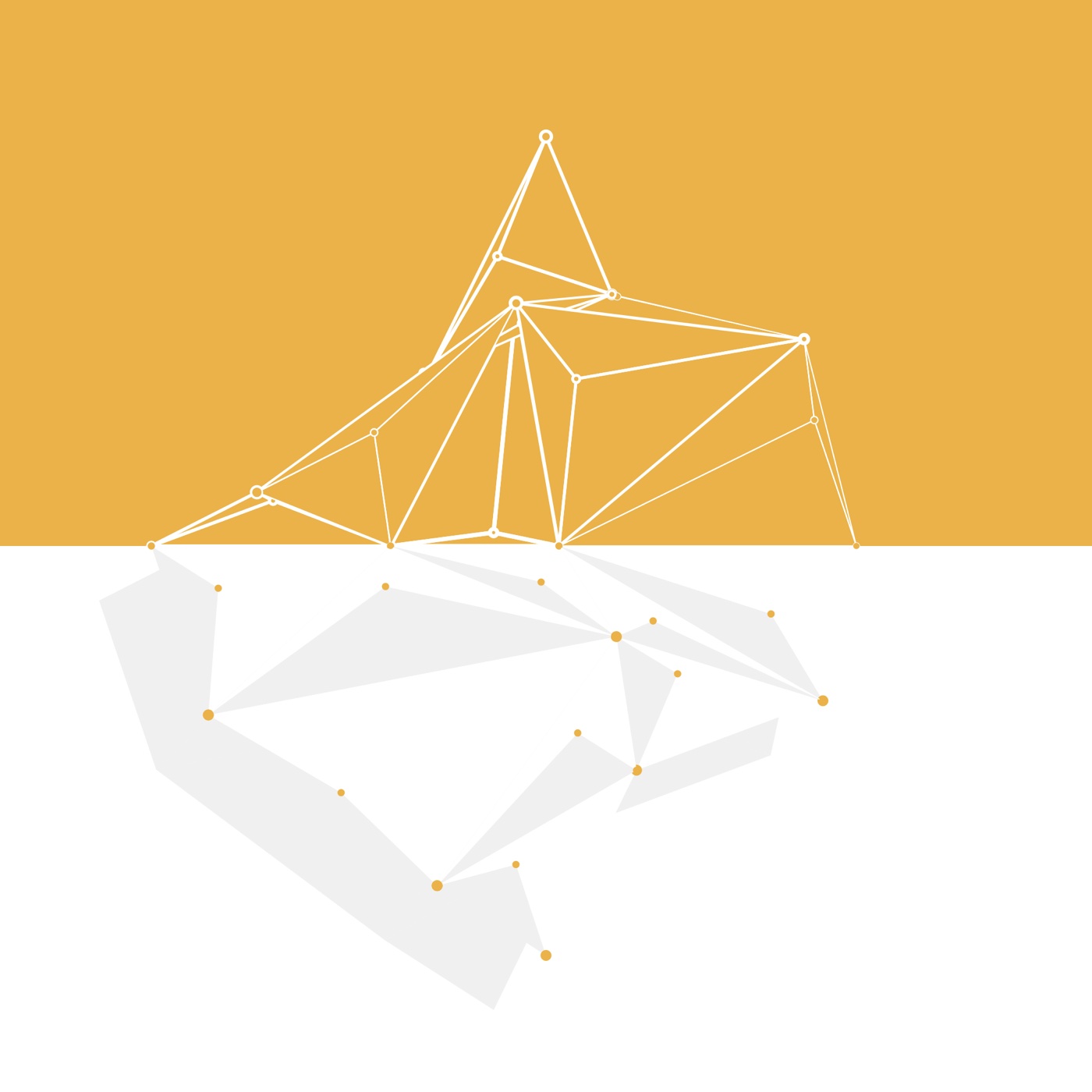
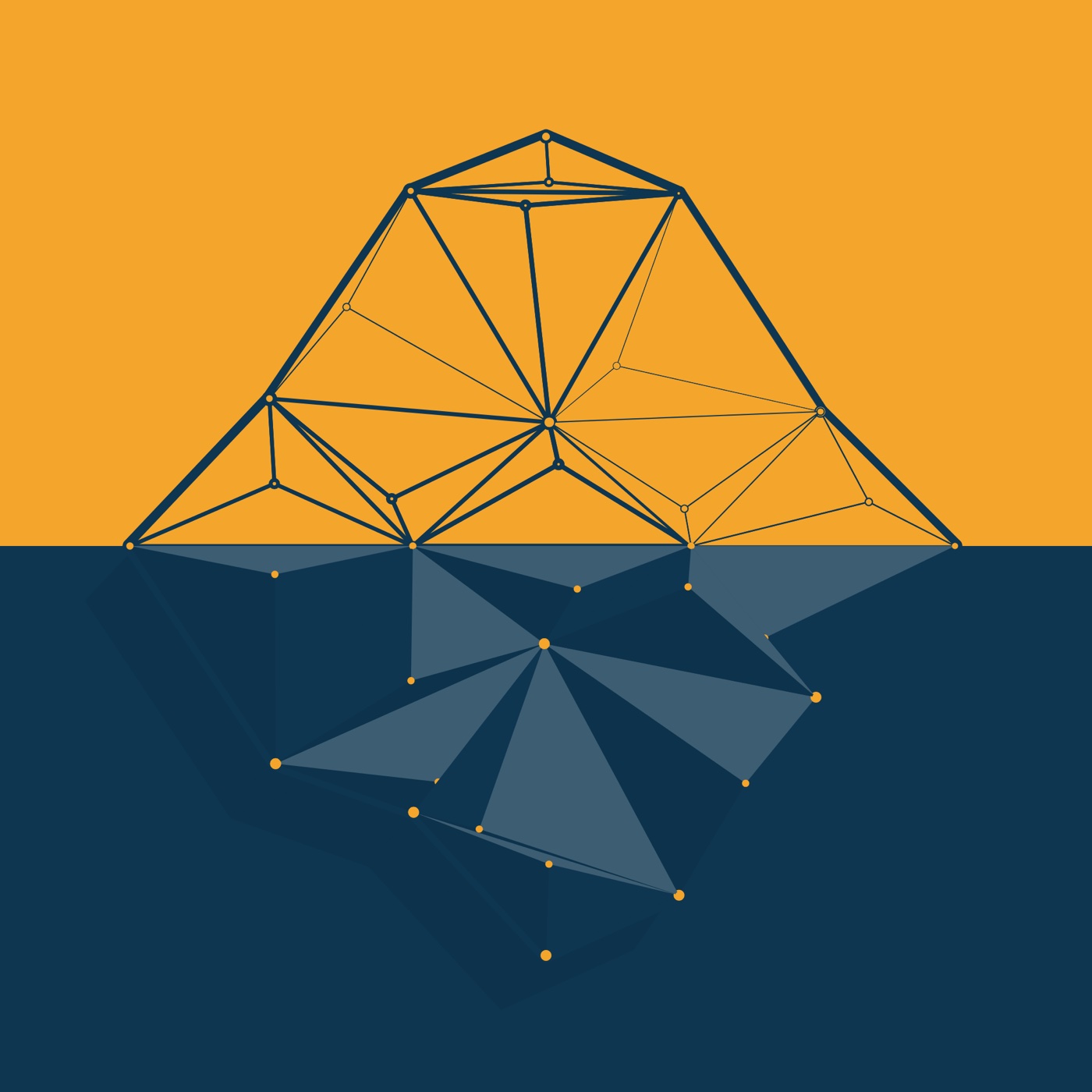
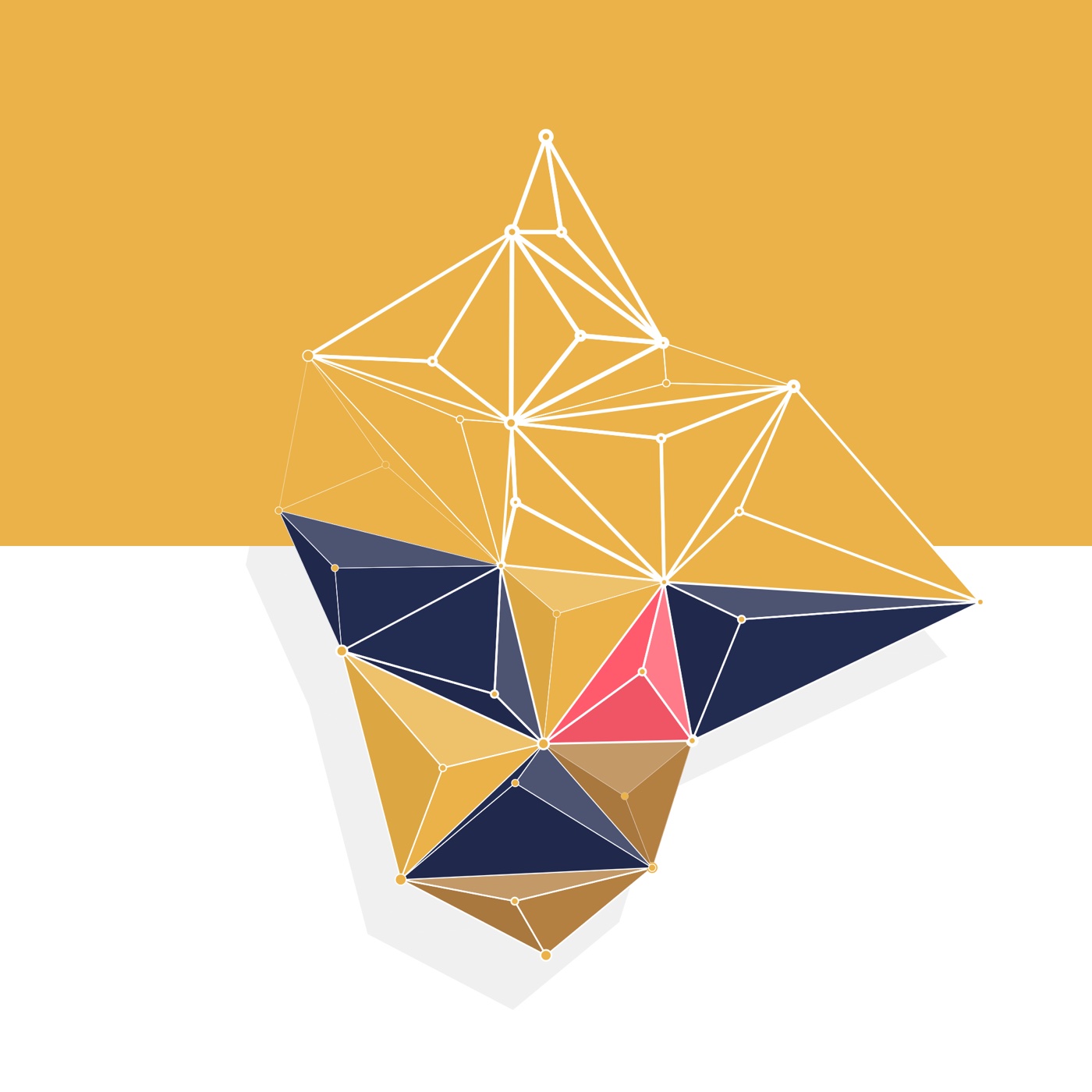
 Machine 9: Floating islands (NFT)Islands floating in the sky.art018
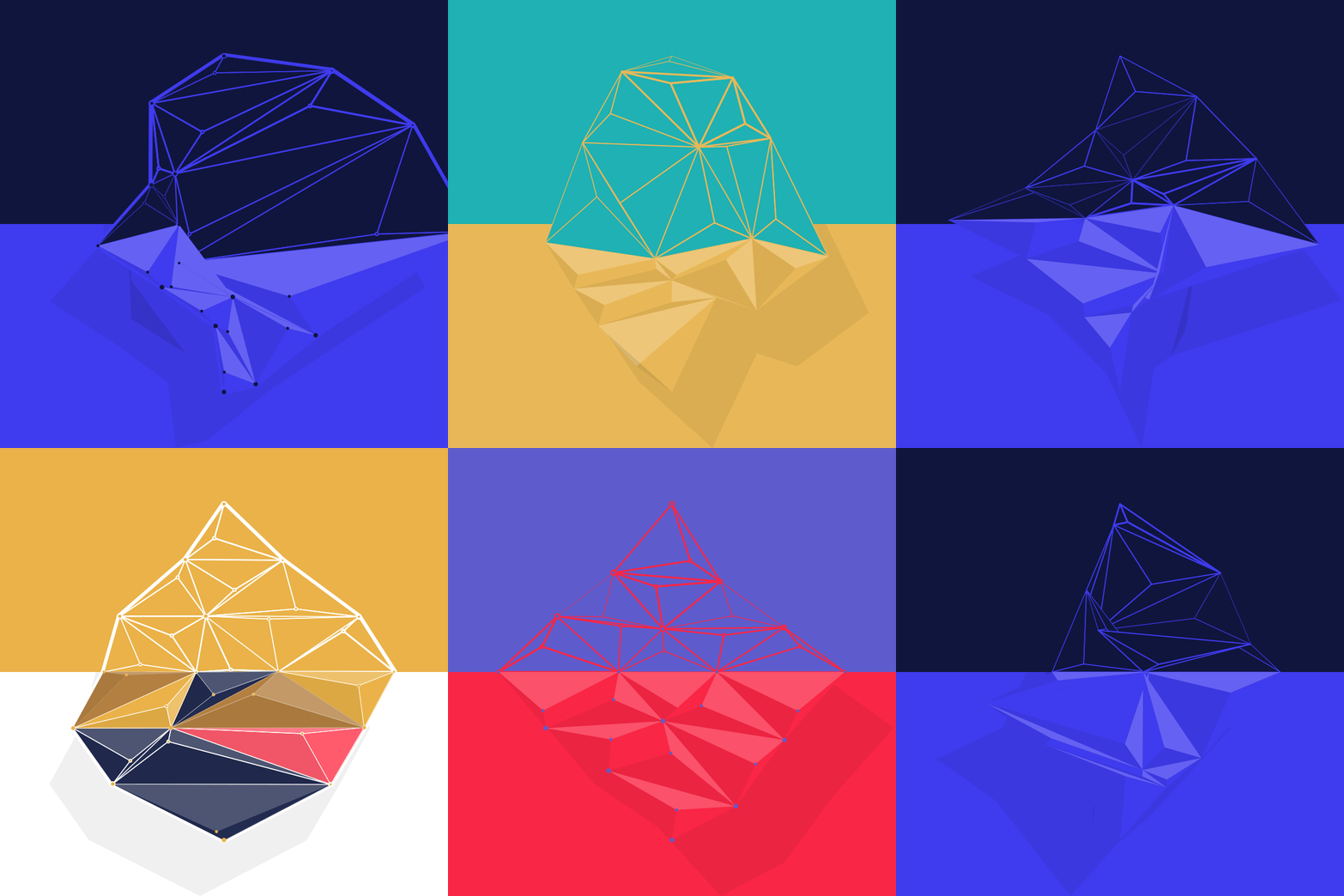
Abstract islands floating in the sky, aligned neatly with the horizon or distorting in the air. 15 colour schemes, different amounts of distortion, with or without dotted lines and a thick border.
- Type
- Generative art, NFT
- Platform
- fxhash, January 2022, 100 editions


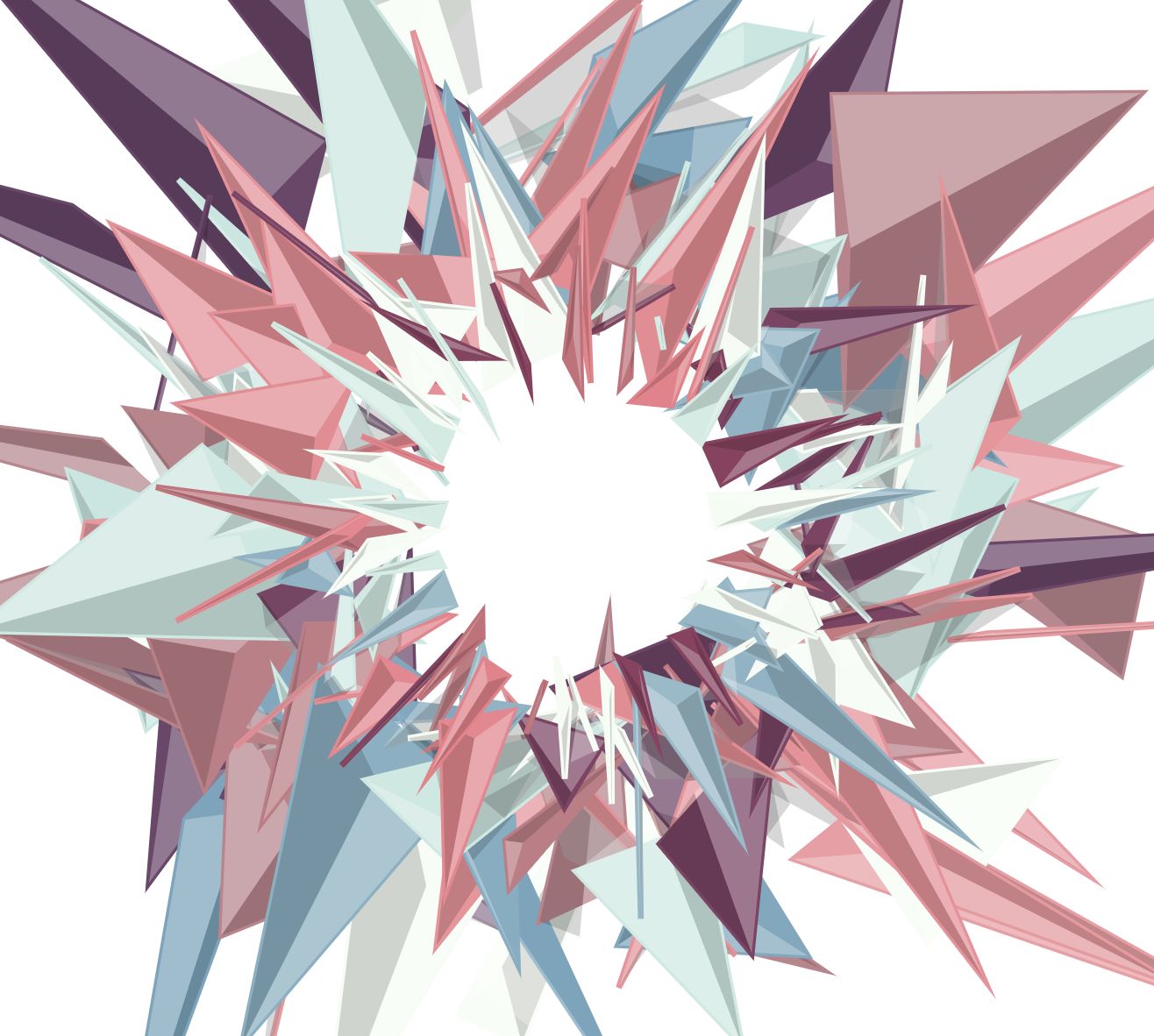
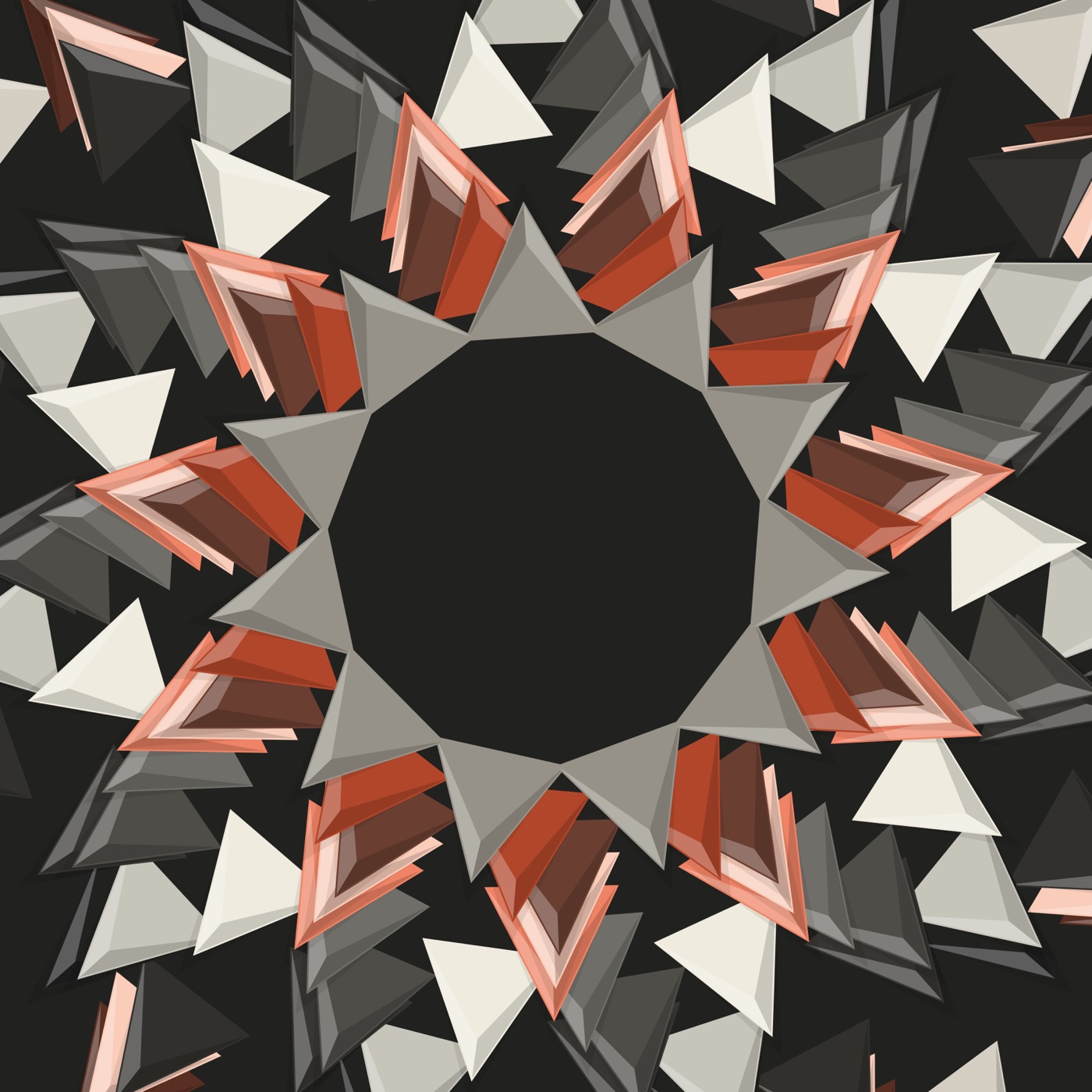
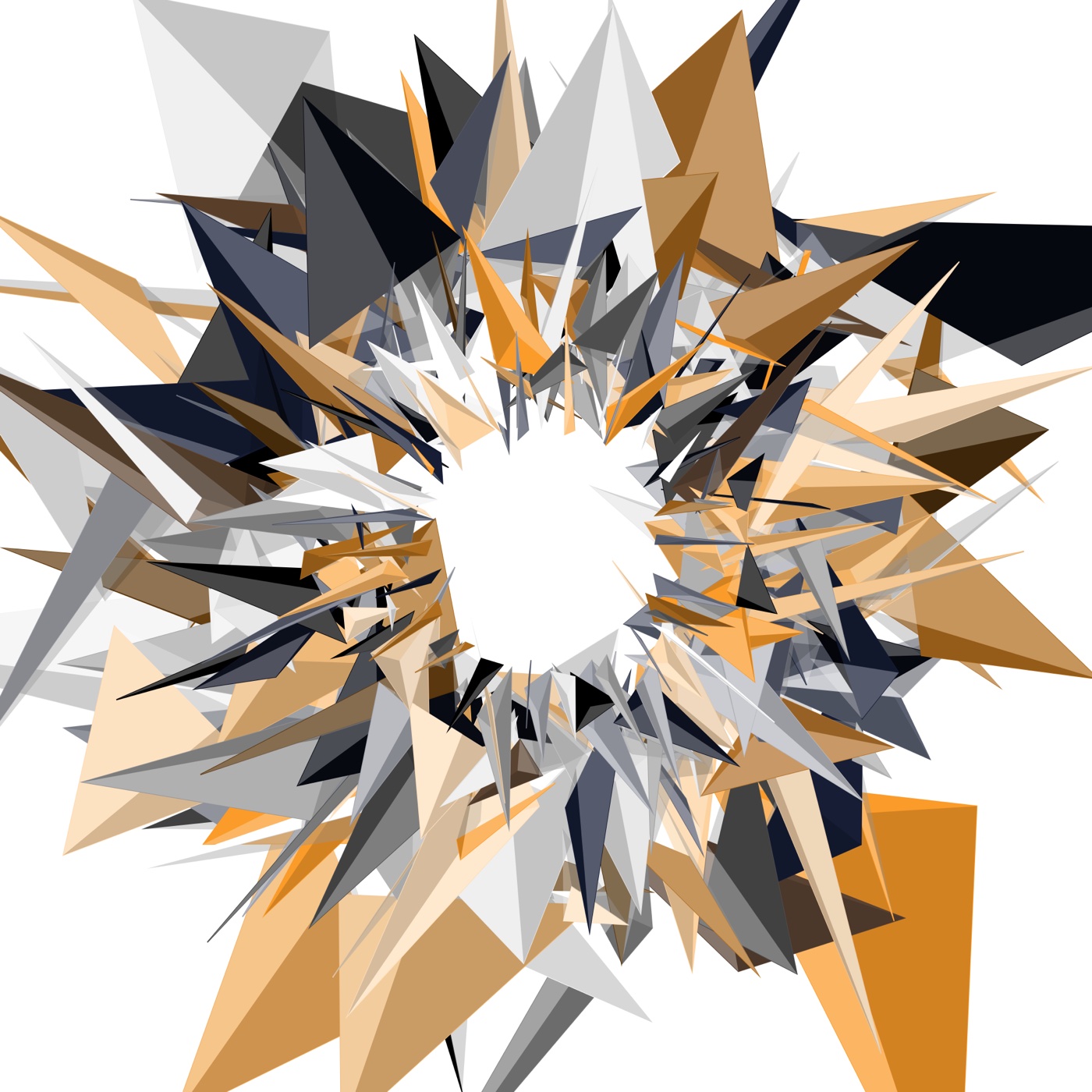
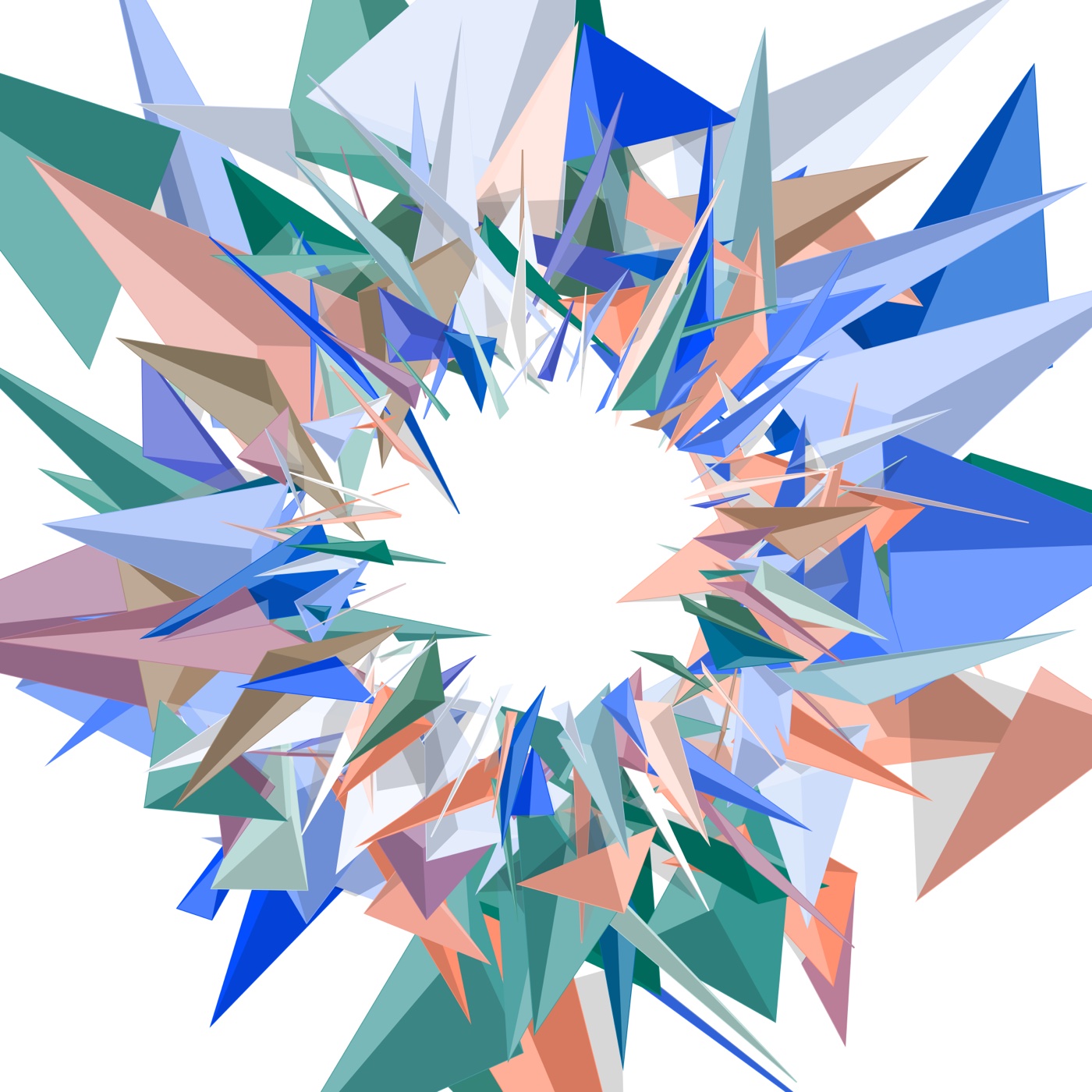
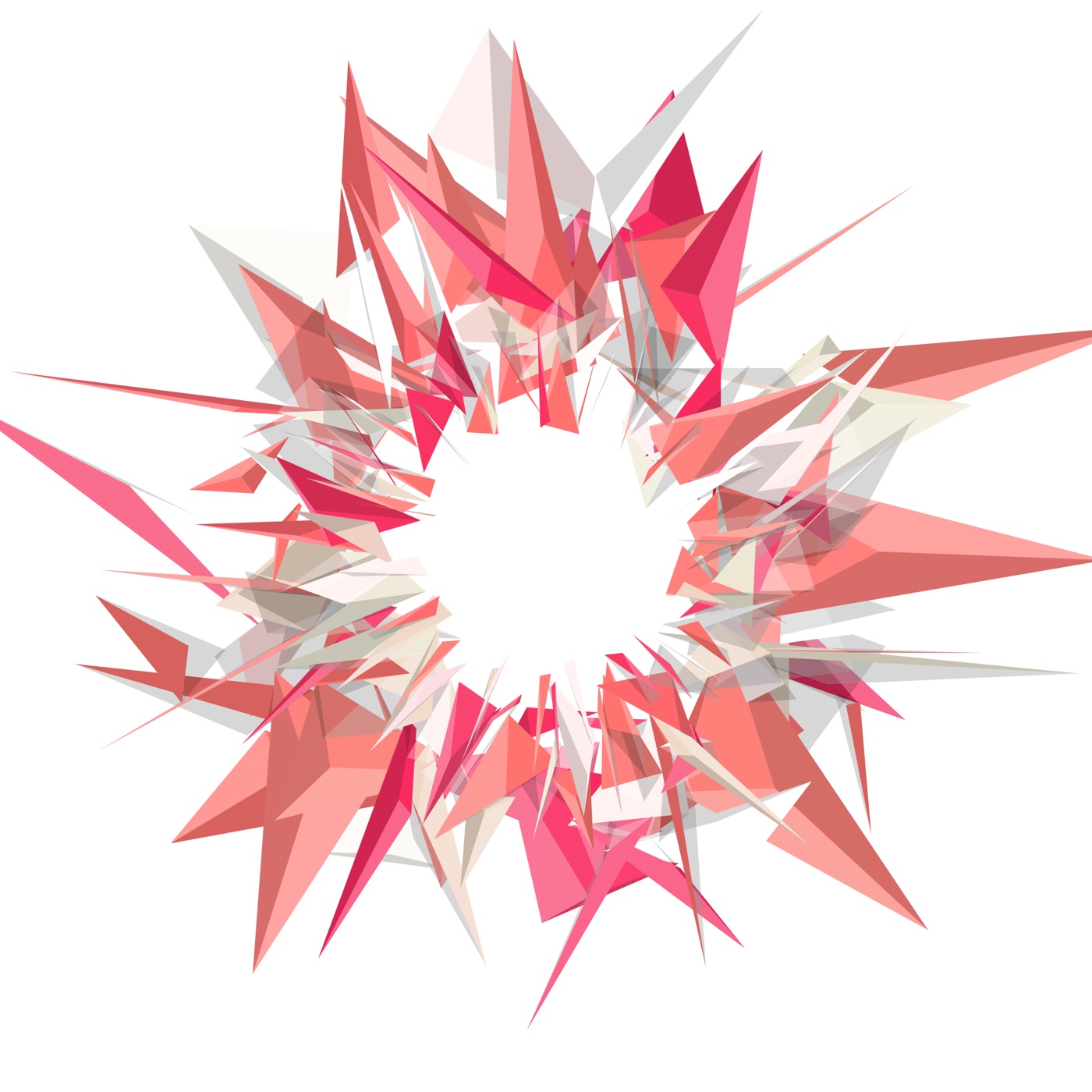
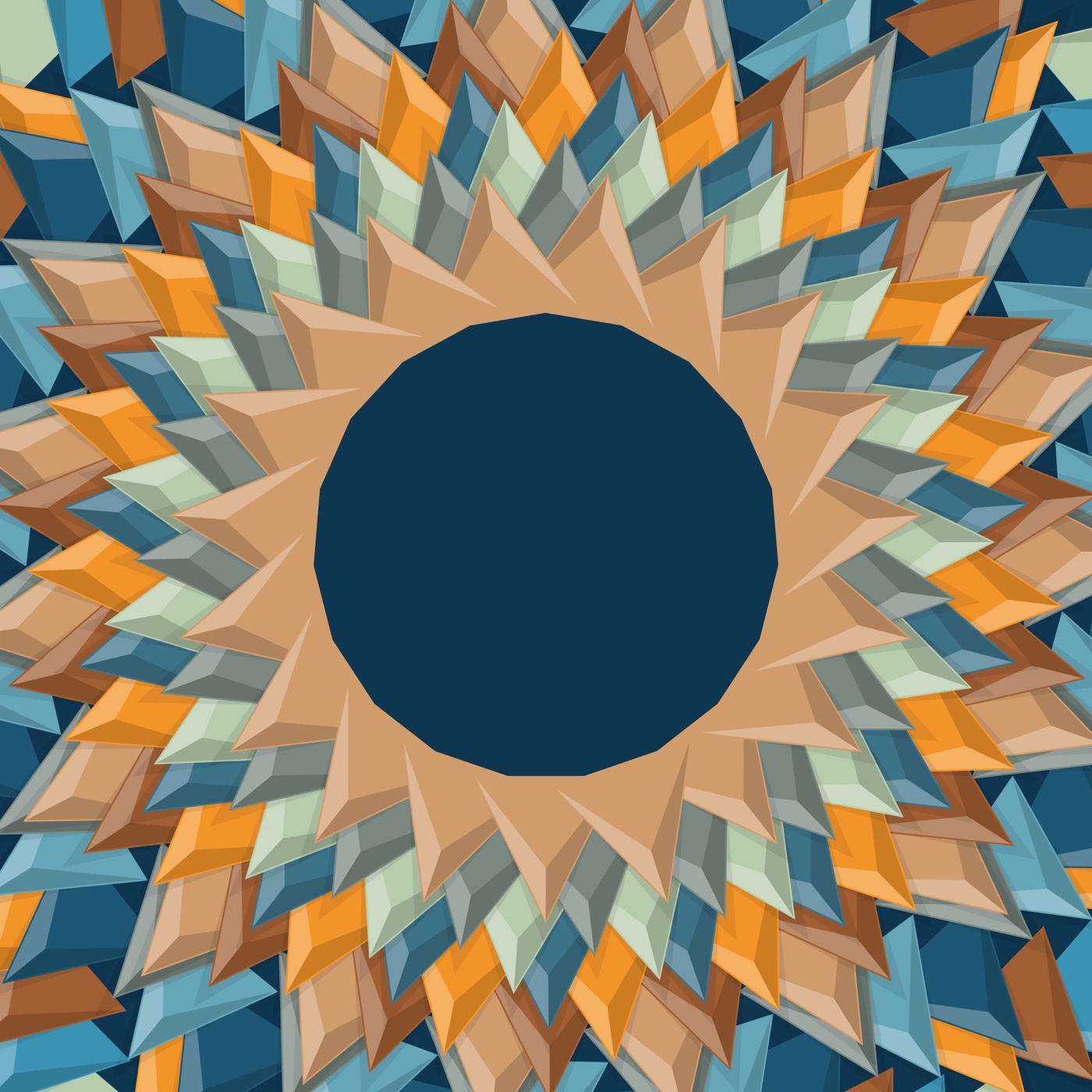
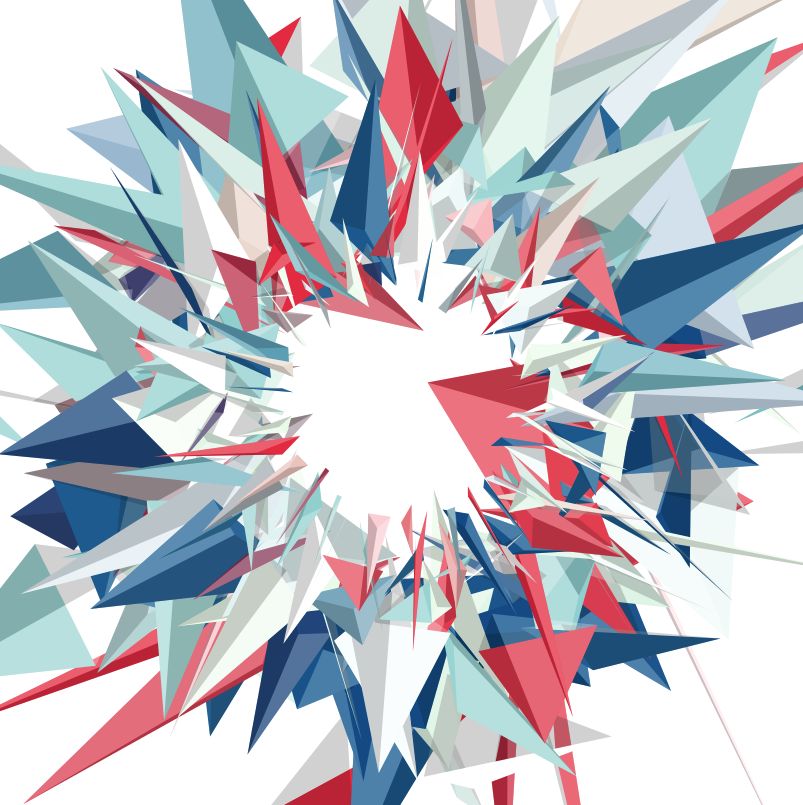
- Machine 7: Order and chaos (NFT)A circle of triangles that breathes, then breaks.art019
A generative circle of triangles switches between two states. In order it breathes, grows and shrinks in shifting colours. In chaos it distorts and falls apart.
The fxhash edition has 12 colour schemes and a looping parametric system that fits any screen.
- Type
- Generative art, NFT
- Tools
- P5js
- Platform
- fxhash, December 2021, 100 editions
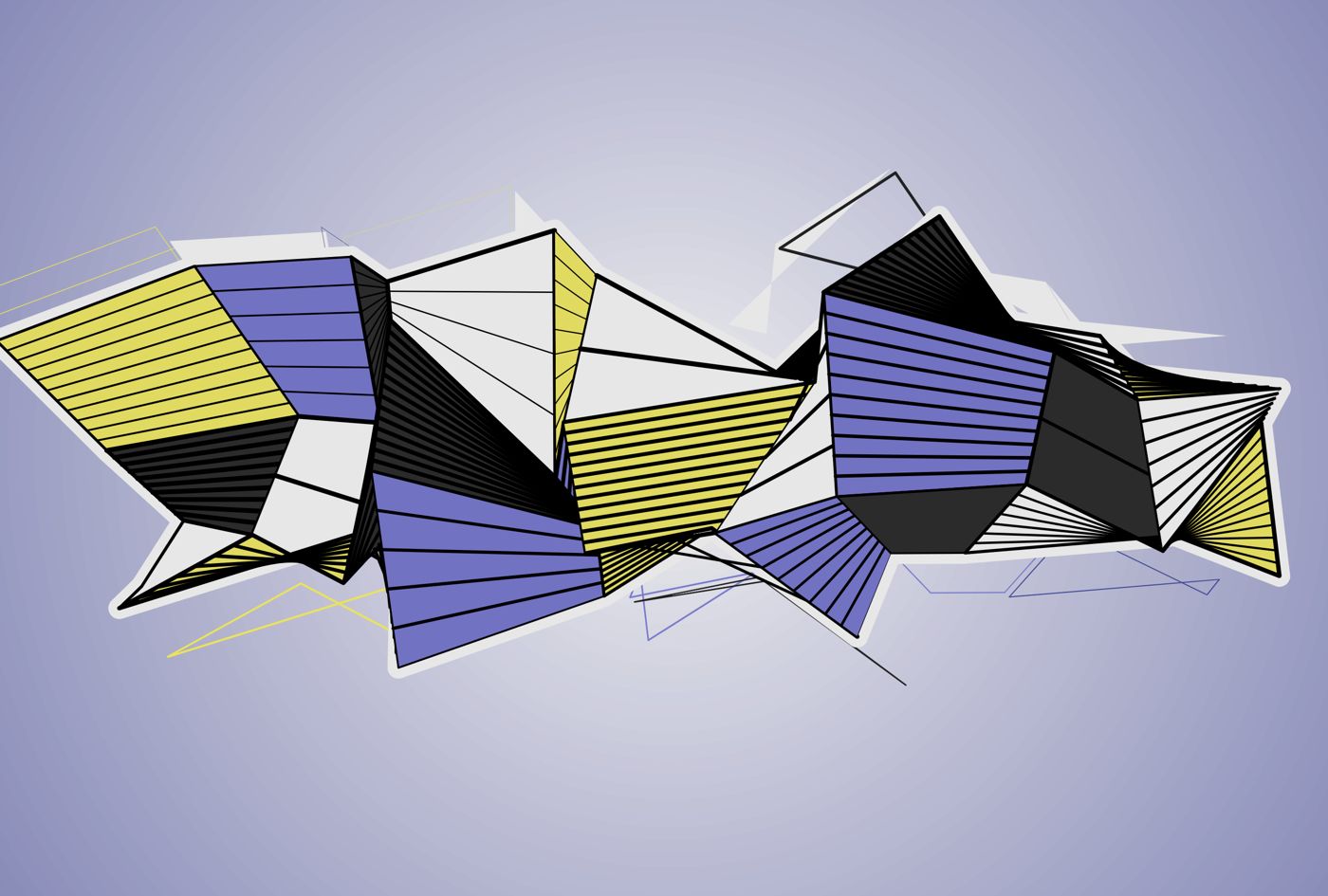
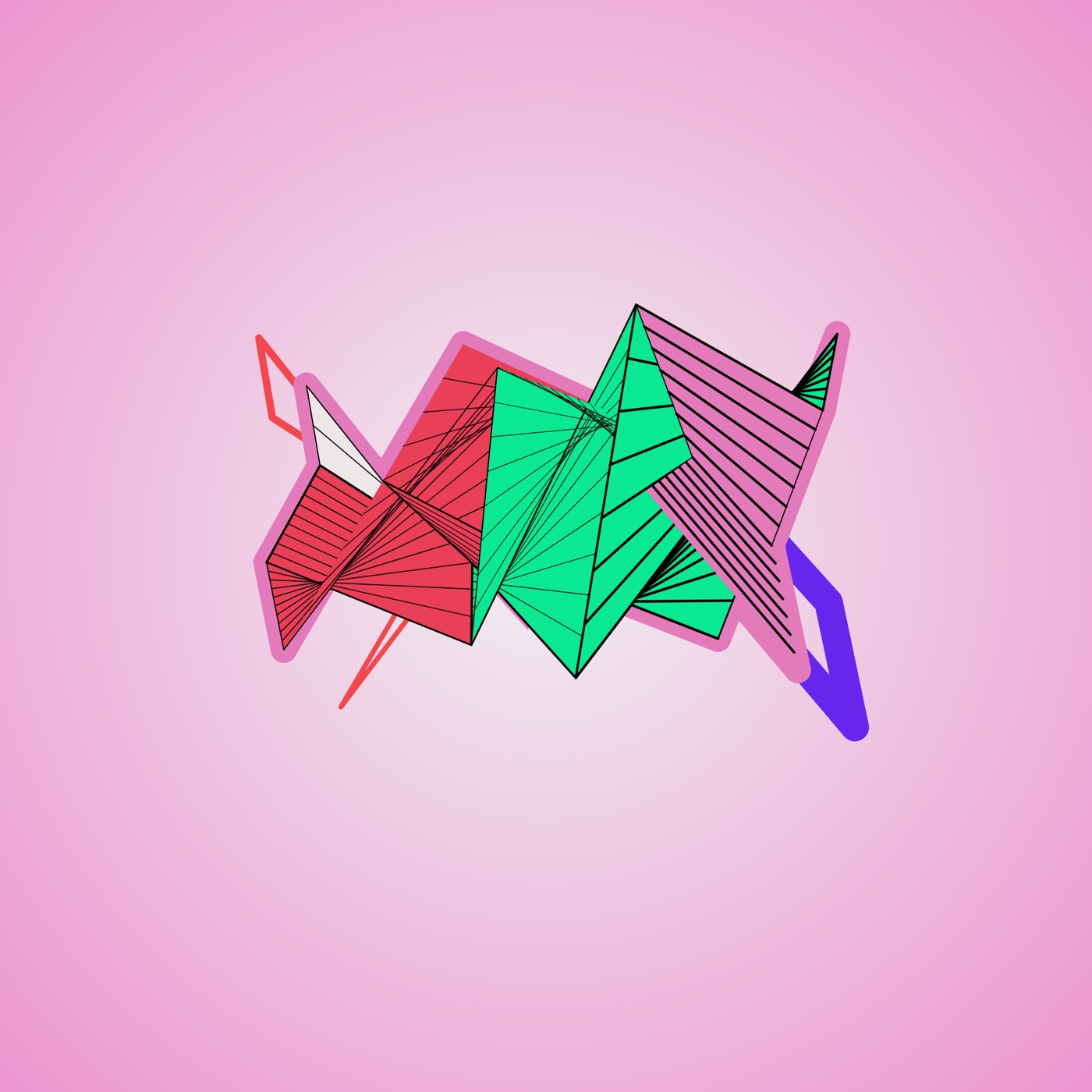
- Machine 11: Brutalist distortions (NFT)A tight grid, slowly distorted.art020
A tight grid of coloured rectangles and horizontal lines is distorted at random. The image changes over time but is never animated.
- Type
- Generative art, NFT
- Platform
- fxhash, January 2022, 100 editions

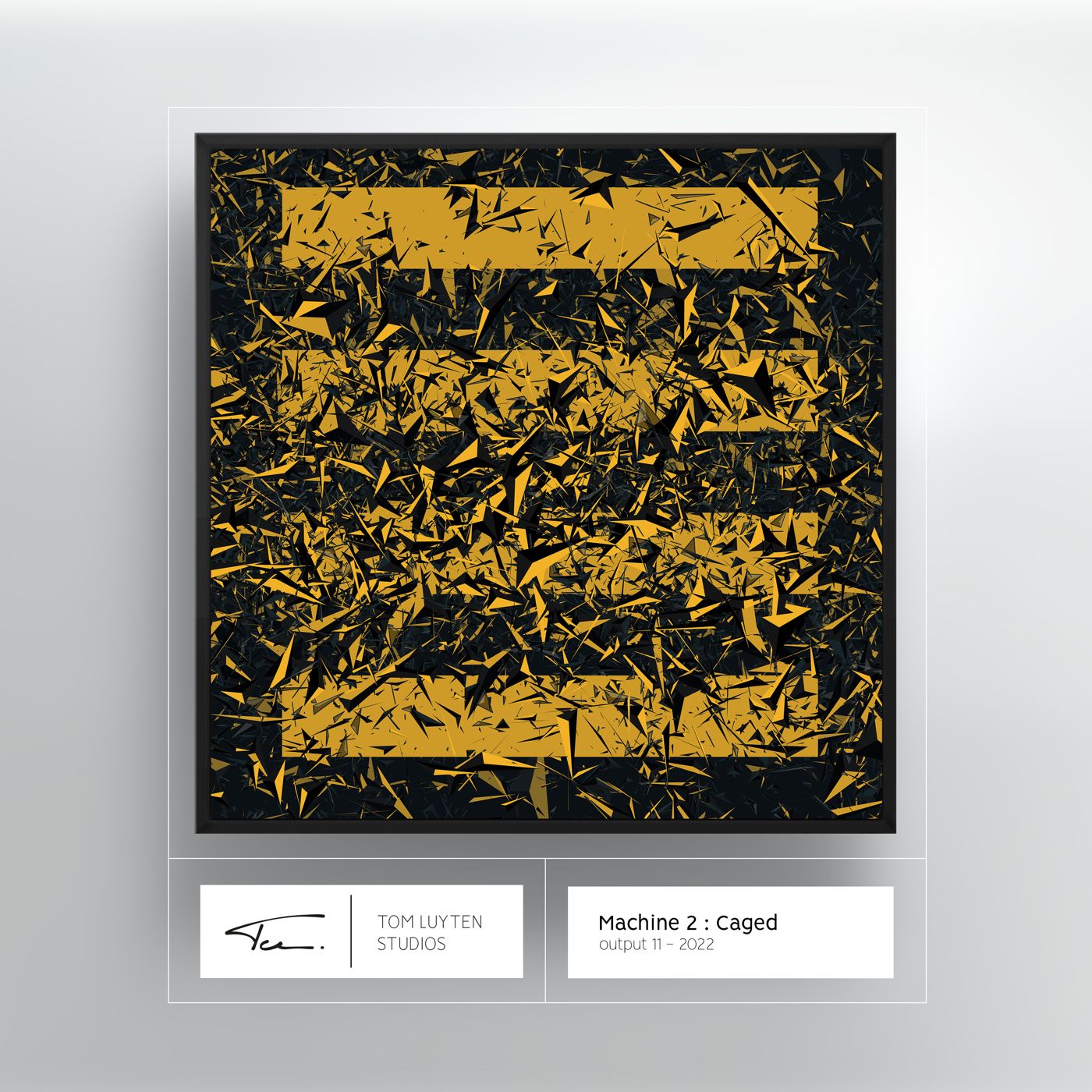 Machine 2: Caged (print)Shards breaking through bars.art021
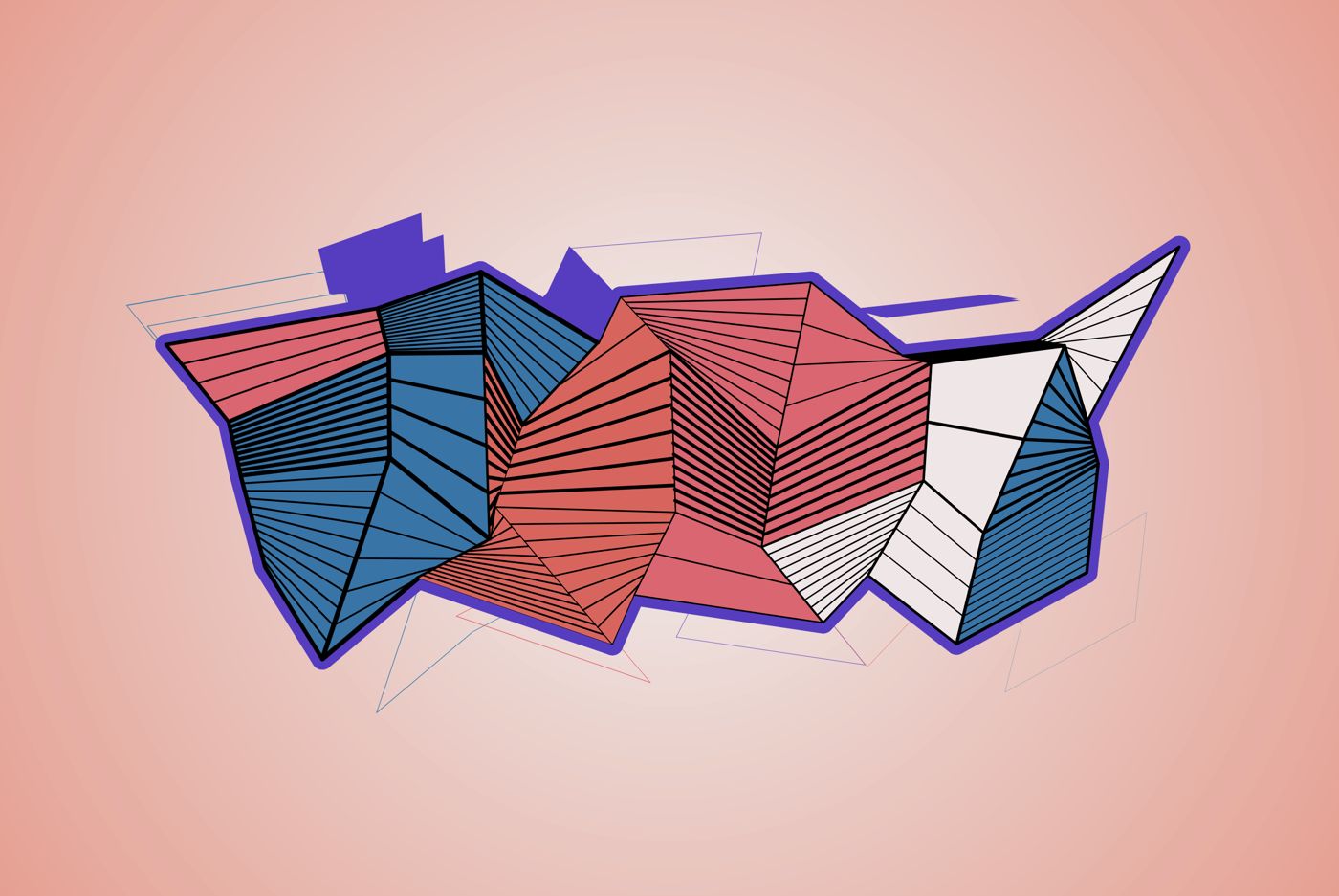
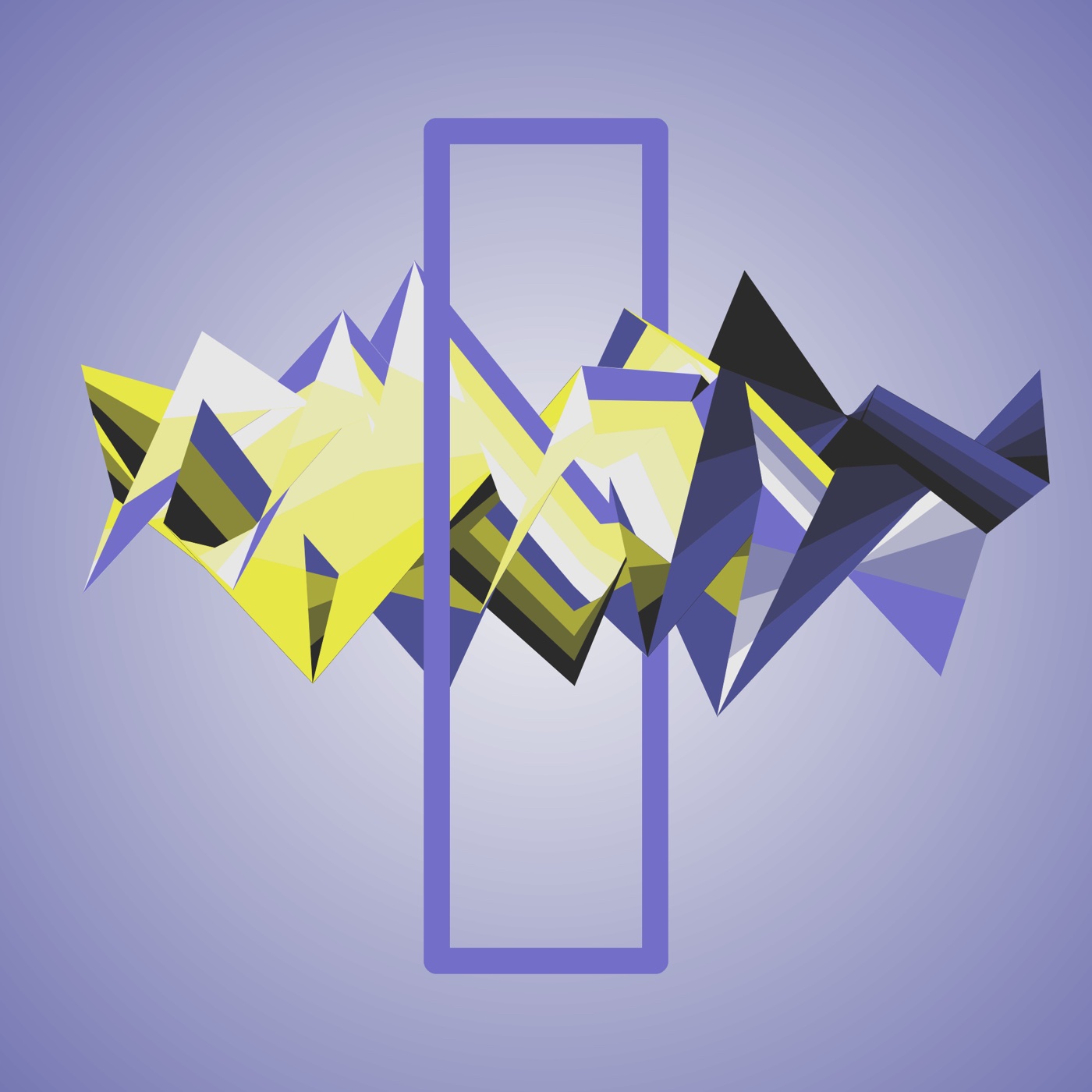
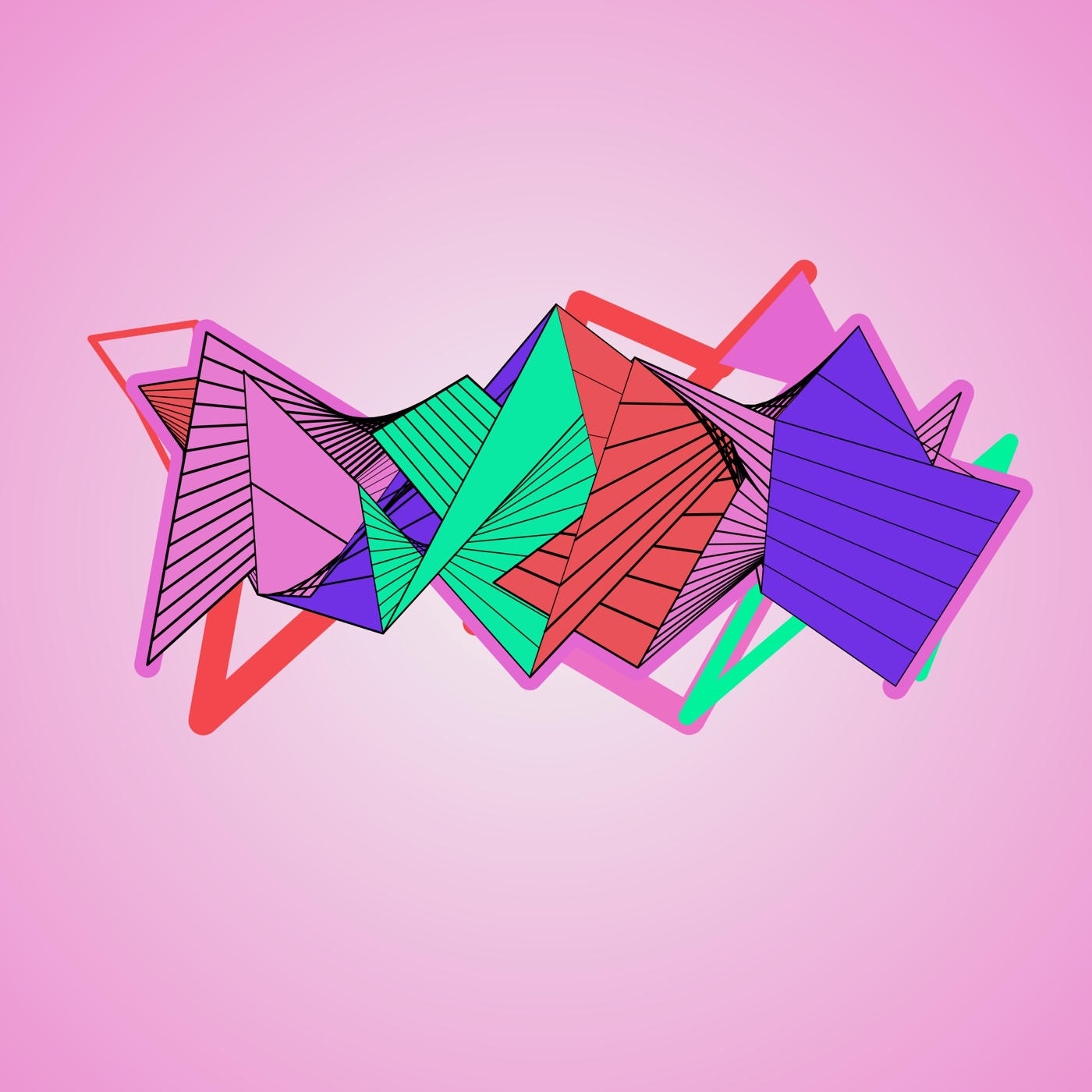
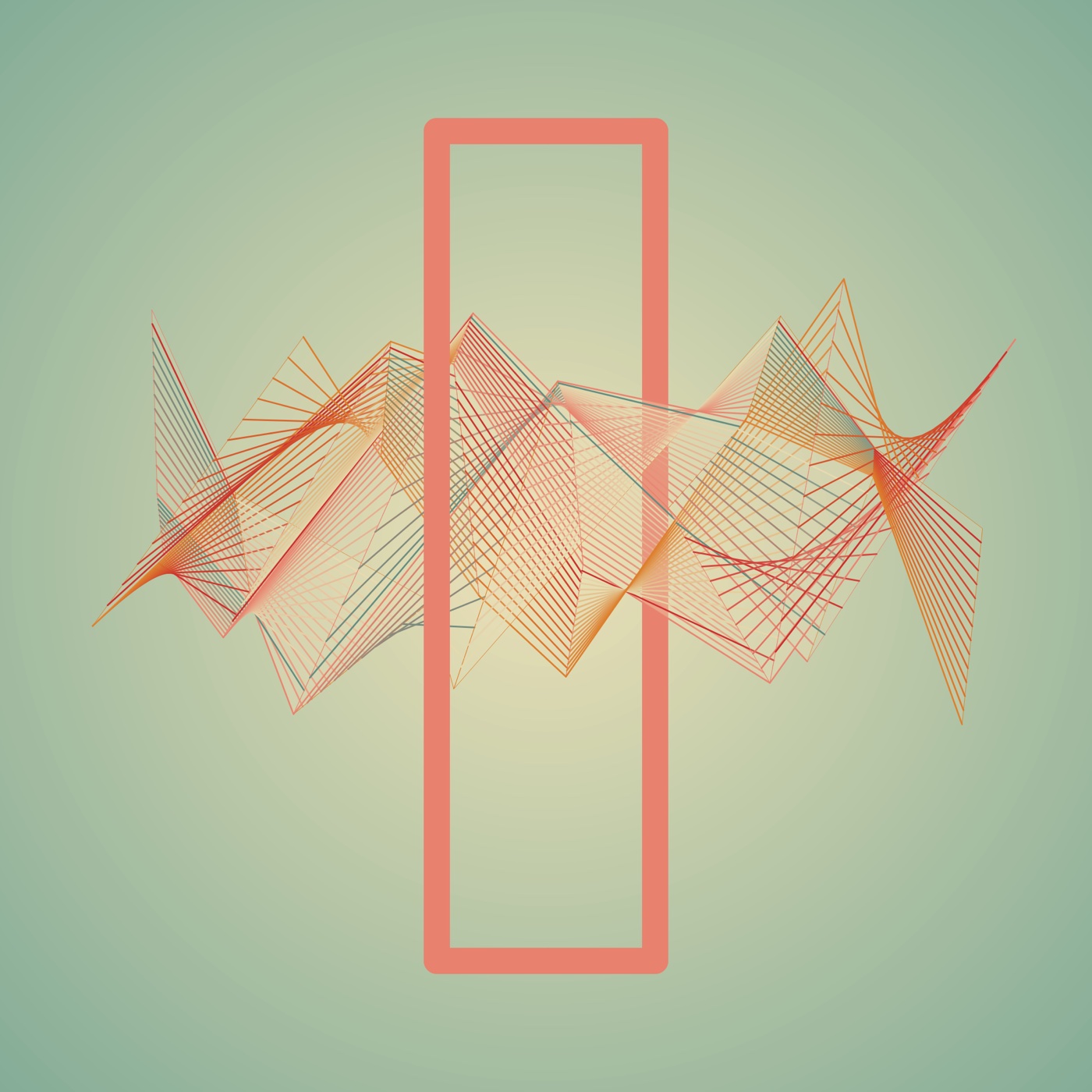
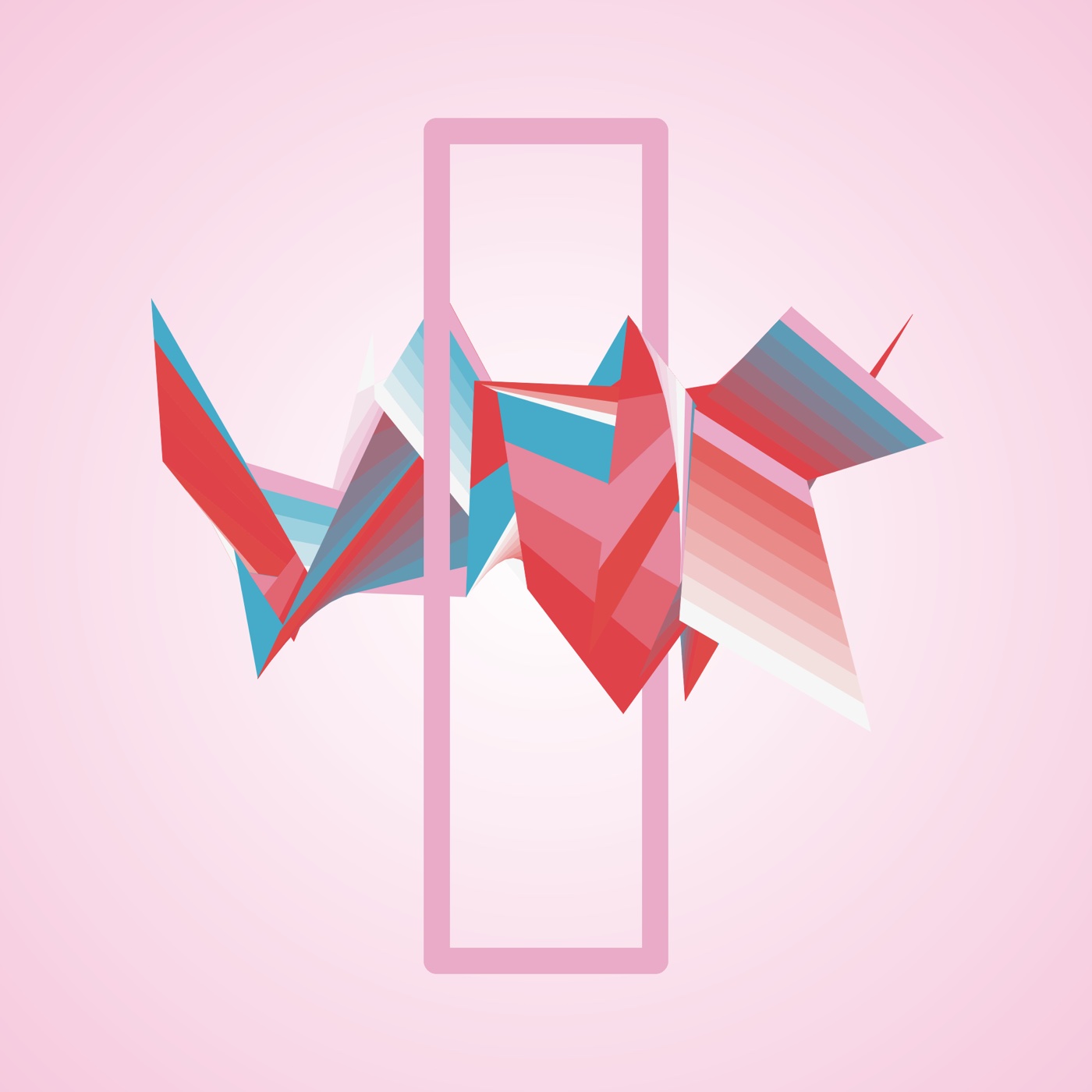
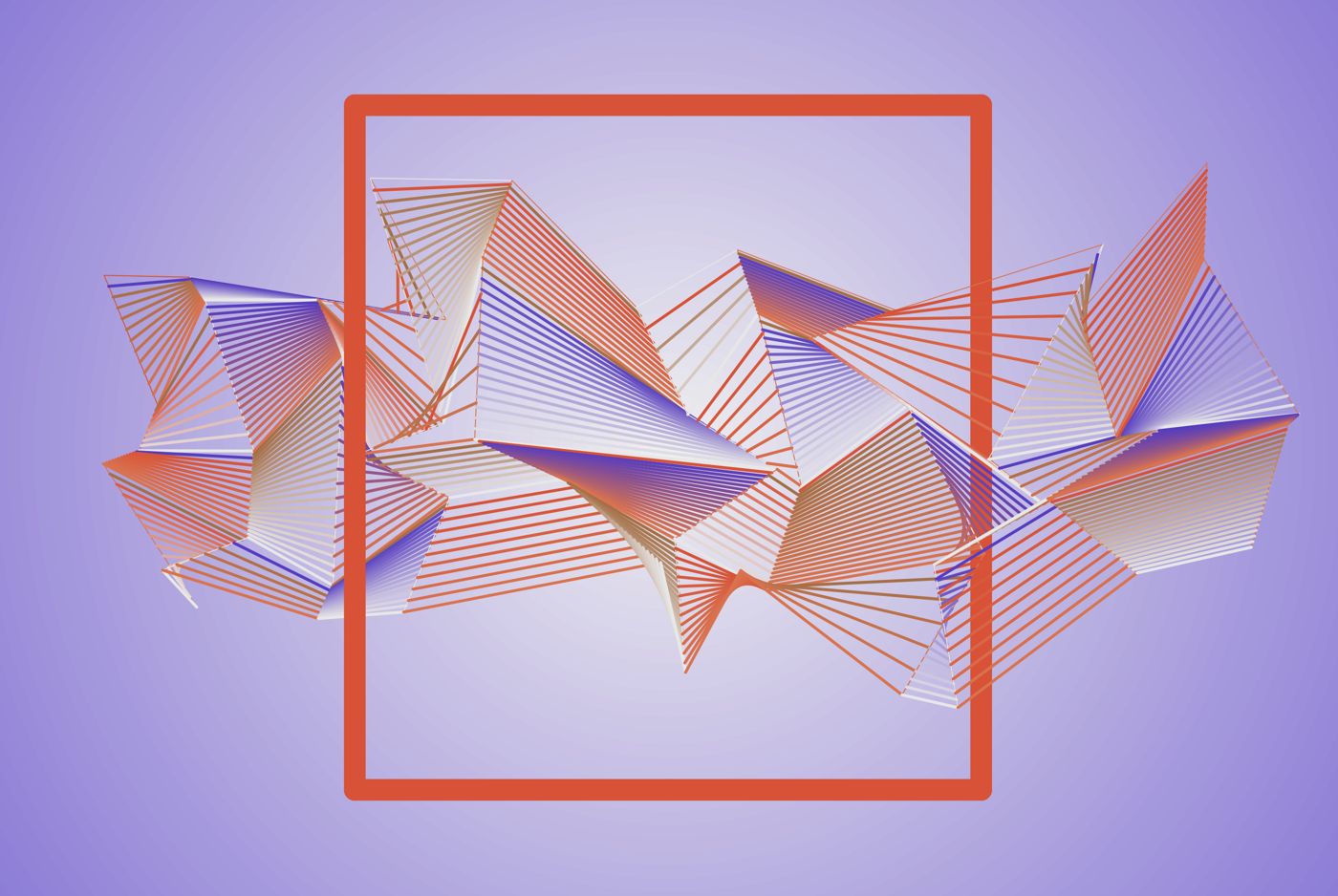
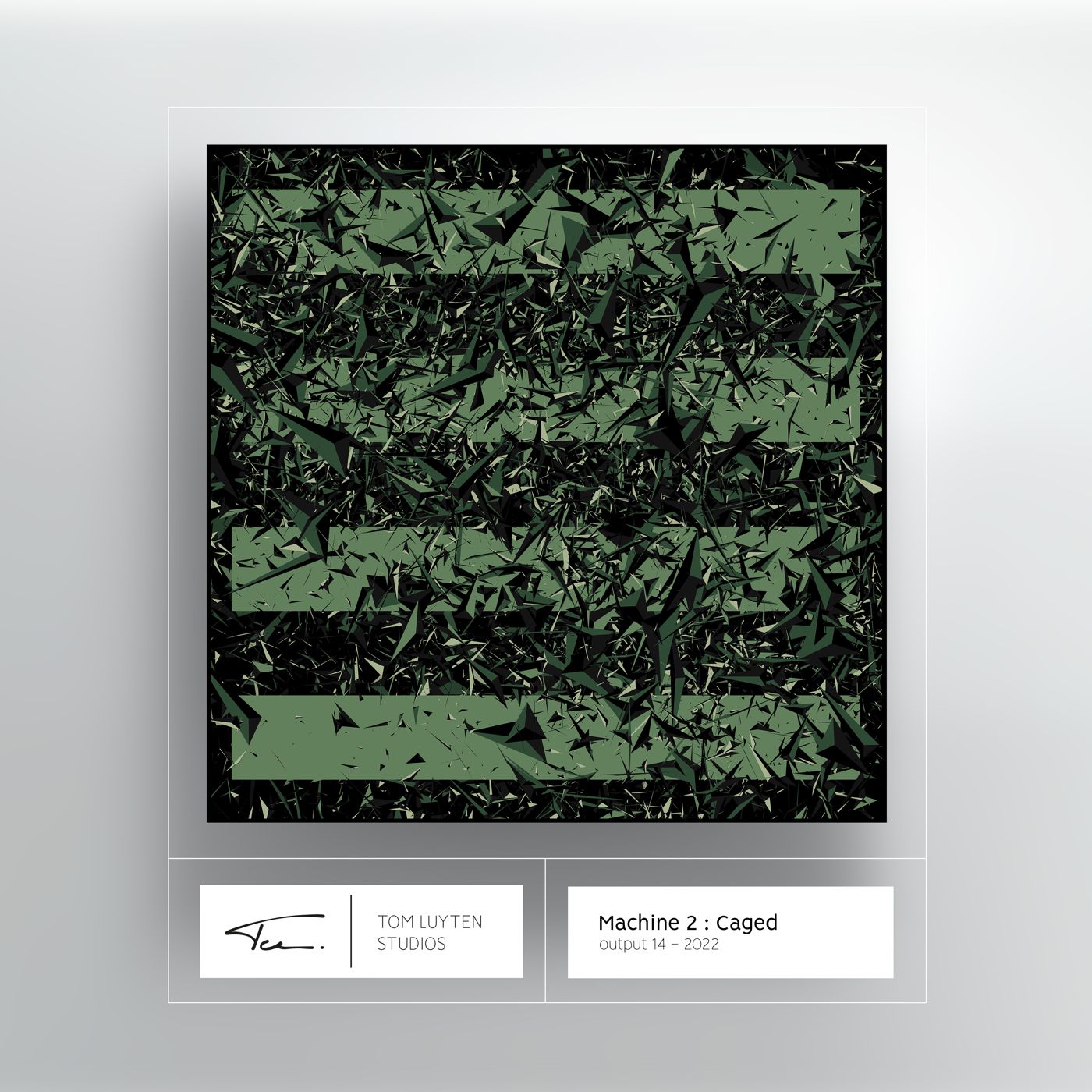
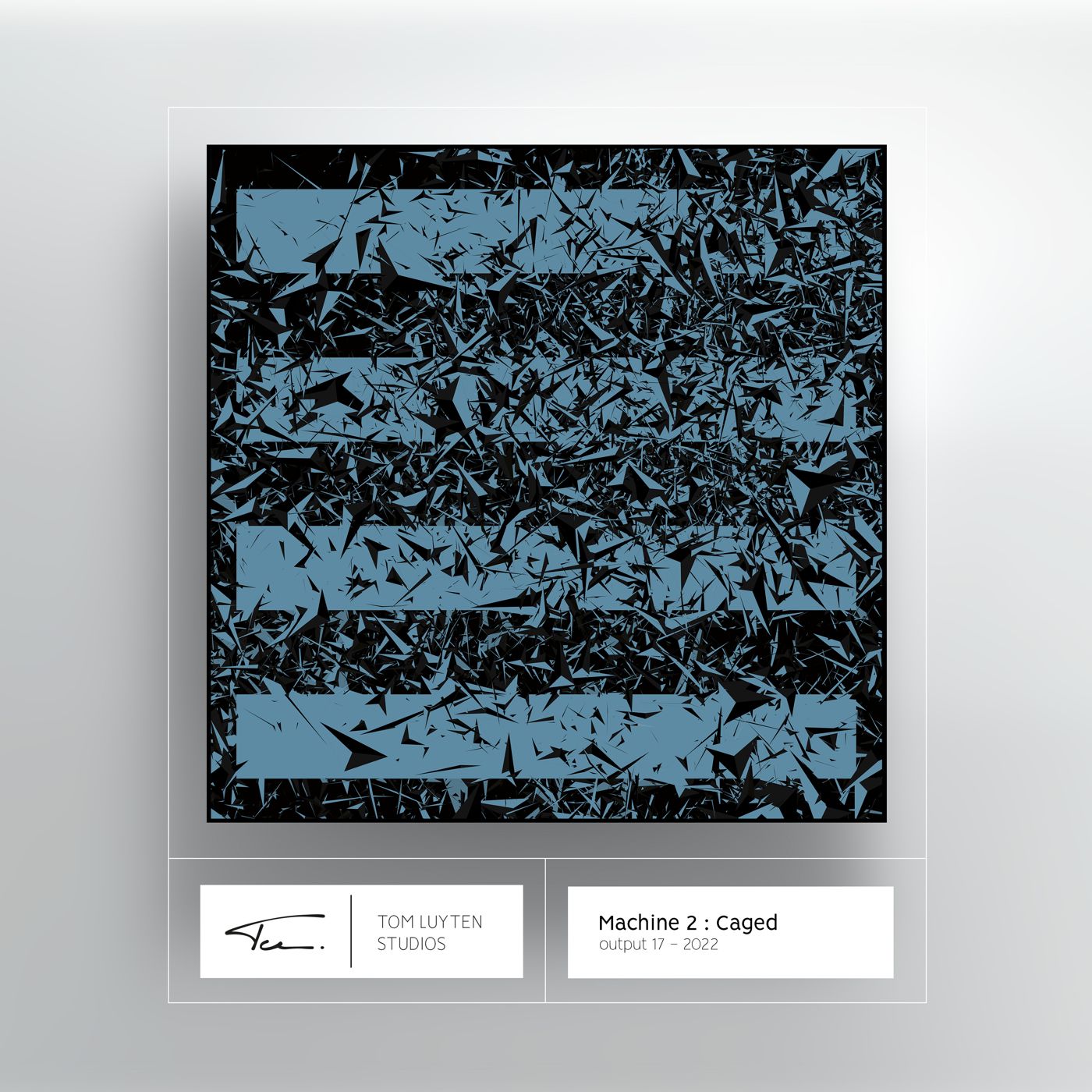
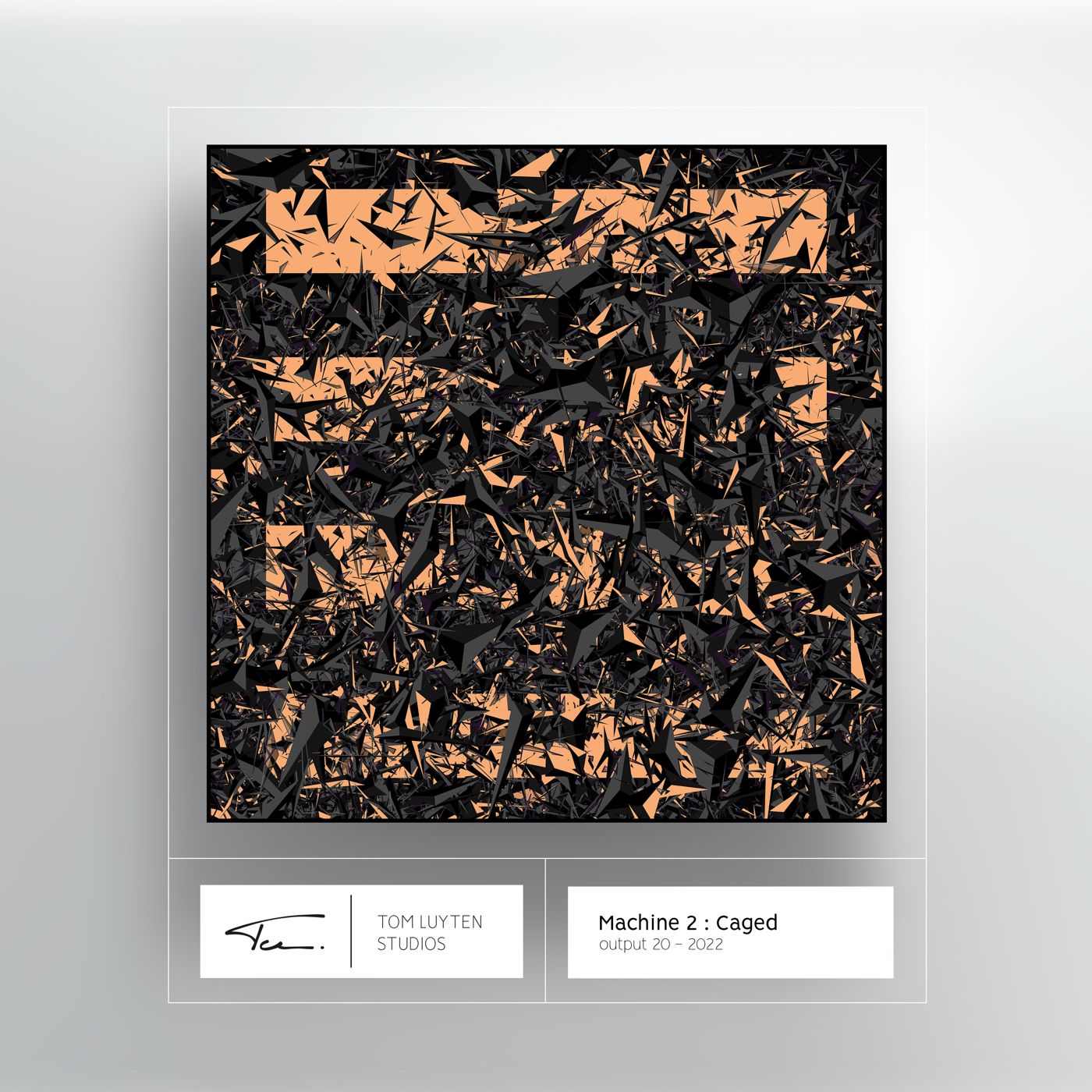
Shards push through horizontal bars that recall both national flags and cages.
Outputs 1 to 10 were released as NFTs, outputs 11 to 20 as art prints.
- Type
- Generative art, NFT, prints
- Tools
- Processing
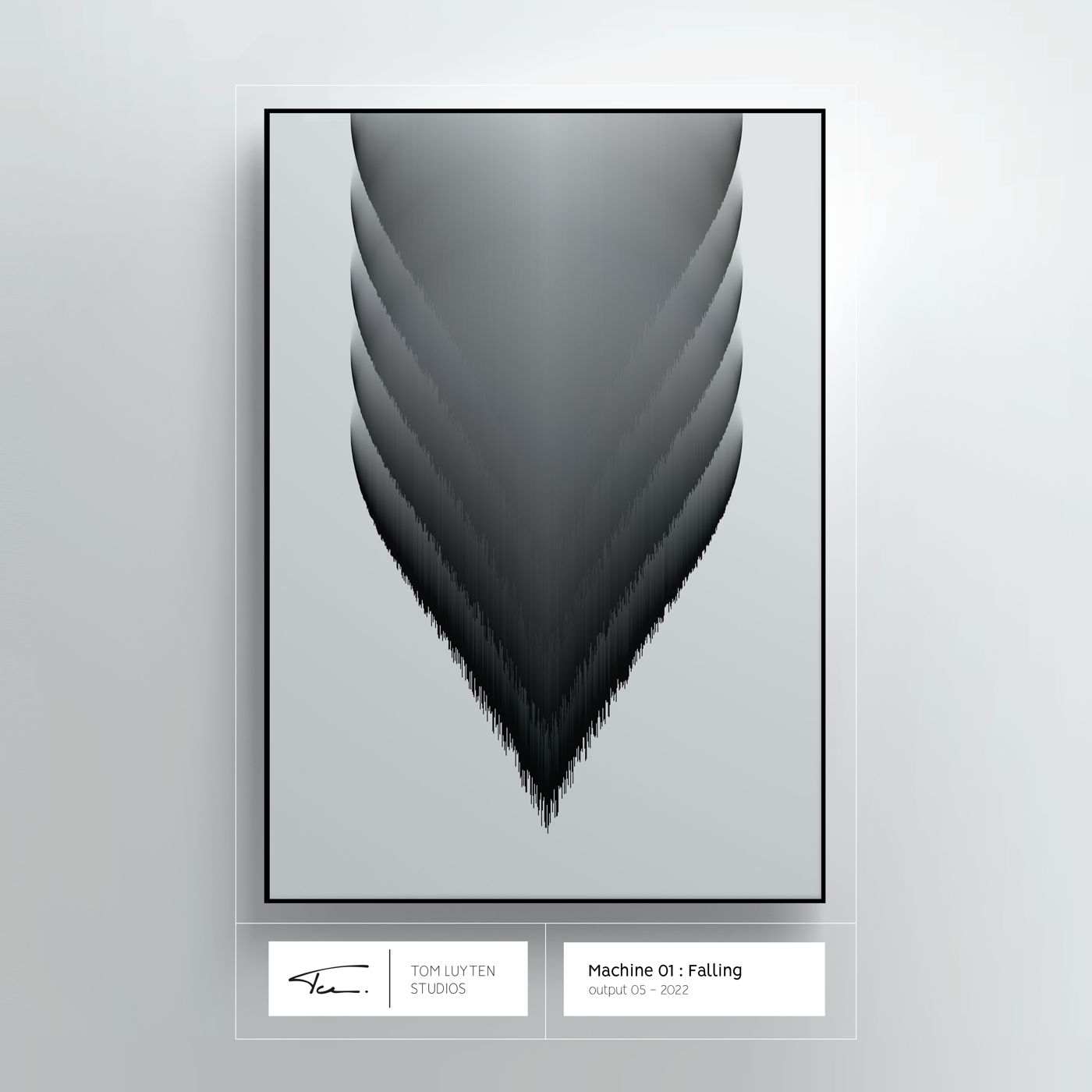
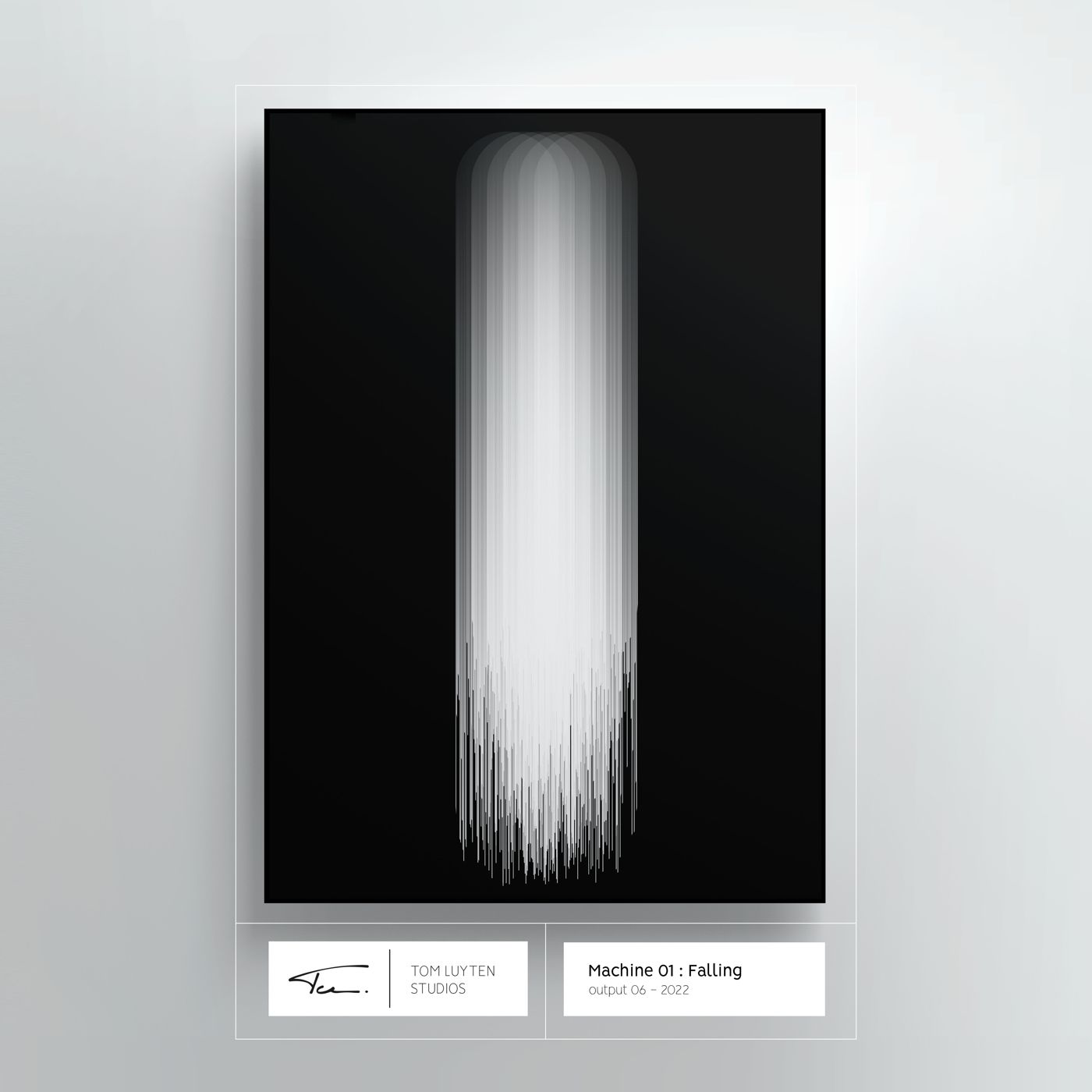
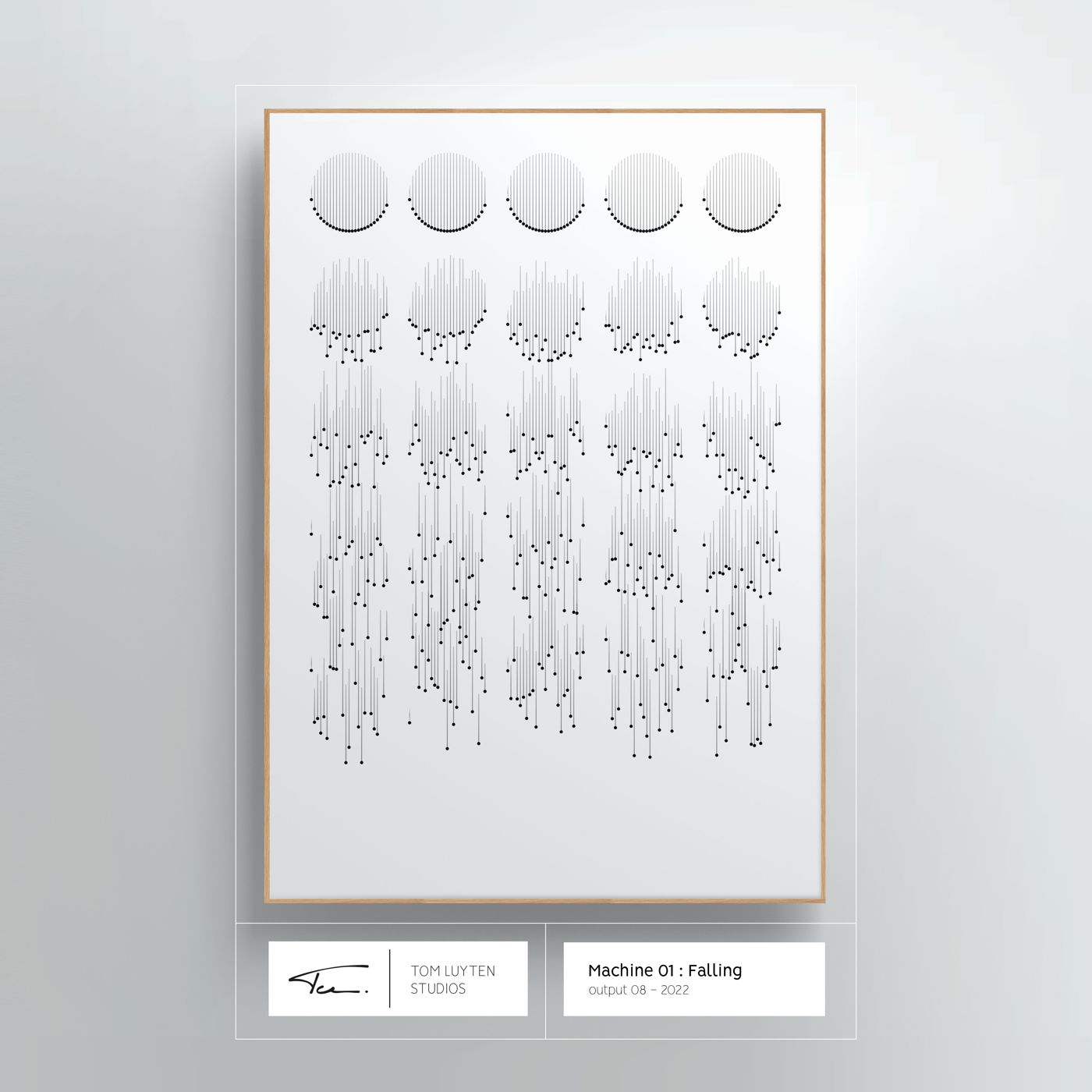
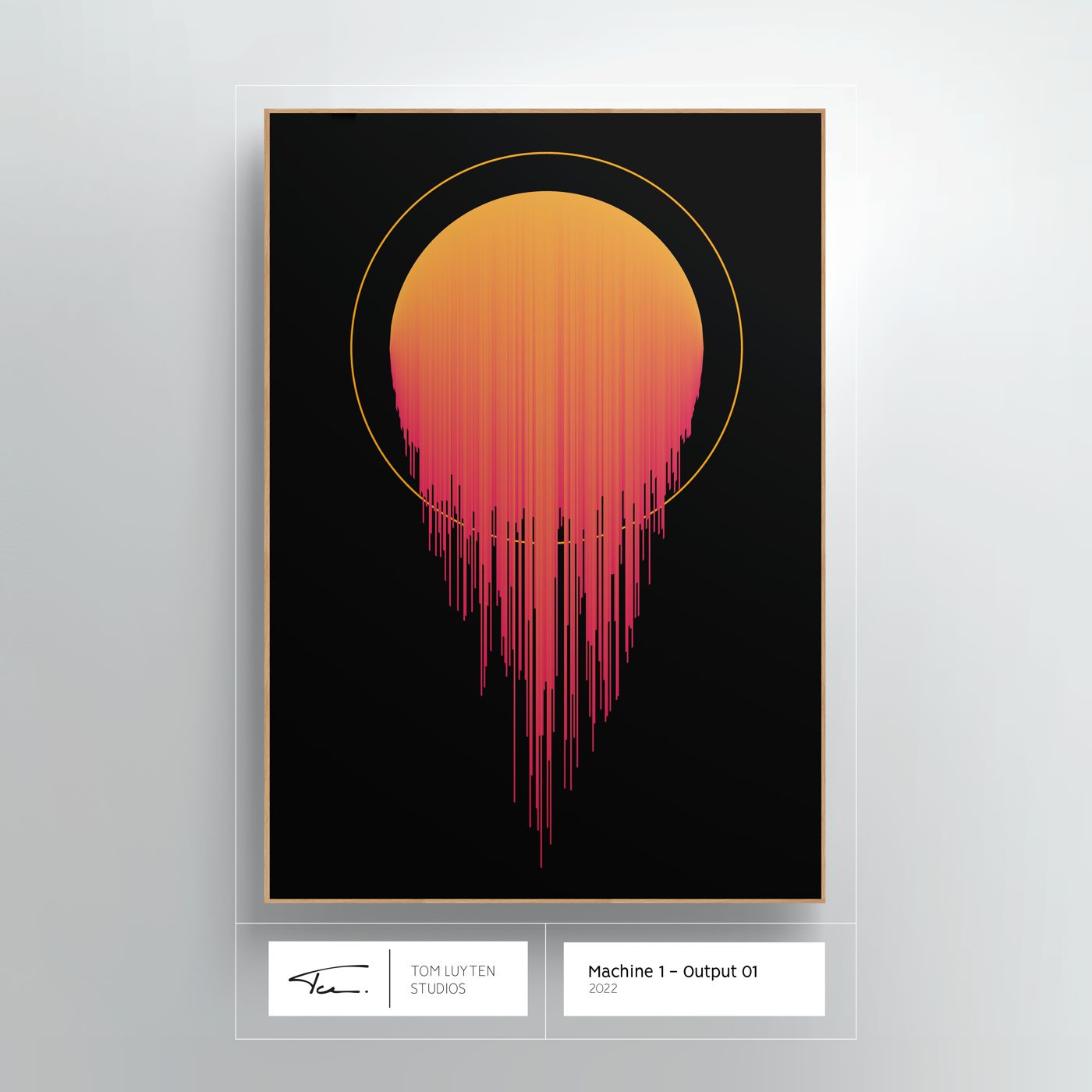 Machine 1: Fallen (print)Celestial bodies that decay.art022
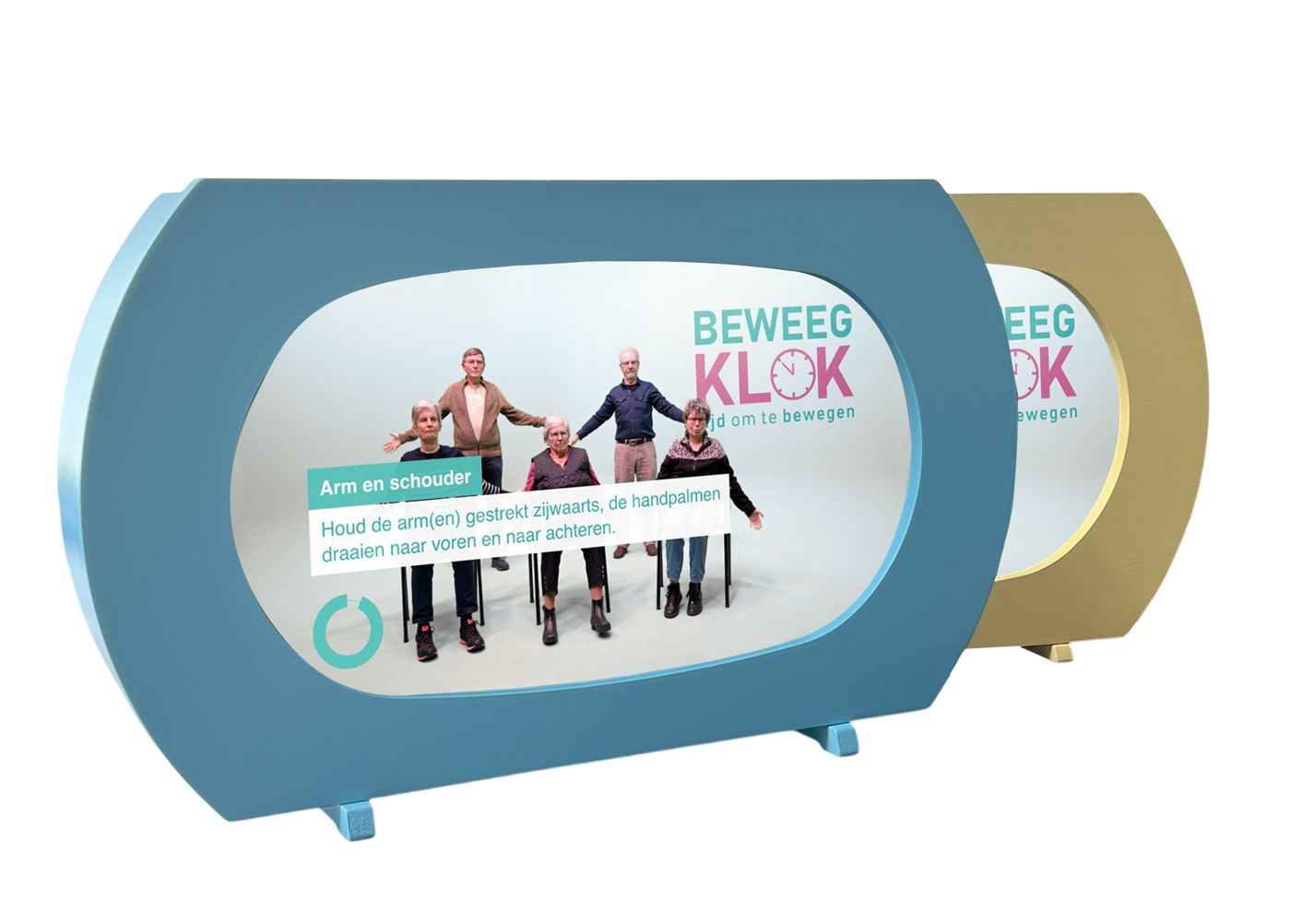
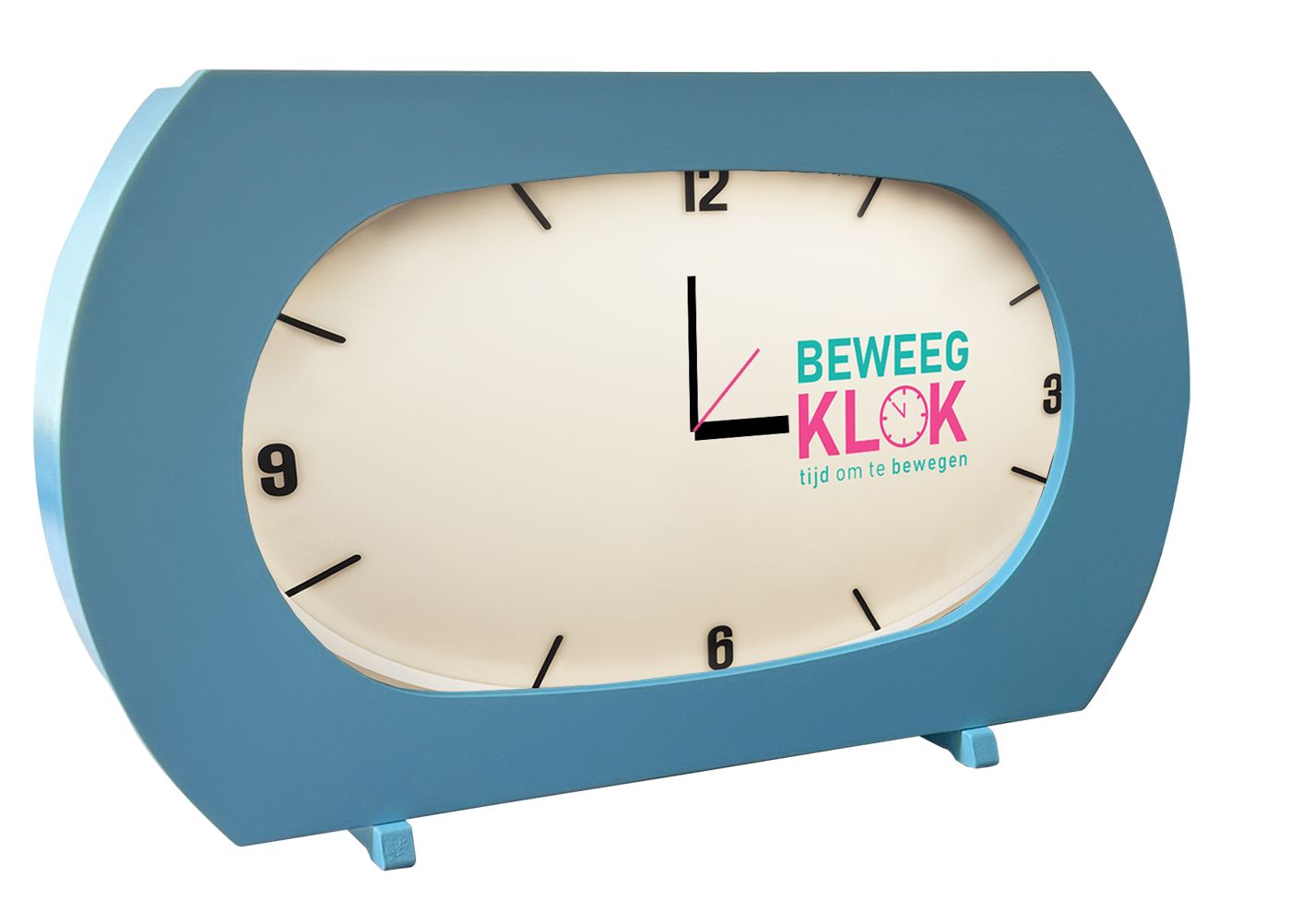 BeweegklokA clock that gets people moving.design023
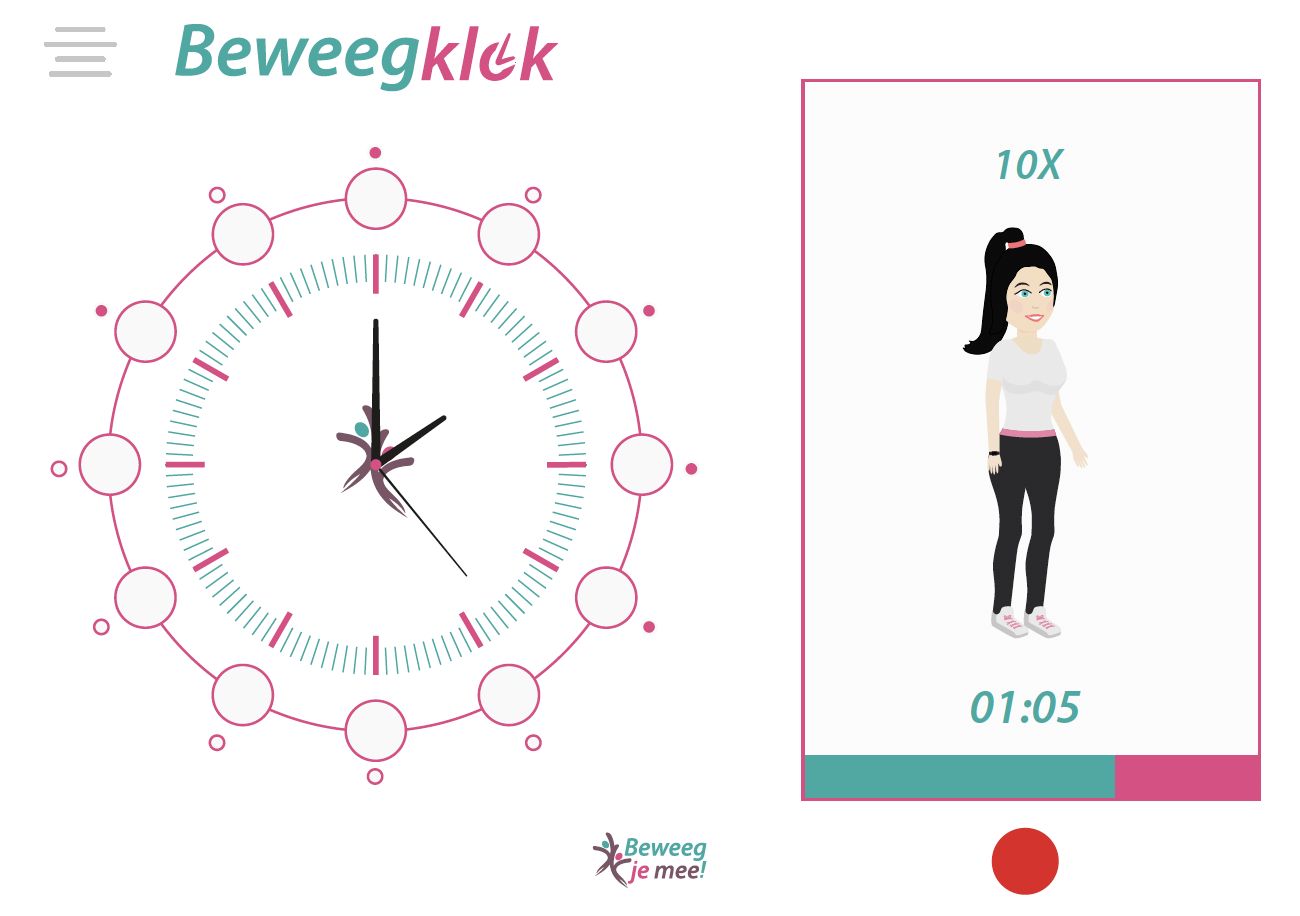
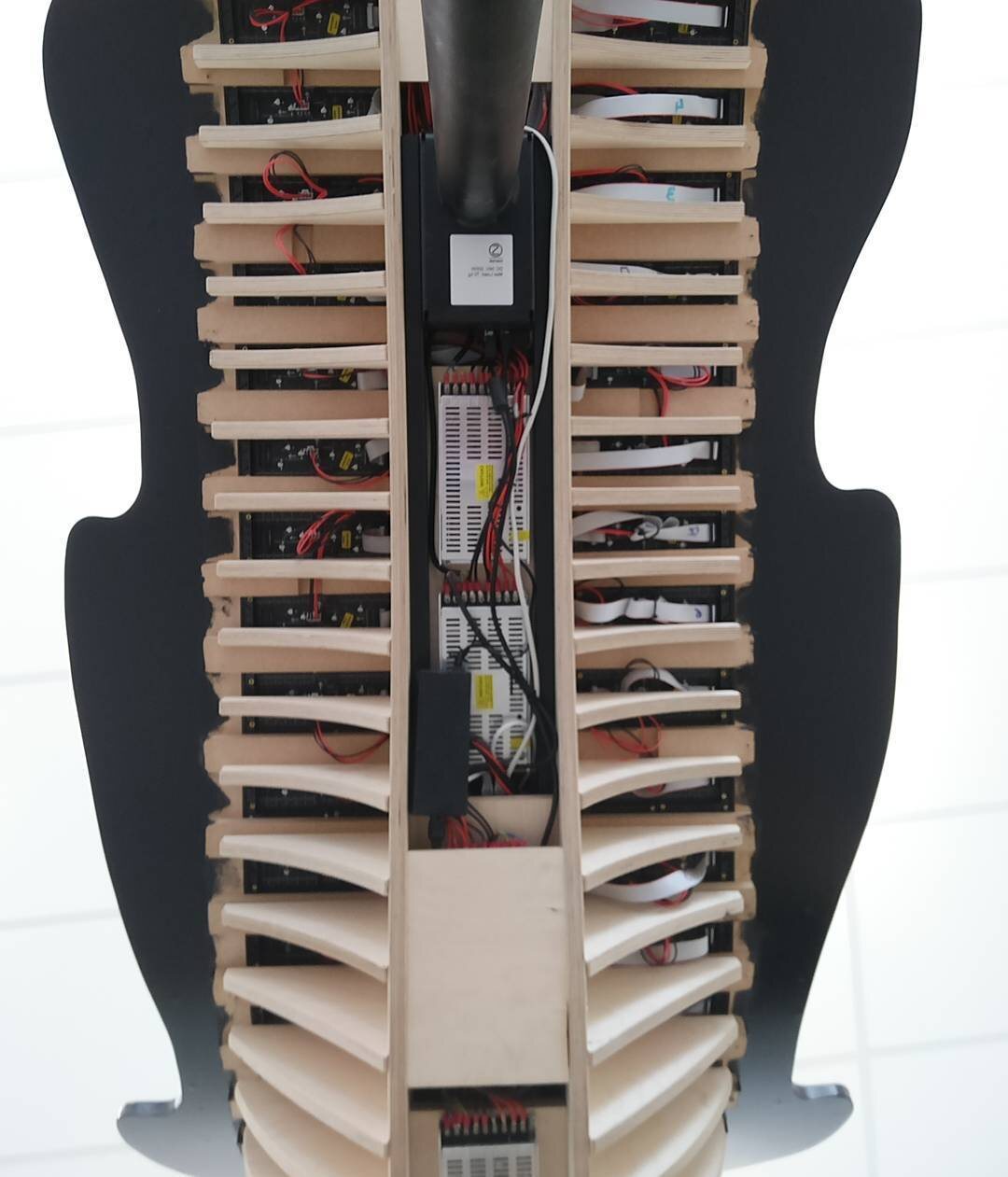
Beweegklok is a clock developed to get people moving in care homes. It supports physical therapy by playing a short exercise film every hour, or at any interval the staff choose.
Plug in a USB stick and it plays custom exercises instead, optimised to keep elderly residents active and healthy. Developed with Experience engineers.
- Type
- Product design
- With
- Experience engineers
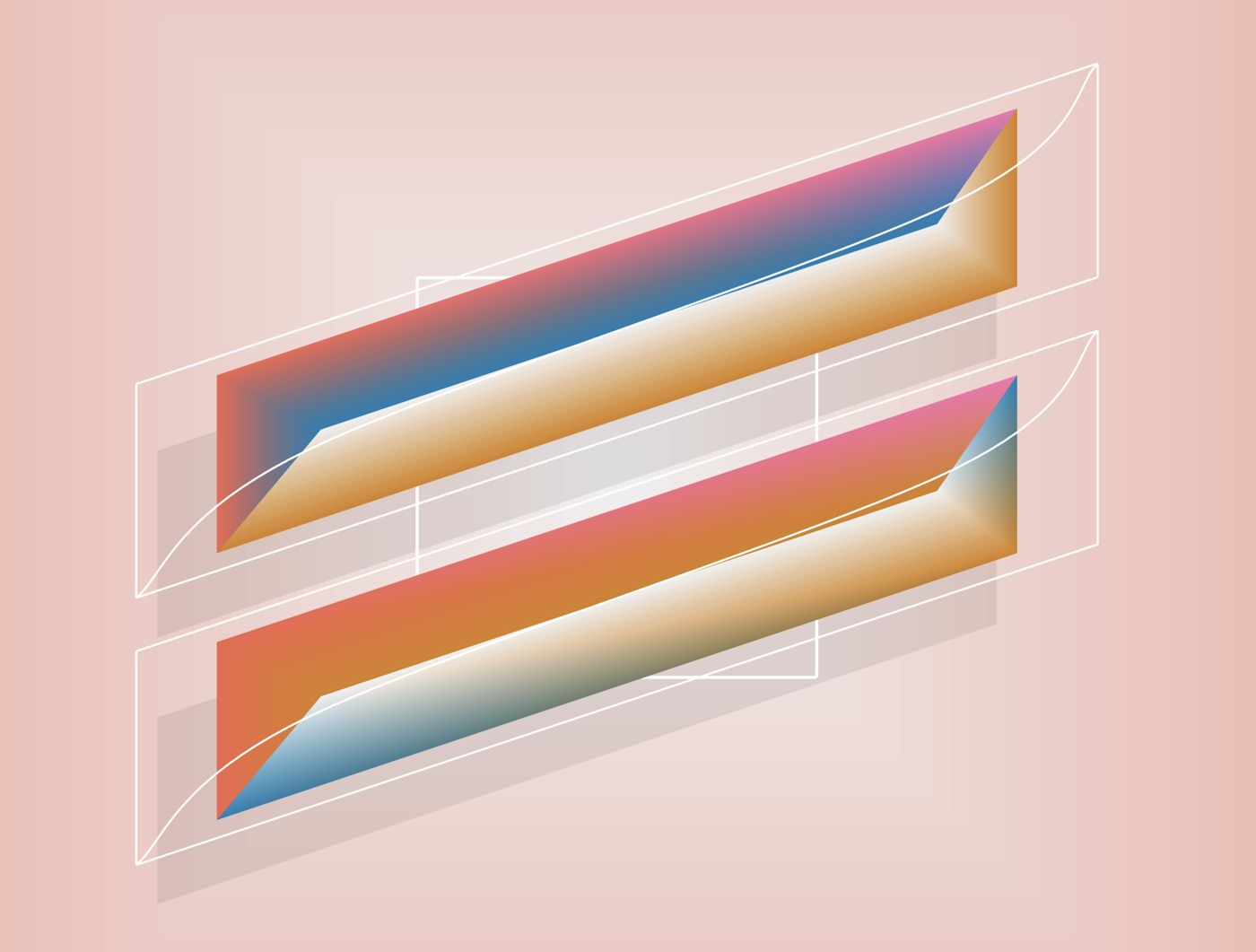
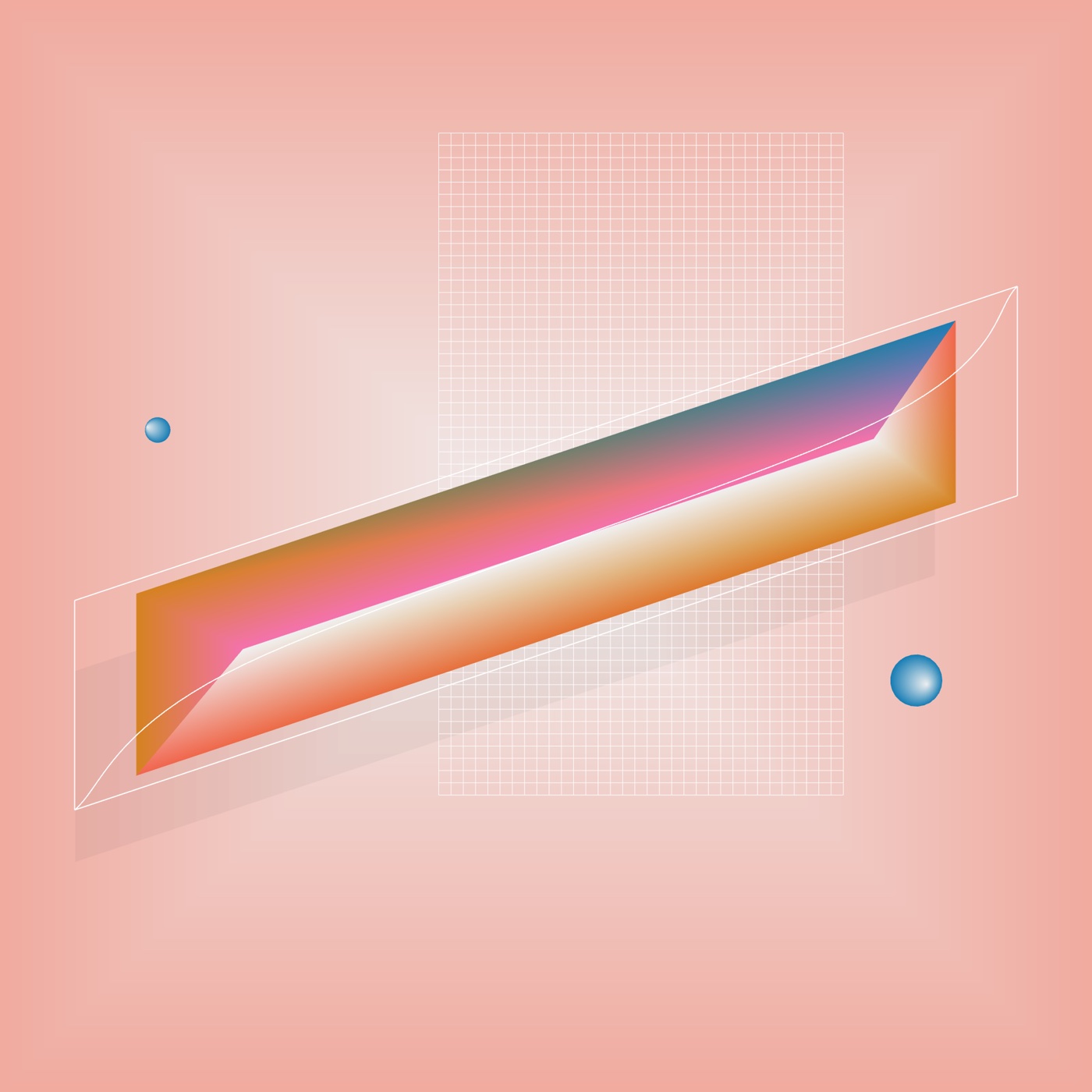
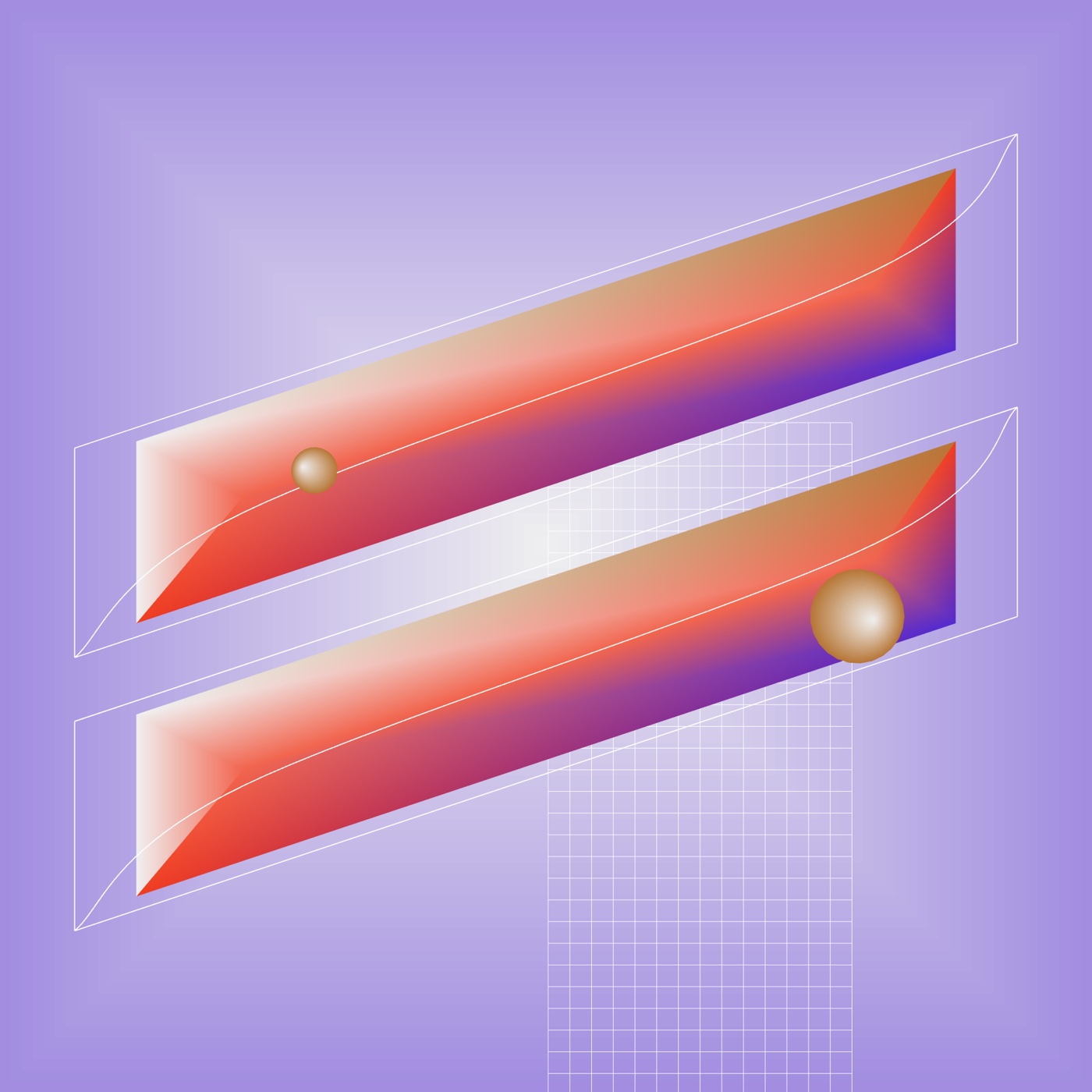
- Machine 12: Slates (NFT)Slanted slates in pastel.art024
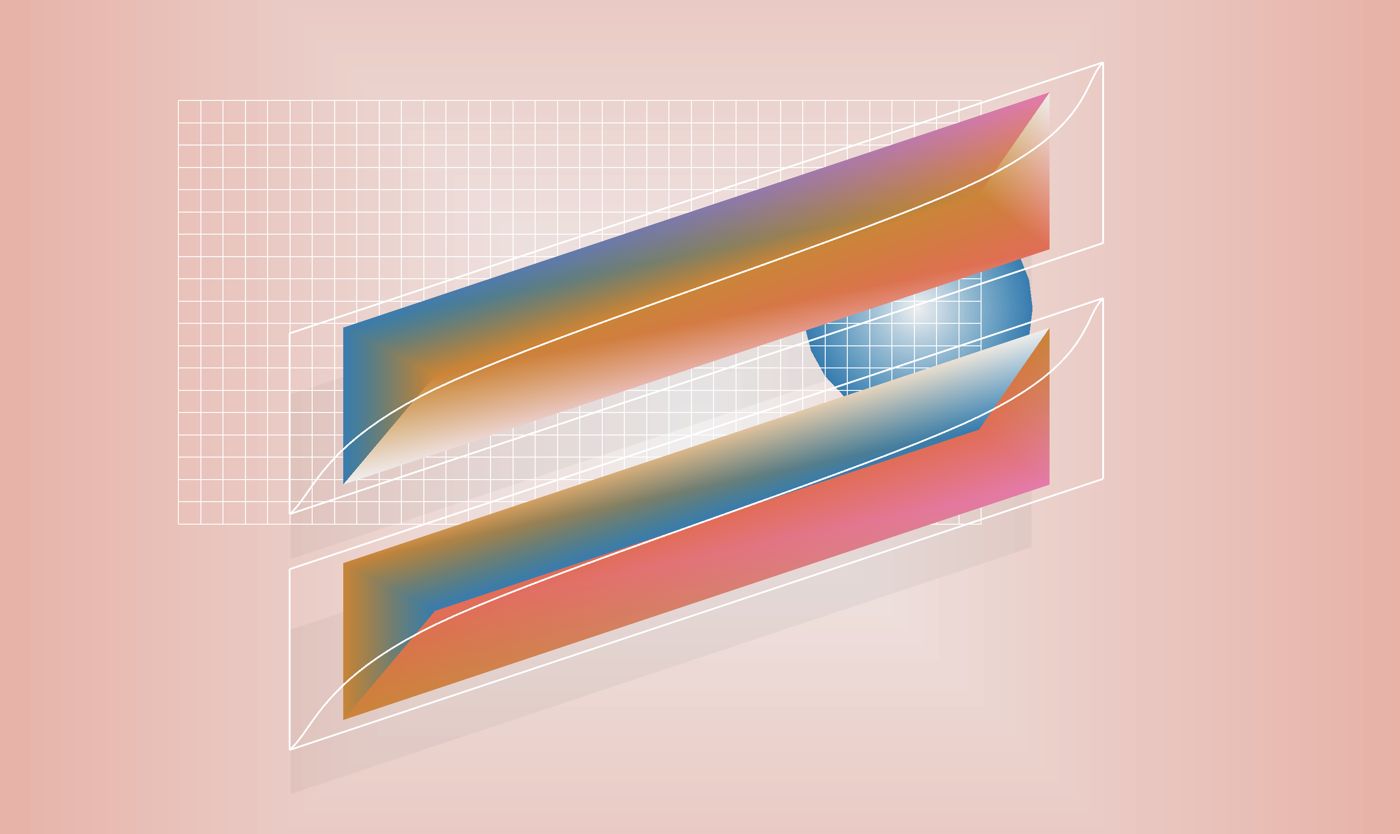
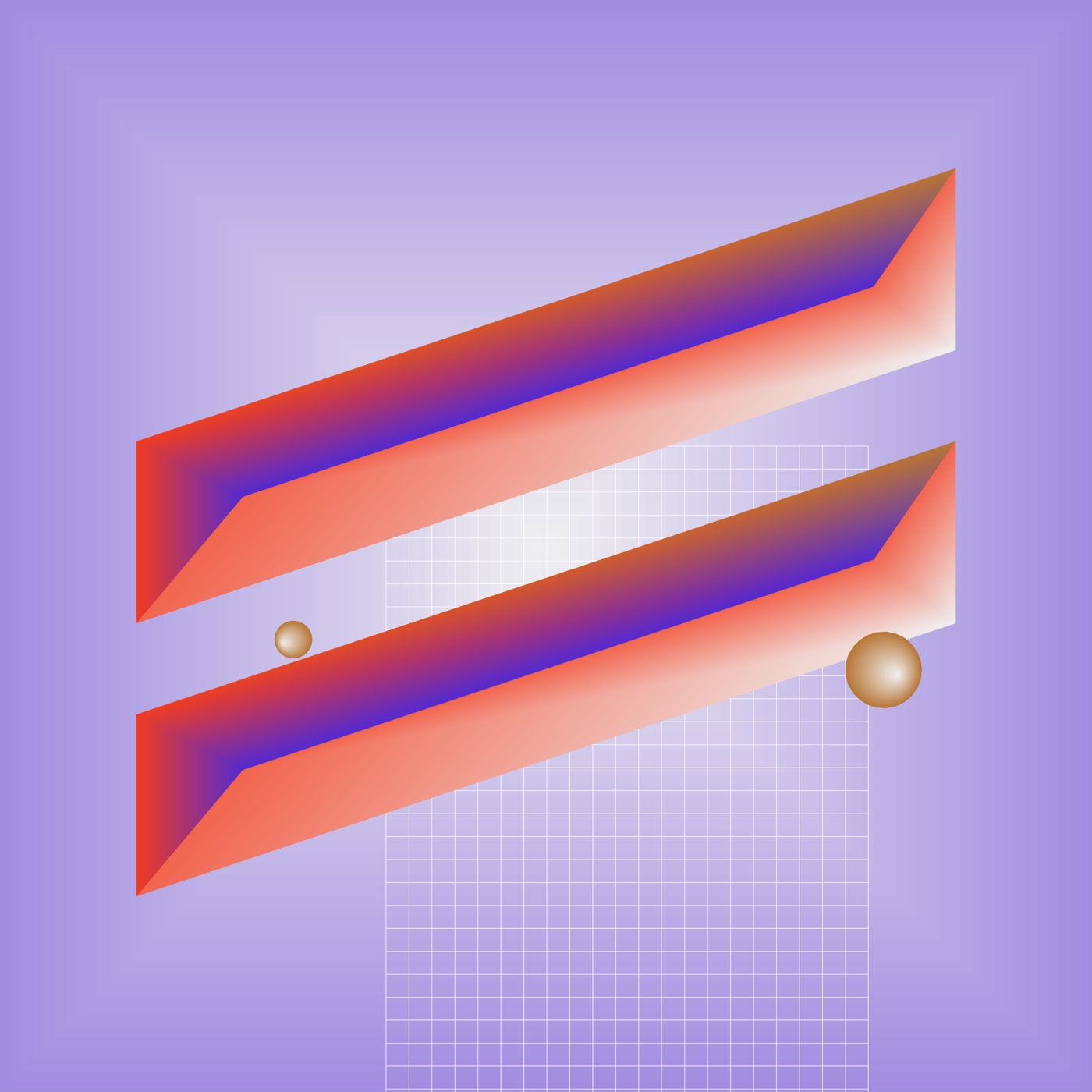
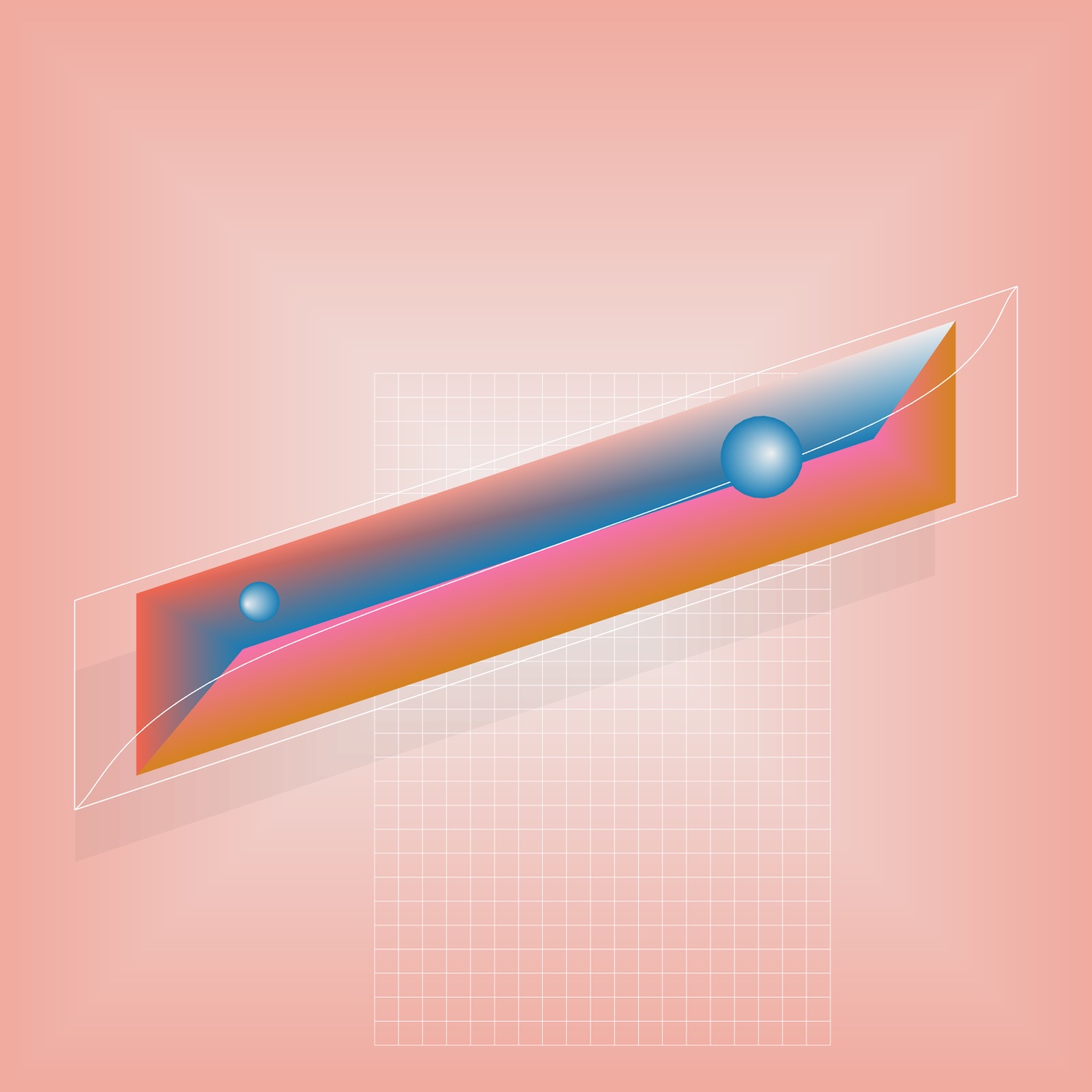
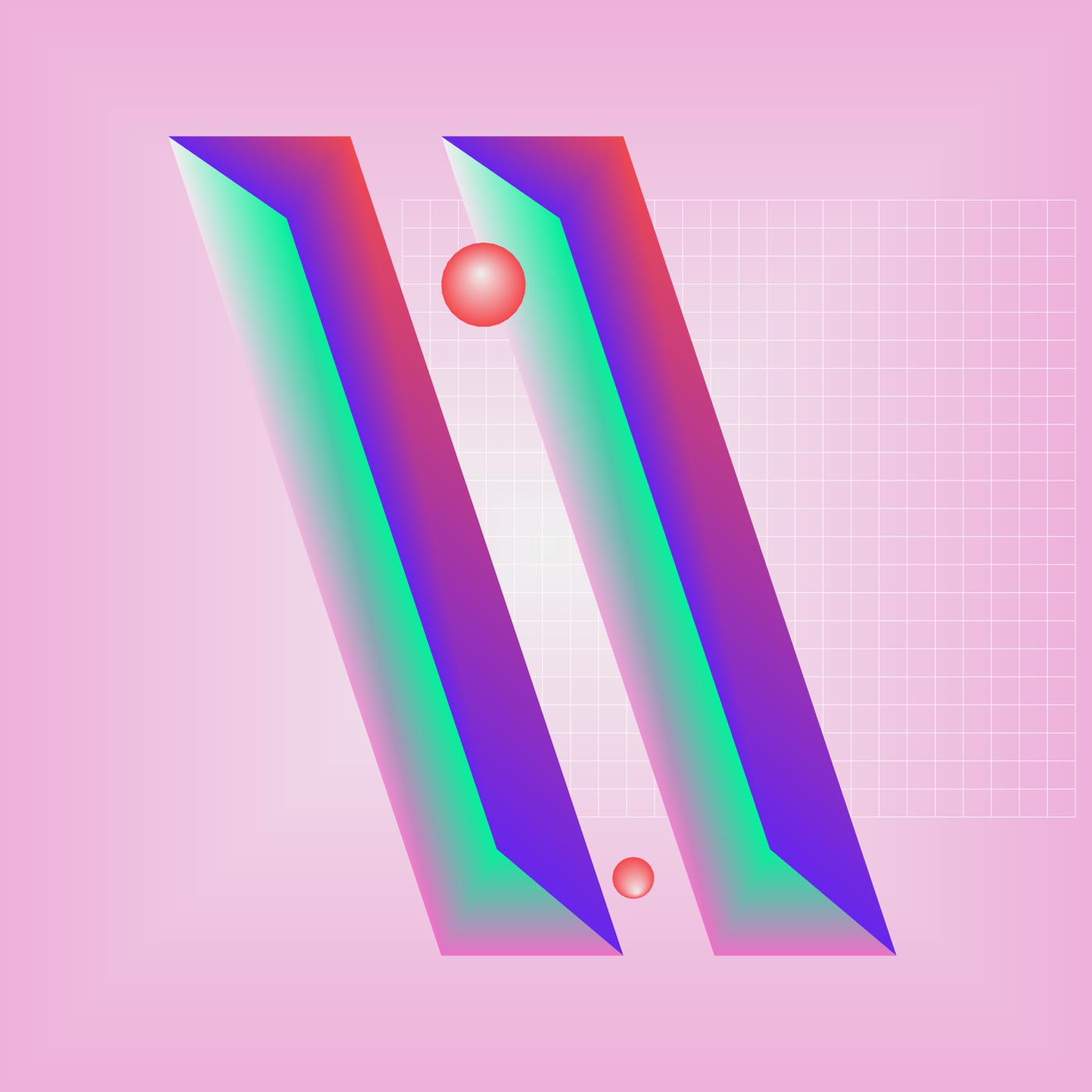
A series of steel slates that reflect a bright mix of neon and vintage colours. The compositions refer to an 80s aesthetic: 1, 2 or 3 slates, horizontal or vertical, in 9 palettes.
- Type
- Generative art
- Platform
- fxhash, March 2022, 100 editions
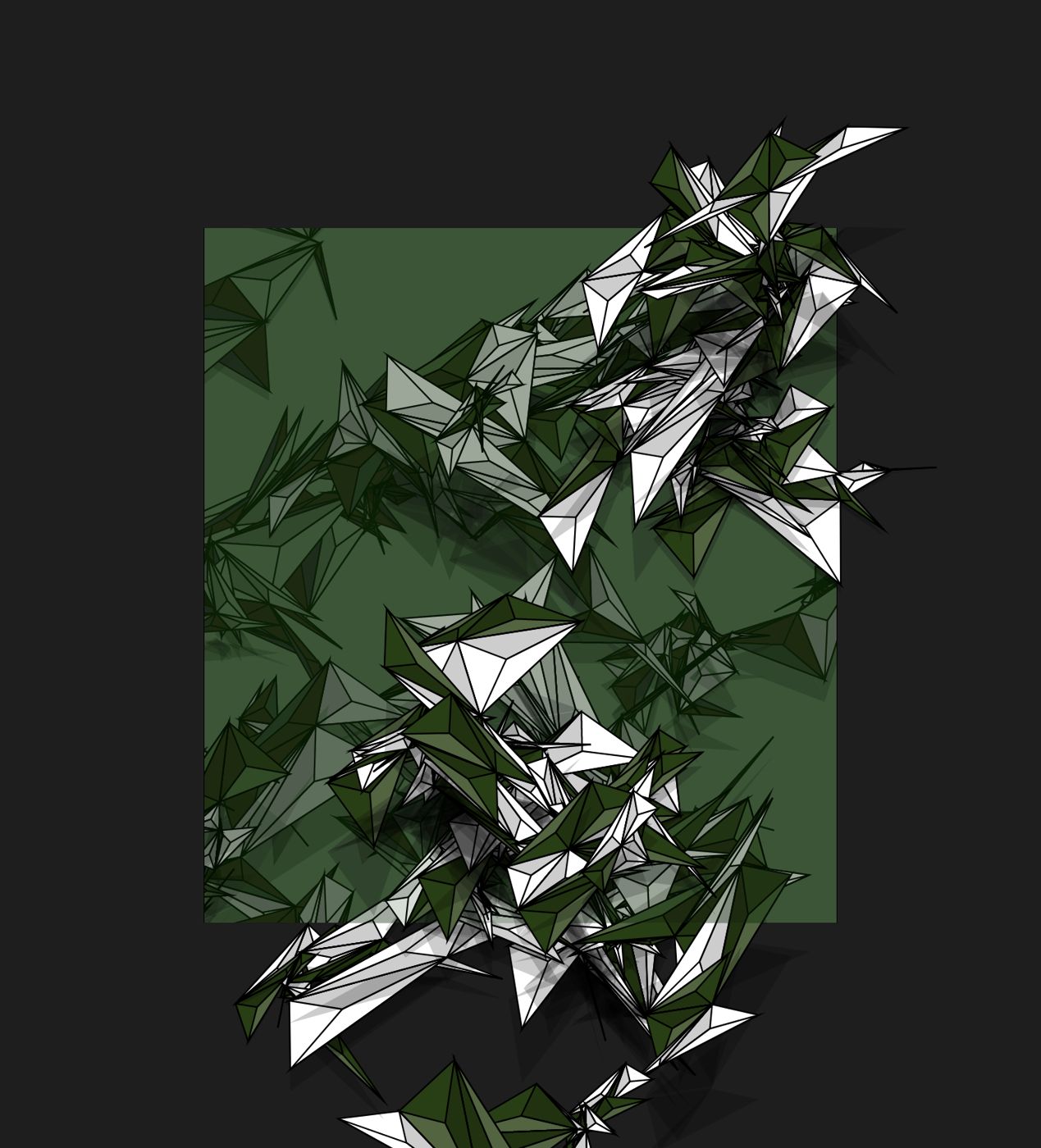
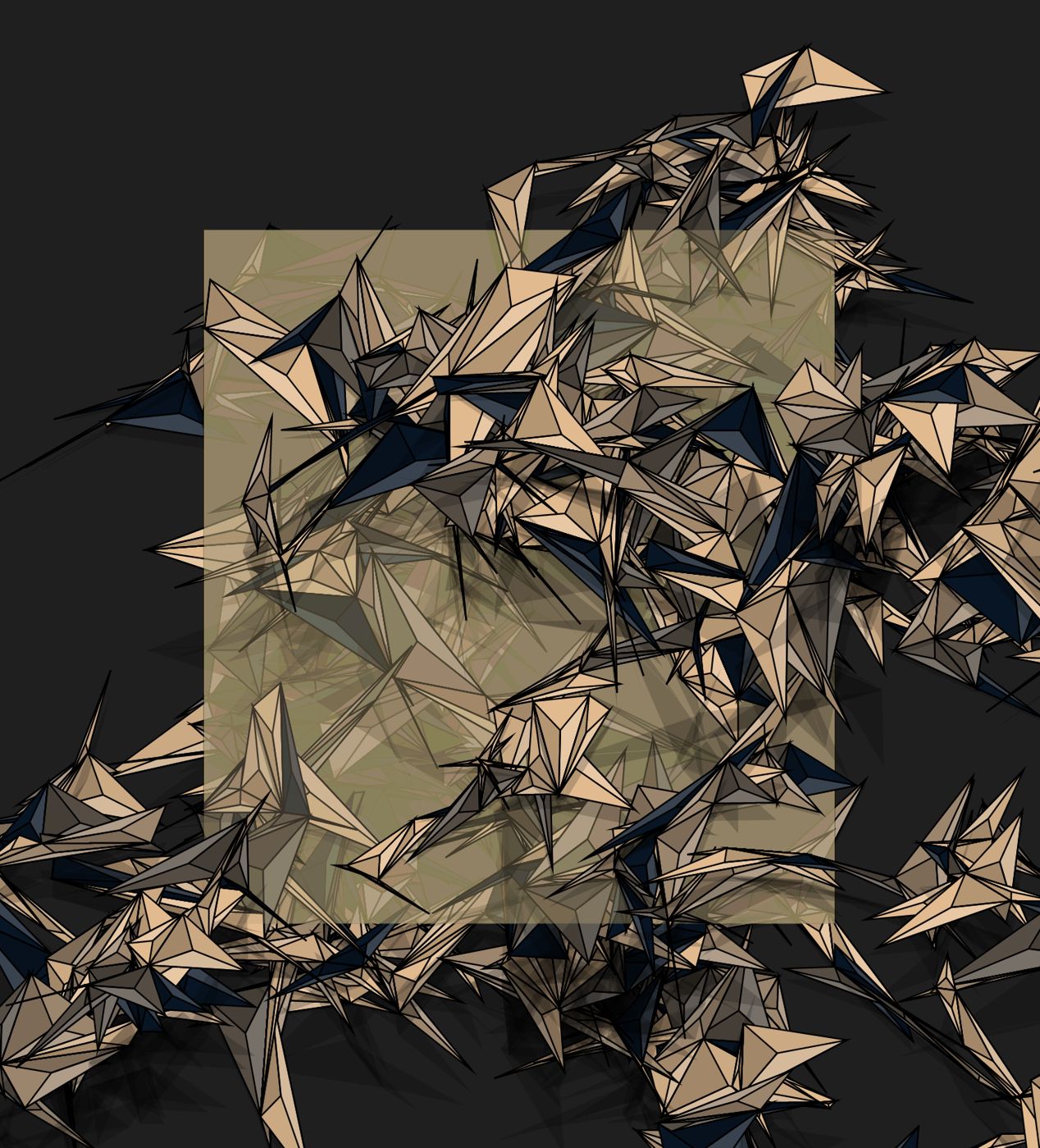
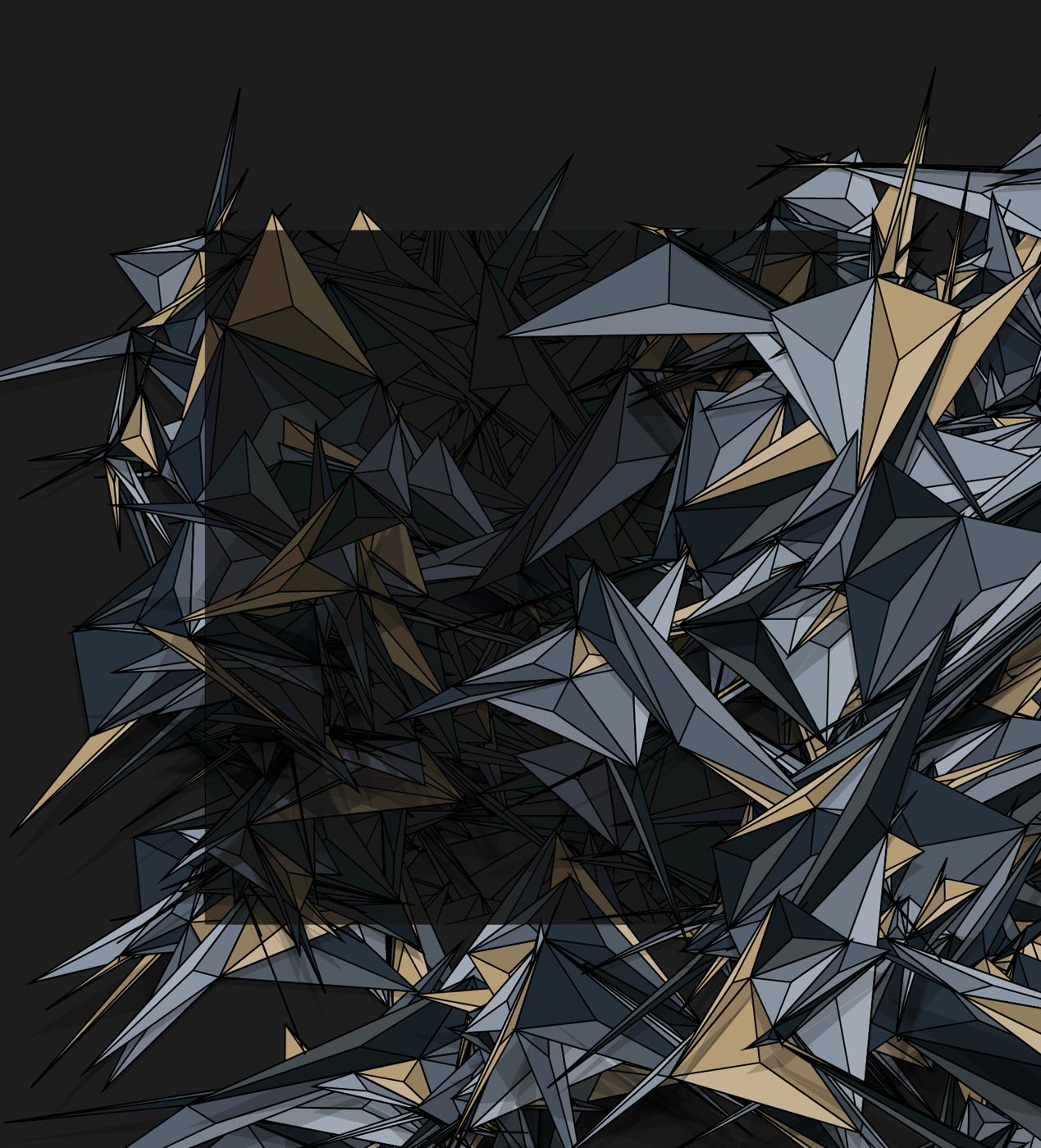
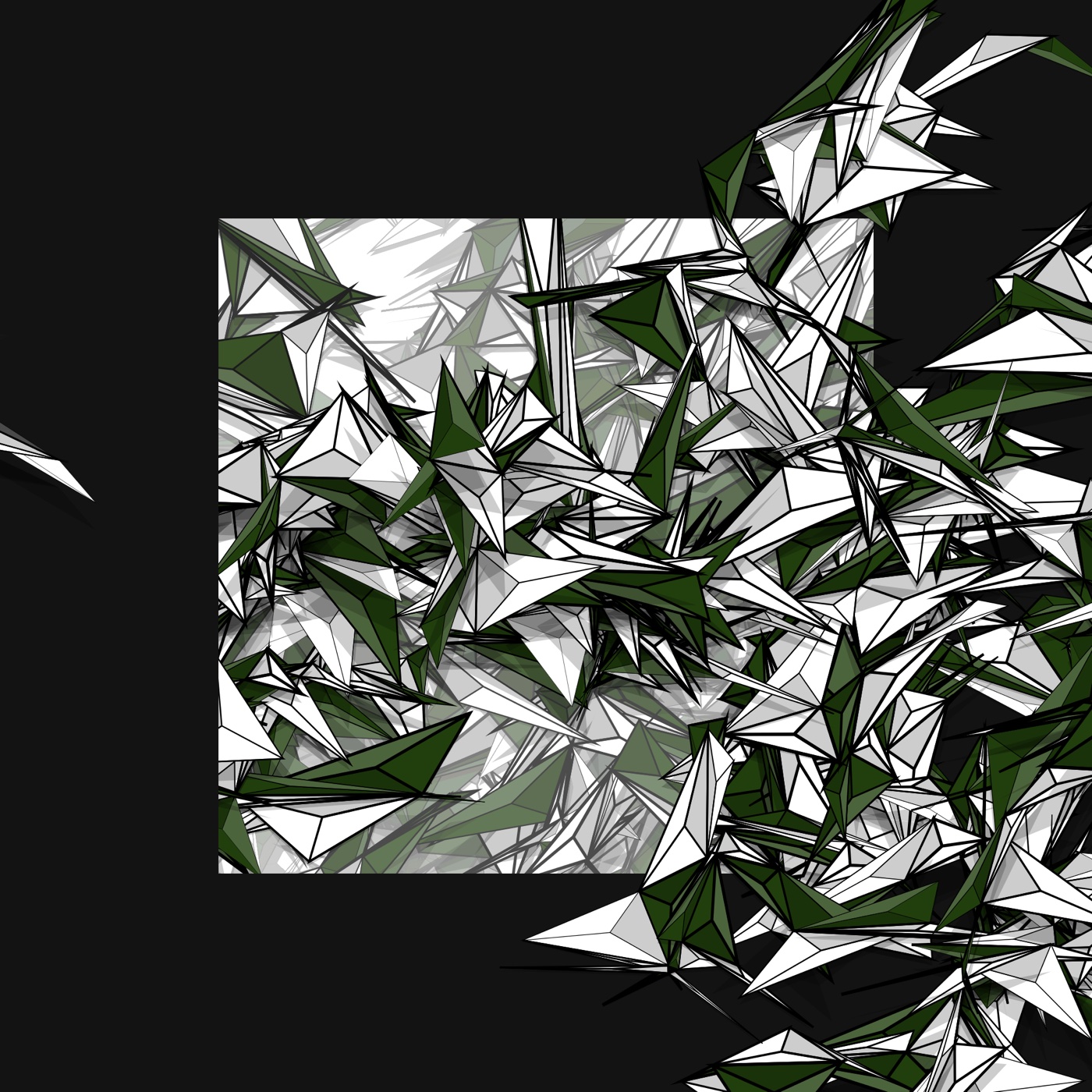
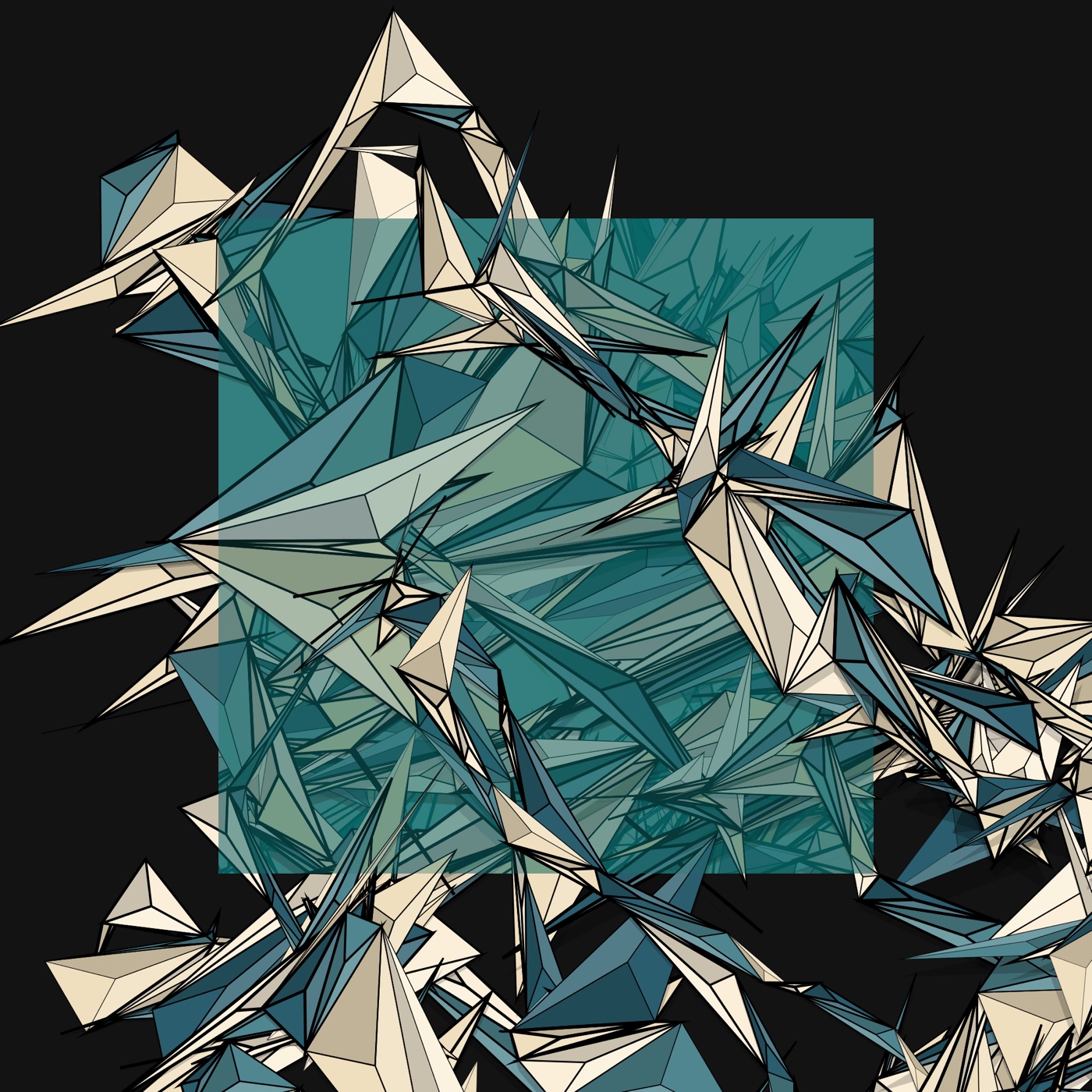
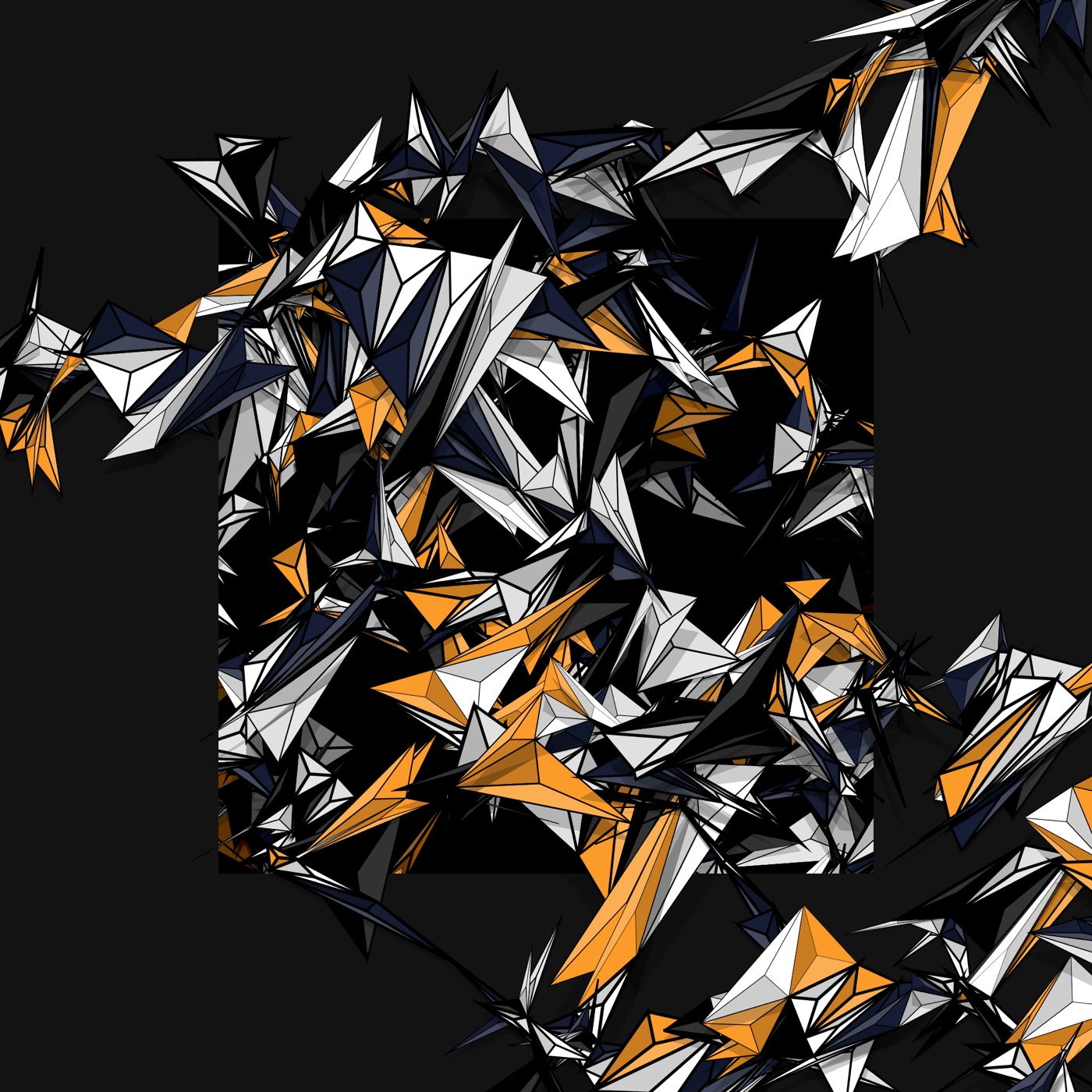
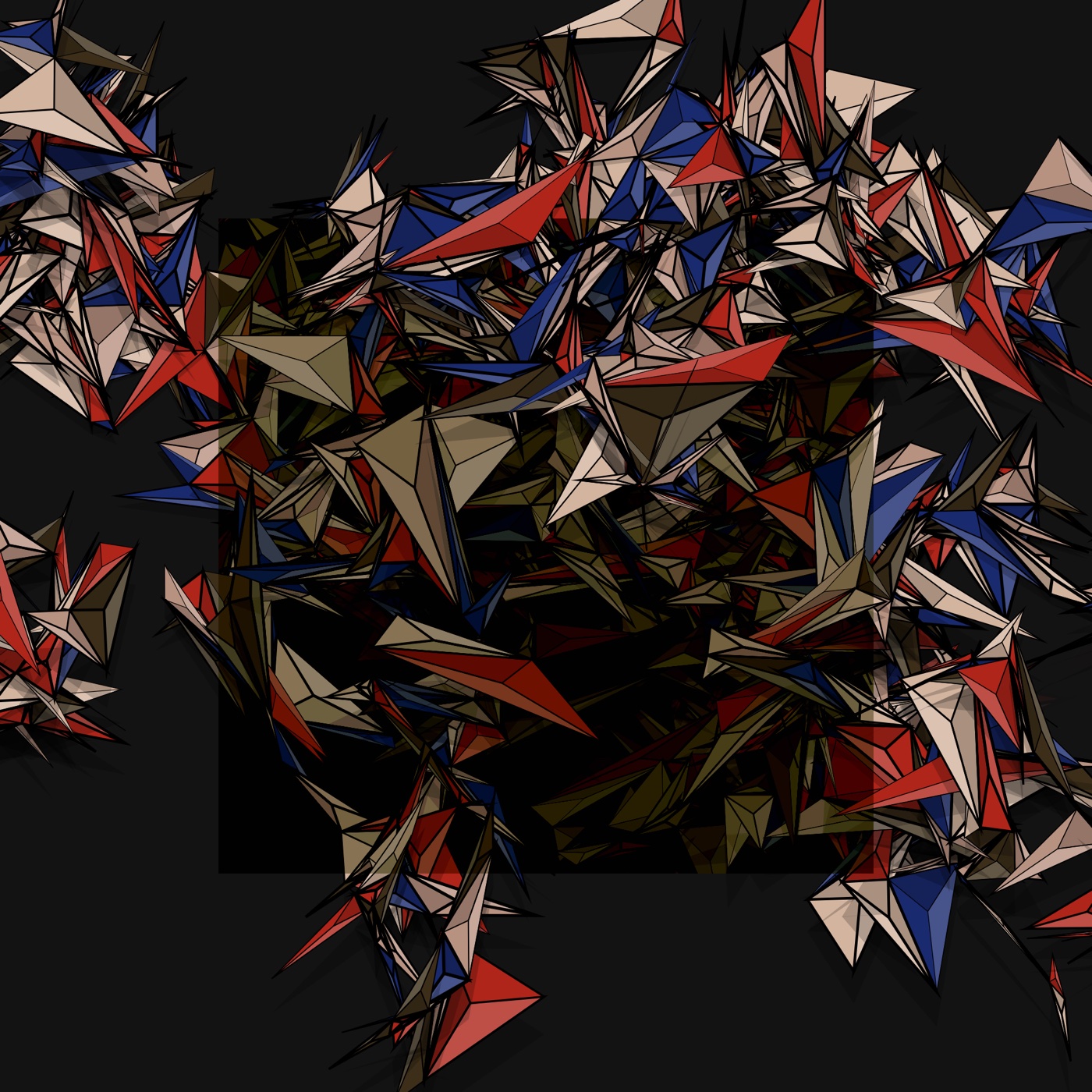
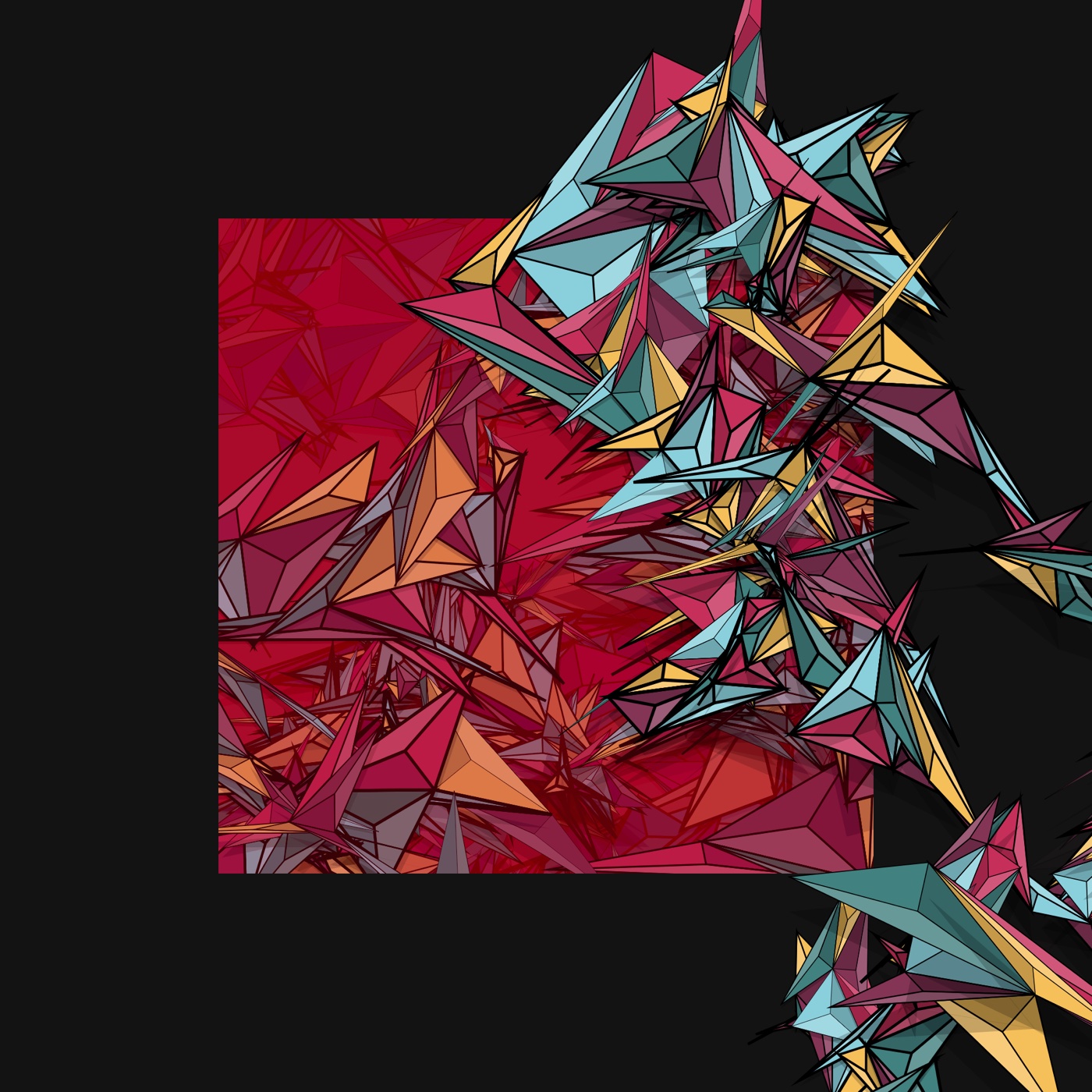
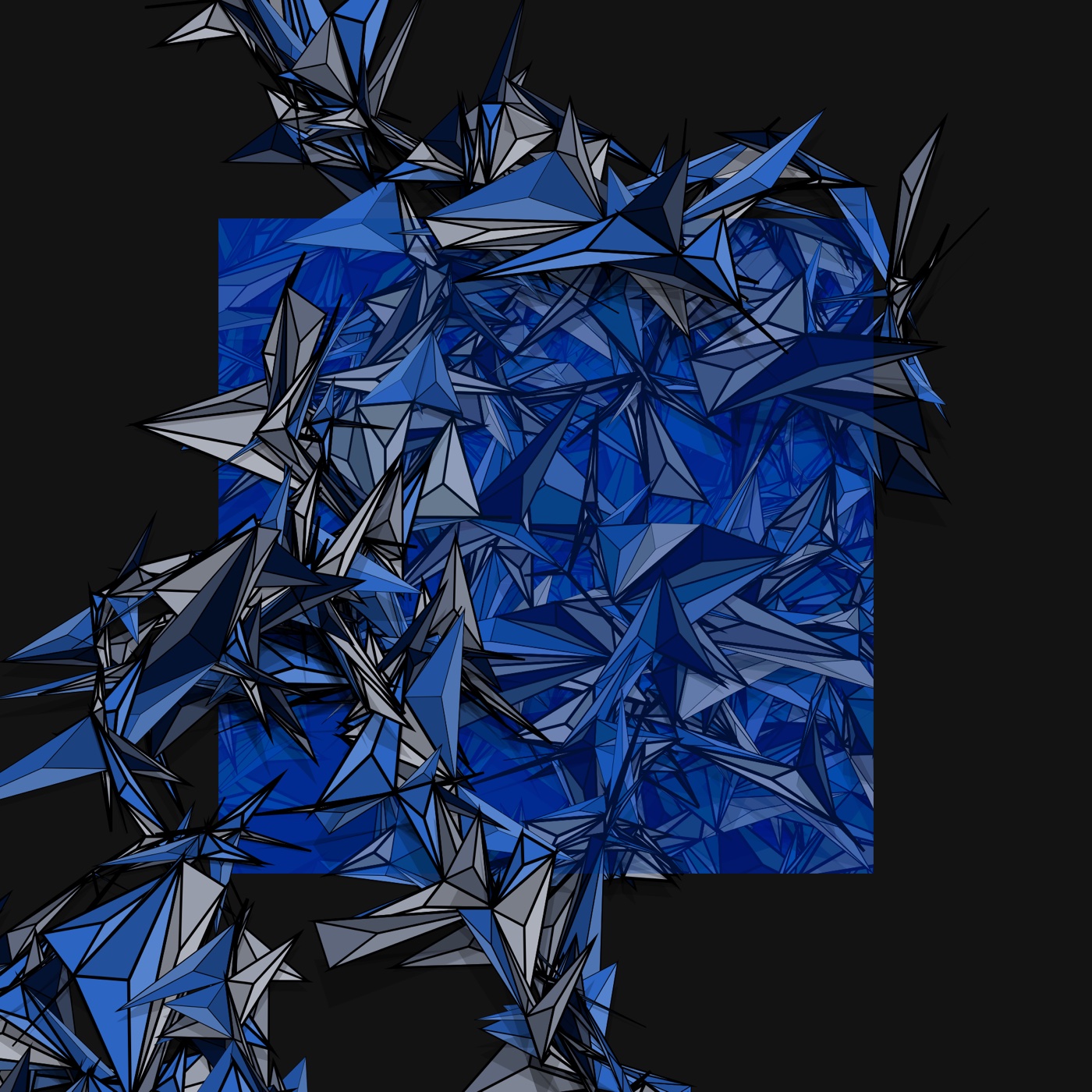
- Machine 14: Blackbirds (NFT)Folded shapes in dark colours.art025
A dark rework of the Paradise Birds series. A constantly generating composition of birds appears and disappears through fading backgrounds and foregrounds, inspired by the flight of a bird.
- Type
- Generative art
- Platform
- fxhash, November 2022, 250 editions
- 2021
 Founded RipperDocsMasks and stage wear for DJs and artists.design026
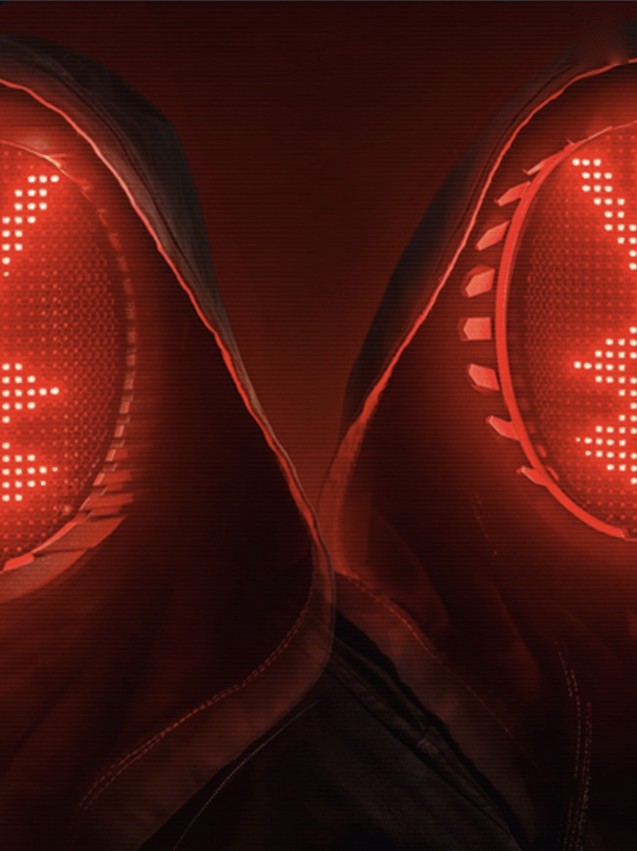
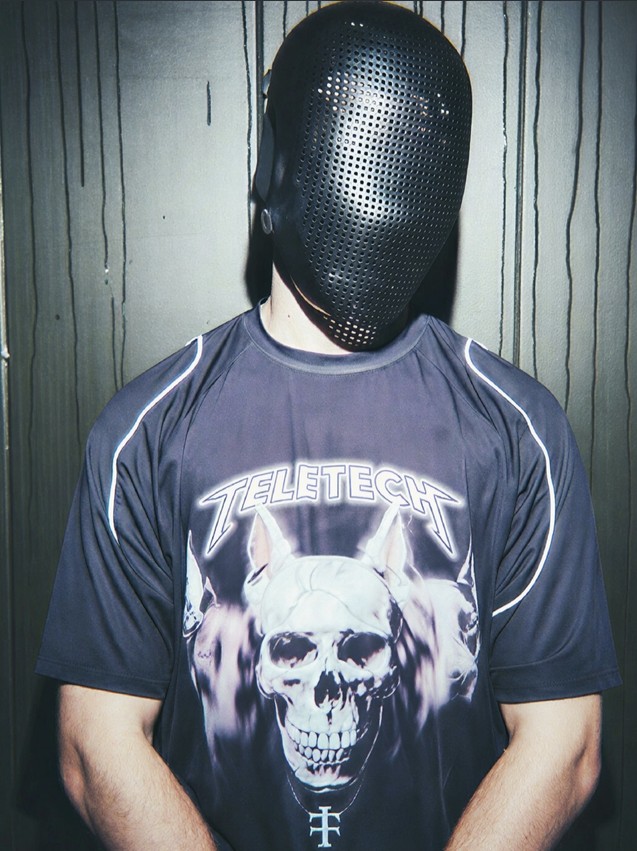
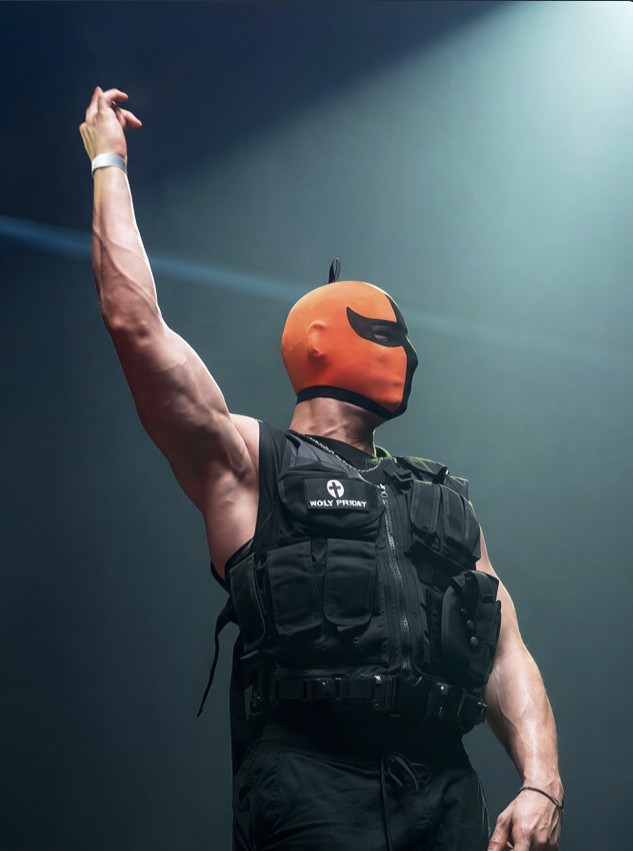
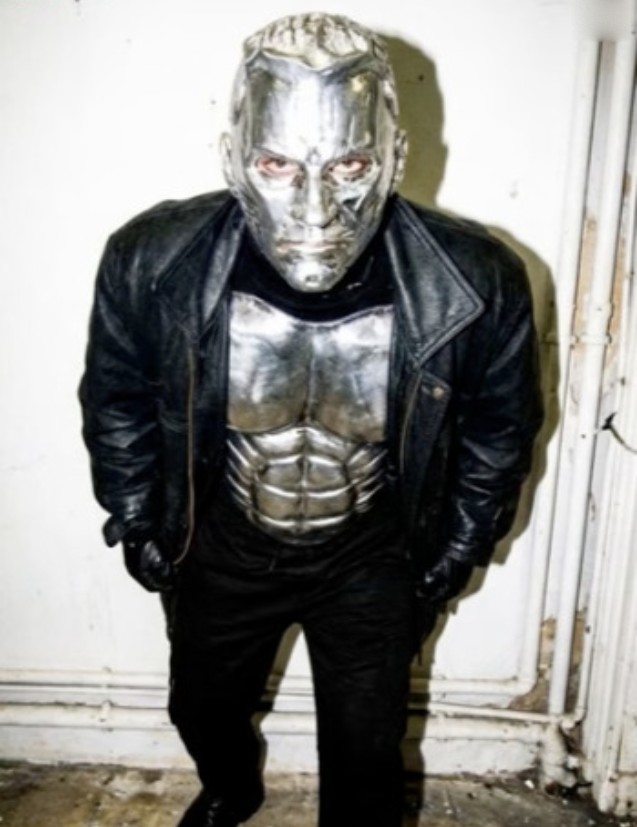
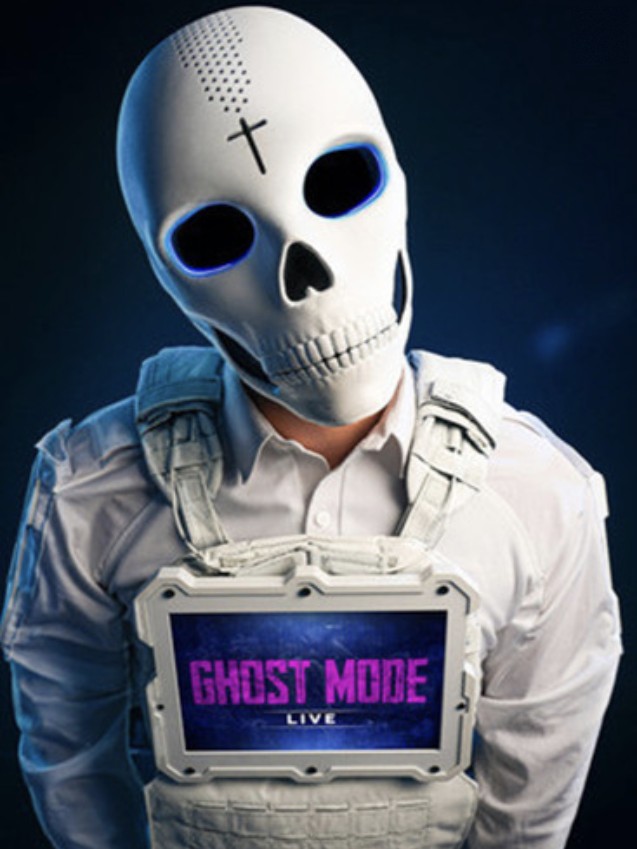
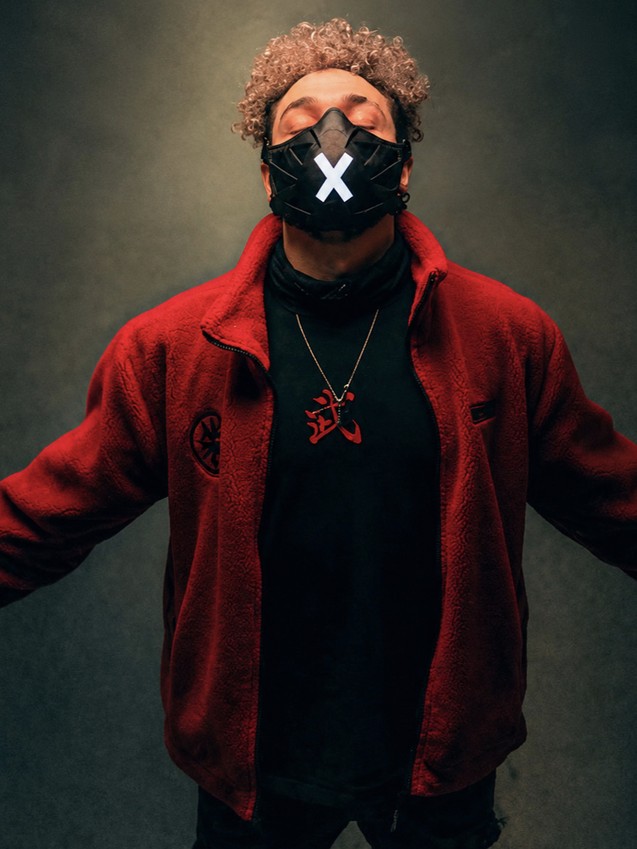
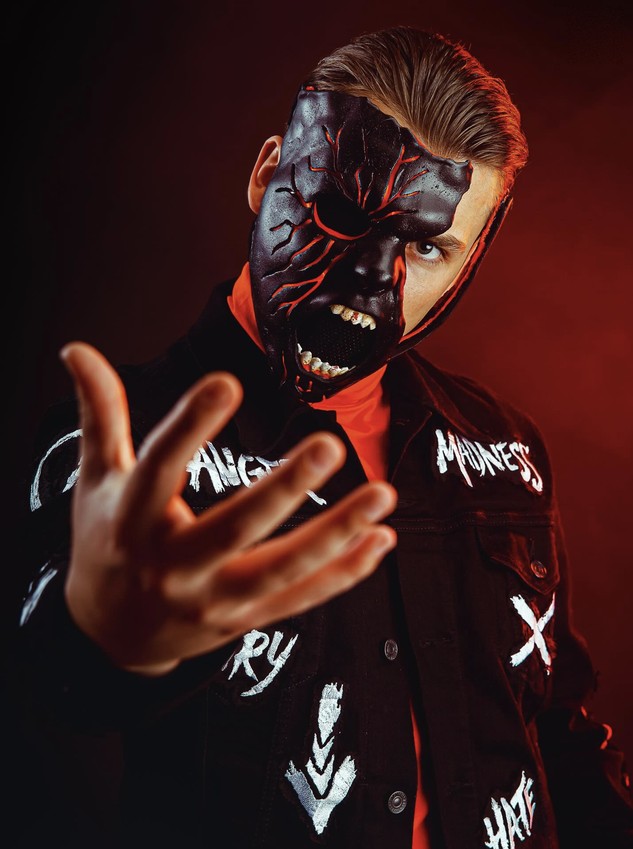
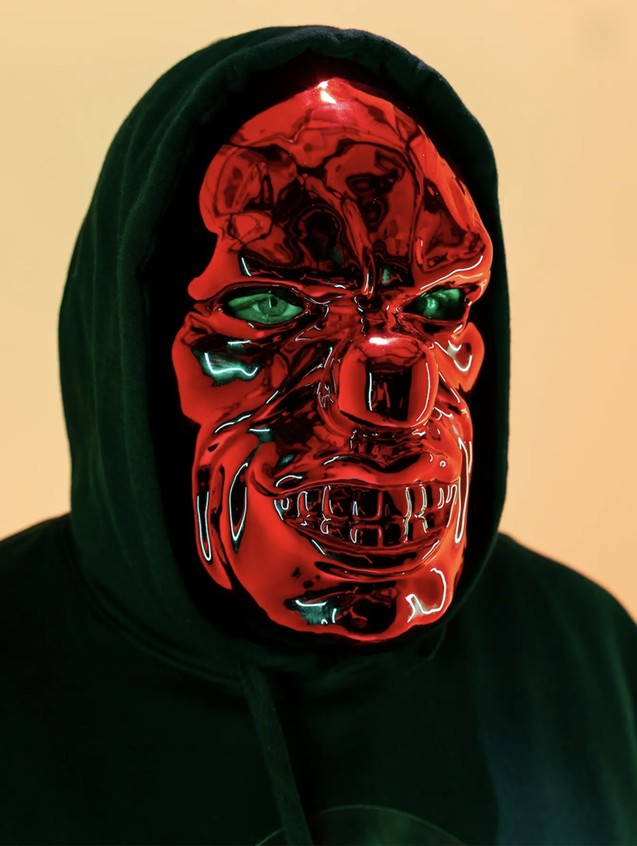
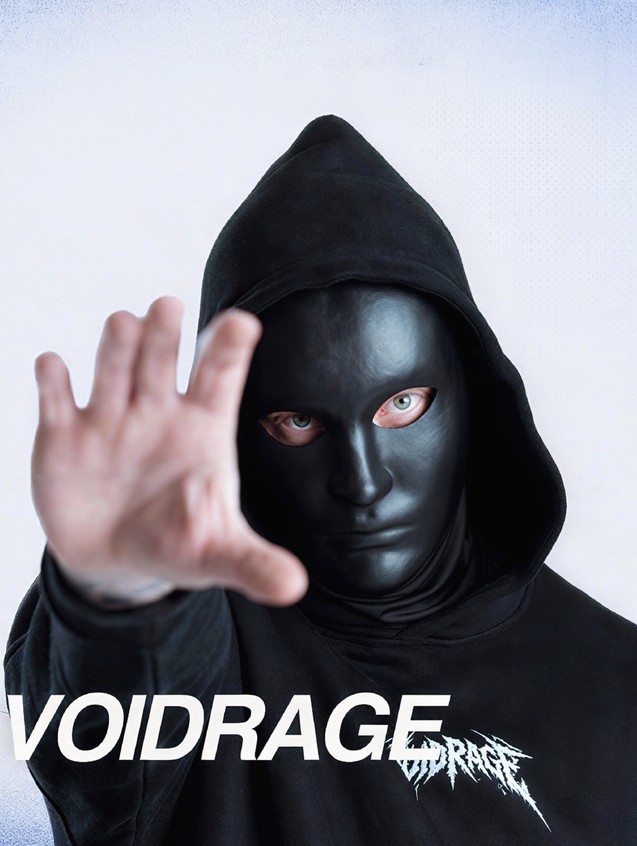
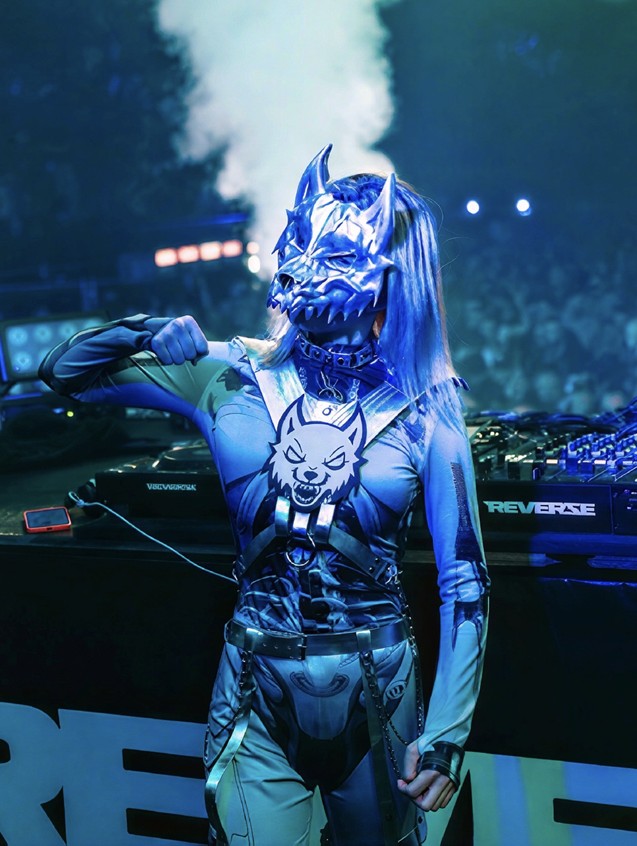
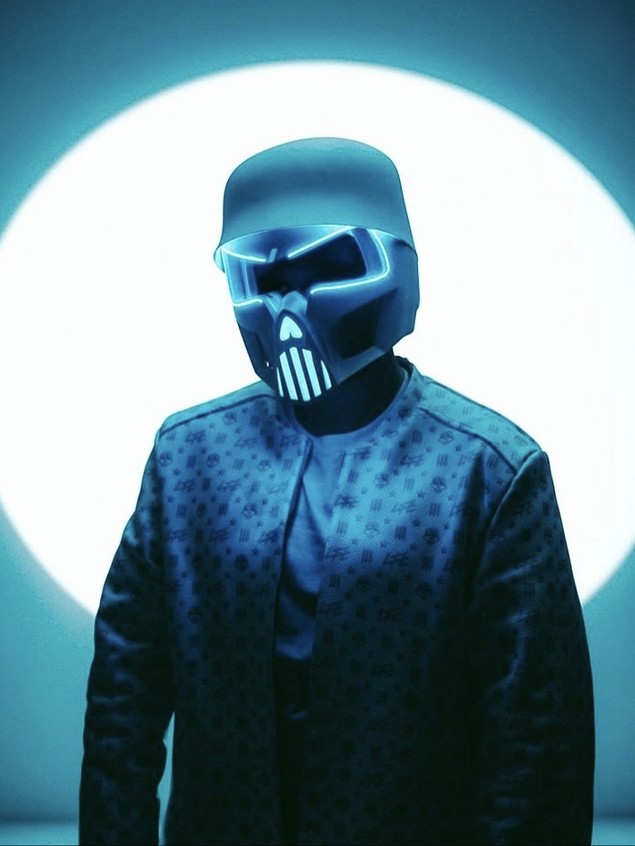
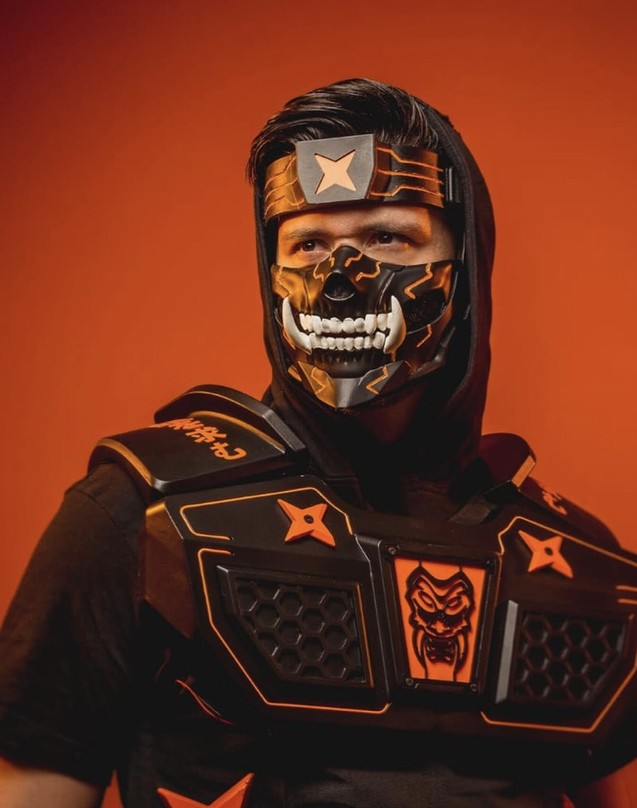
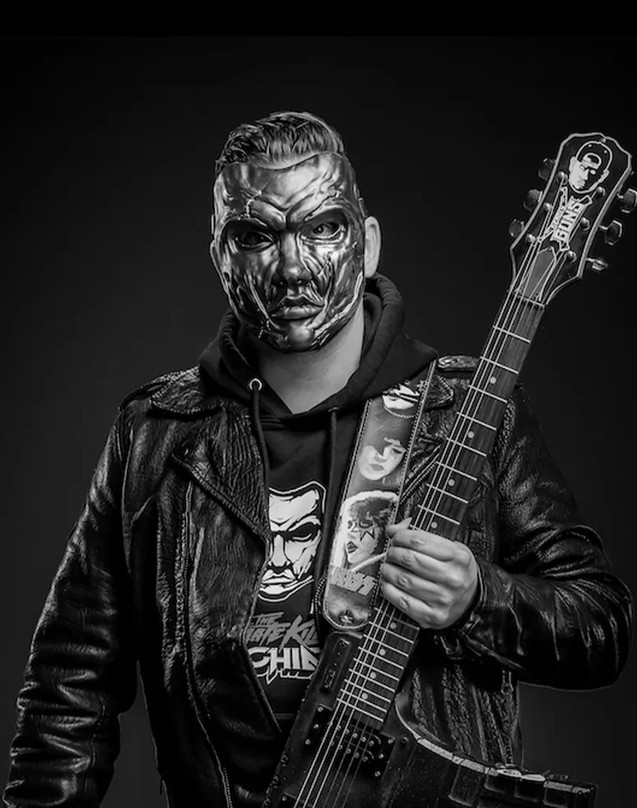
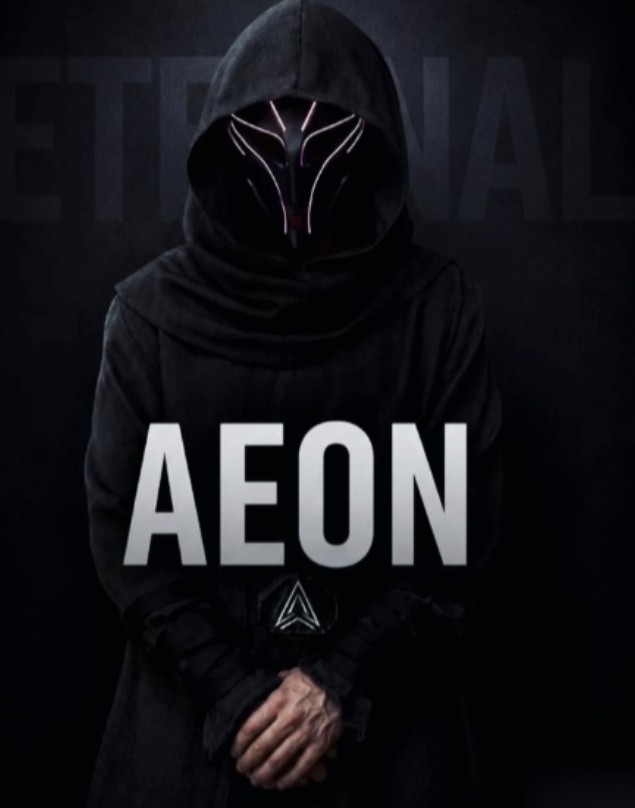
In 2021 I founded RipperDocs, a studio that designs and builds masks and outfits for DJs and the event industry, often with LED, DMX and 3D-printed parts.
As creative director I shape the concept and design of every piece, together with a small team of makers.
- Type
- Design studio
- Role
- Founder, creative director

 When you look at the lightConversations with a suicide hotline, drawn as light.art027
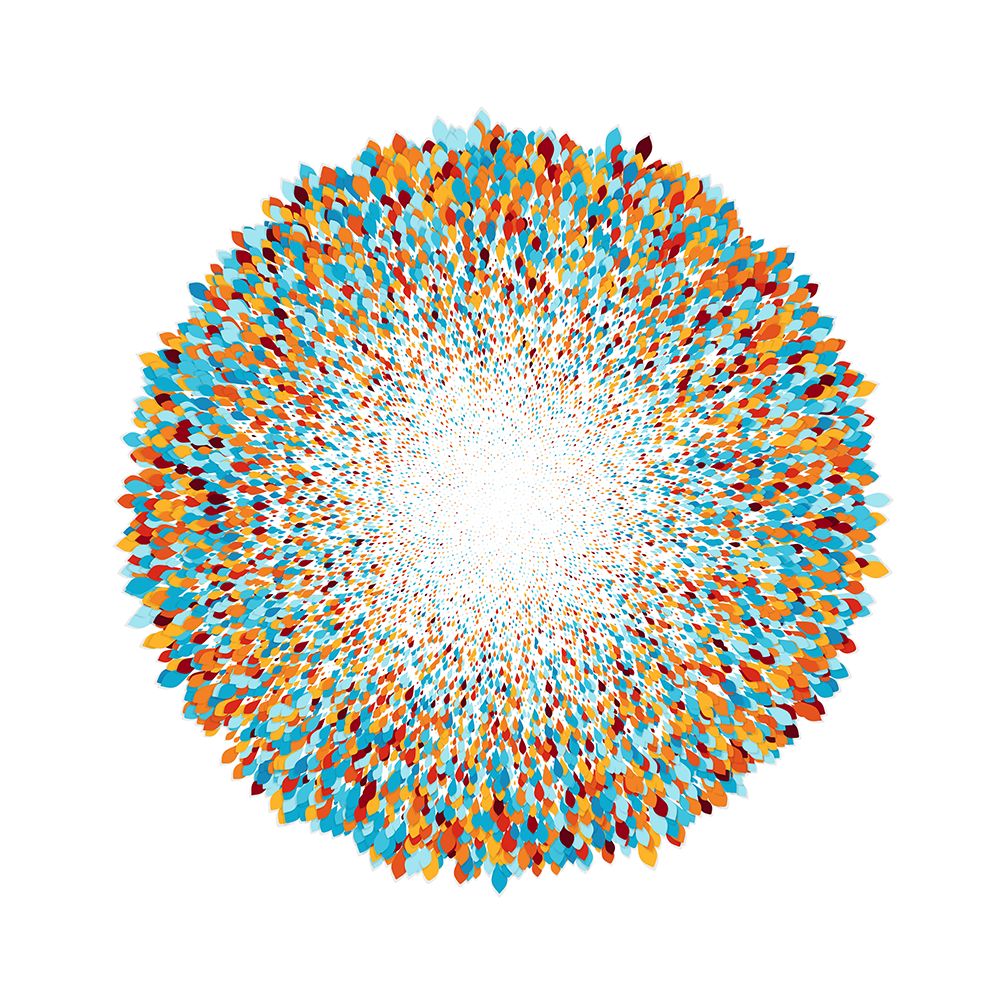
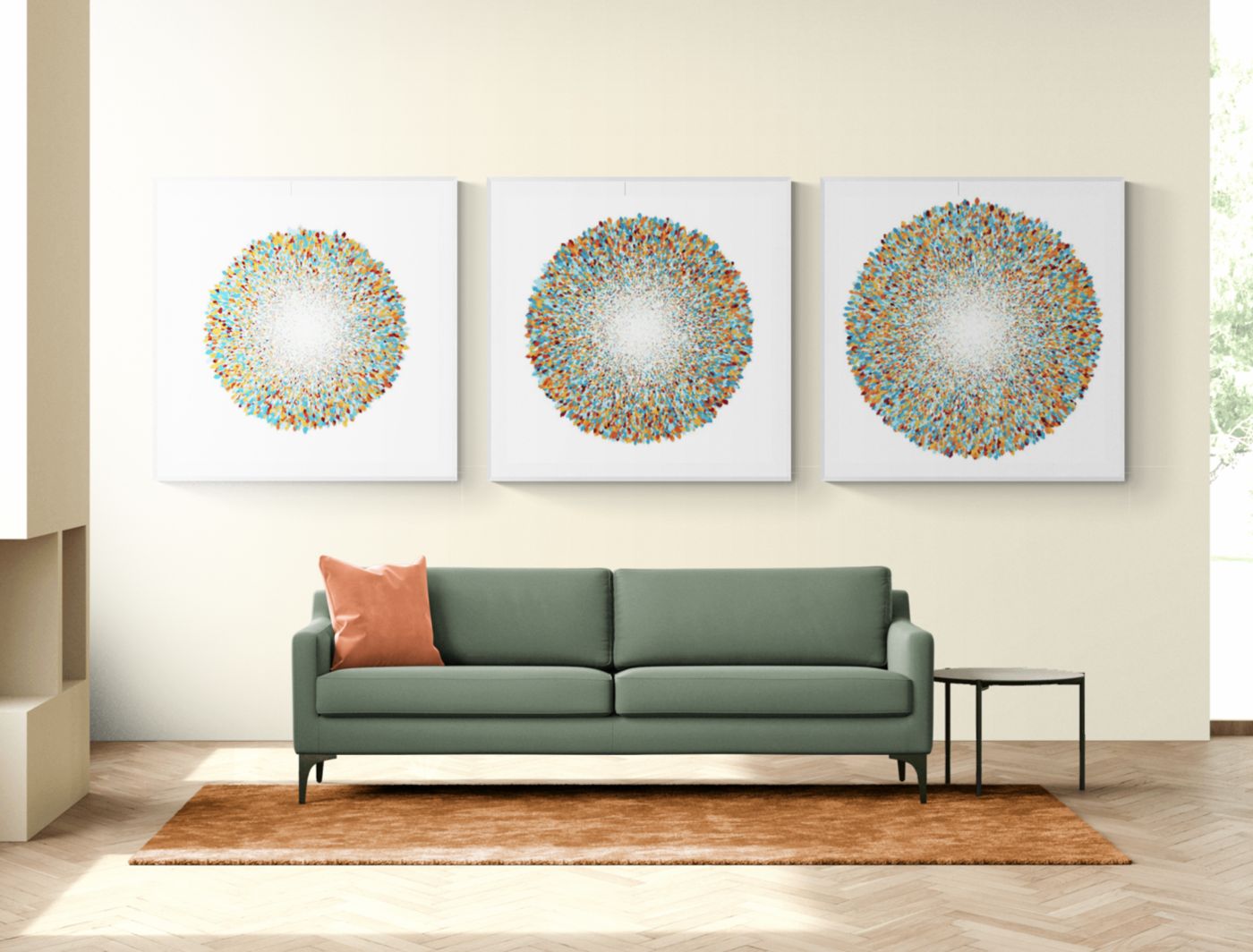
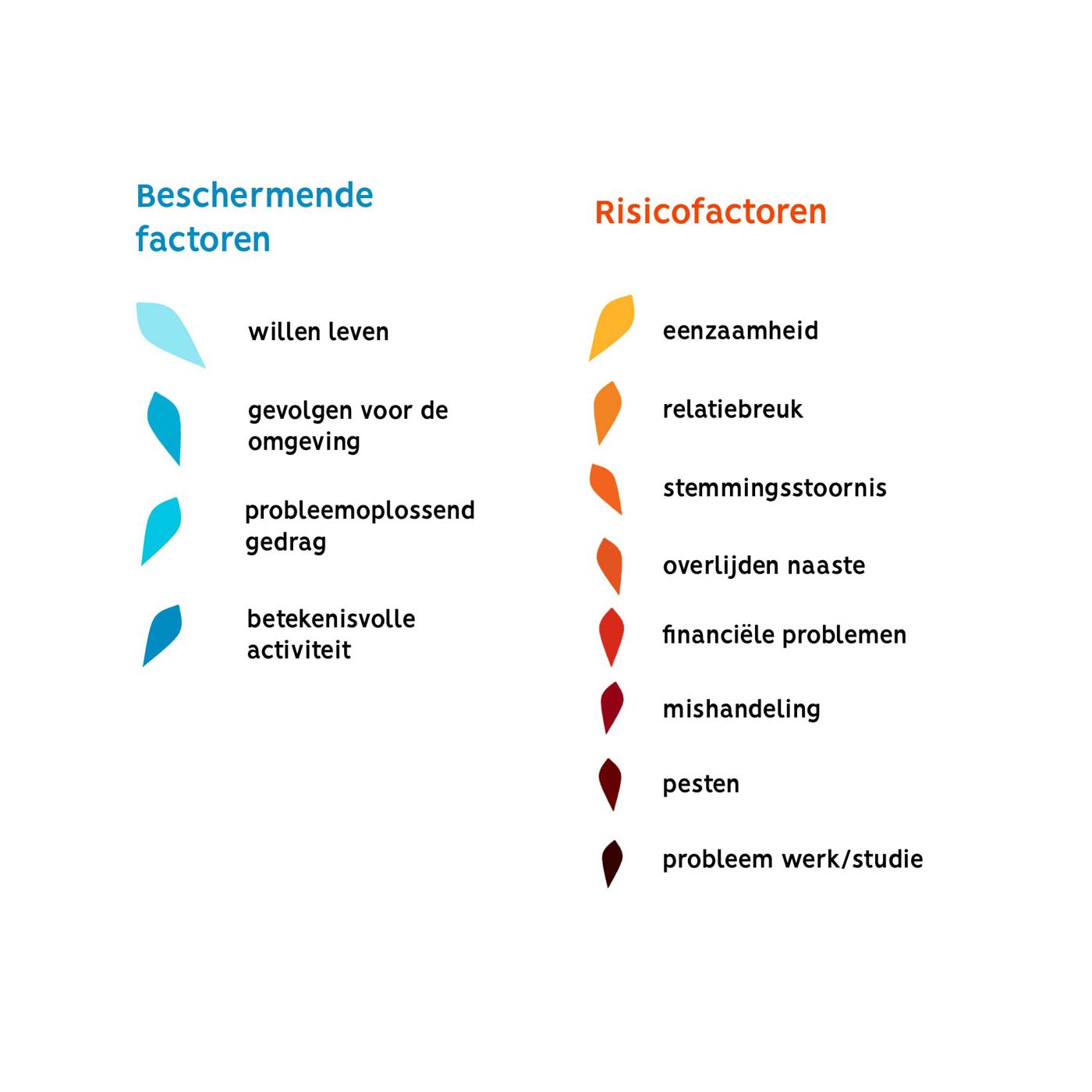
Three compositions of leaves and sparks, built from the conversation data of the Belgian suicide prevention line: 14,287 conversations in 2018, 18,452 in 2019 and 23,614 in 2020.
Blue and orange mark the protective and the risk factors that came up in those conversations.
- Type
- Data art
- Client
- Centrum ter Preventie van Zelfdoding
 RraamA virtual window for care homes.design028
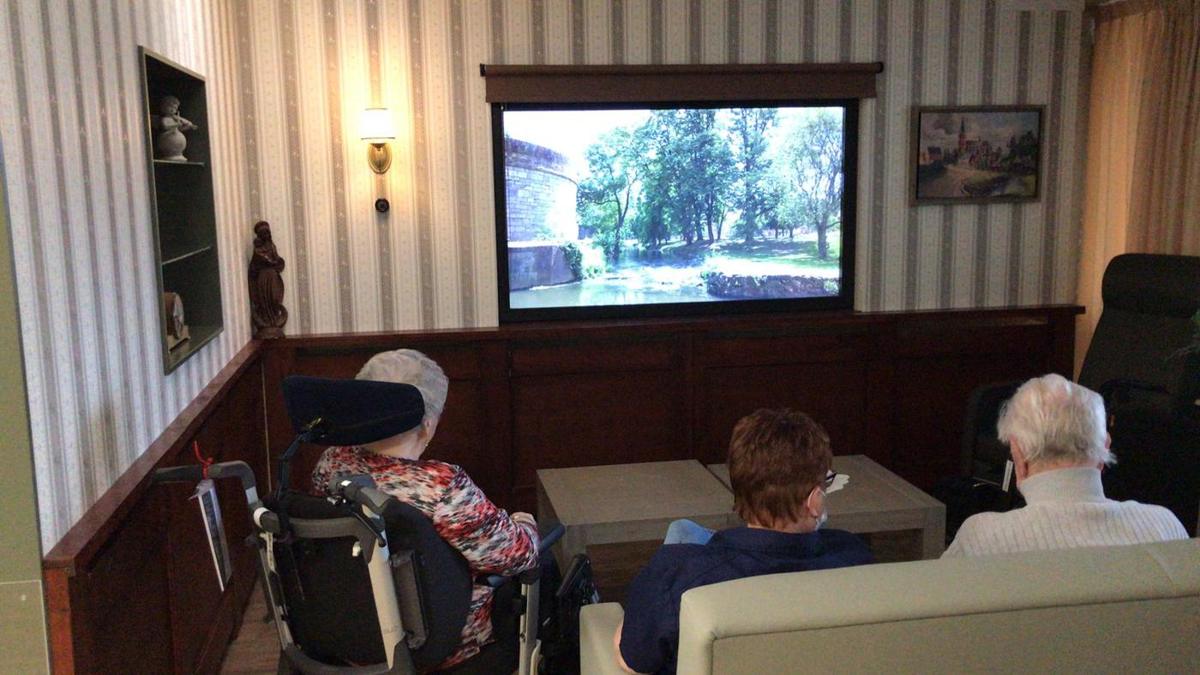
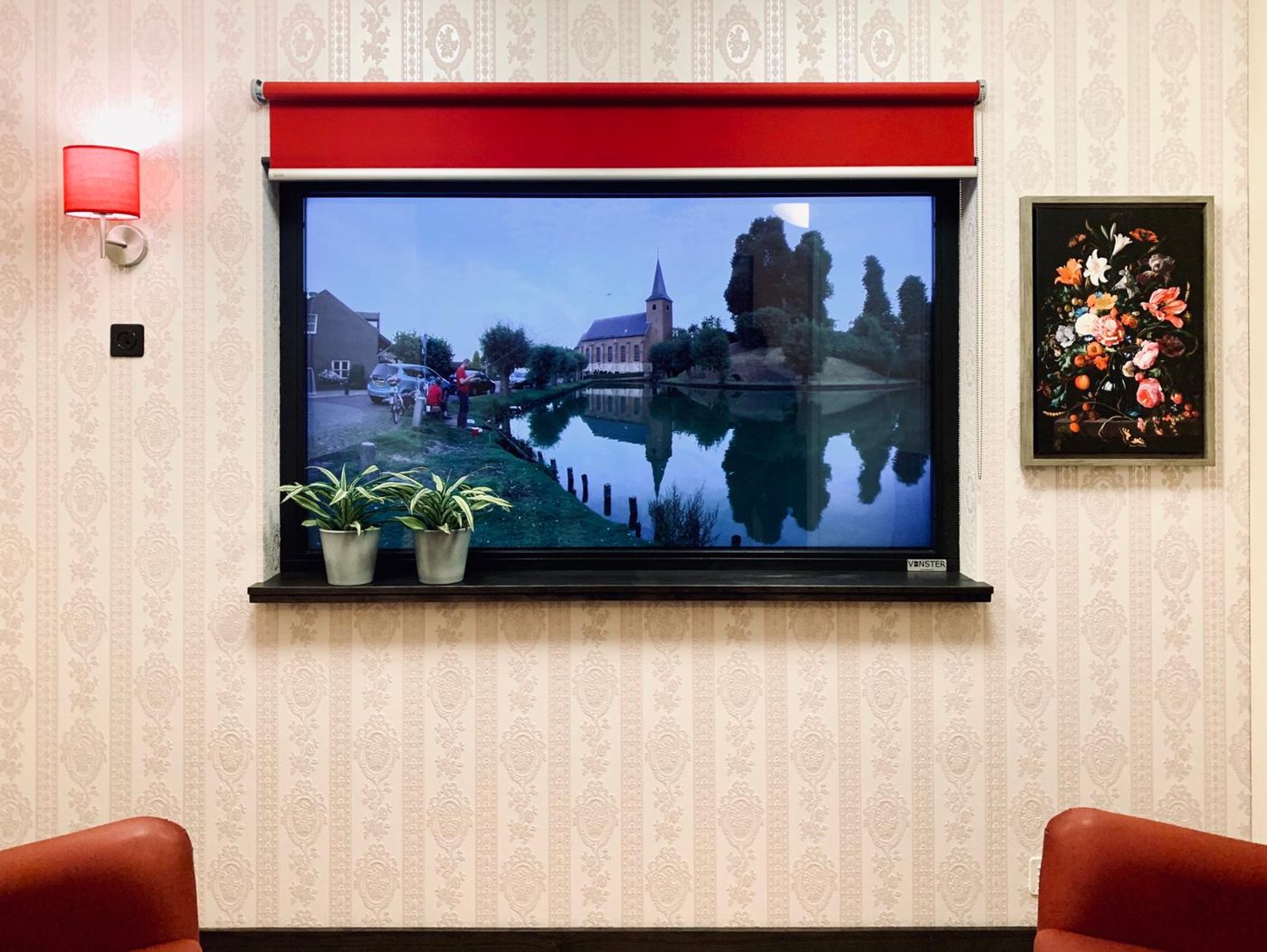
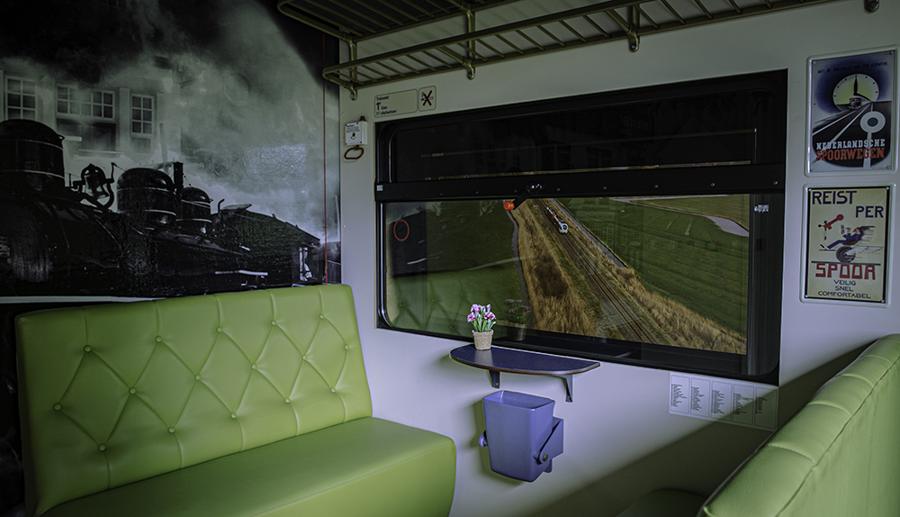
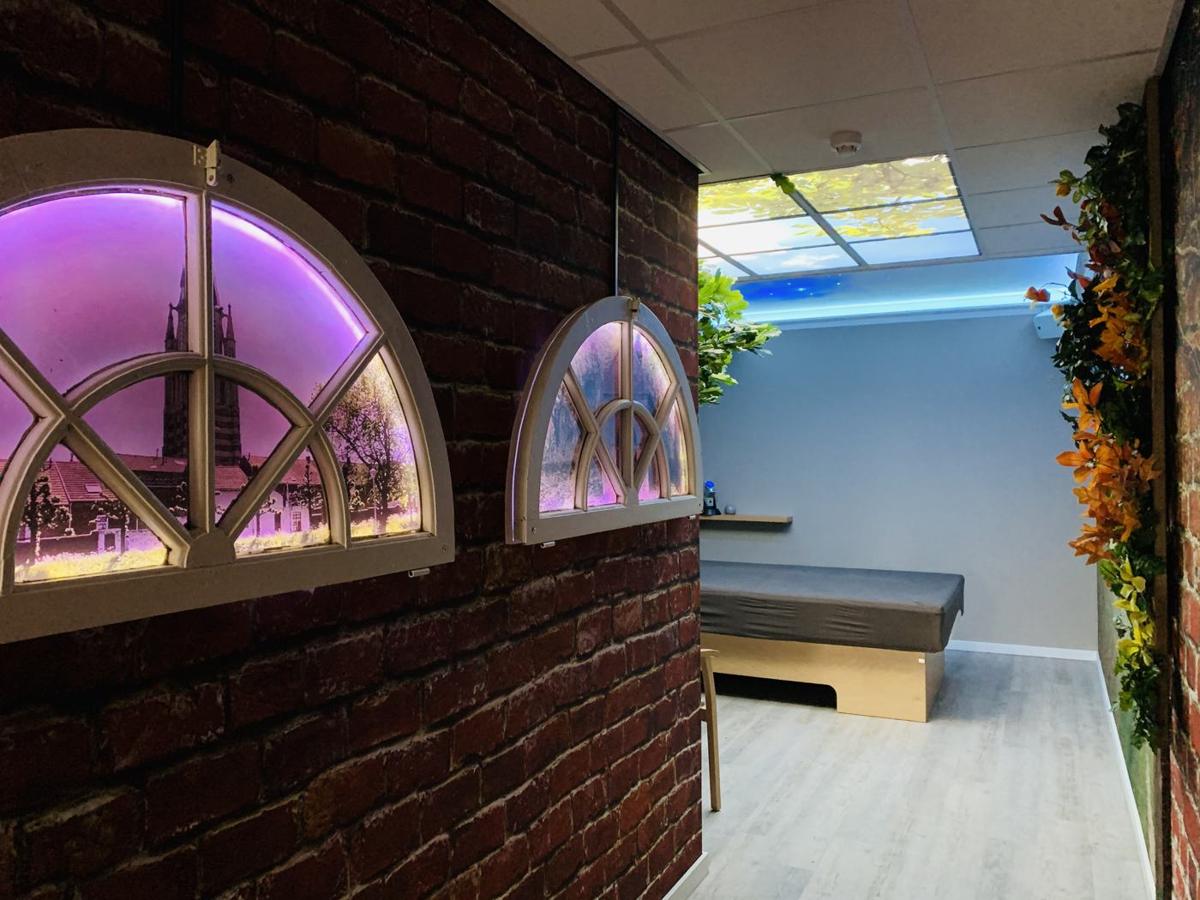
Rraam is the commercial continuation of VENSTER: a virtual window for residents of care homes. Its view changes with the time of day, and the content is made for each location.
Together with Rrails, a train compartment for corridors, it is sold through Vensterr.
- Type
- Installation
- With
- Vensterr, h2oSonic
- Role
- Research, concept, technical development
- 2020Teaching generative artLive visuals for live music, a module at CMD Maastricht.research030
 Residents and Morgendauw: a pilot studyDesign for Health, 4(2).research031
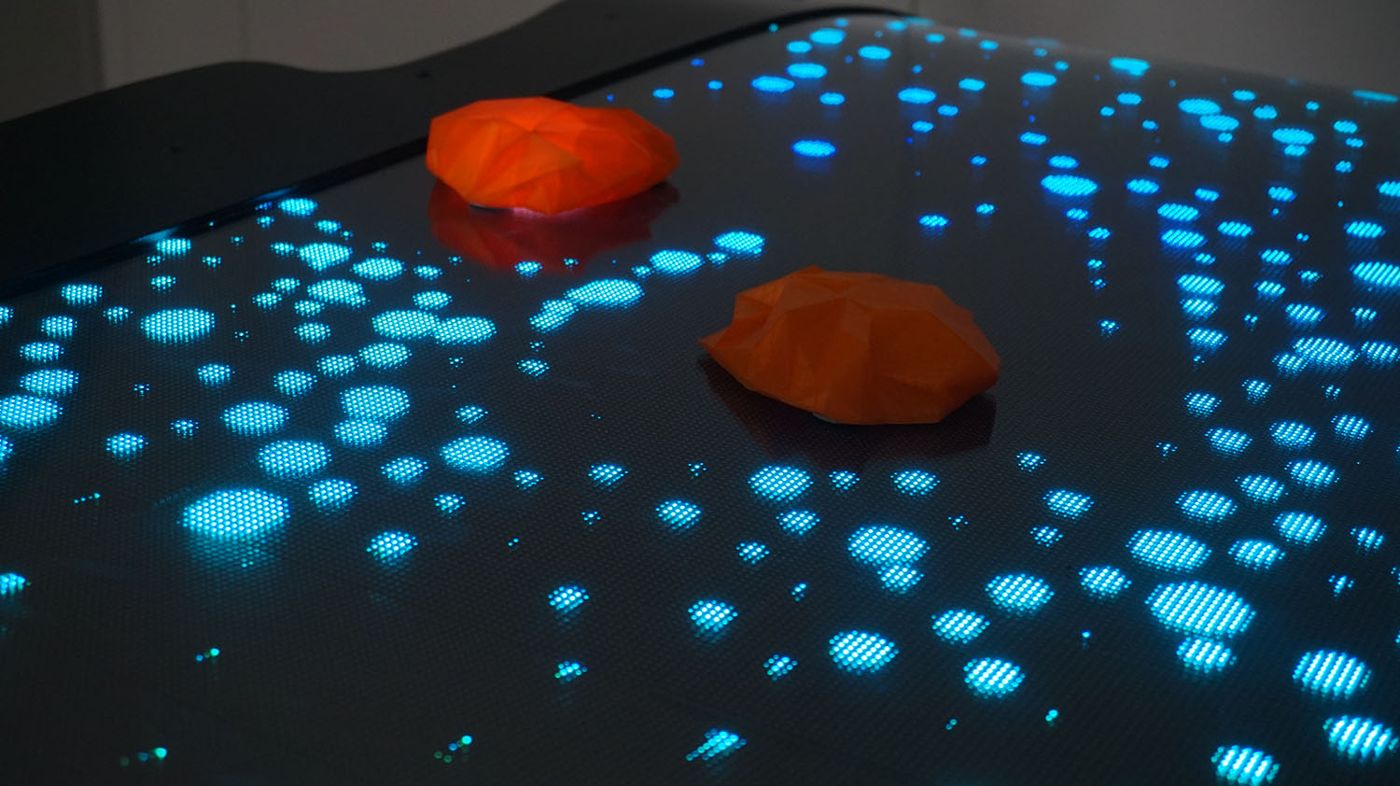
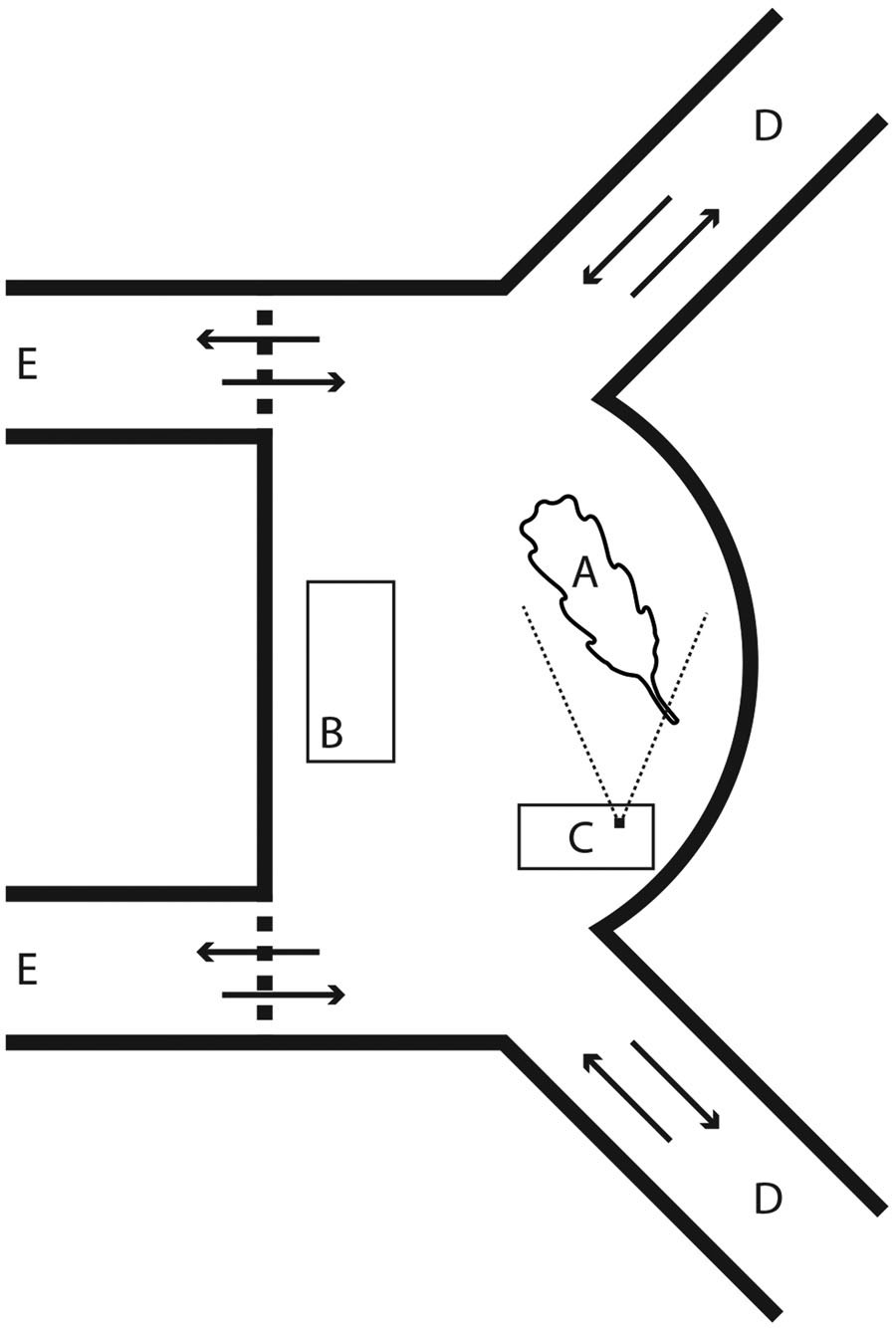
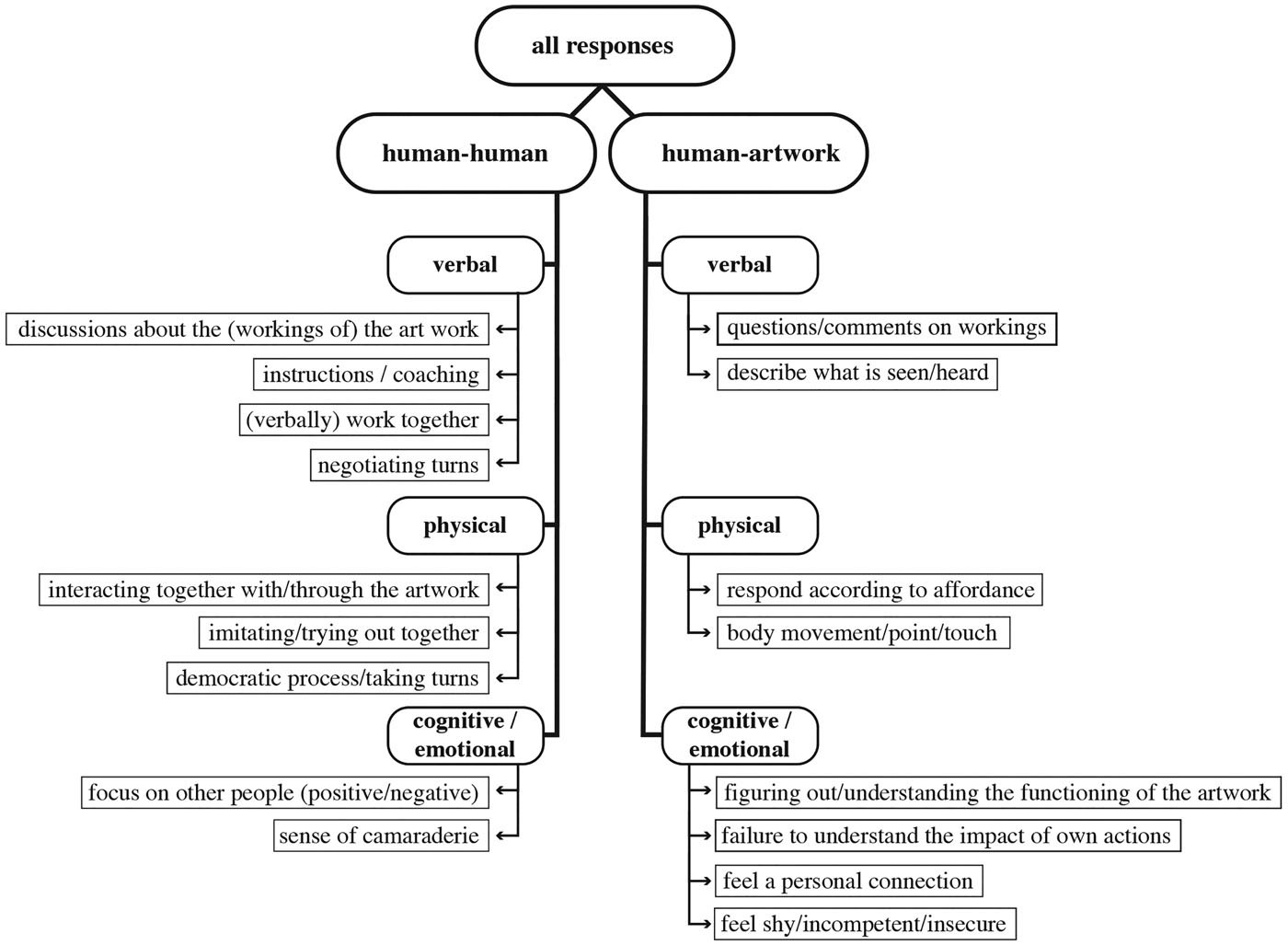
A pilot study of how nursing home residents respond to the interactive art installation Morgendauw.
- Type
- Journal article
- Authors
- Tom Luyten, Susy Braun, Susan van Hooren, Luc de Witte
- Venue
- Design for Health, 4(2), 161-177
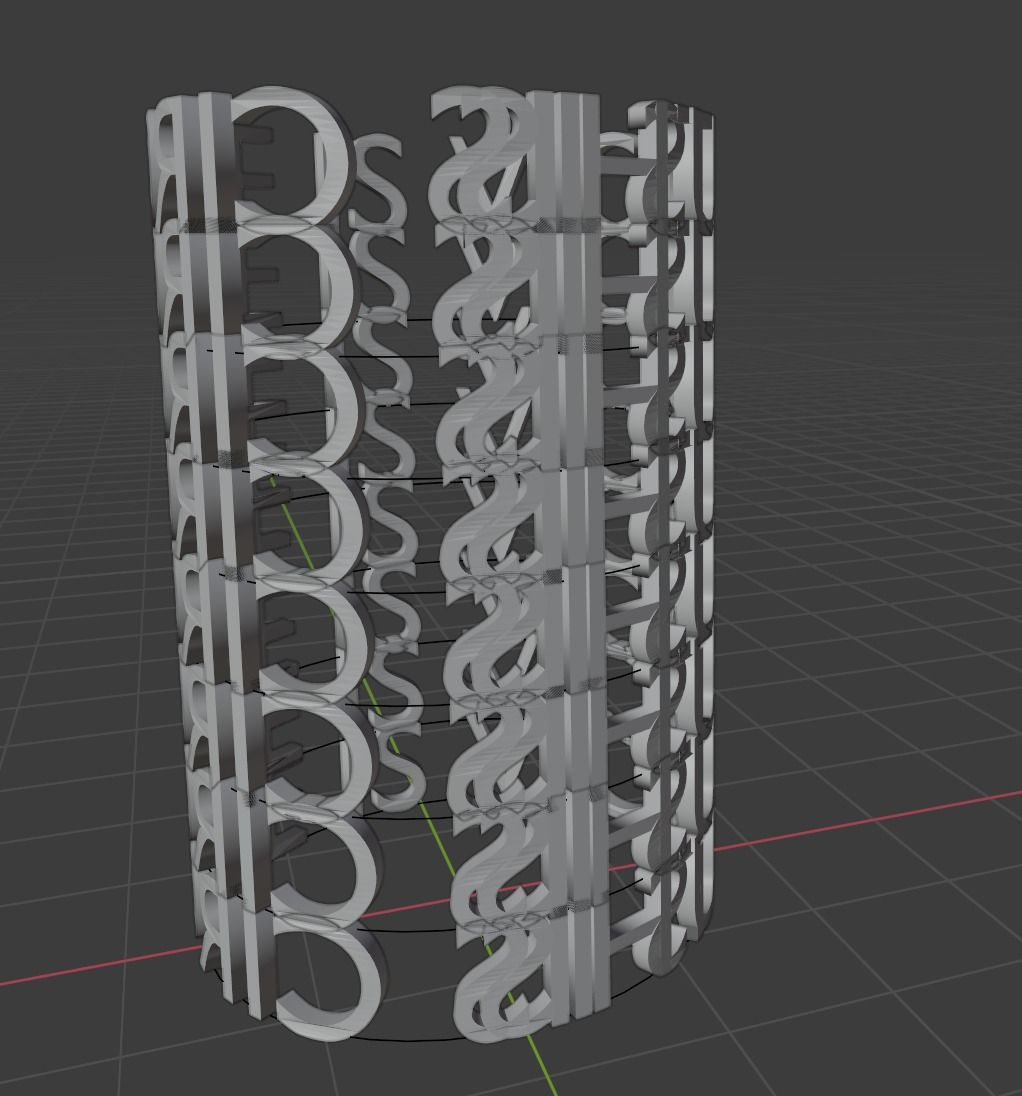 AR: This circle is viciousAugmented reality loop in Maastricht.art032
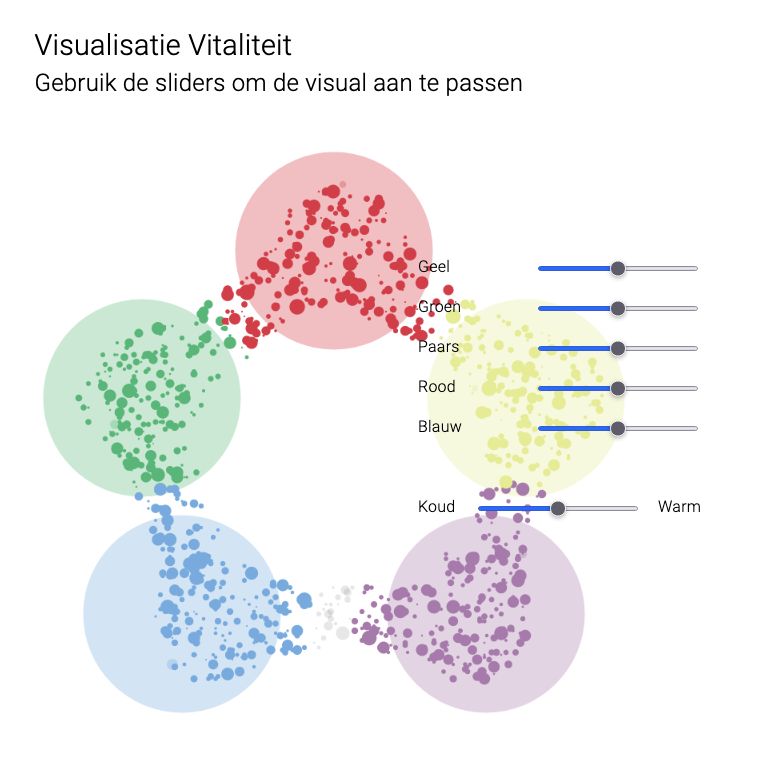 Dynamic identity BETERA flock of dots as a living logo.design033
A dynamic identity for the lifestyle programme BETER: a resilient flock of dots that changes colour for each part of the programme. Coaches use it in their sessions, and a web version exists.
- Type
- Dynamic identity
- Client
- BETER, Vitale Limburgers
- 2019
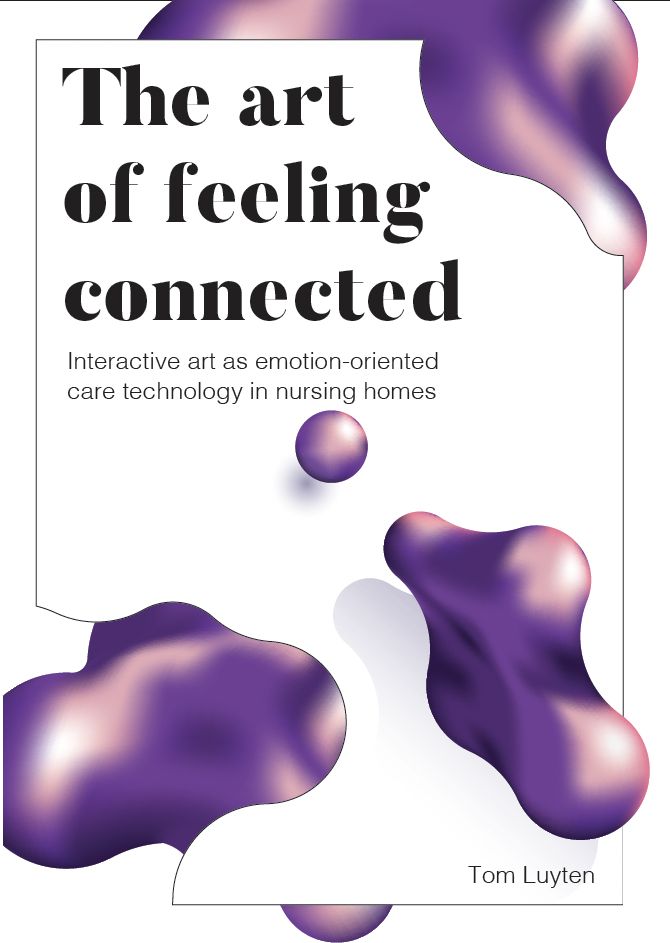
 PhD, Maastricht UniversityThe art of feeling connected.research034
My dissertation, "The art of feeling connected: Interactive art as emotion-oriented care technology in nursing homes", studied how interactive art can support residents of care homes.
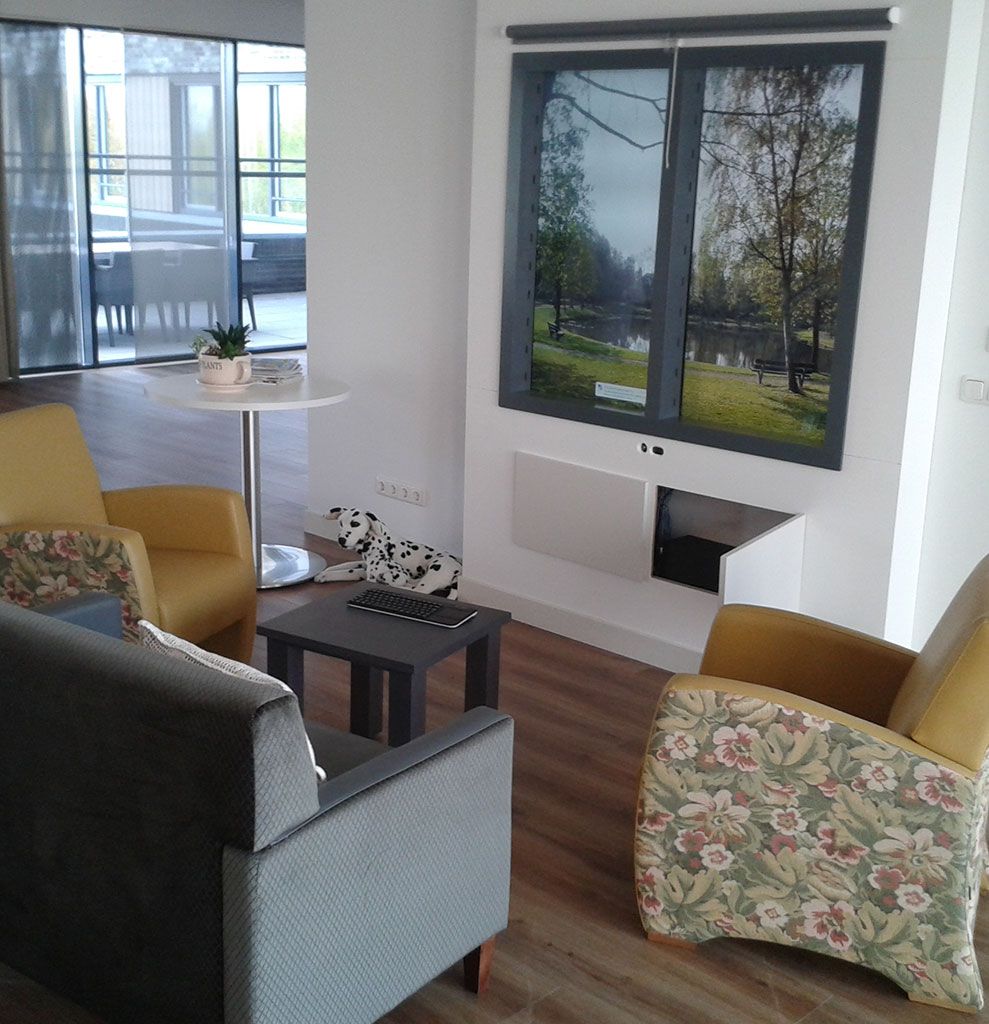
VENSTER and Morgendauw were developed and tested during this research.
- Type
- Dissertation
- Where
- Maastricht University
- Year
- 2019
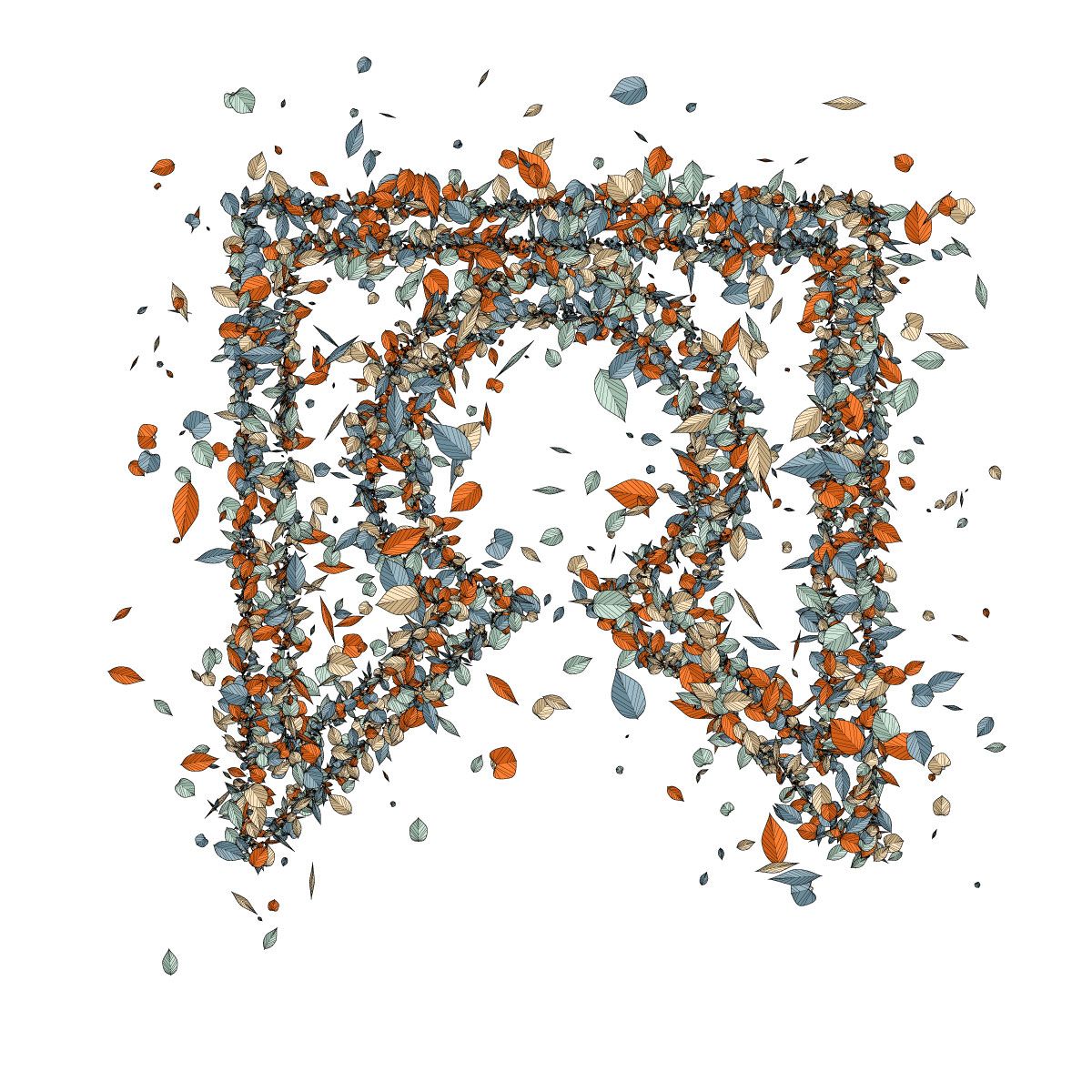
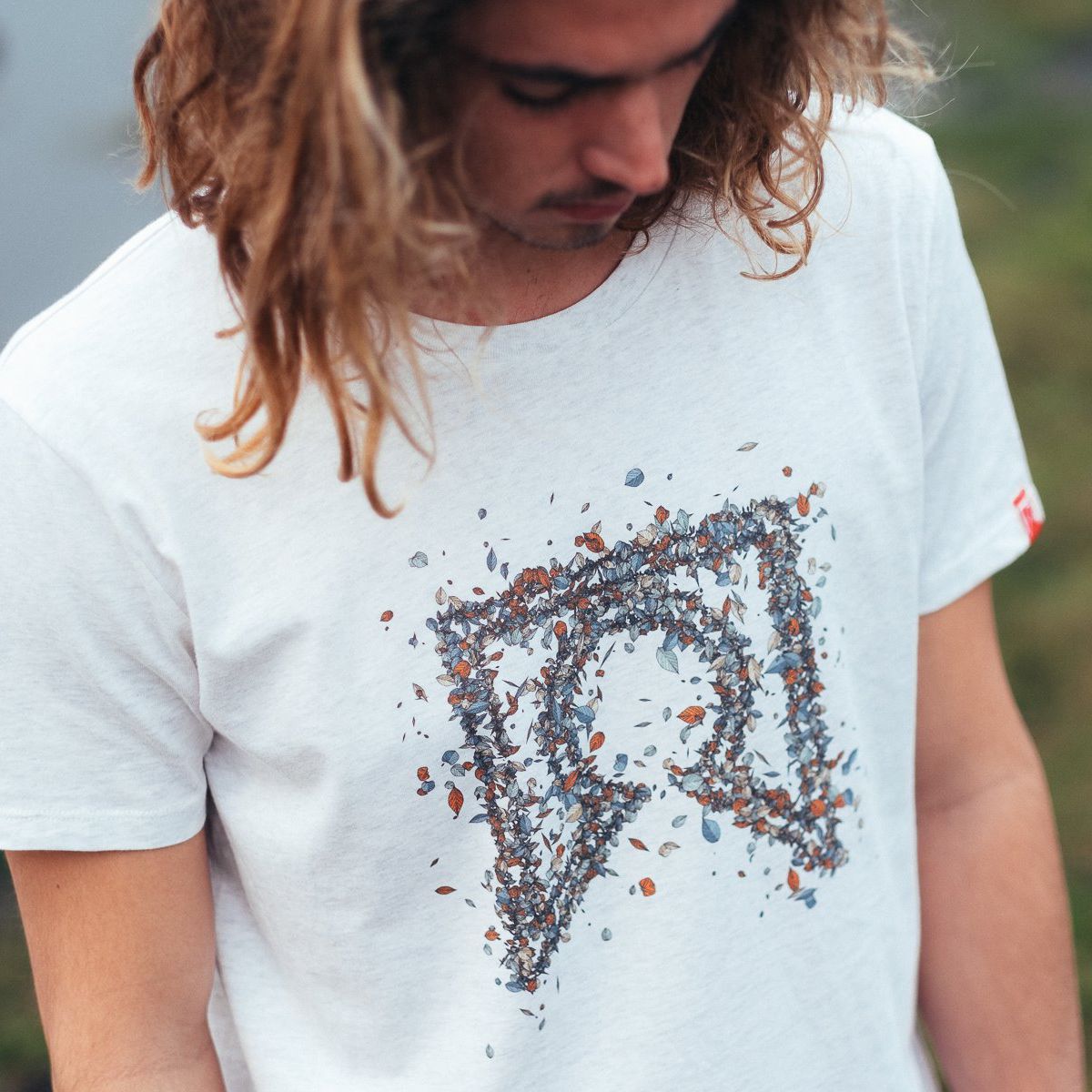
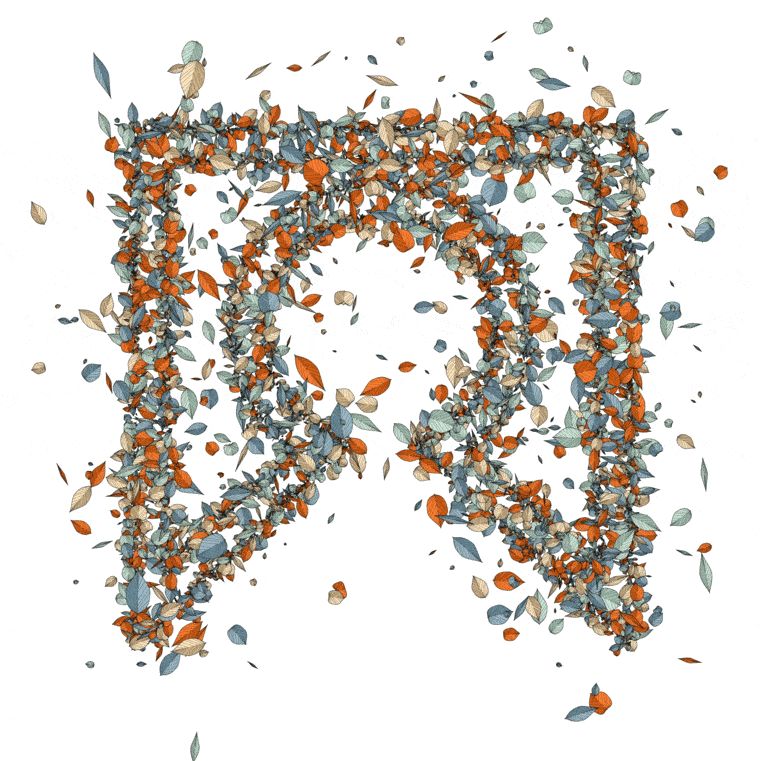
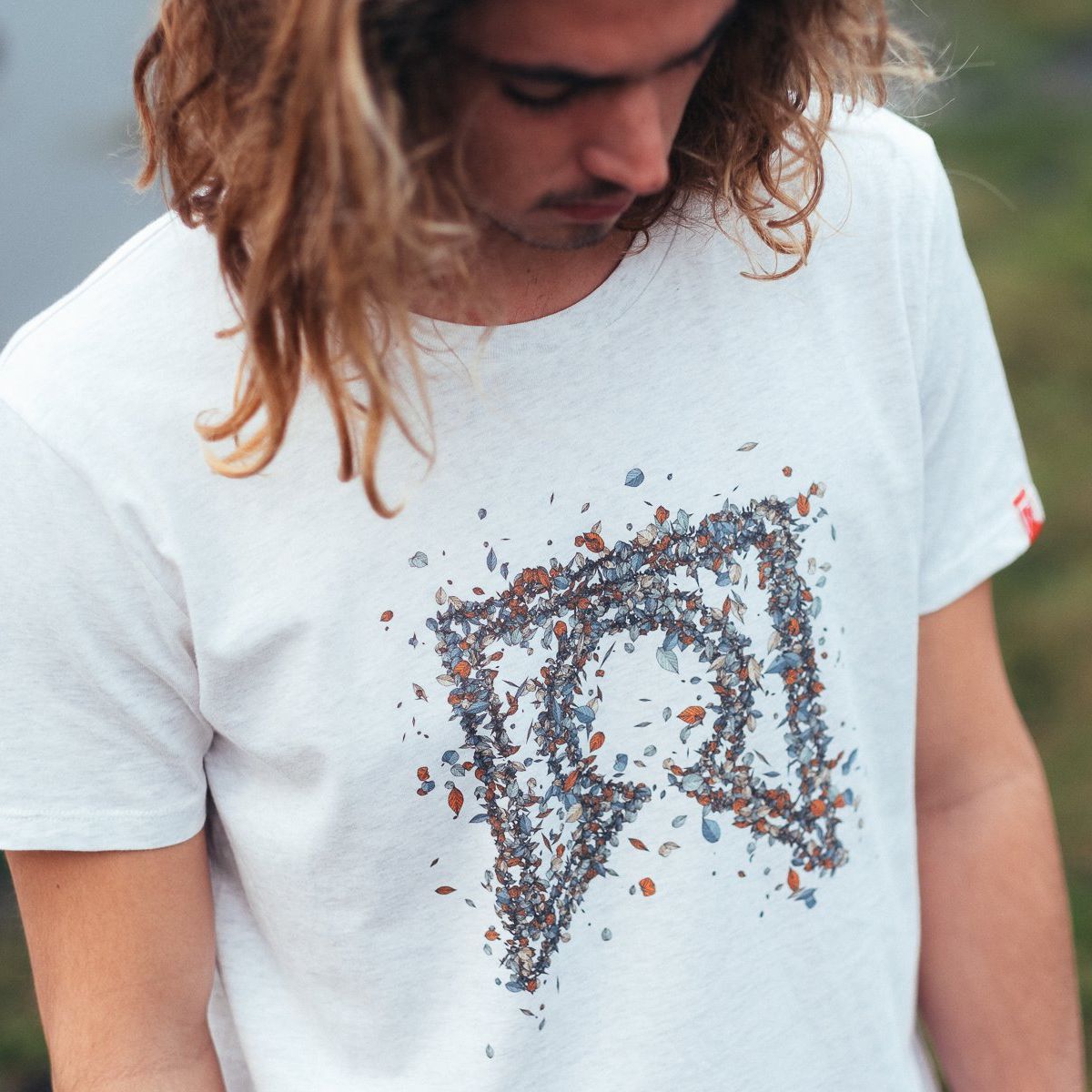
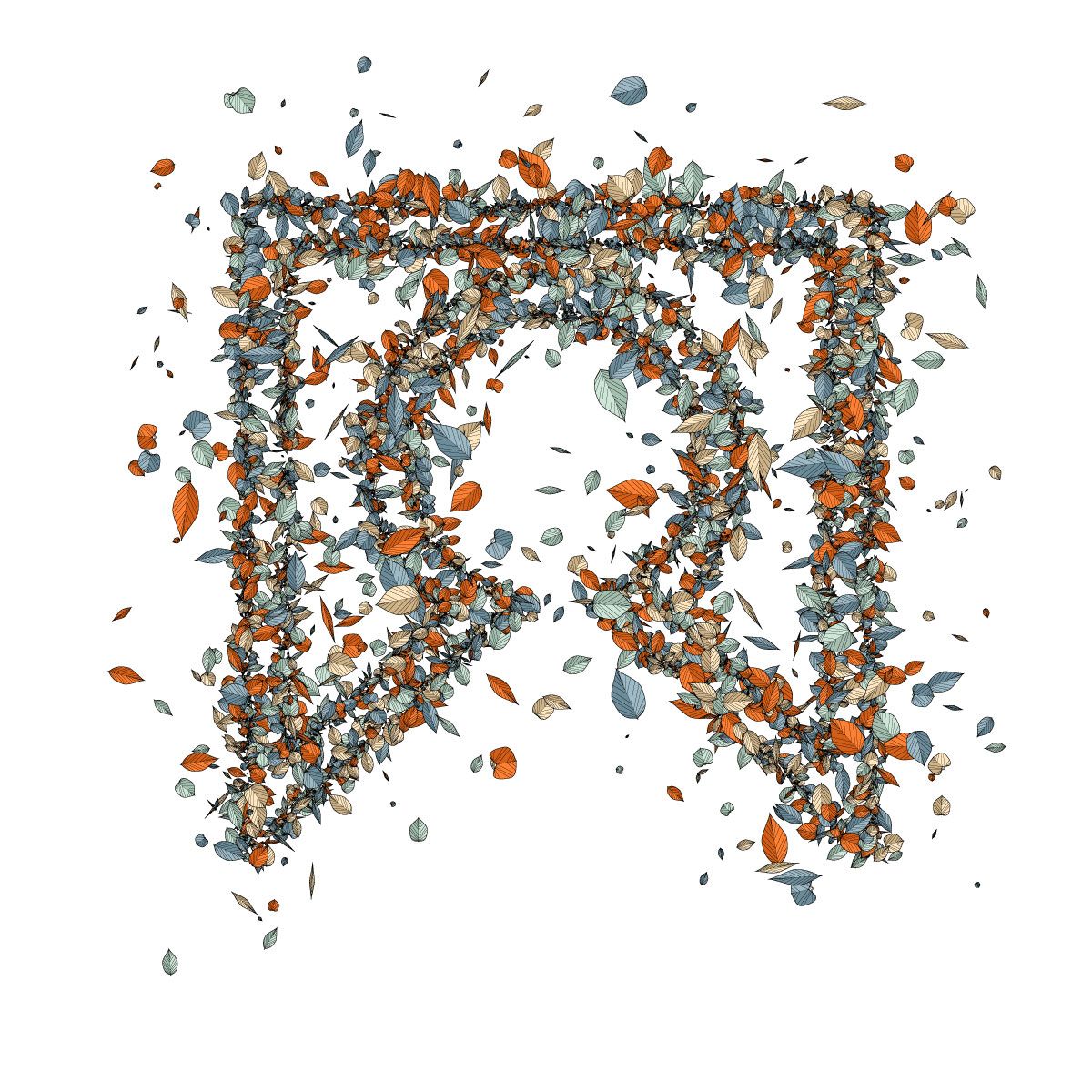
- Private clothing: Leaves shirtAlgorithmic leaves for Private.design035
Algorithmically drawn leaves around the logo, for the fall collection of the Belgian lifestyle brand Private. Called "leafes", a playful false plural.
- Type
- Generative visual
- Client
- Private
- Tools
- Processing
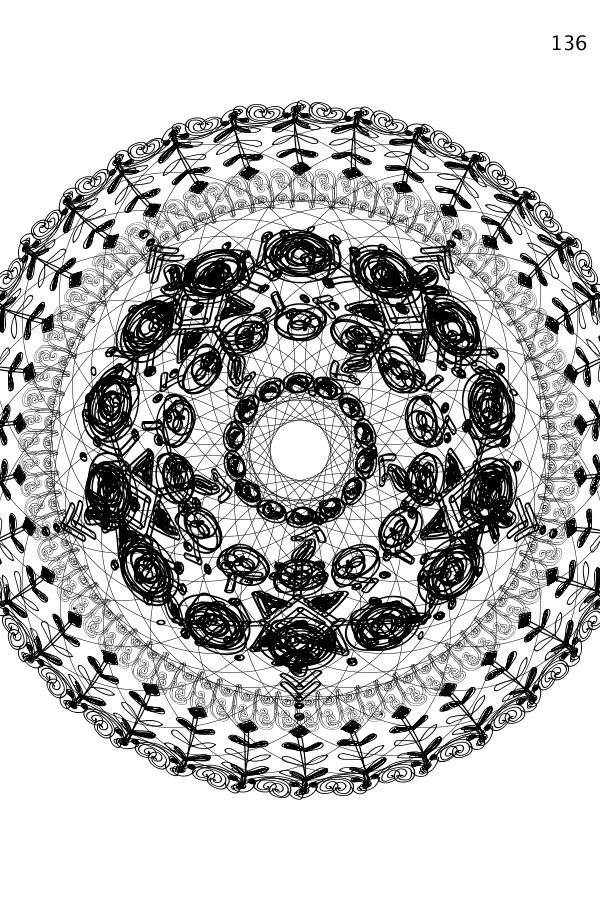
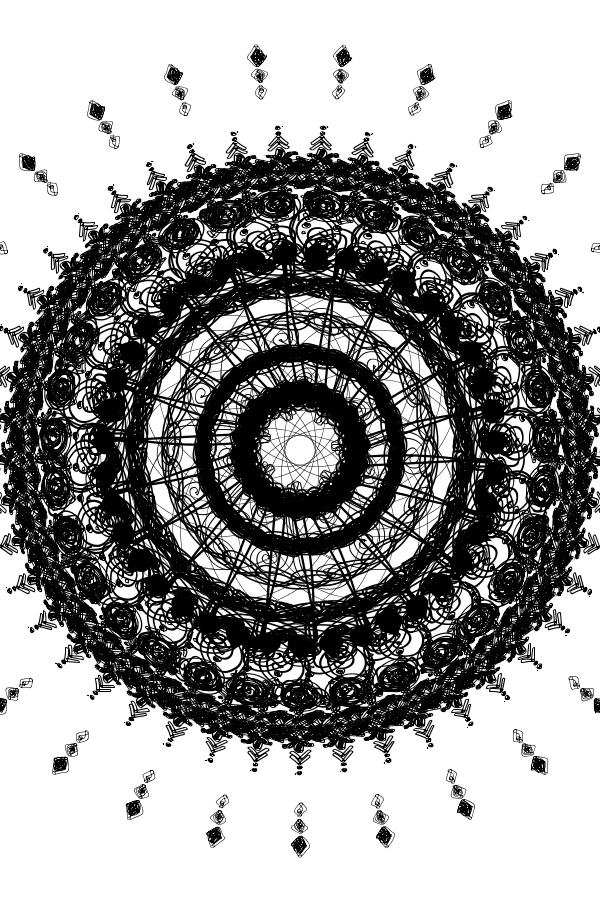
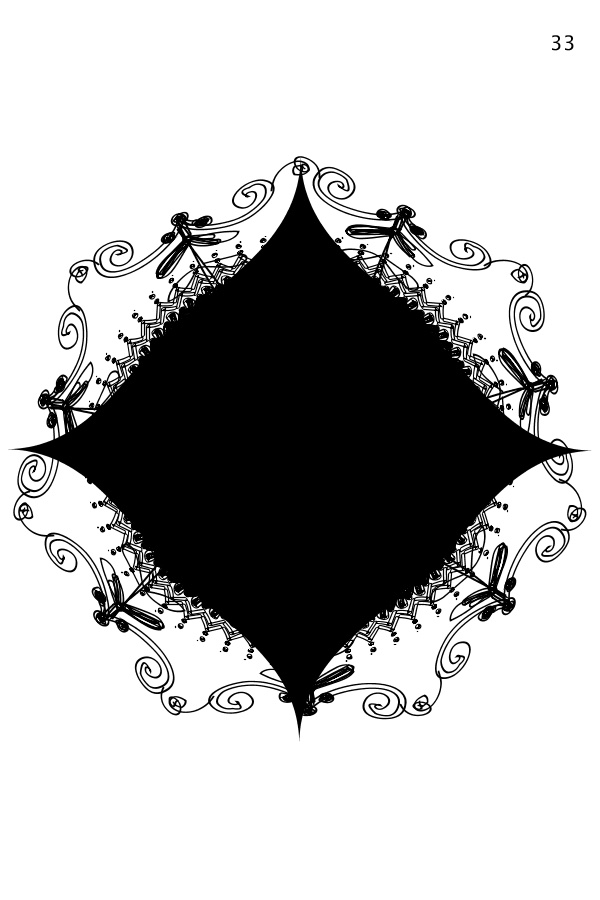
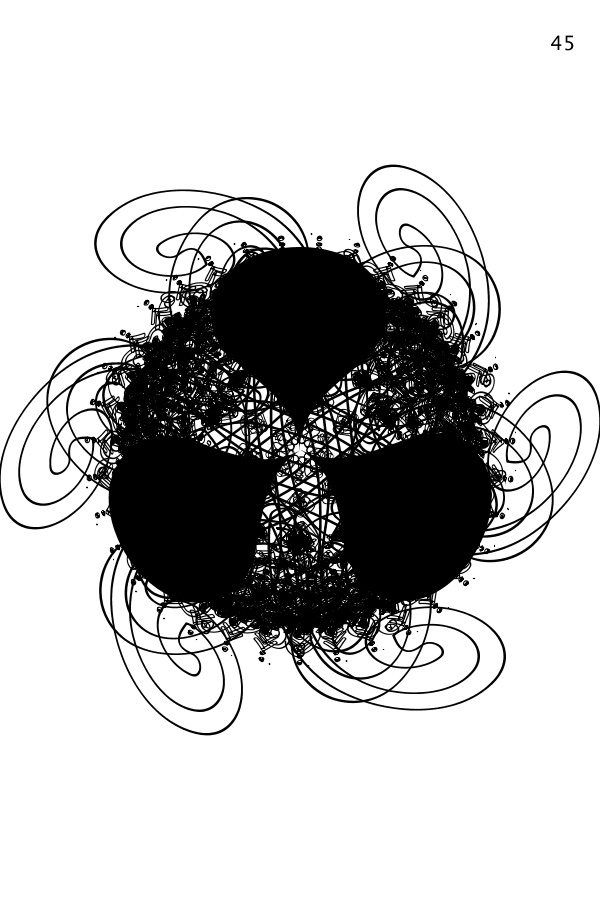
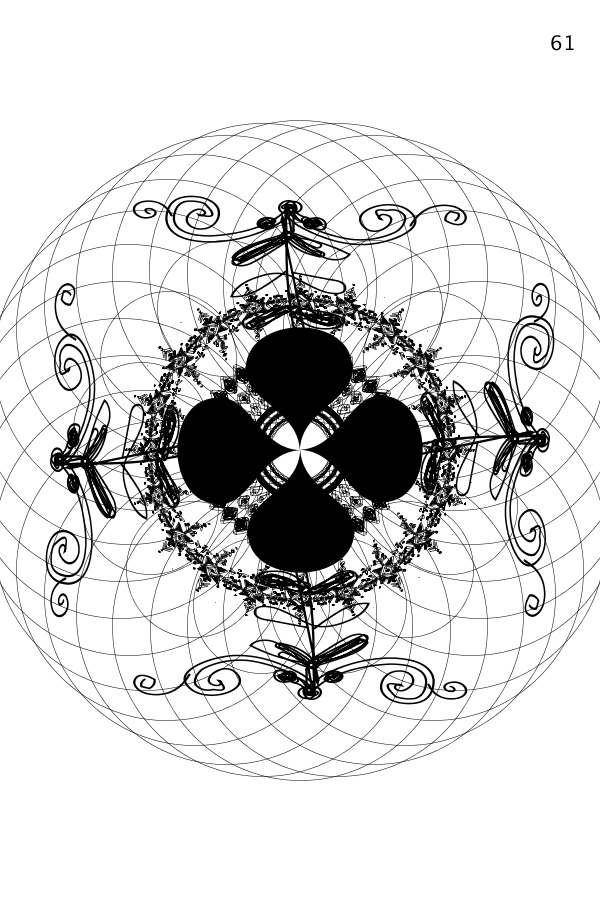
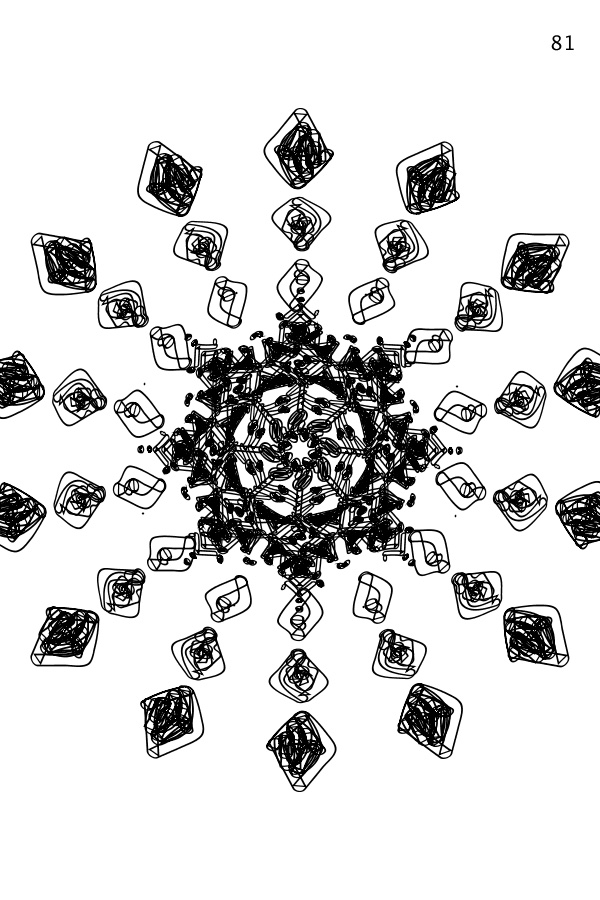
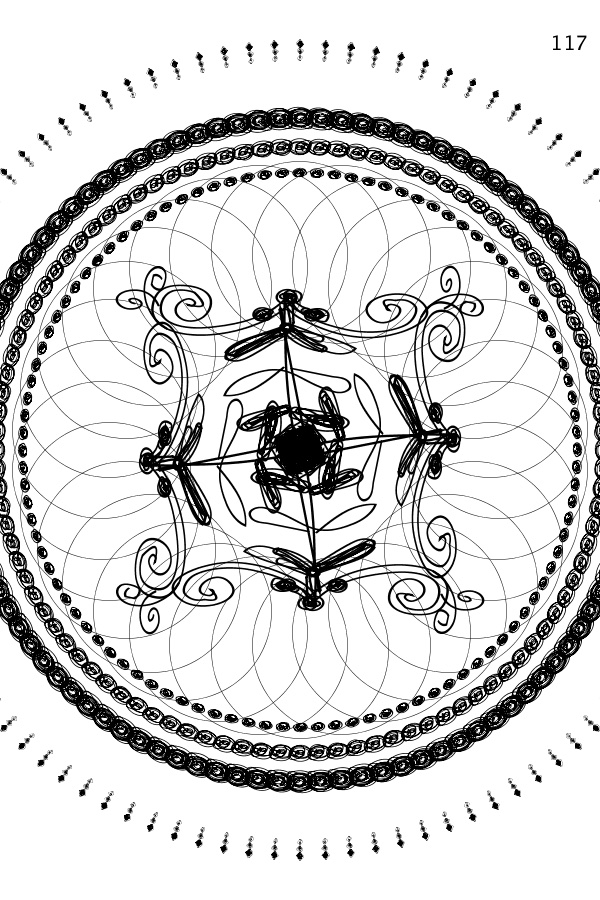
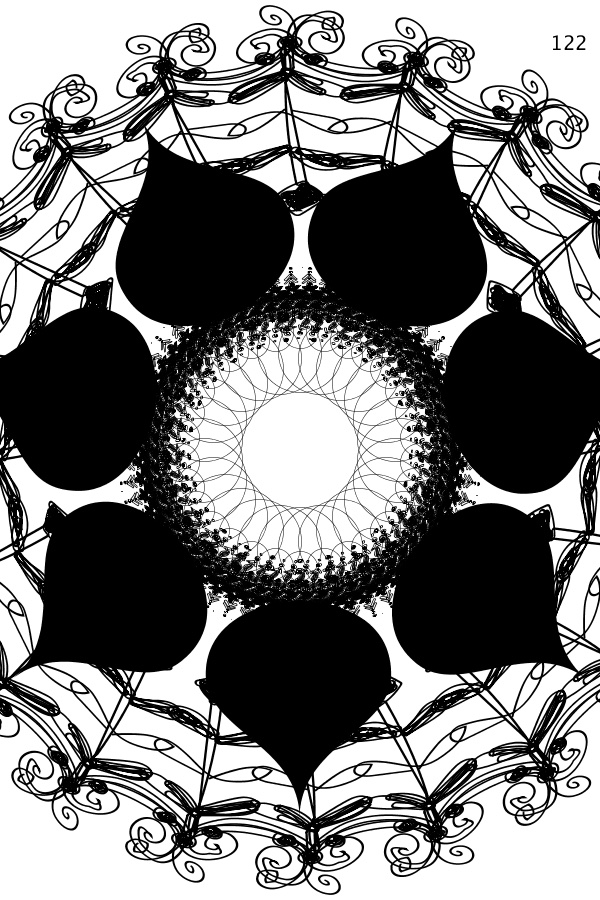
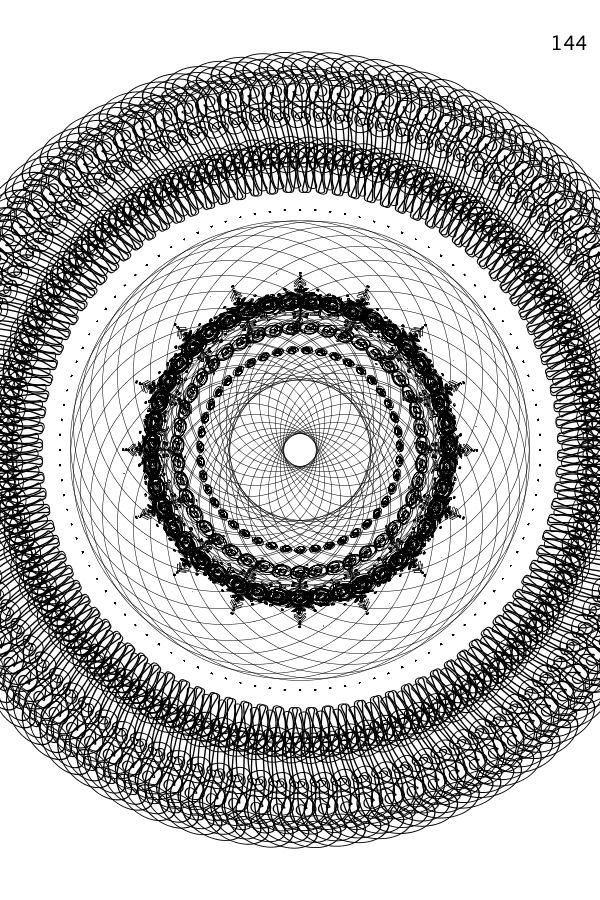 Henna mandalasGenerative mandalas, made with Ashley school in London.art036
 Bravest momentBike rides turned into art.art037
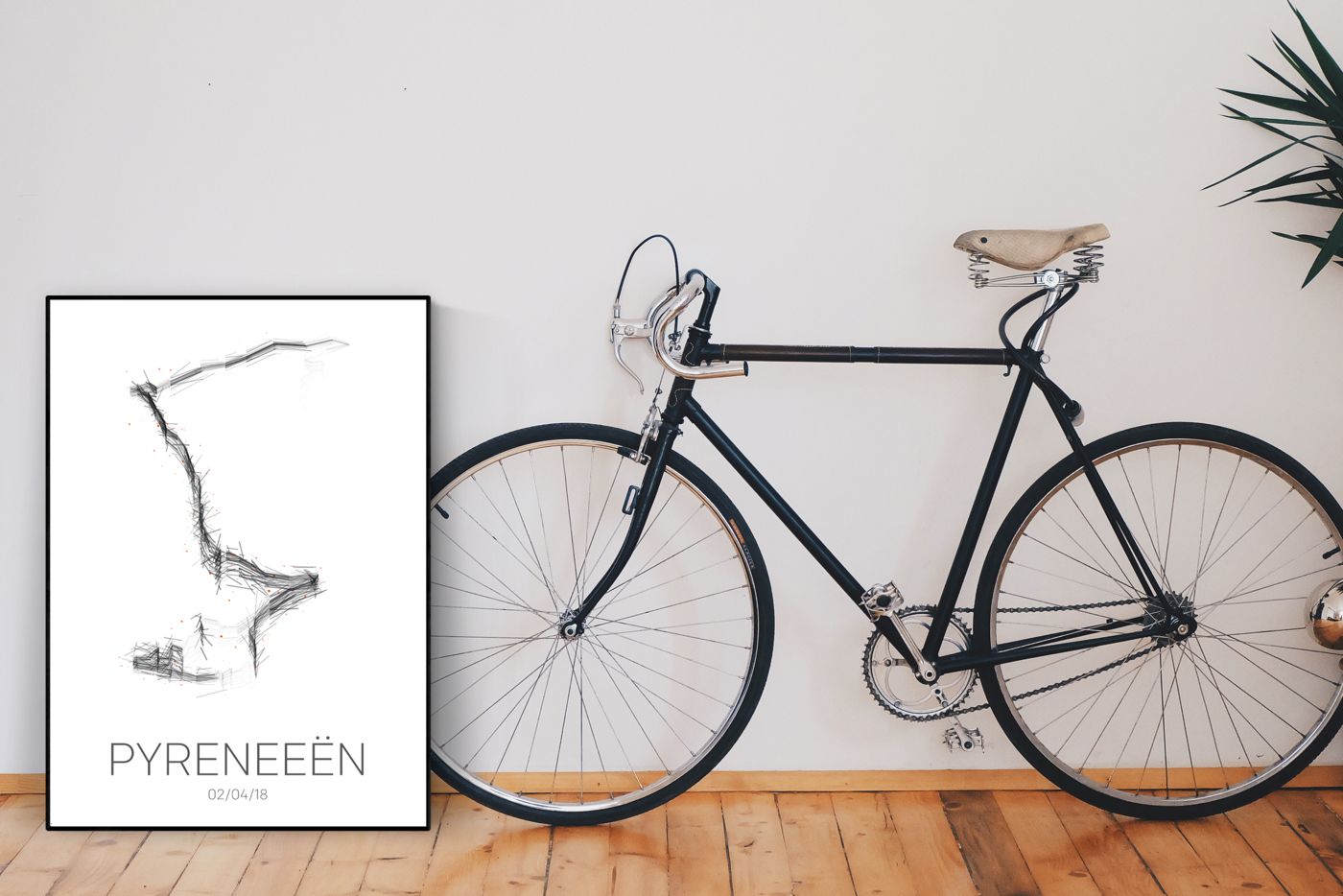
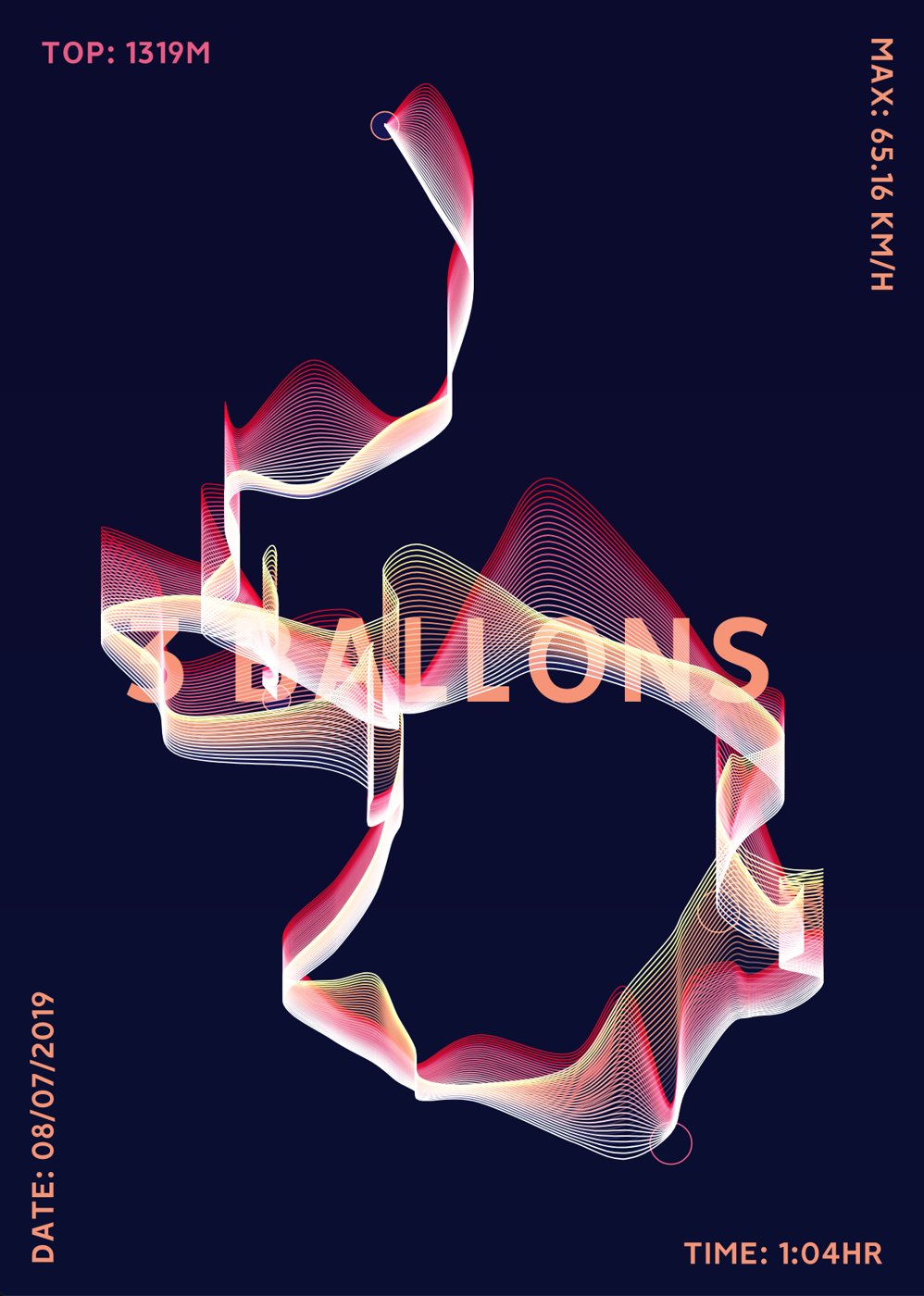
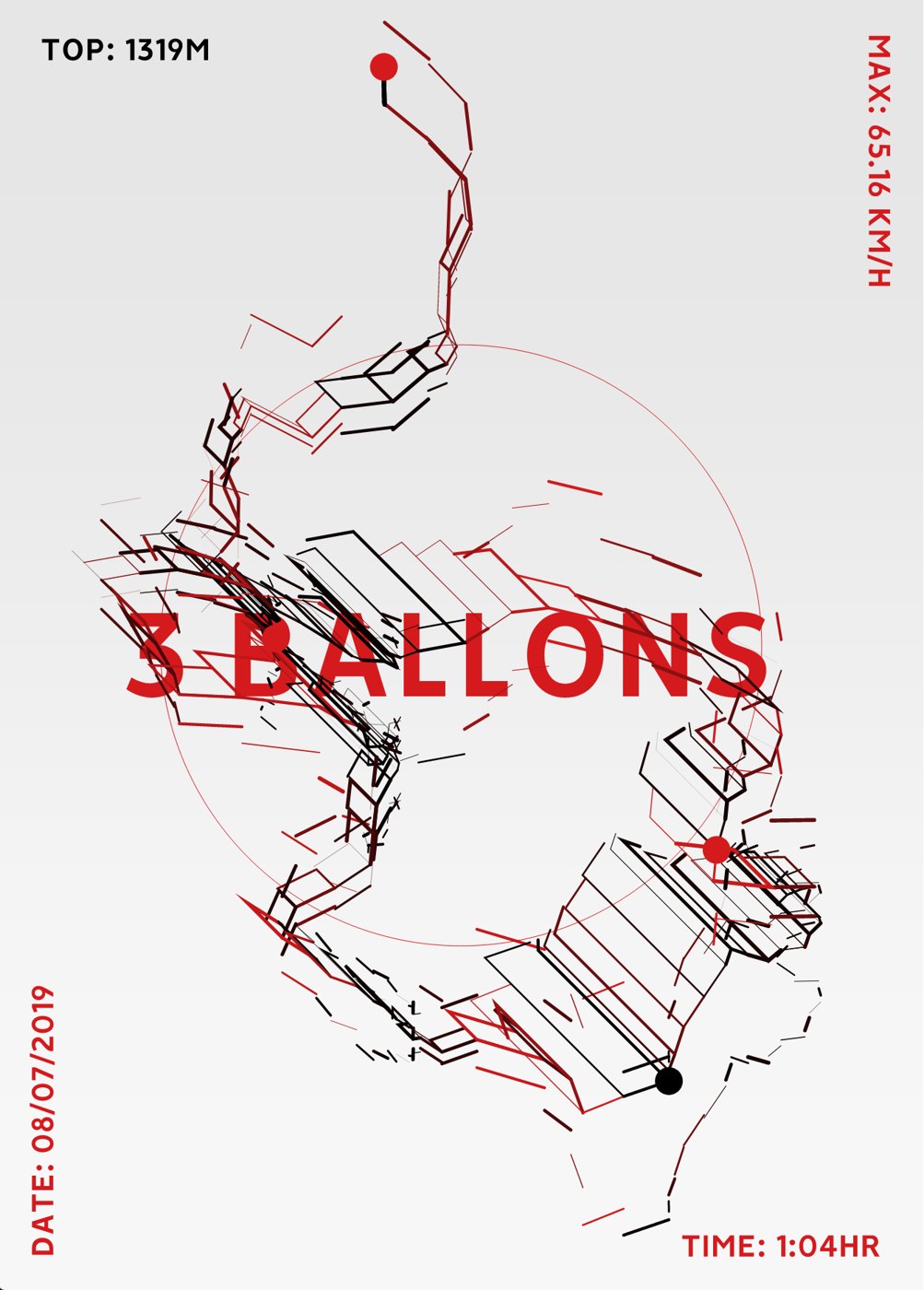
Bravest moment, also called Bike art, takes the data of a bike ride and turns it into an artwork. Each print sits halfway between a graph, where you can spot the highs of the ride, and an abstract composition to hang on the wall.
It started with route prints, such as a ride through the Pyrenees and the 3 Ballons, with top speed, highest point and time worked into the design. With Watersley sports and talent park it grew into a system: every classification winner of the Watersley Ladies Challenge (2022) received her own print, drawn from the route and race data.
- Type
- Generative art, data visualisation, prints
- Client
- Watersley sports and talent park
- Role
- Visual concept, programming
- Years
- 2019 to 2022
- 2018
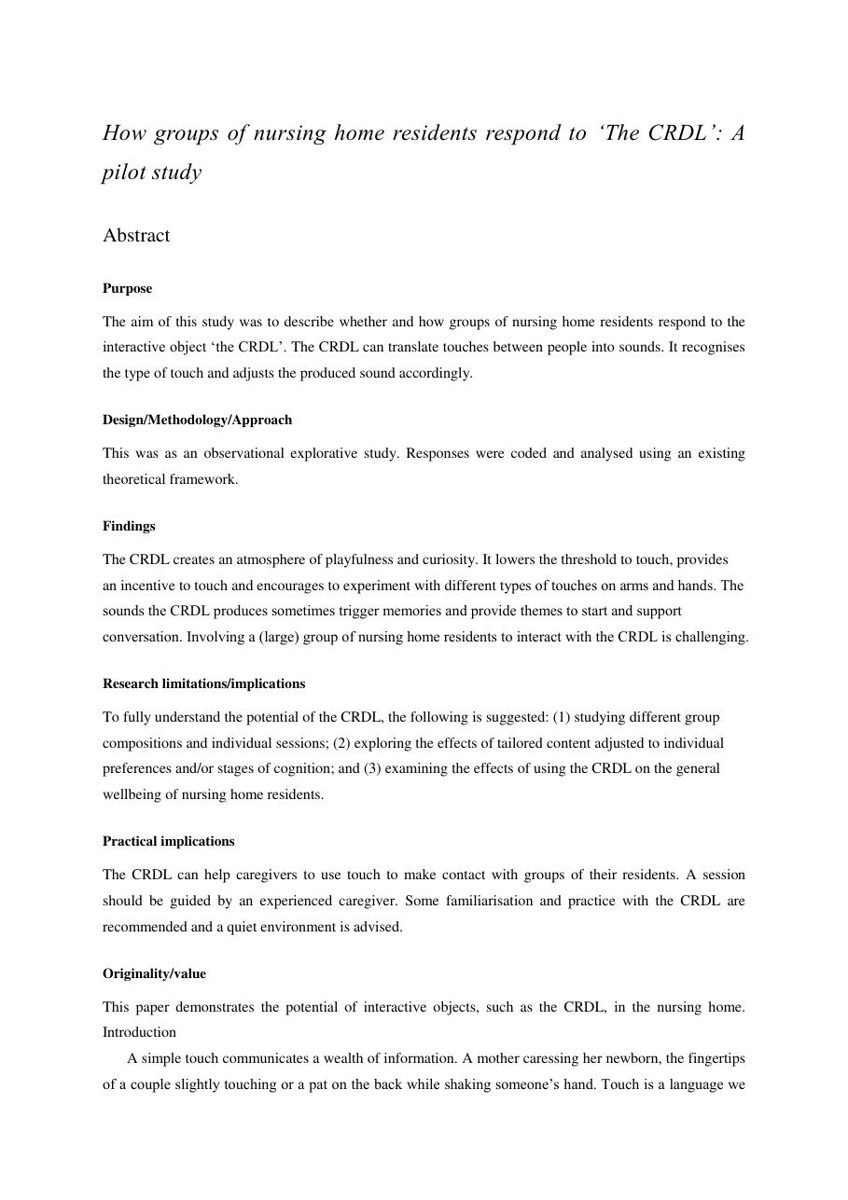 Groups of residents and the CRDL: a pilot studyJournal of Enabling Technologies, 12(4).research038
A pilot study of how groups of nursing home residents respond to the CRDL, an interactive instrument played through touch.
- Type
- Journal article
- Authors
- Tom Luyten, Susy Braun, Susan van Hooren, Luc de Witte
- Venue
- Journal of Enabling Technologies, 12(4), 145-154
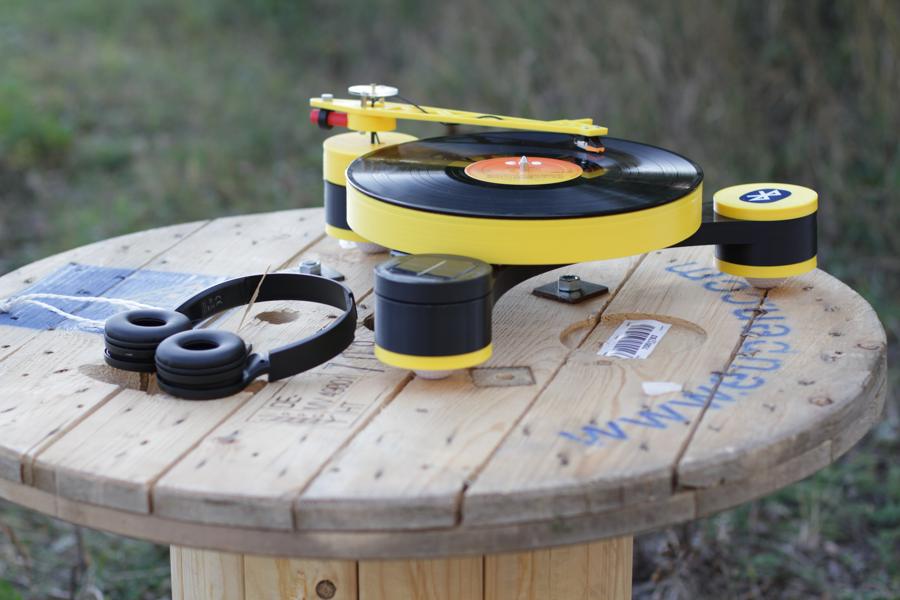
- Lenco: 3D-printed turntableA modular record player you print yourself.design039
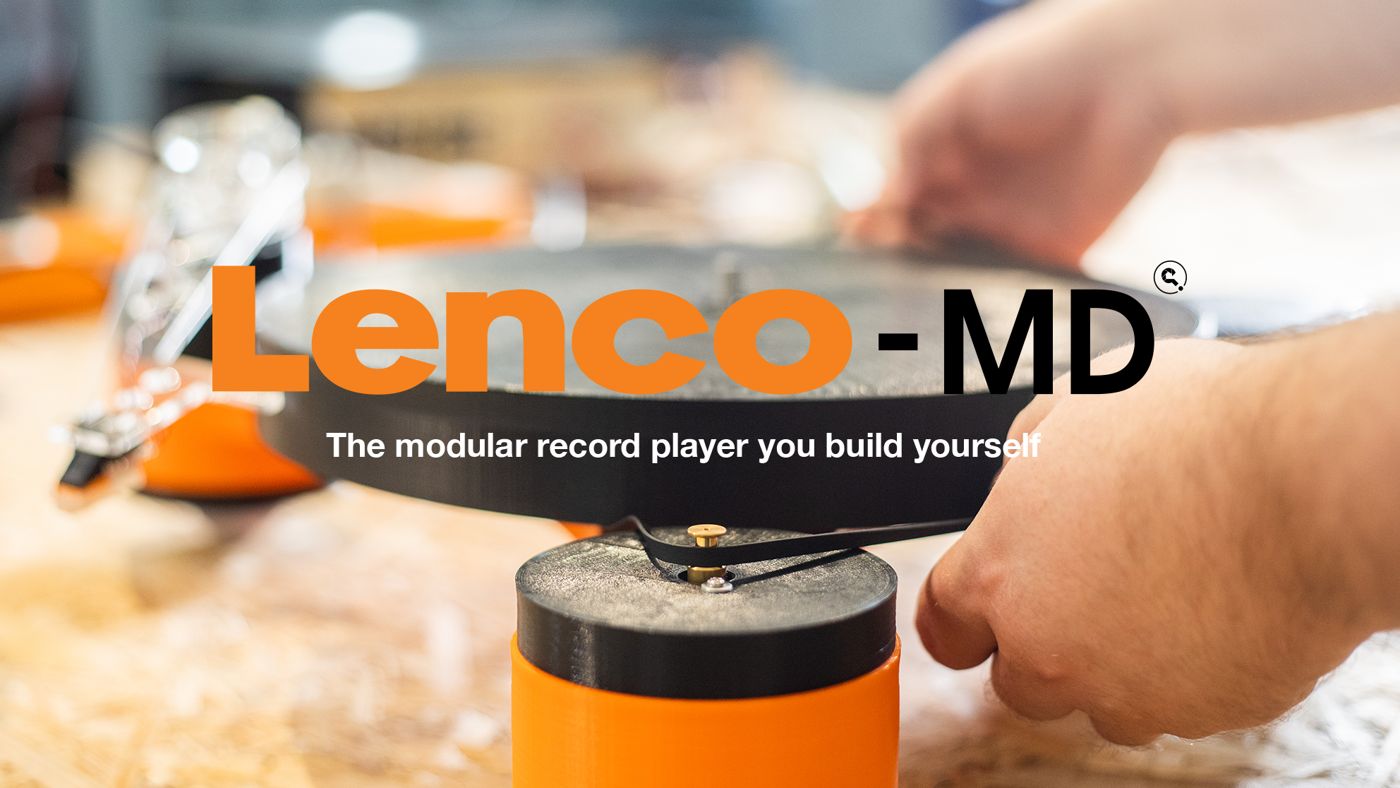
Creative direction, project management and promotion for the Lenco-MD, a modular, 3D-printed record player.
The first prototype launched at IFA Berlin in 2018. In 2019 it was funded on Kickstarter for over 50,000 euro.
- Type
- Product, creative direction
- Client
- Lenco
- With
- Qeske, reprapUniverse, Struqt, PCiD
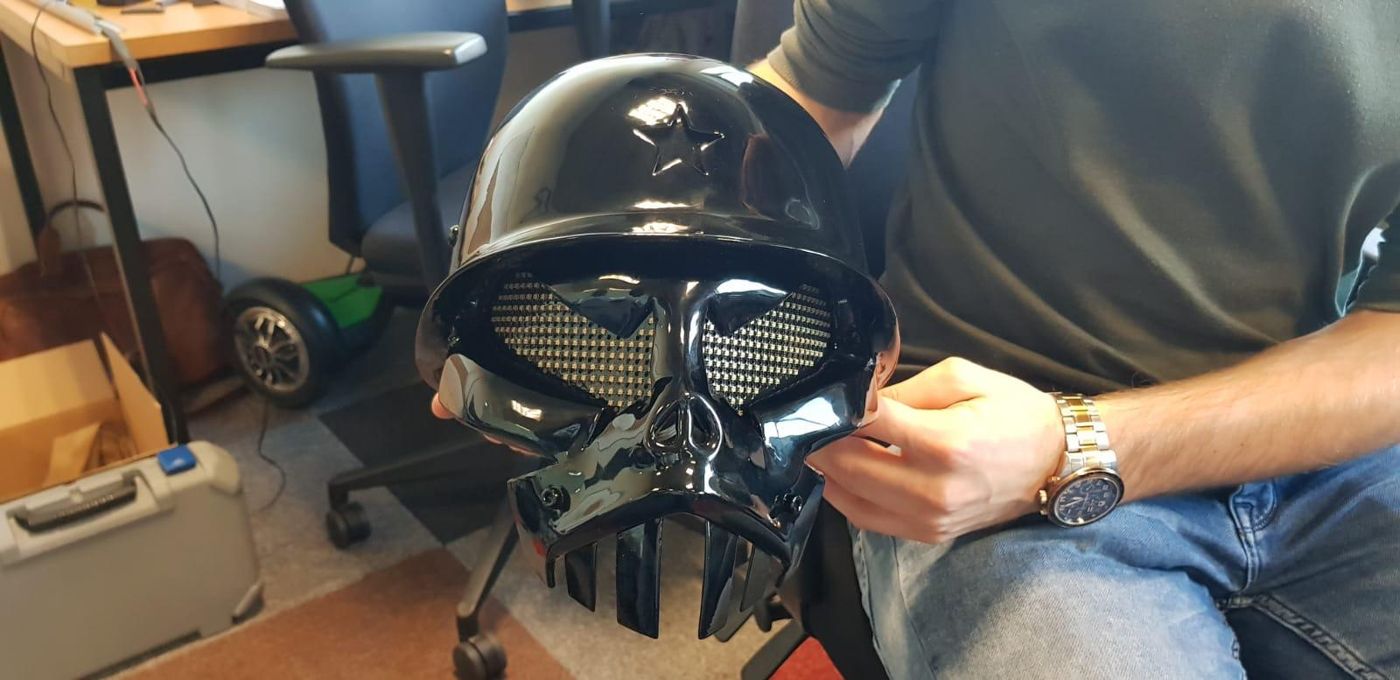
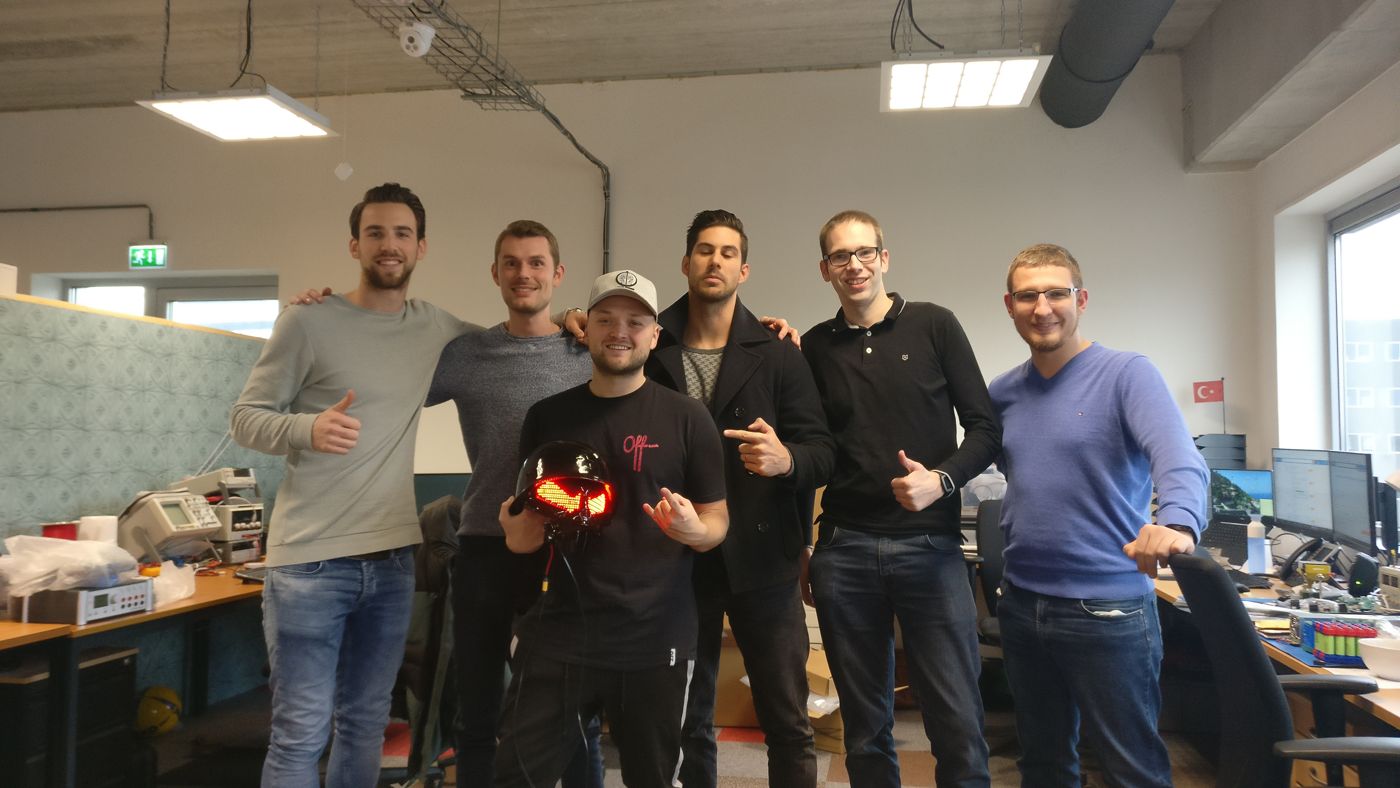
 Warface helmetA sound-reactive helmet for a DJ.design040
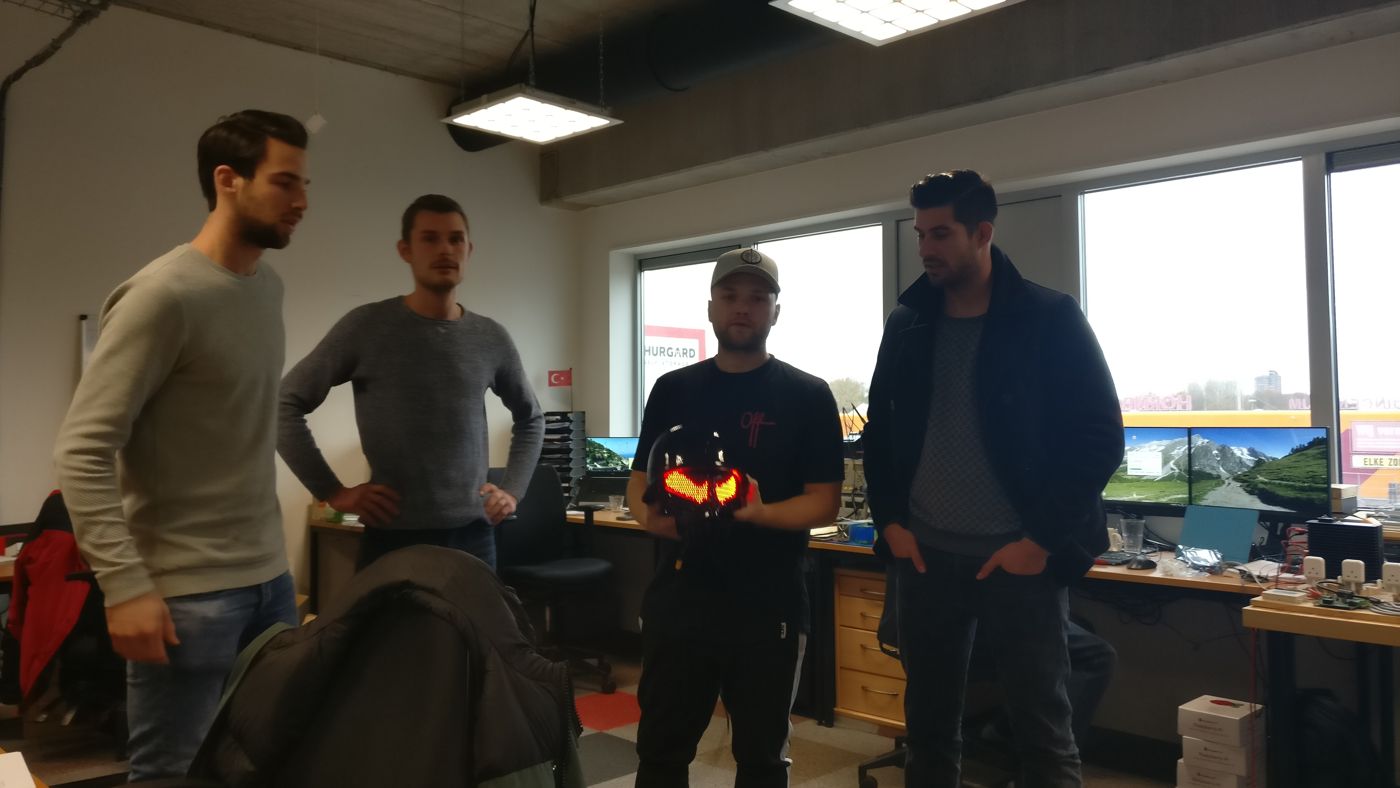
We scanned and replicated the helmet of DJ Warface. Custom hardware and software made the eyes sound-reactive and programmable, while he can still see clearly.
This was the first helmet I ever made. It sparked the founding of RipperDocs.
- Type
- Wearable, creative direction
- Client
- Warface
- With
- PCiD, Struqt, Qeske
- The (in)complete circleCircles with missing parts, to mark a birth.art041
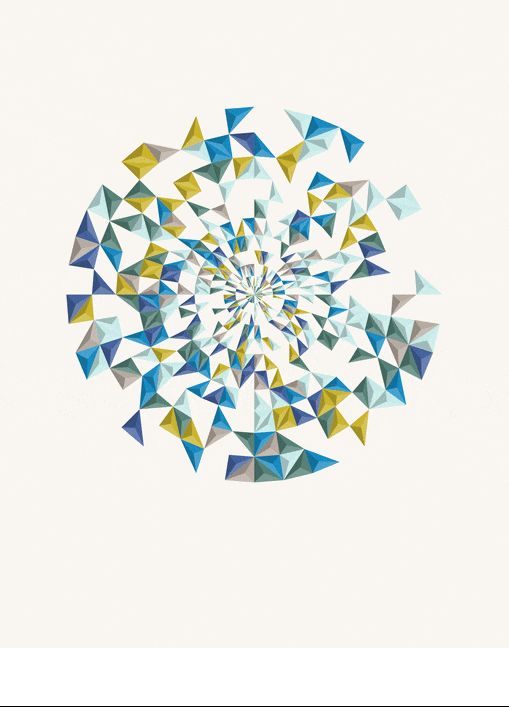
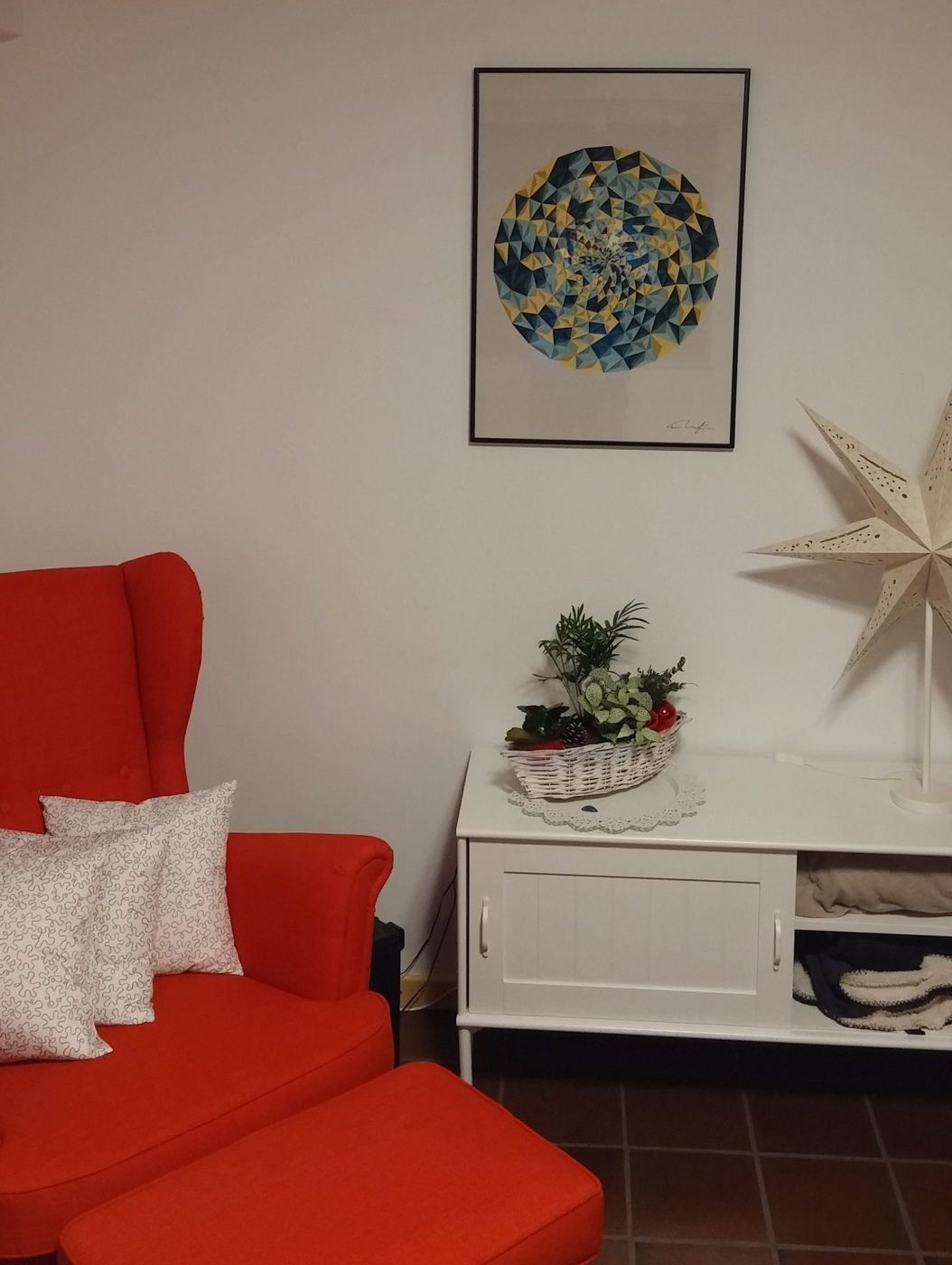
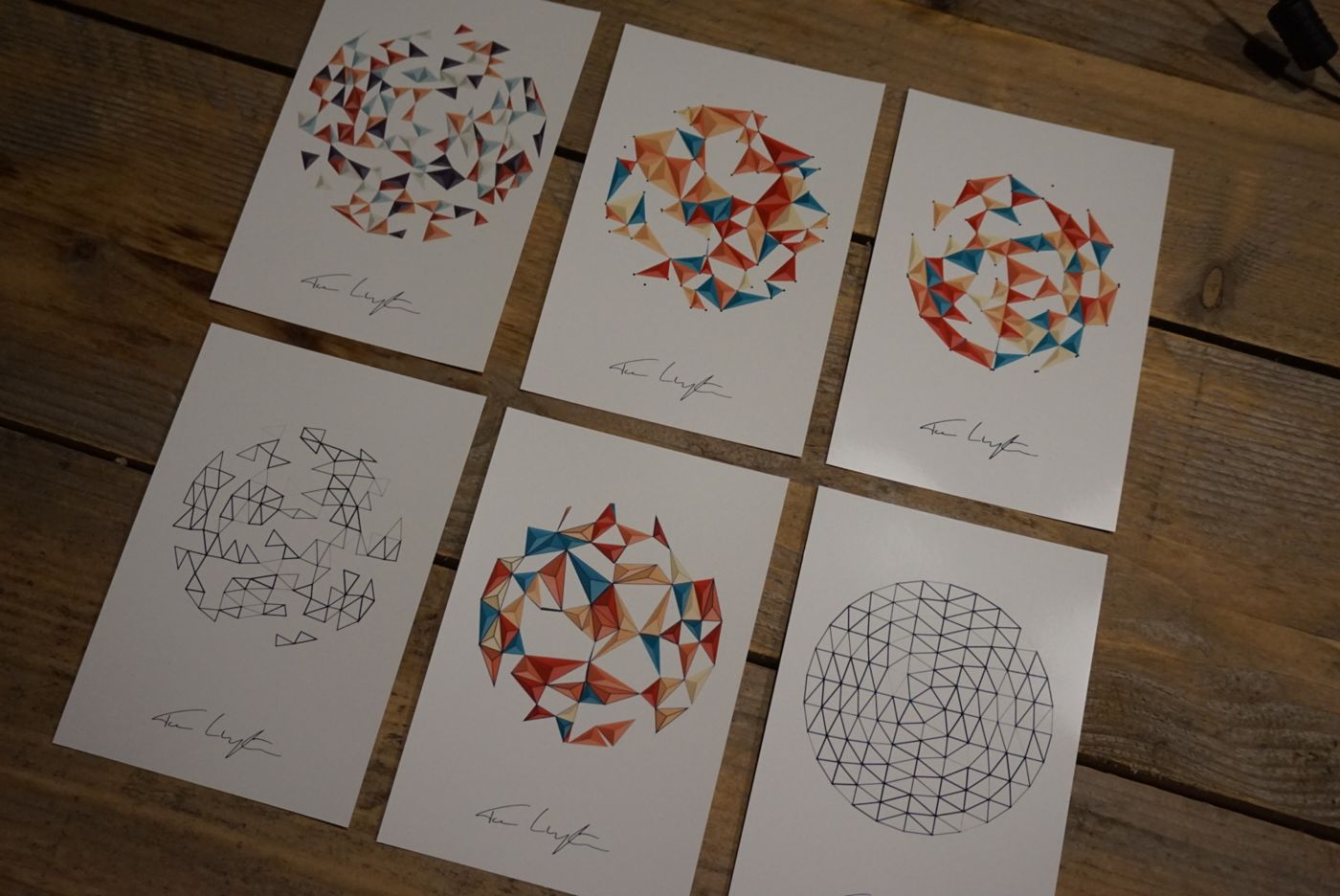
Generated circles that are each unique yet alike, all with parts missing. Printed on aluminium dibond and on cards to announce a birth.
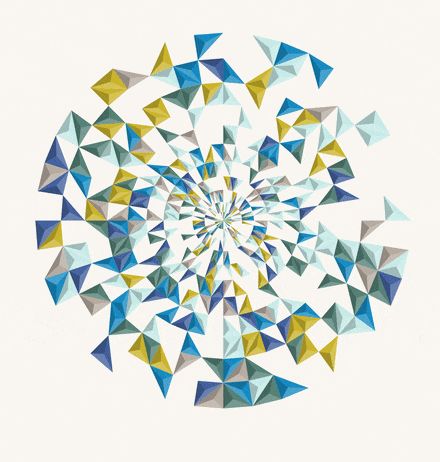
An earlier study, Circular triangles, arranged pseudo-3D triangles in circles.
- Type
- Generative art
- Tools
- Processing
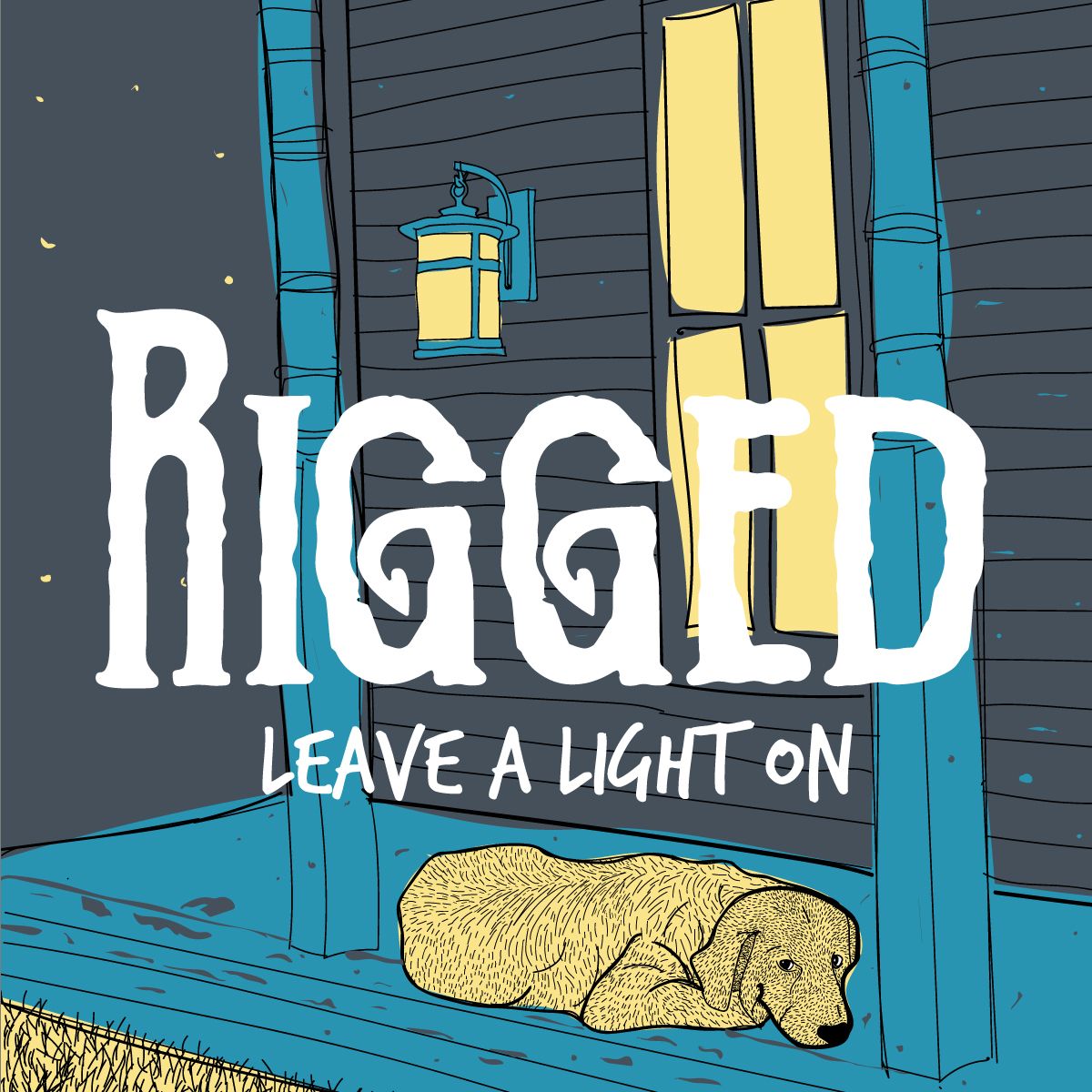 Rigged, Leave a light onCover artwork.design042
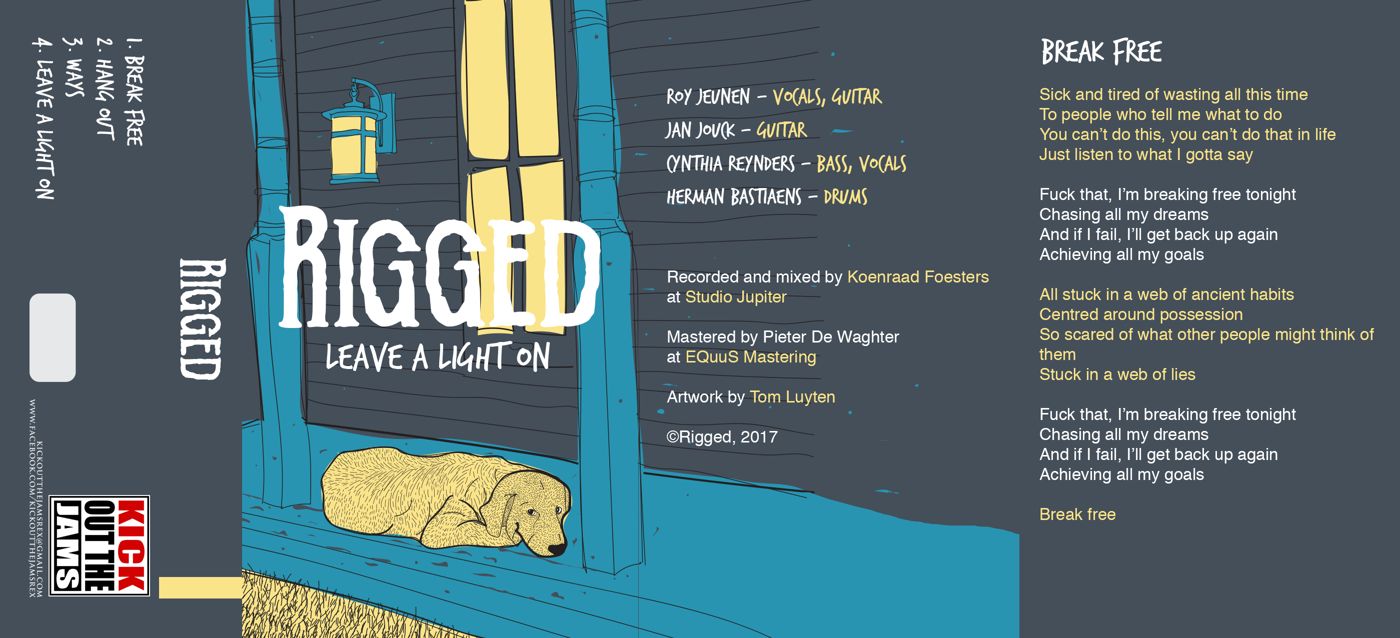
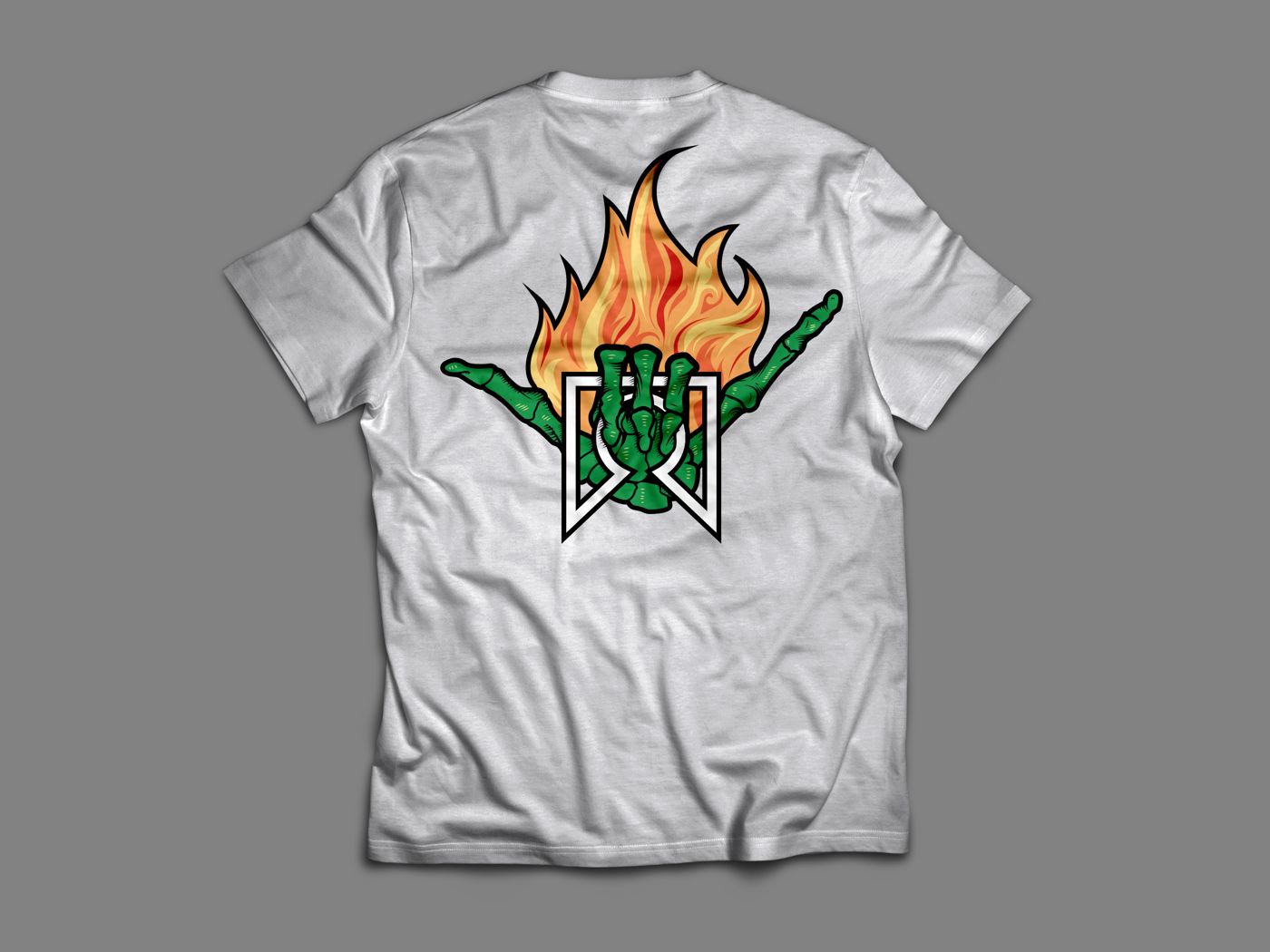
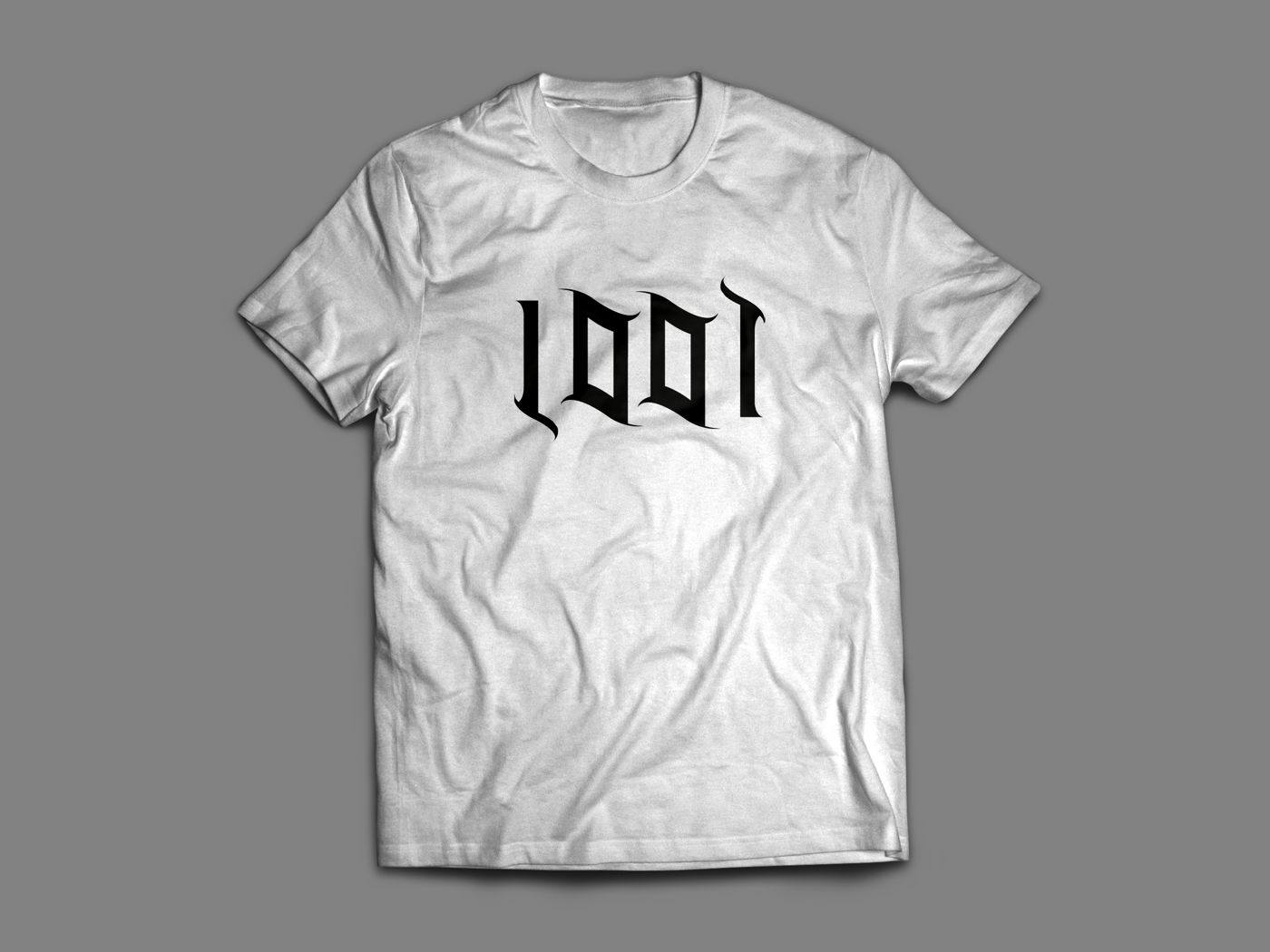
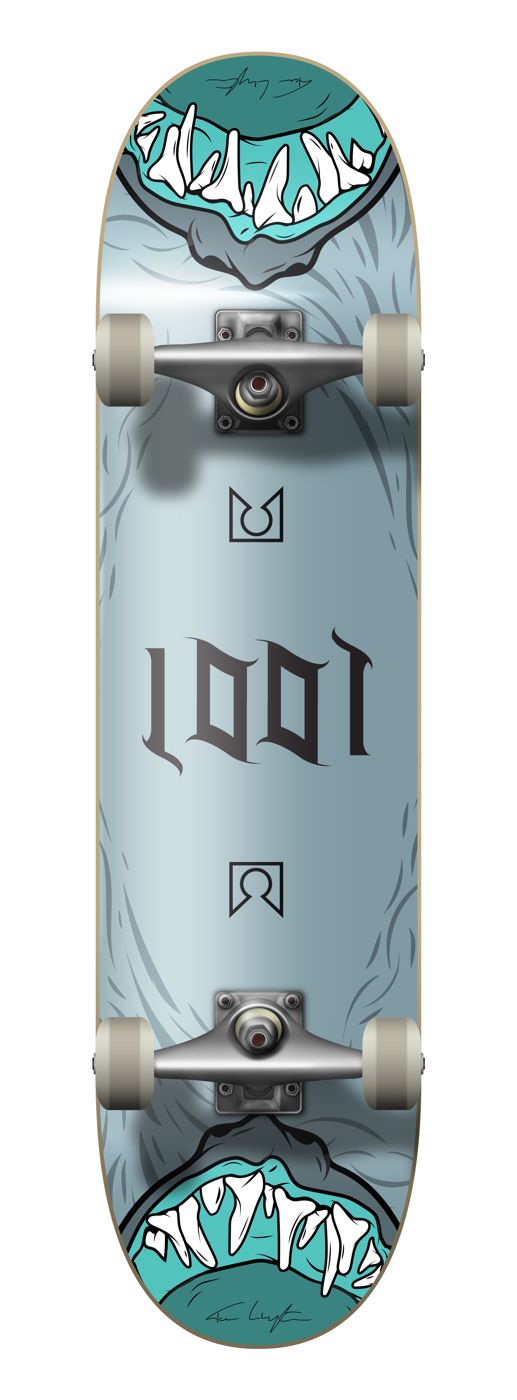 Private x LooiA deck and shirts.design043
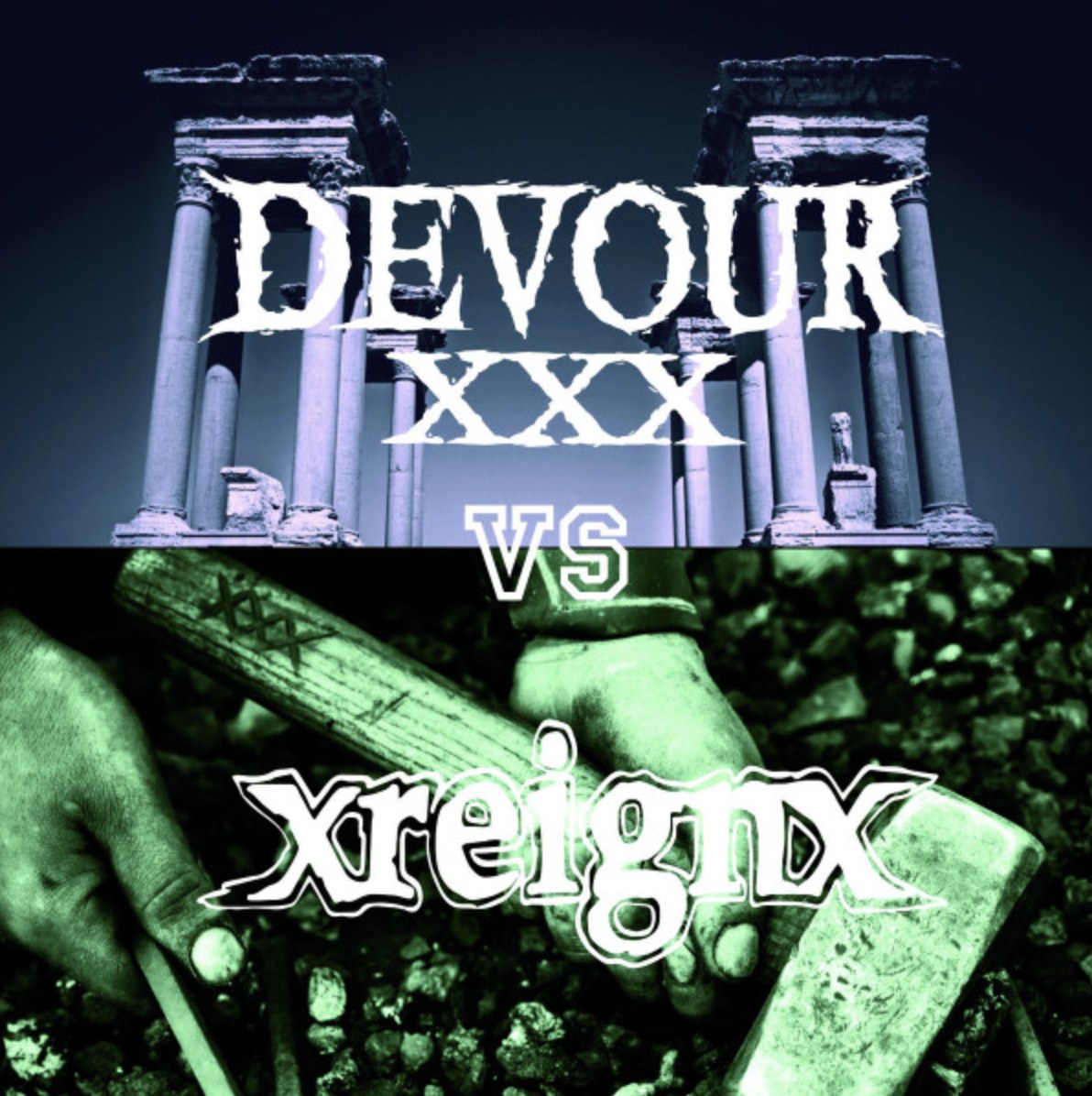 Devour, split with xreignxA split 7-inch with xreignx from San Diego.music044
A split 7-inch with xreignx, a band from San Diego, on Ugly And Proud Records, pressed in blue and green vinyl. I sang.
xDEVOURx: Existence Decayed, Hive Mind. xreignx: Stir, Level.
- Type
- 7-inch vinyl, split
- Band
- xDEVOURx (2015 to 2018)
- Role
- Vocals
- Label
- Ugly And Proud Records, U&P 031
- Style
- Metalcore, hardcore
- Teaching interfaces for people with dementiaStudent projects in design education, 2016 to 2018.research045
Design education built around my research: students designed and tested interactive interfaces for people with dementia. Four videos from those years.
- Type
- Education, design research
- Period
- 2016 to 2018
- 2017
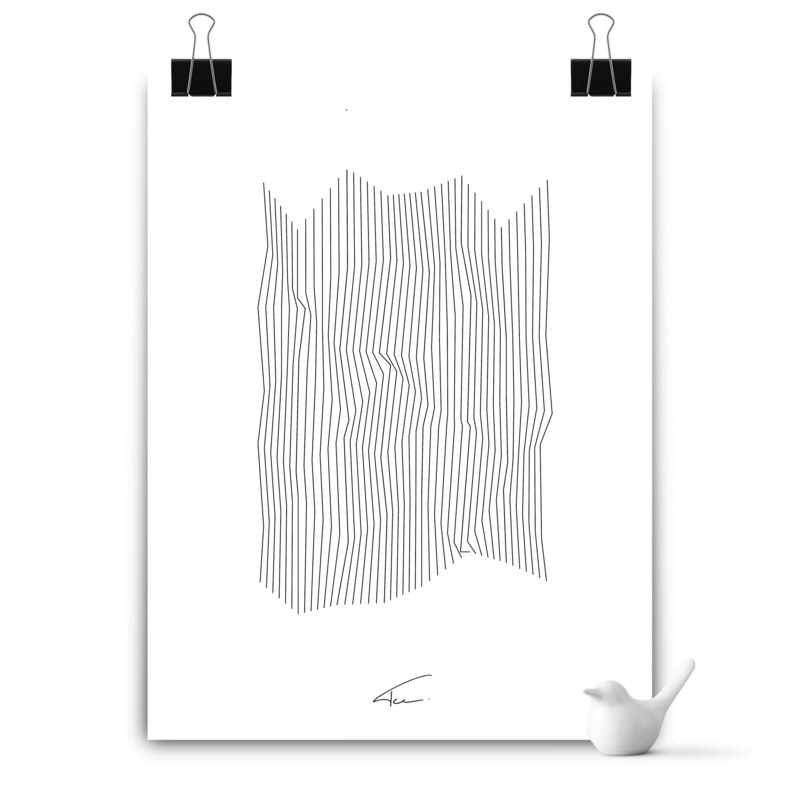
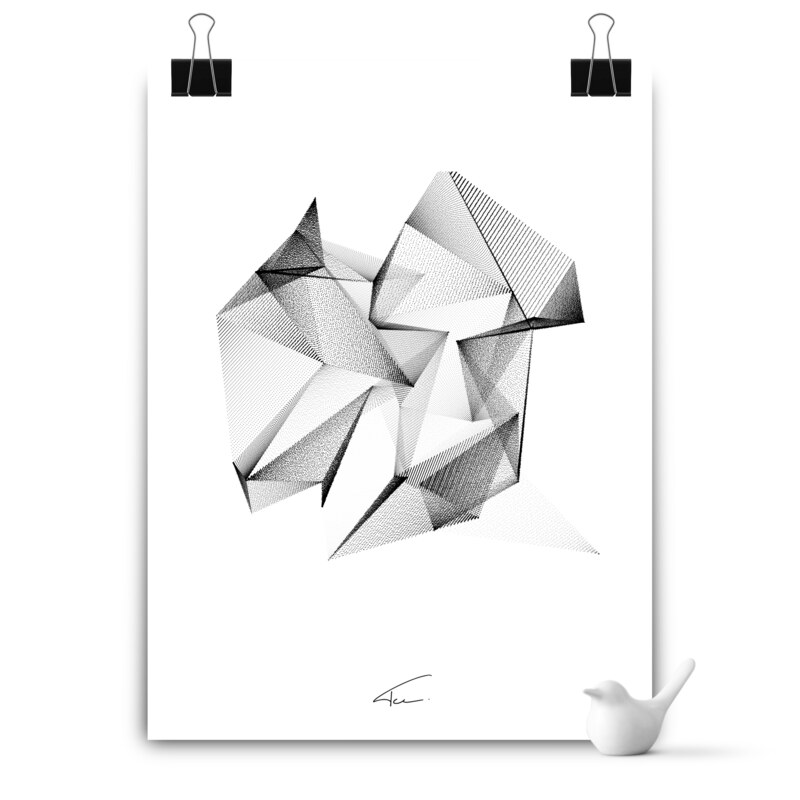
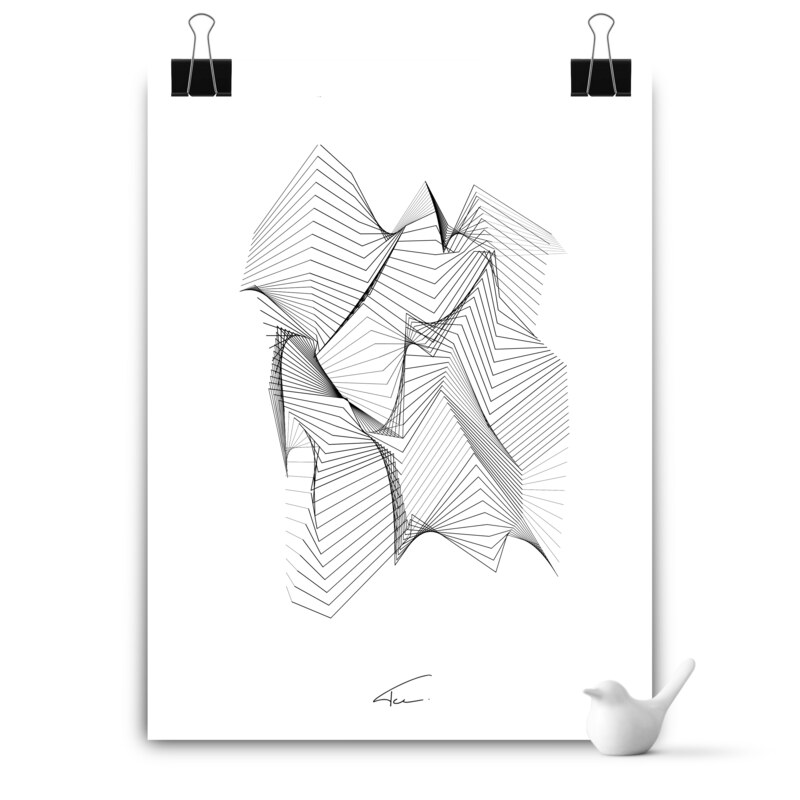
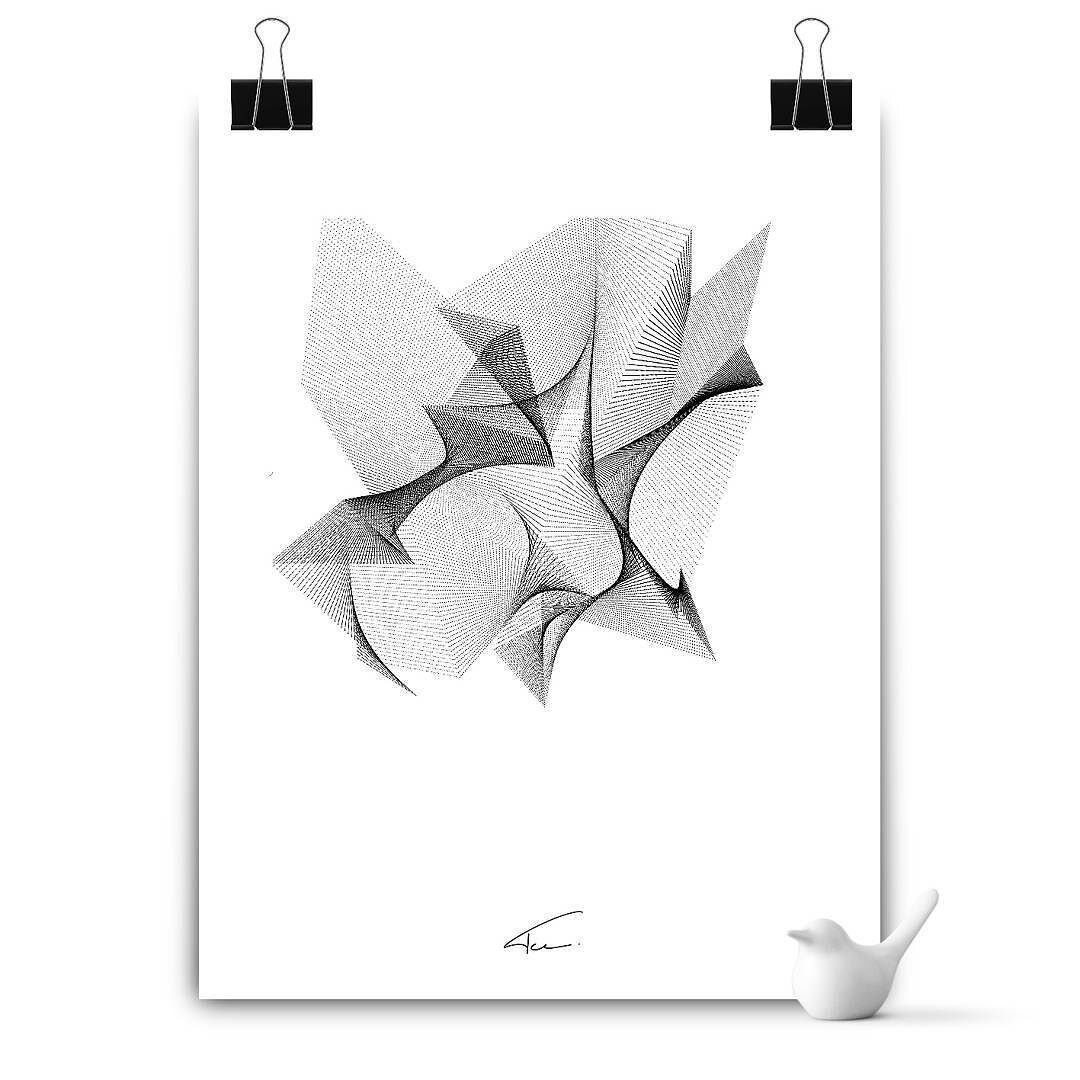
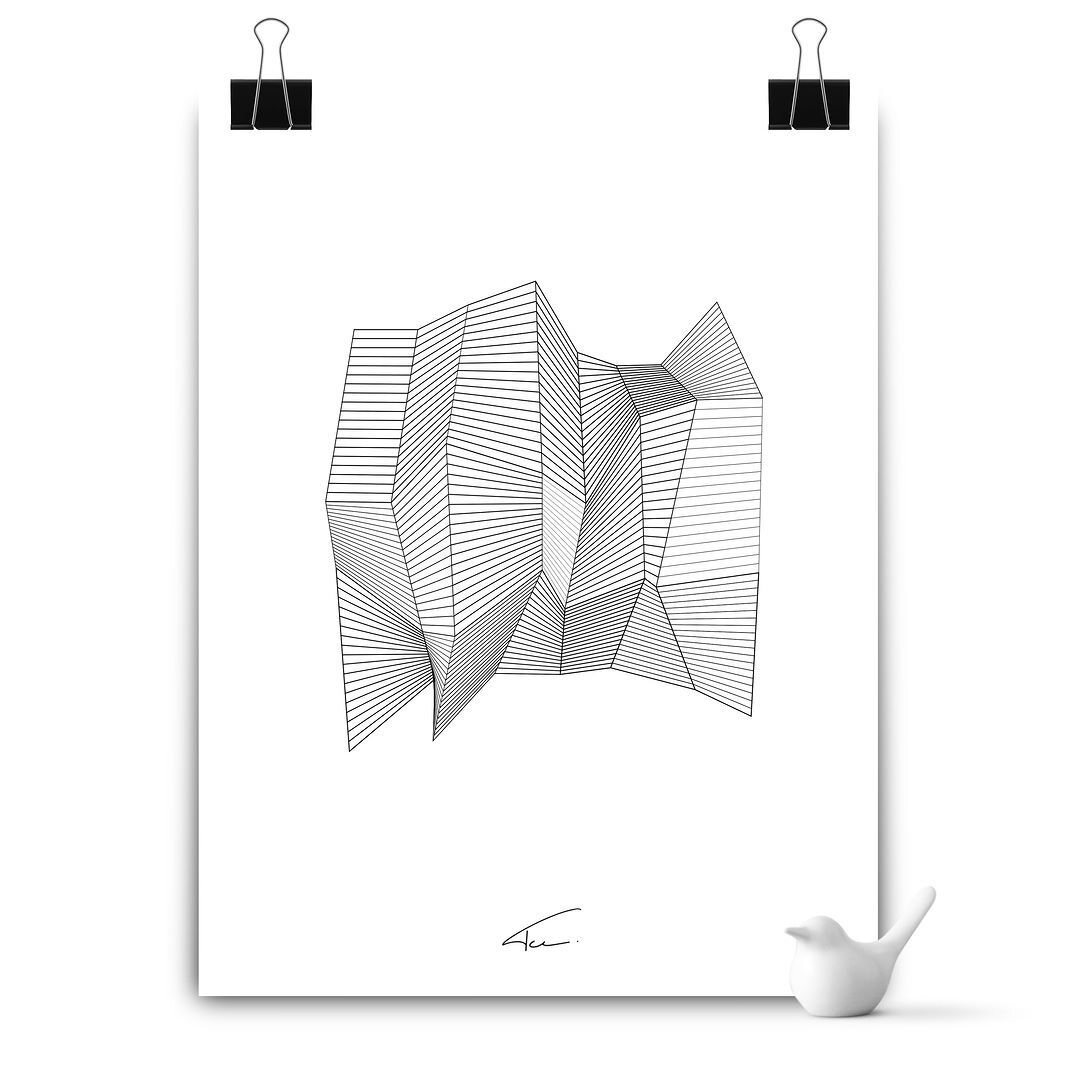
- In code we trustA series of generative line prints, July 2017.art047
A series of generative prints made in code: fields of thin black lines that fold, ripple and crumple like paper. Each print is one outcome of the same algorithm.
- Type
- Generative art, prints
- Date
- July 2017
- Expo: The future is invisibleAn exhibition on nanotechnology at SKC Belgrade.art048
An exhibition by the Maastricht Academy of Media Design & Technology at Galerija SKC in Belgrade, set up as a parallel event to Resonate festival. The works look at miniaturisation and nanotechnology, which make the future “invisible”, and set those hidden mechanisms against their visible consequences.
Prints, video, interactive installations and digital art, inspired by materials broken down into nanoparticles, Egyptian mythology and nanocrystals that store the global status quo. A collaboration between Tom Luyten, MAMDT and Serbian visual artist Predrag Končar.
- Type
- Exhibition
- Where
- Galerija SKC, Belgrade, Serbia
- When
- 19 to 27 April 2017
- With
- MAMDT, Predrag Končar, Resonate festival
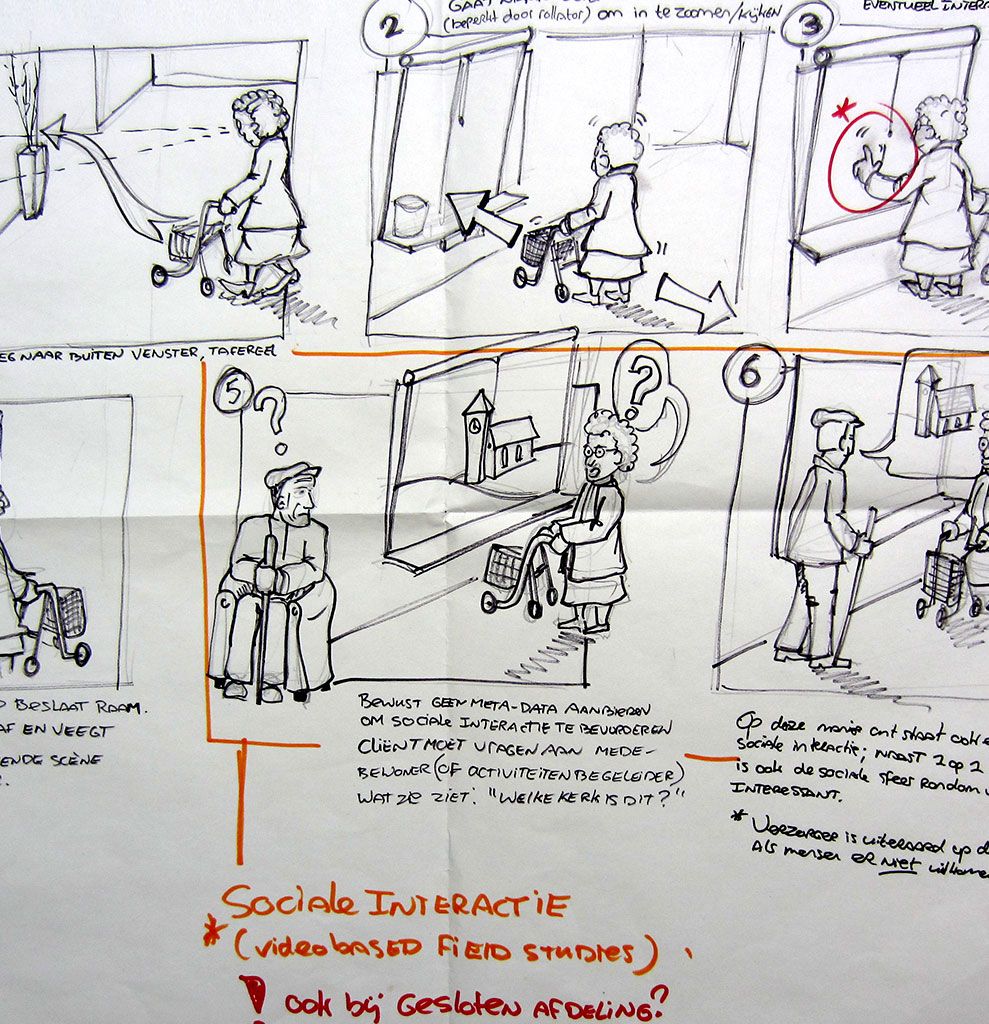 Co-creating the interface for VENSTERDisability and Rehabilitation: Assistive Technology, 13(8).research049
How the interface of VENSTER was co-created with residents with dementia, carers and family.
- Type
- Journal article
- Authors
- Gaston Jamin, Tom Luyten, Rob Delsing, Susy Braun
- Venue
- Disability and Rehabilitation: Assistive Technology, 13(8), 809-818
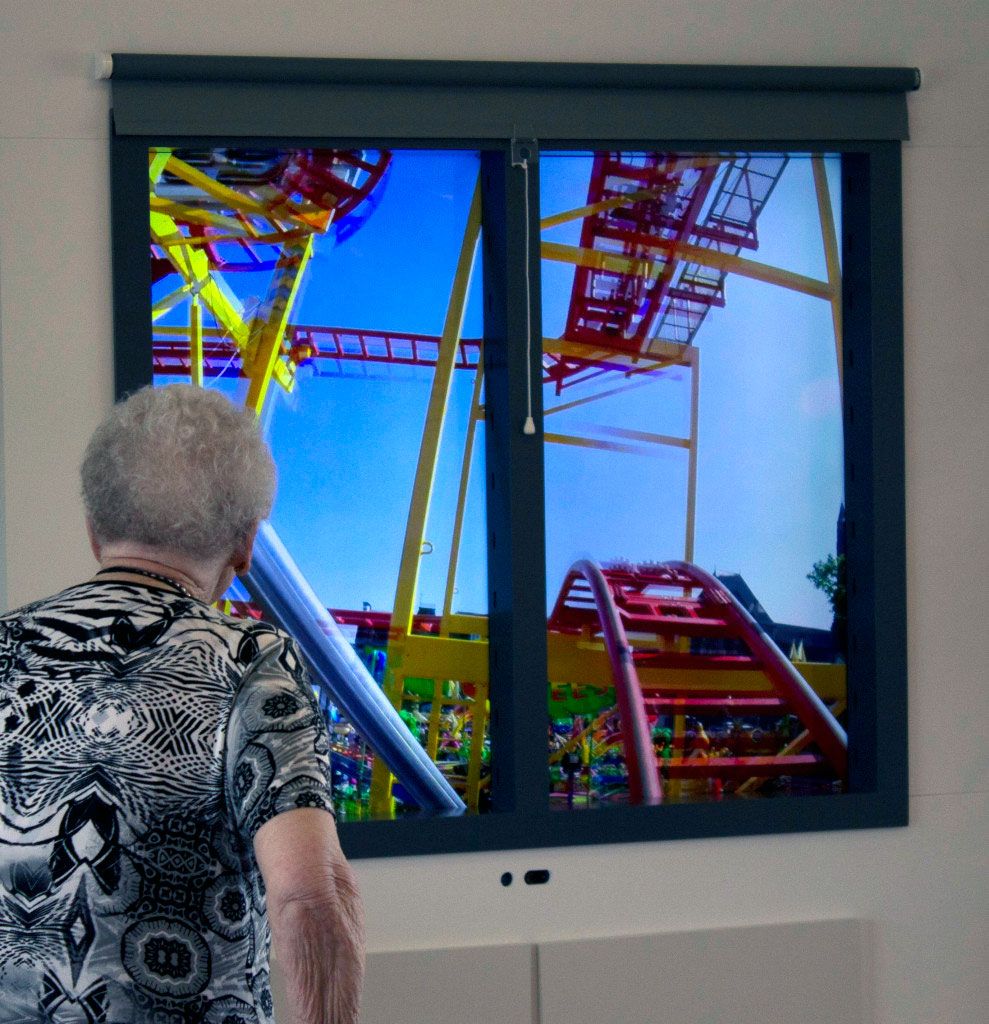 Residents with dementia and VENSTER: a pilot studyDisability and Rehabilitation: Assistive Technology, 13(1).research050
A pilot study of how nursing home residents with dementia respond to the interactive art installation VENSTER.
- Type
- Journal article
- Authors
- Tom Luyten, Susy Braun, Gaston Jamin, Susan van Hooren, Luc de Witte
- Venue
- Disability and Rehabilitation: Assistive Technology, 13(1), 87-94
 Responses to interactive digital artworksInternational Journal of Arts and Technology, 10(2).research051
A systematic review of how participants respond to physical, open-ended interactive digital artworks.
- Type
- Systematic review
- Authors
- Tom Luyten, Susy Braun, Susan van Hooren, Luc de Witte
- Venue
- International Journal of Arts and Technology, 10(2), 94-134
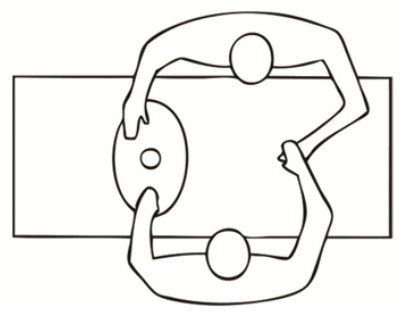
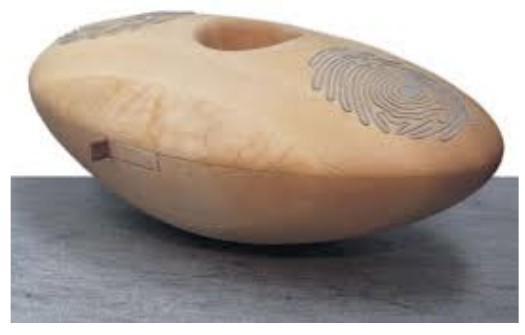 Reconnecting people with dementia through the CRDLAAATE conference.research052
Conference paper on the interactive instrument CRDL as a way to reconnect people with dementia and the people around them.
- Type
- Conference paper
- Authors
- Lisanne Teunissen, Tom Luyten, Luc de Witte
- Venue
- AAATE 2017, Studies in Health Technology and Informatics
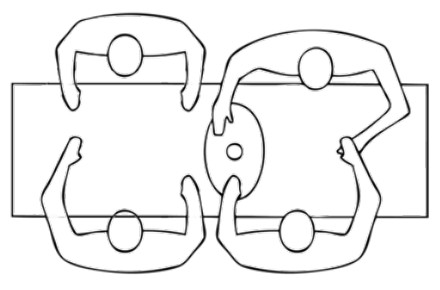
 Co-designing art installations for nursing homesBook chapter, Shared Insights on Co-Creation in Healthcare.research053
A co-design method for creating meaningful art installations for residents of nursing homes.
- Type
- Book chapter
- Authors
- Tom Luyten, Susy Braun, Susan van Hooren, Luc de Witte
- Venue
- Shared Insights on Co-Creation in Healthcare, U-create
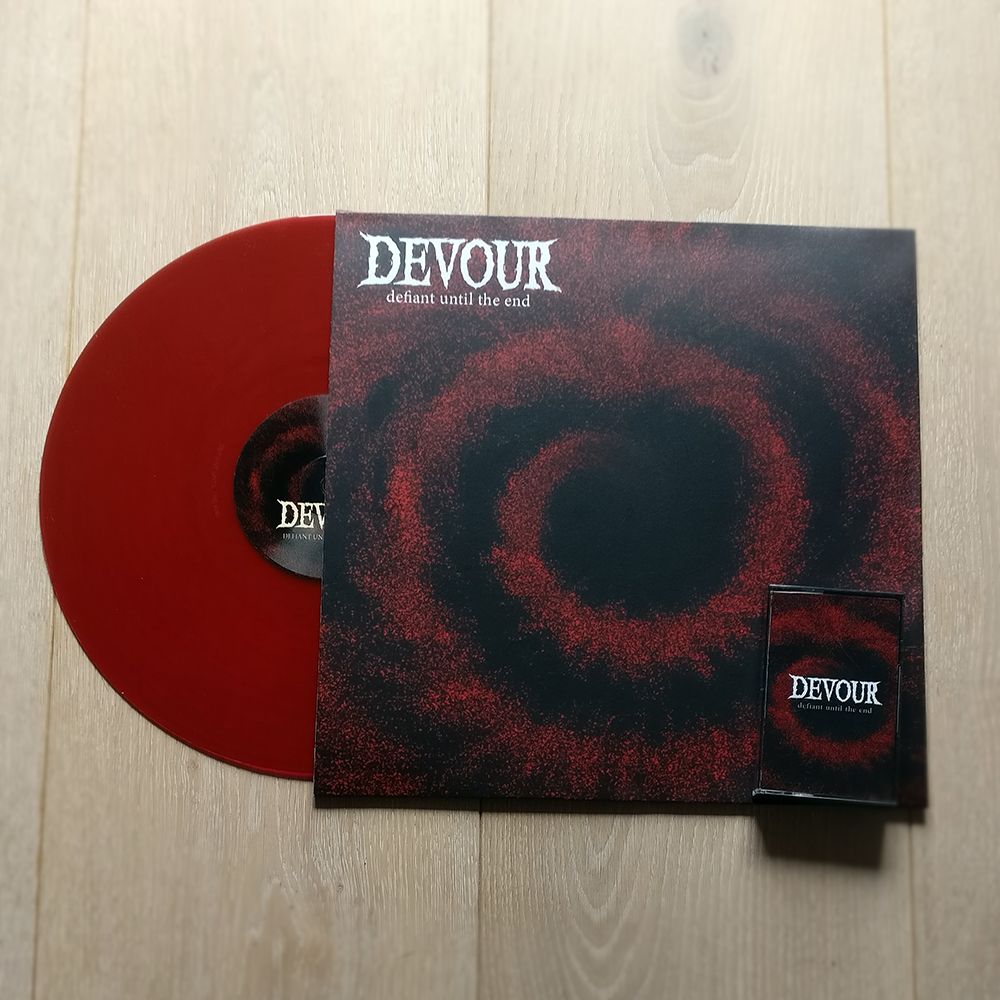
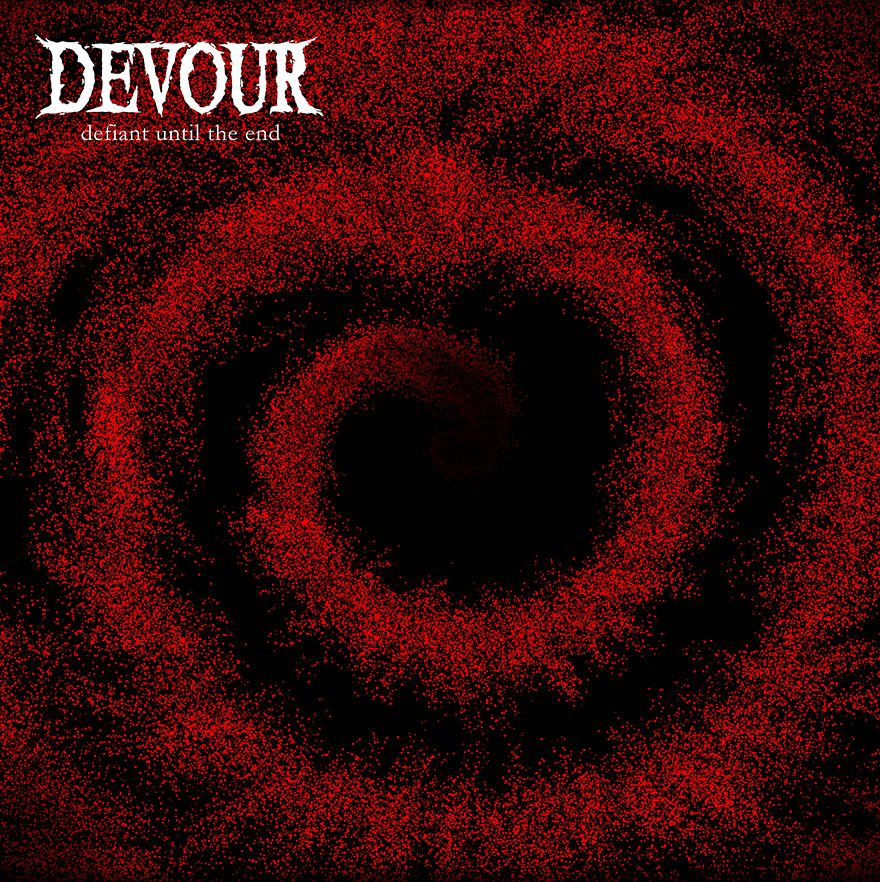
 Devour, Defiant Until The EndAlbum artwork, written in code.music054
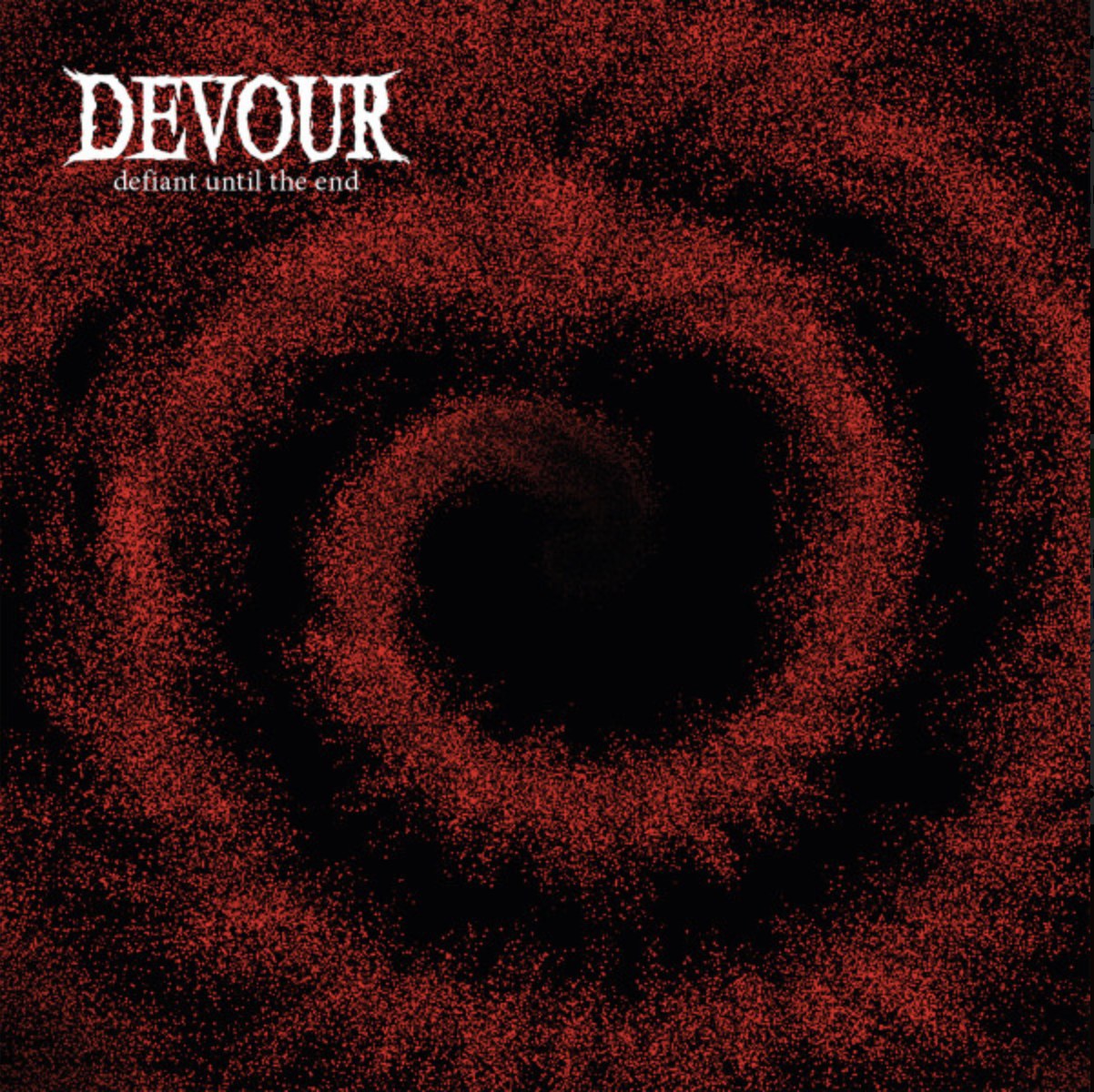
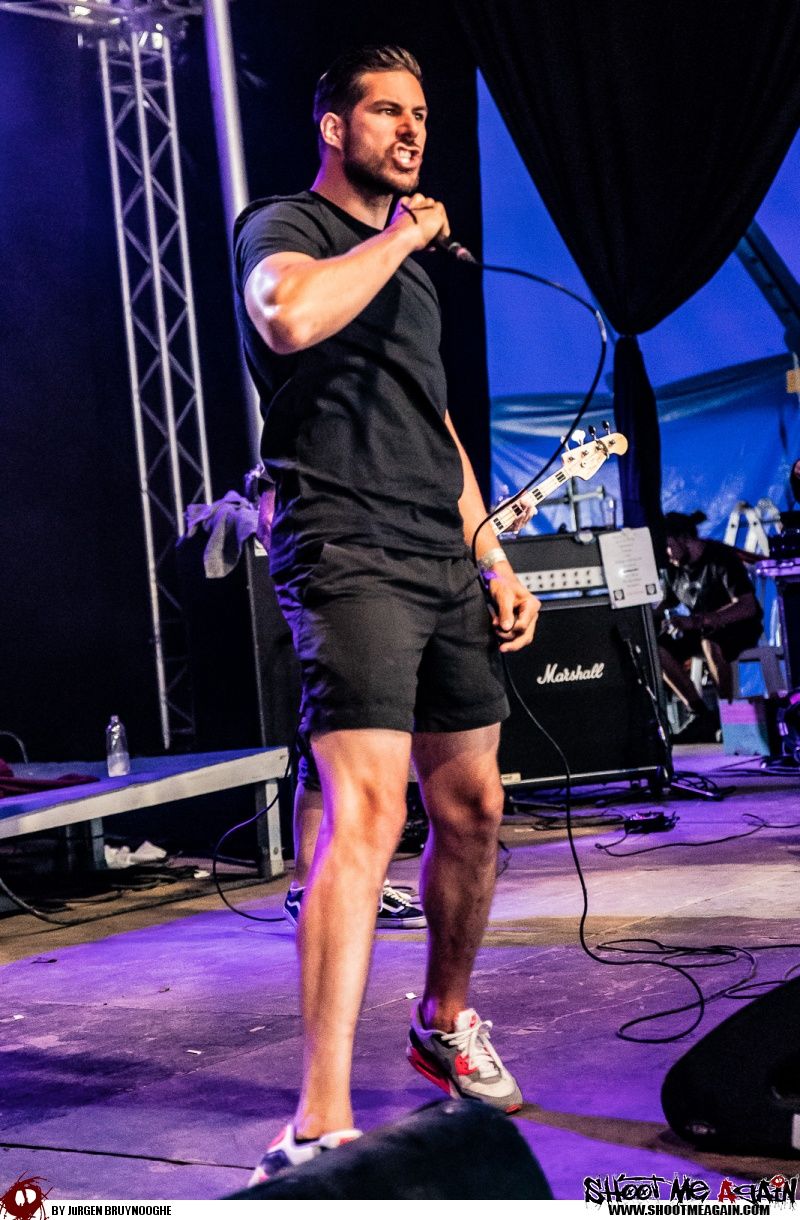
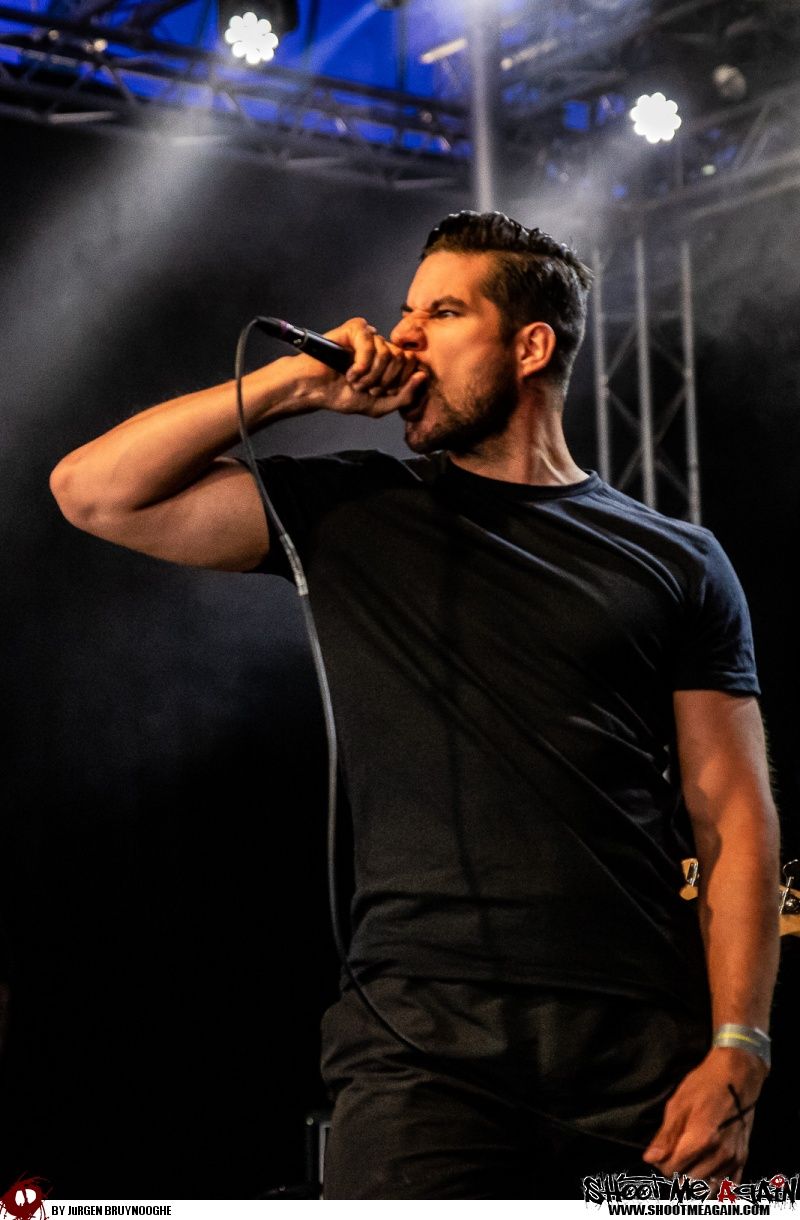
The full-length album of xDEVOURx, a straight edge hardcore band from Belgium. I sang and designed the artwork: the turbulent red spiral was made entirely in Processing.
Defiant Until The End, Vultures, Arrogance, Poor Hearts Will Bleed, My Apocalypse, Barriers, X On My Hand, Anticipation, Abolished, Extreme Dichotomy, Evolution, Devoured.
- Type
- Album, artwork
- Band
- xDEVOURx (2015 to 2018)
- Role
- Vocals, artwork
- Labels
- Mark My Words Records (CD, MMW18), Ugly And Proud Records (LP, U&P 024), Kick Out The Jams (cassette, KOTJ029)
- Recorded
- Kurt Vanoppen; mixed and mastered by Jesse Sampermans
- Style
- Hardcore, metalcore
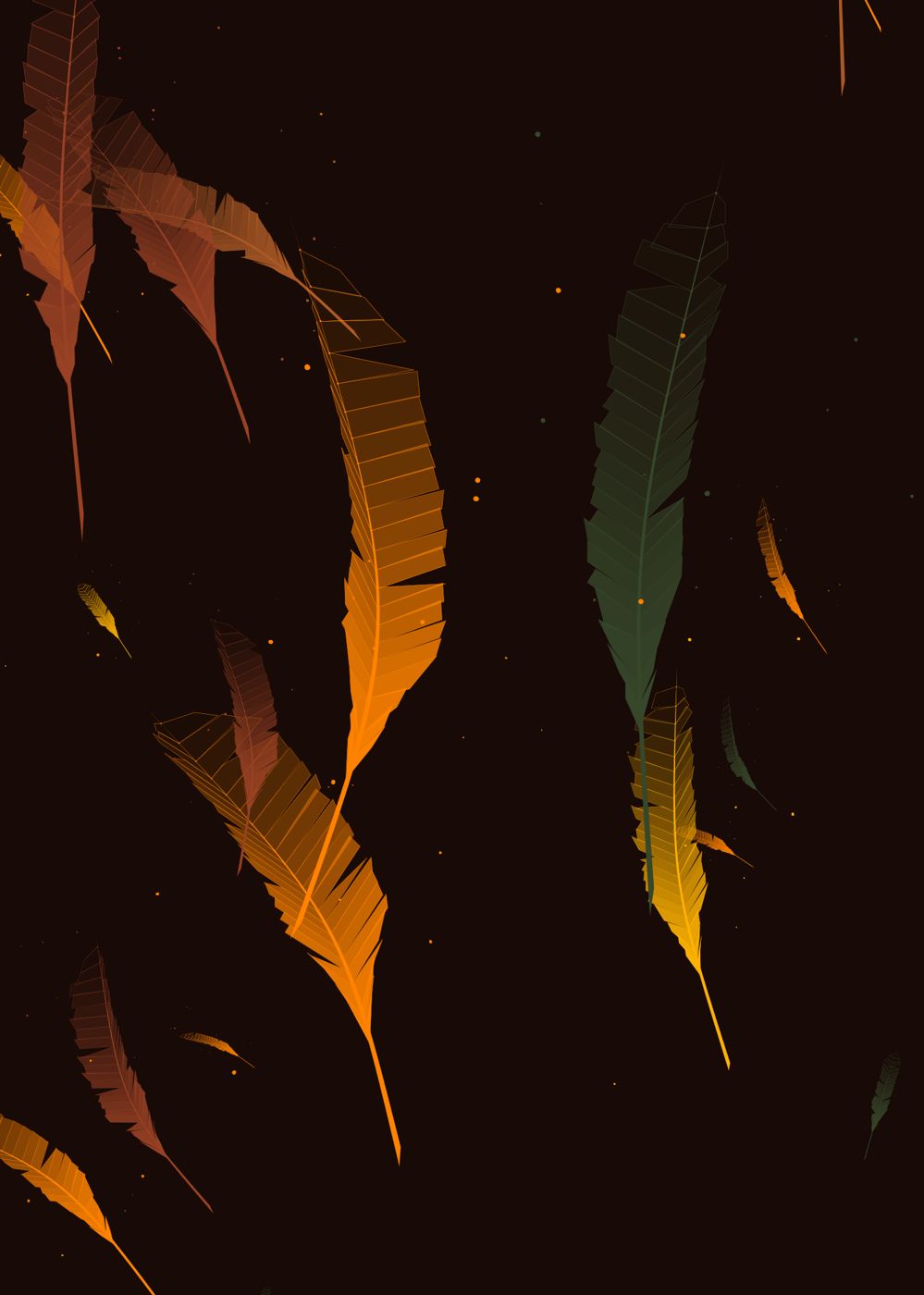 Maastricht weatherFeathers driven by the live weather.art055
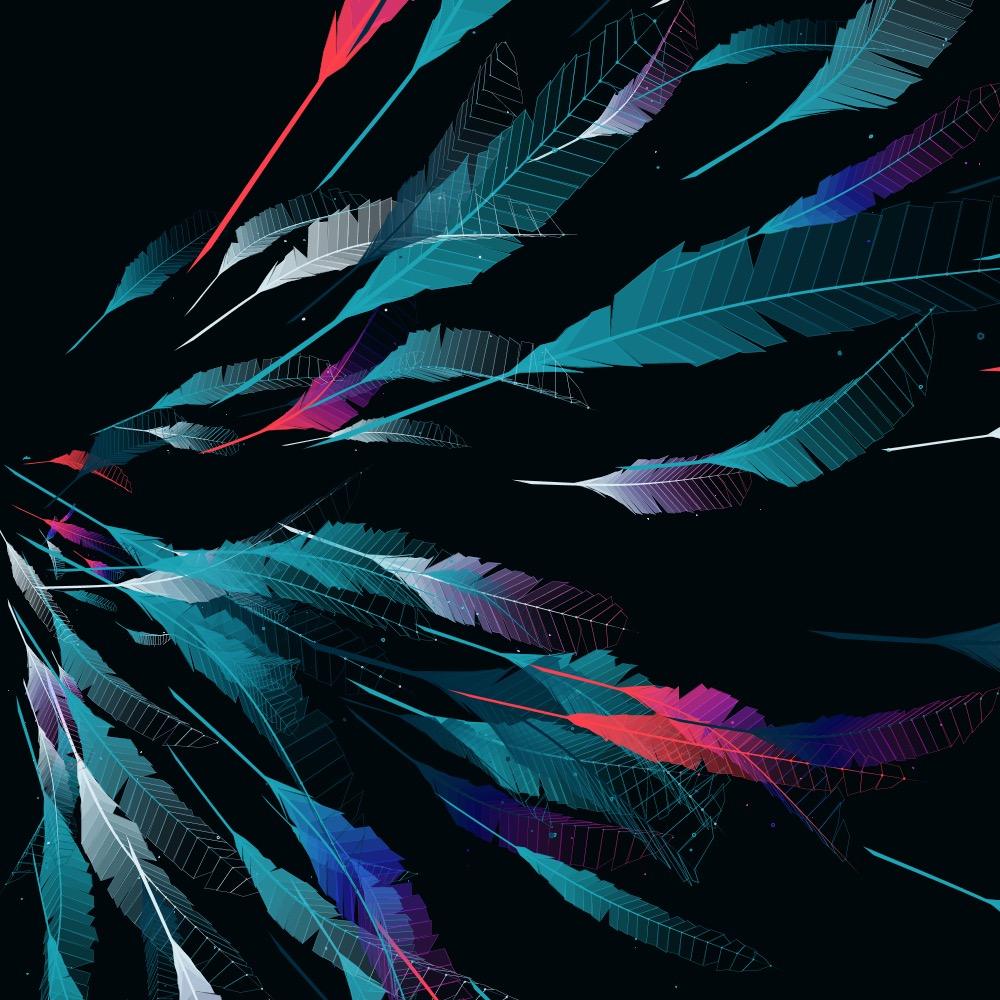
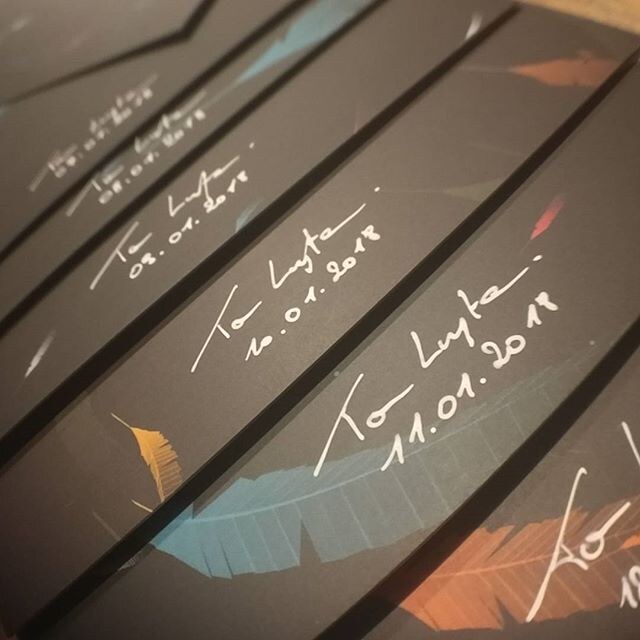
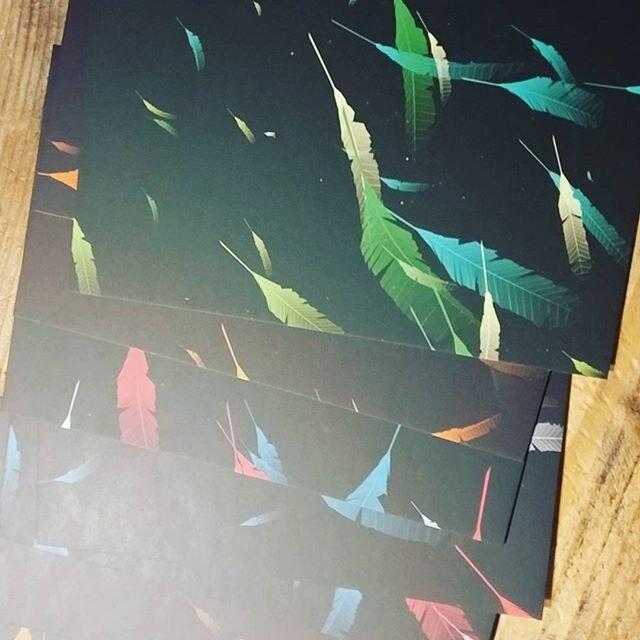
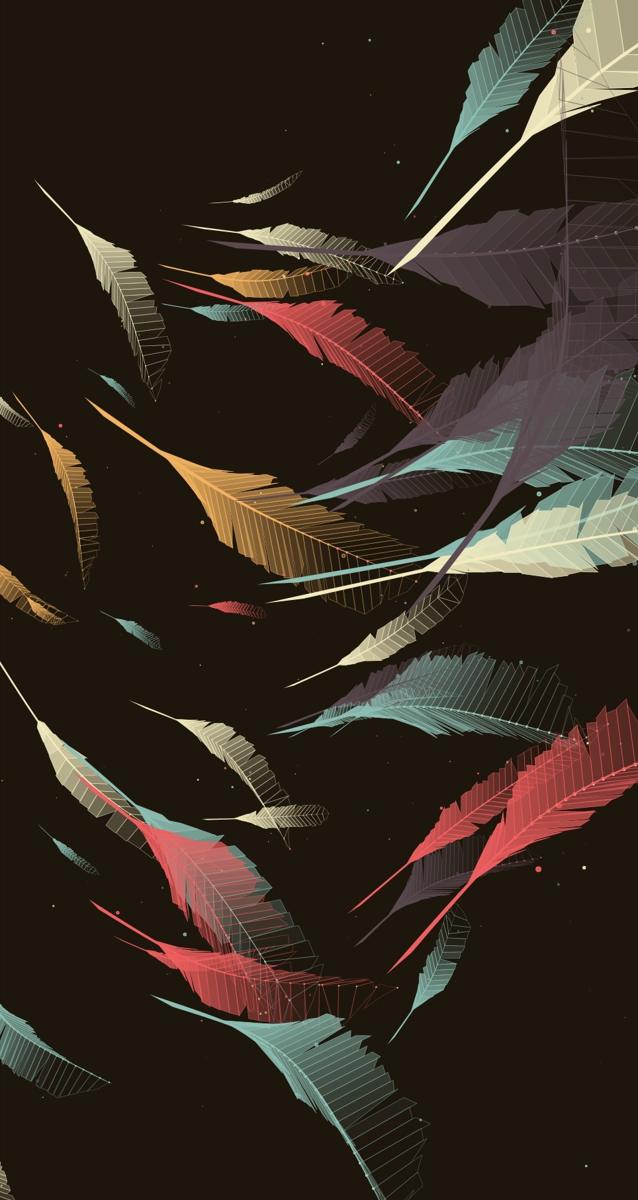
A composition of feathers driven by the live weather in Maastricht. Temperature sets the colour, wind sets the direction and the number of feathers.
The prints sold out at the tourist office. The same generative leaves were also made into a thank-you print for Maastricht.
- Type
- Generative art, commission
- Client
- City of Maastricht
 Turning PointClimate data as images.art056
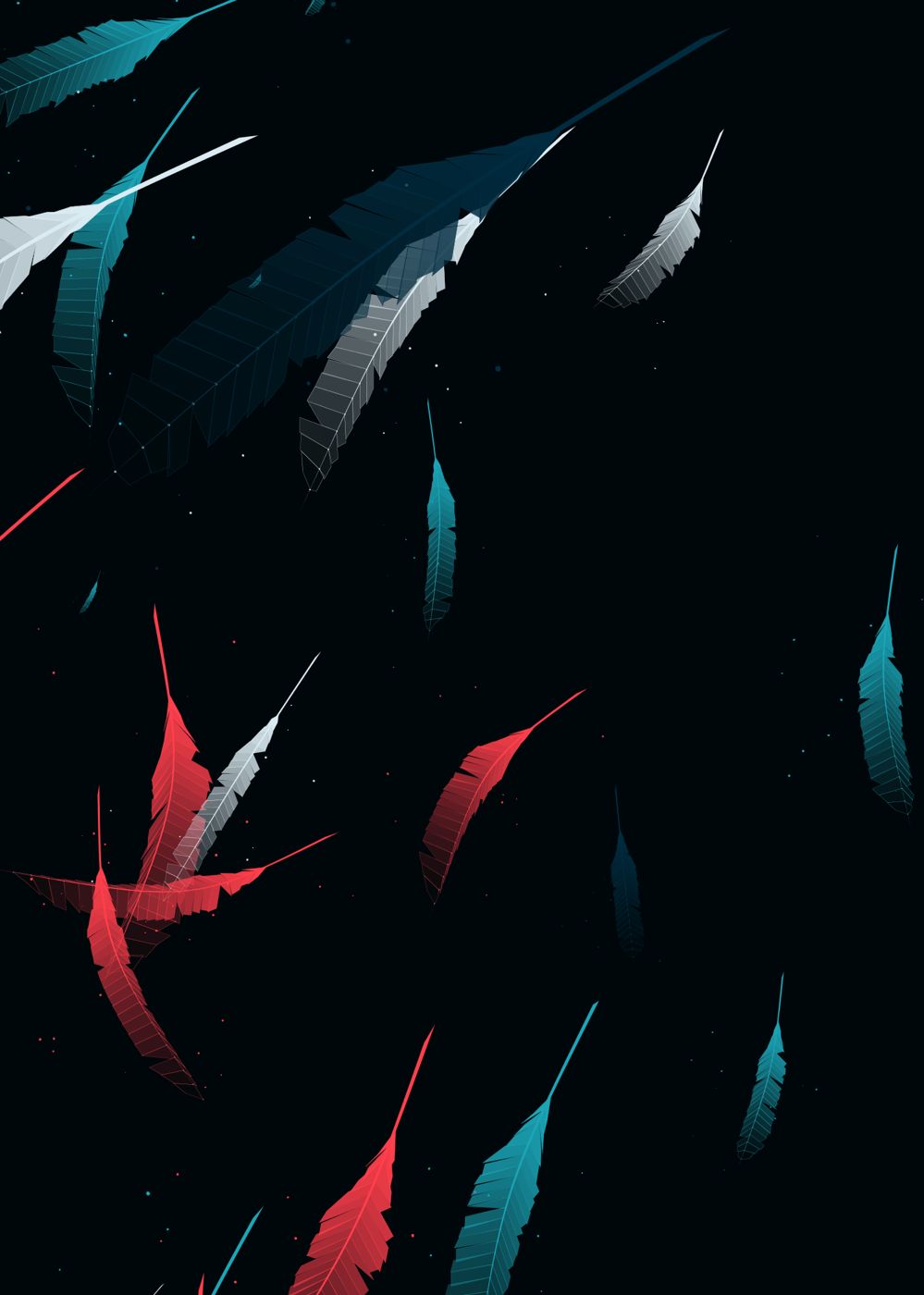
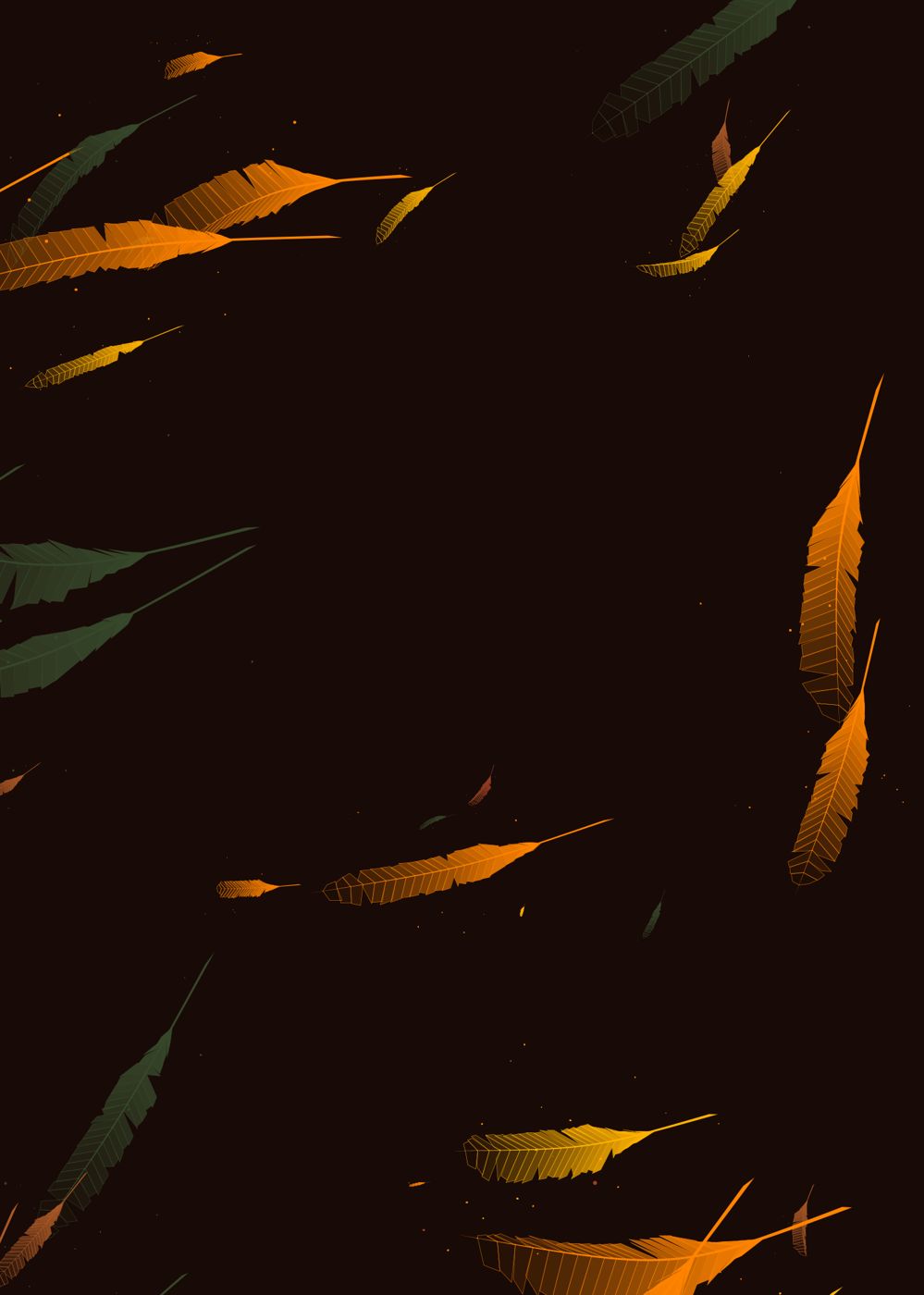
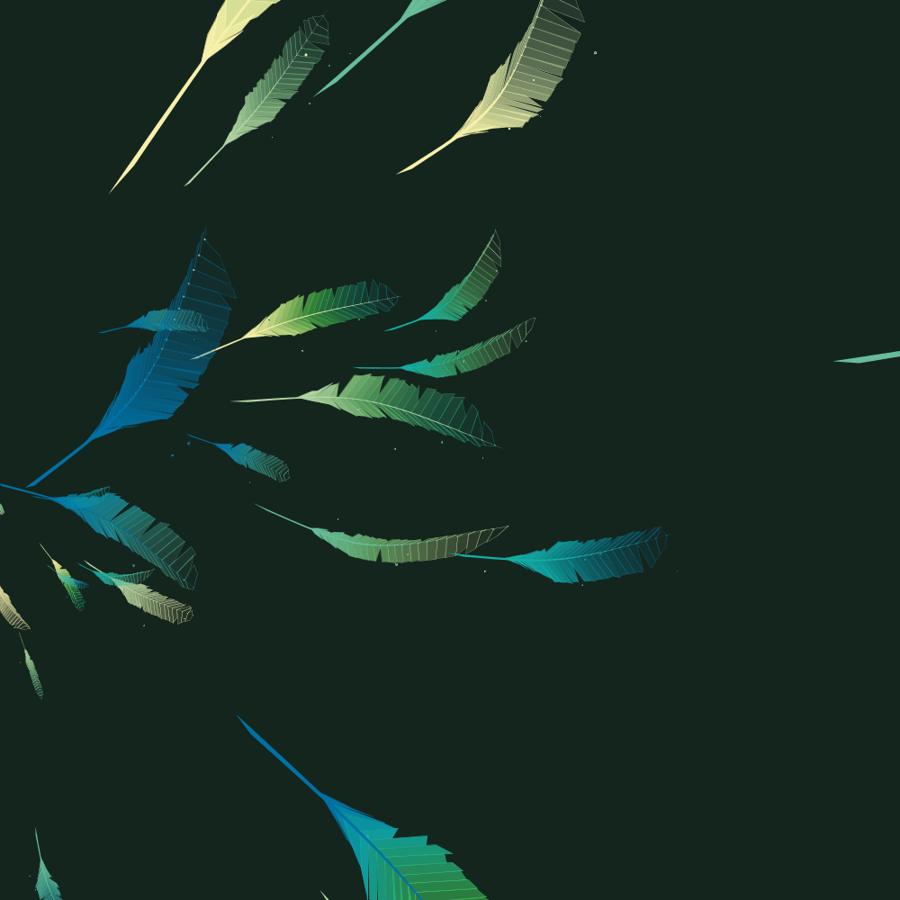
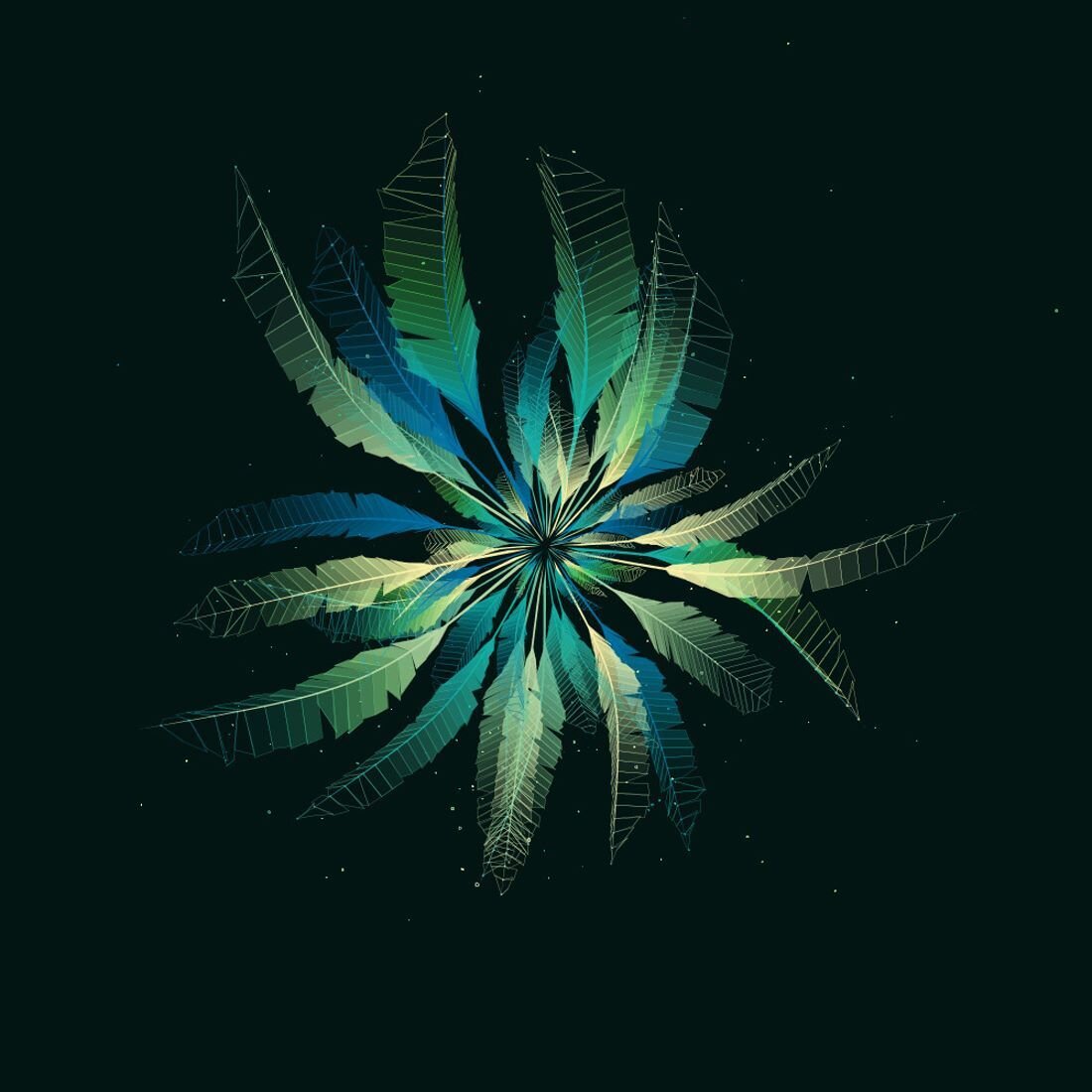
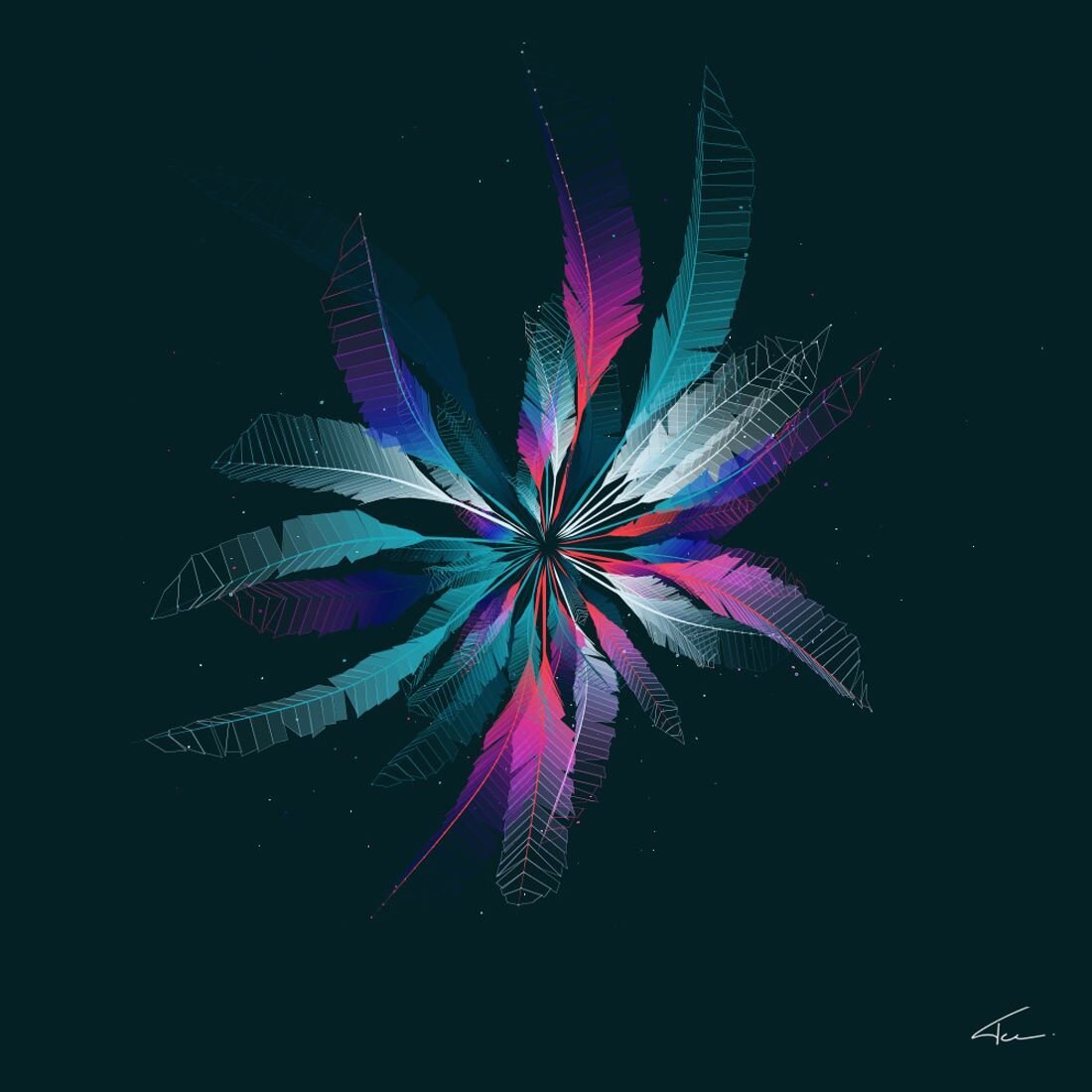
 DreamcatchersA circle of feathers, made in code.art057
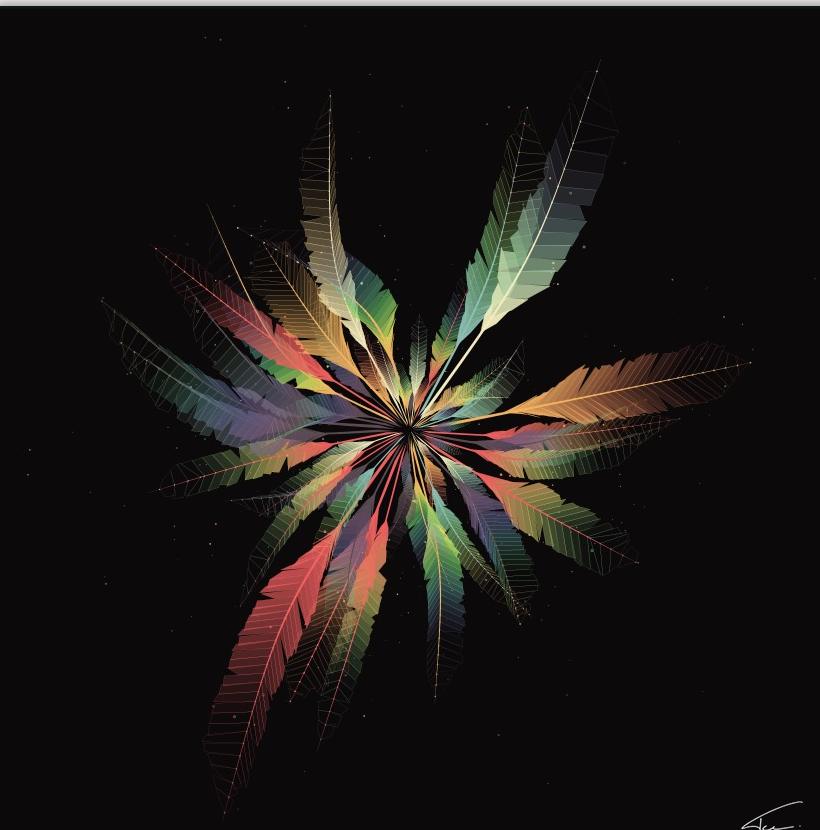
A generative circle of feathers that recalls the willow hoop of a dreamcatcher. Printed on 80 by 80 cm canvas, in an edition of 10.
- Type
- Generative art
- Edition
- 10
- Tools
- Processing
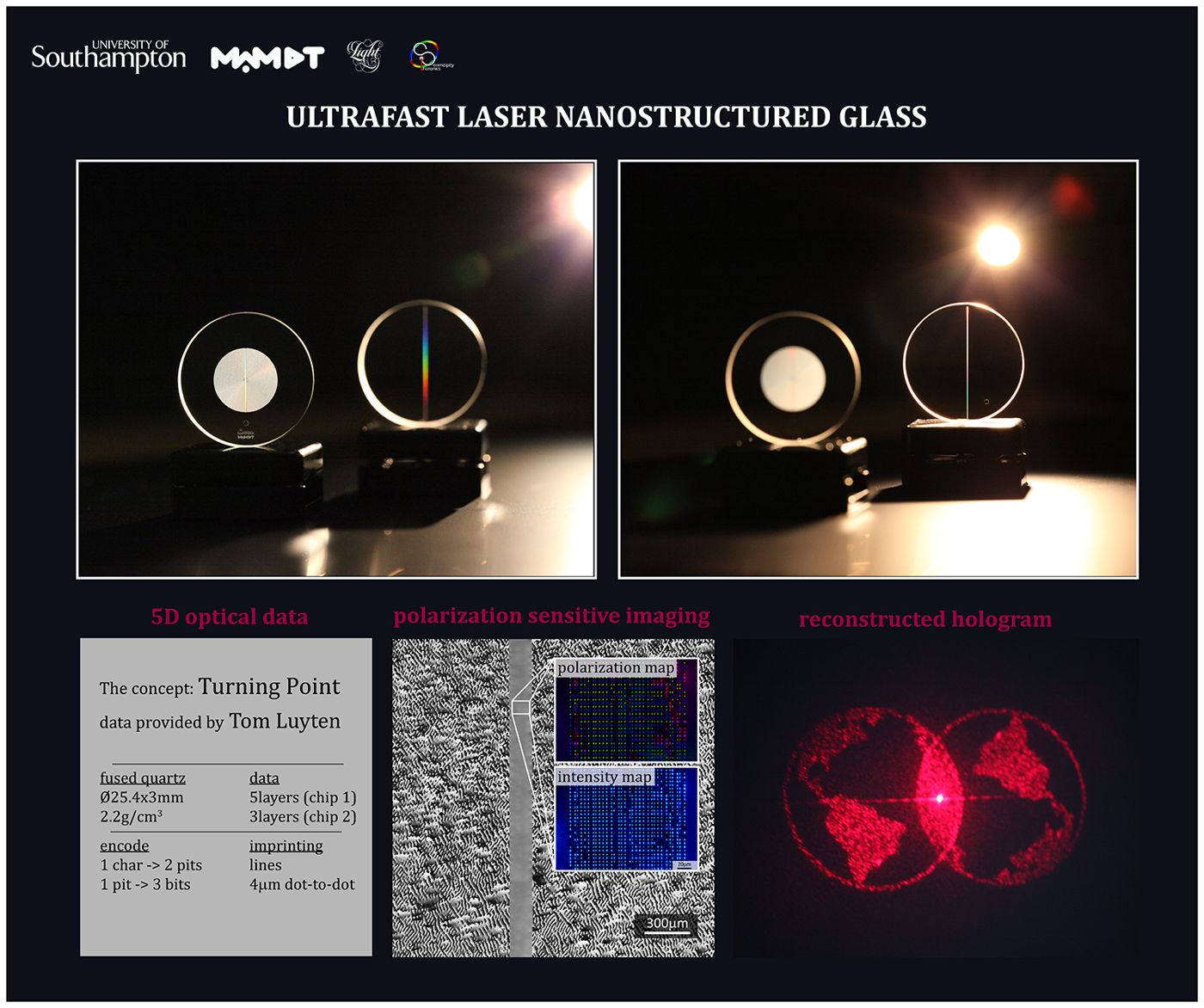
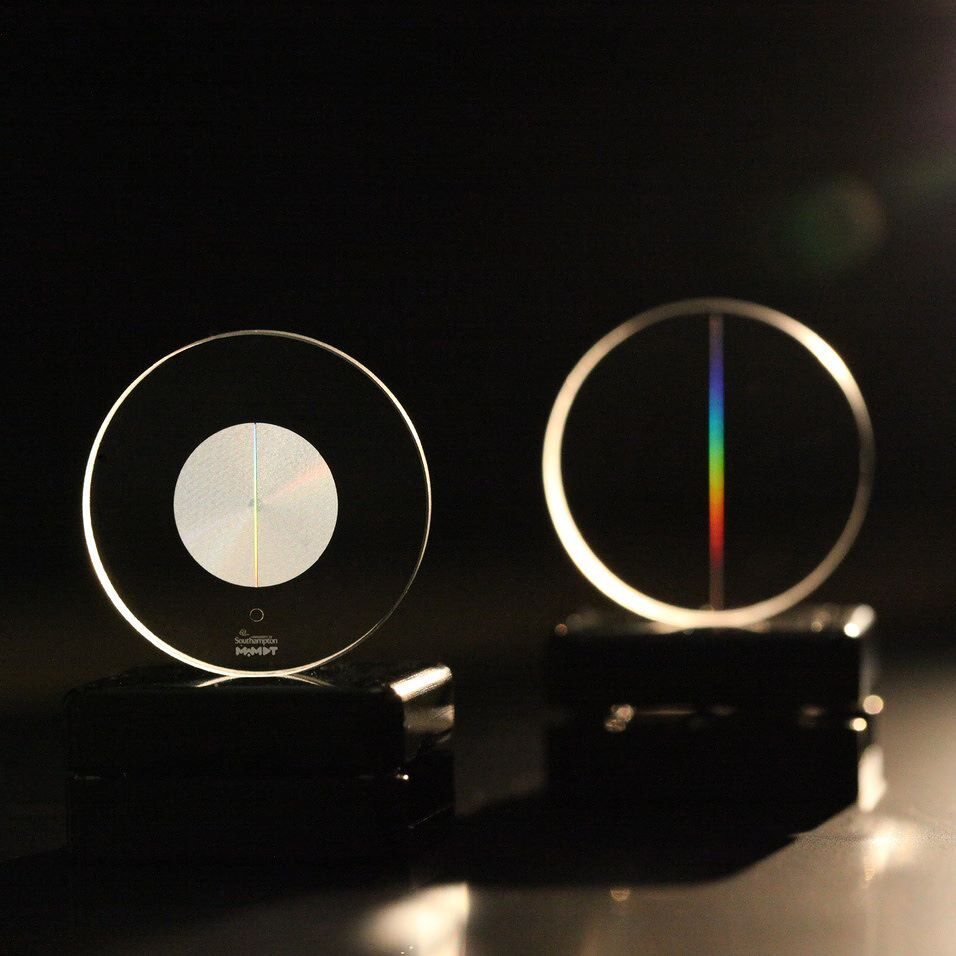
 God crystalsThe state of the world, written in glass.art058
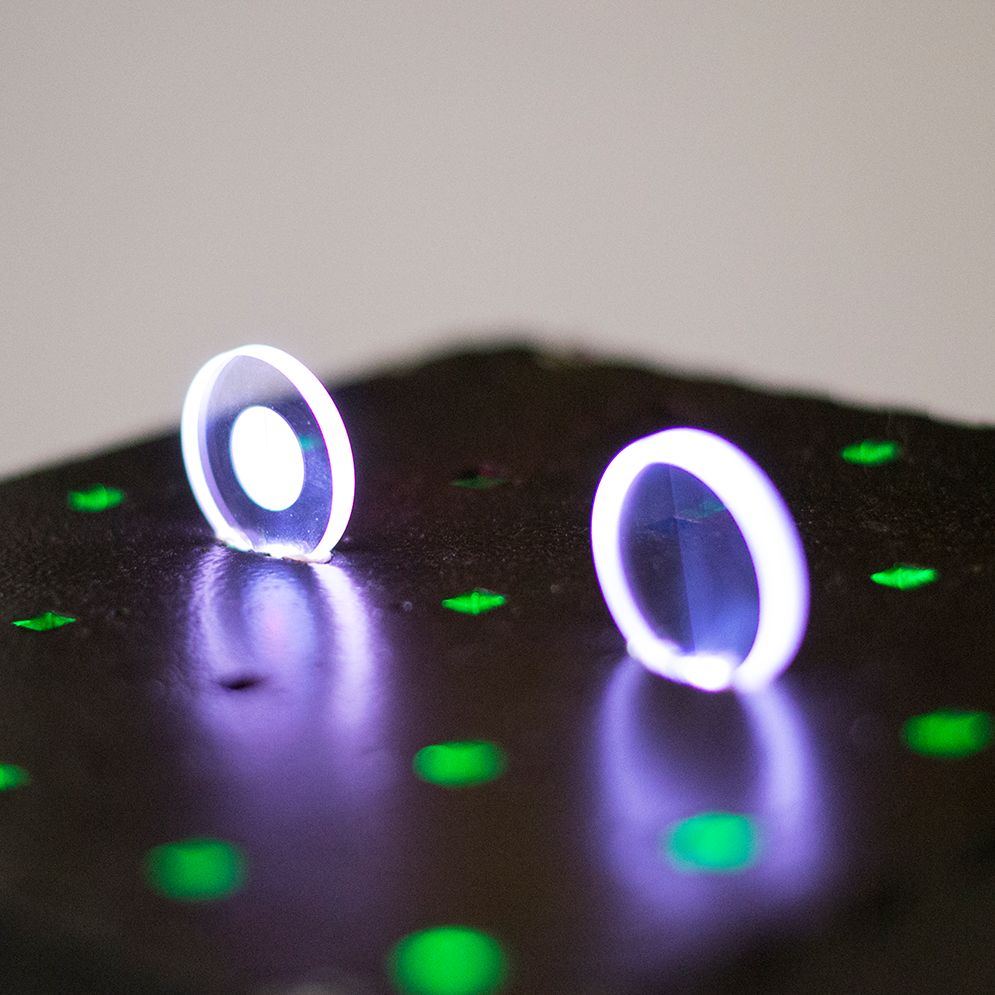
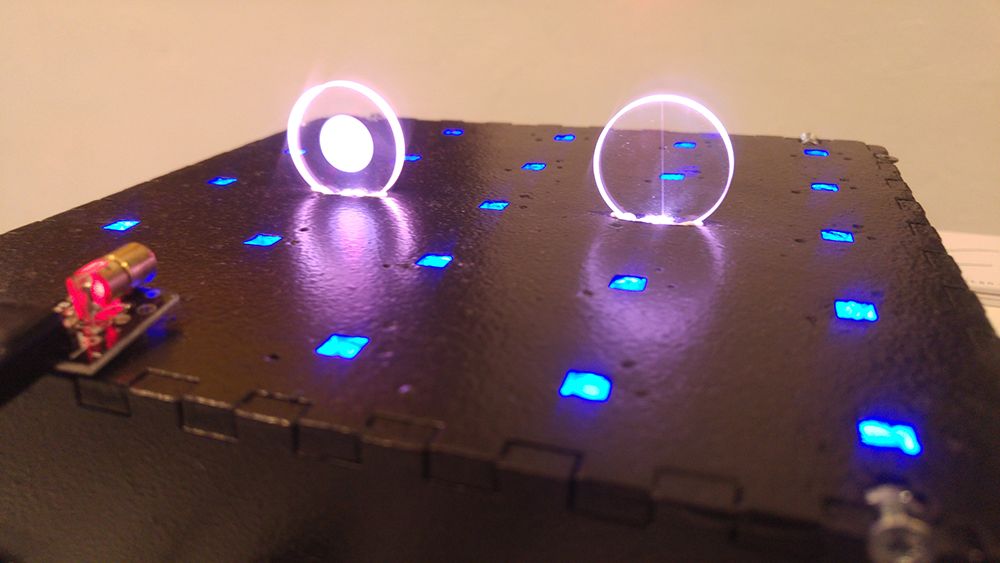
Data on working hours, CO2 and transistor counts engraved into nanostructured glass. One crystal holds a hidden hologram of the world.
Made with the Optoelectronics Research Centre of the University of Southampton, for the exhibition "The future is invisible".
- Type
- Installation
- With
- University of Southampton
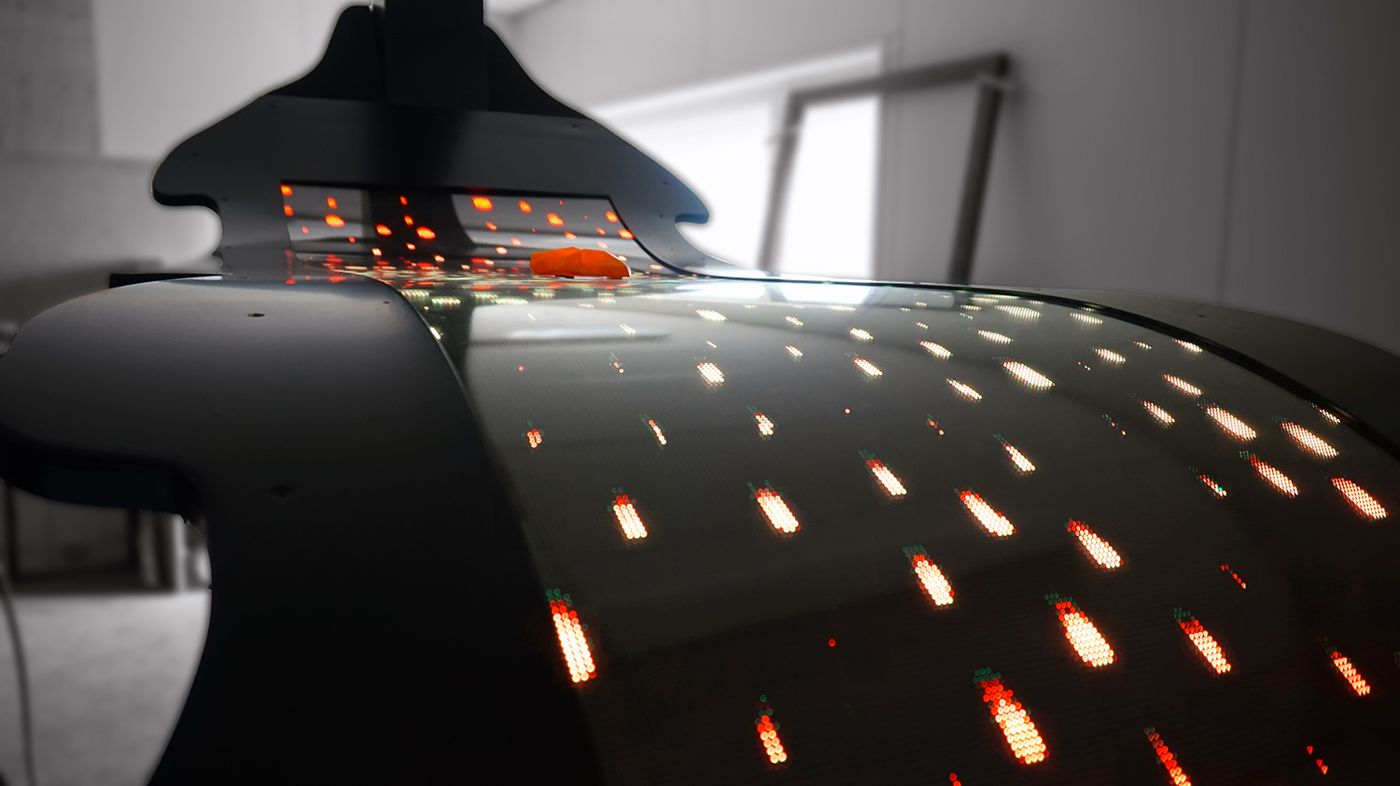
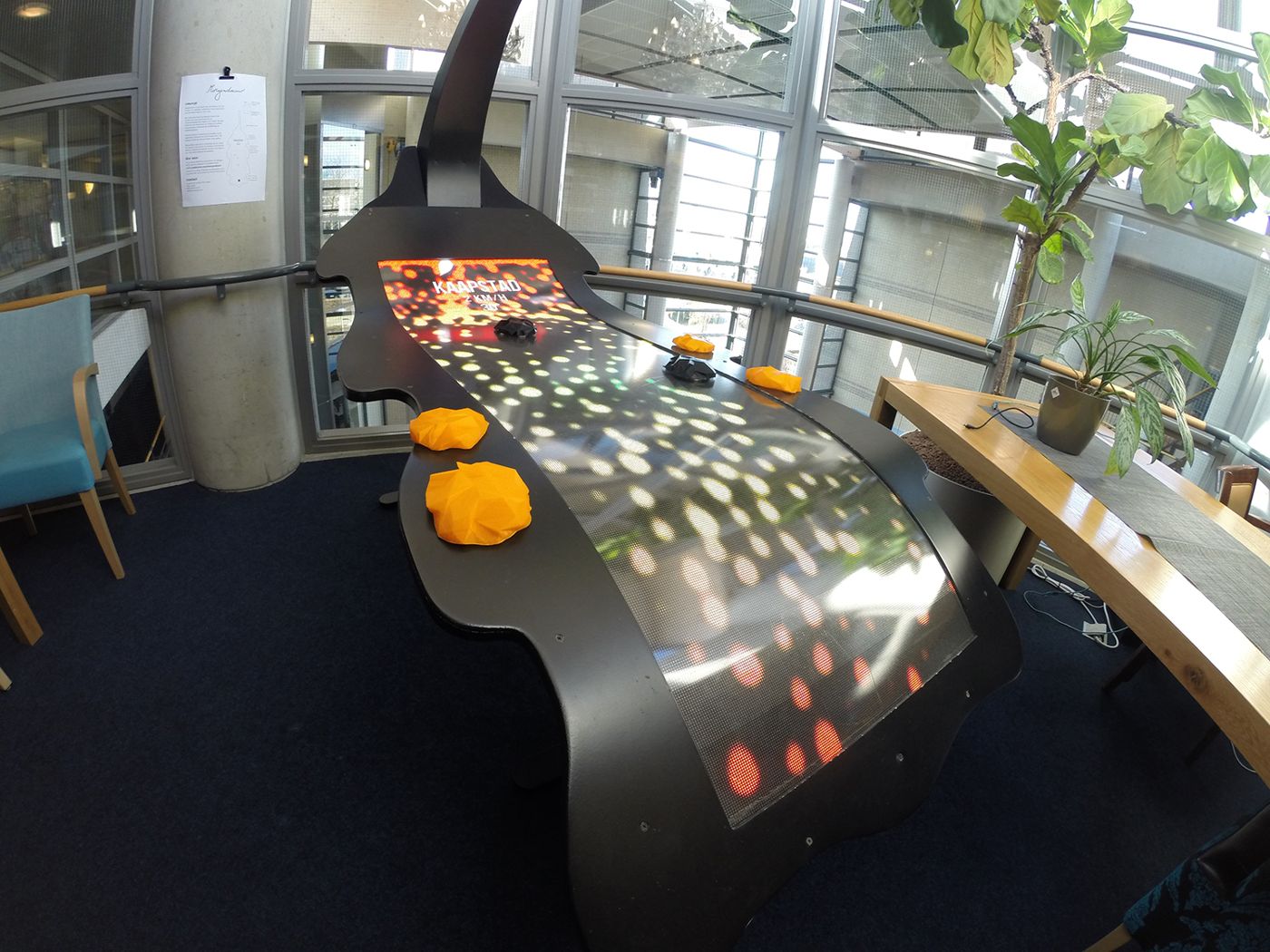
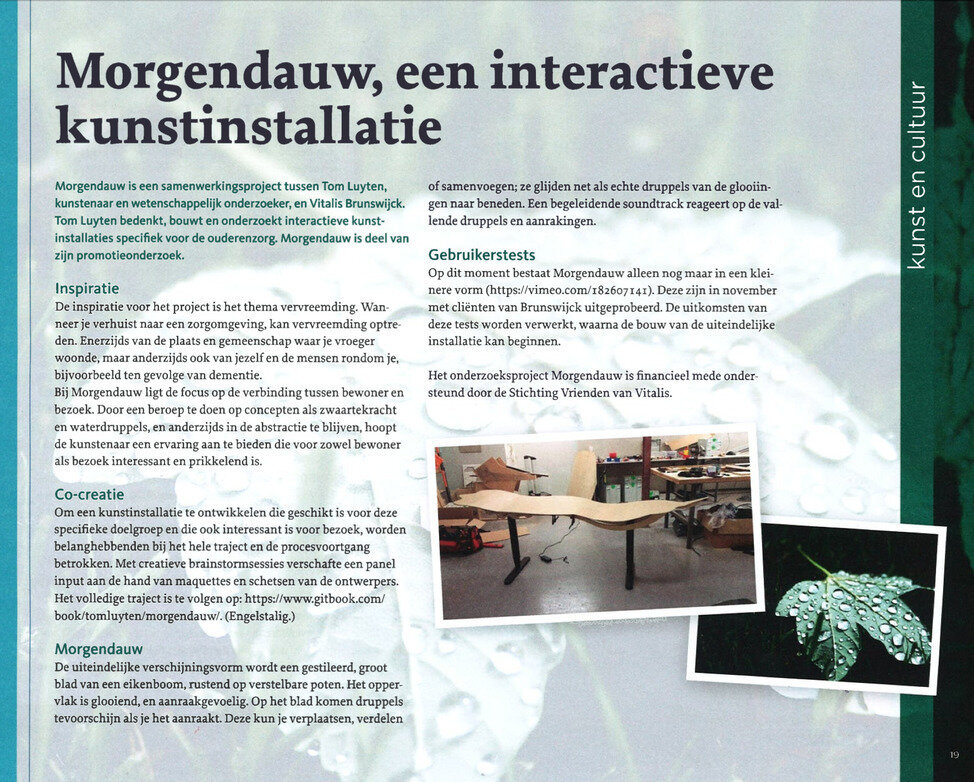
- 2016MorgendauwAn interactive artwork for care homes.art059
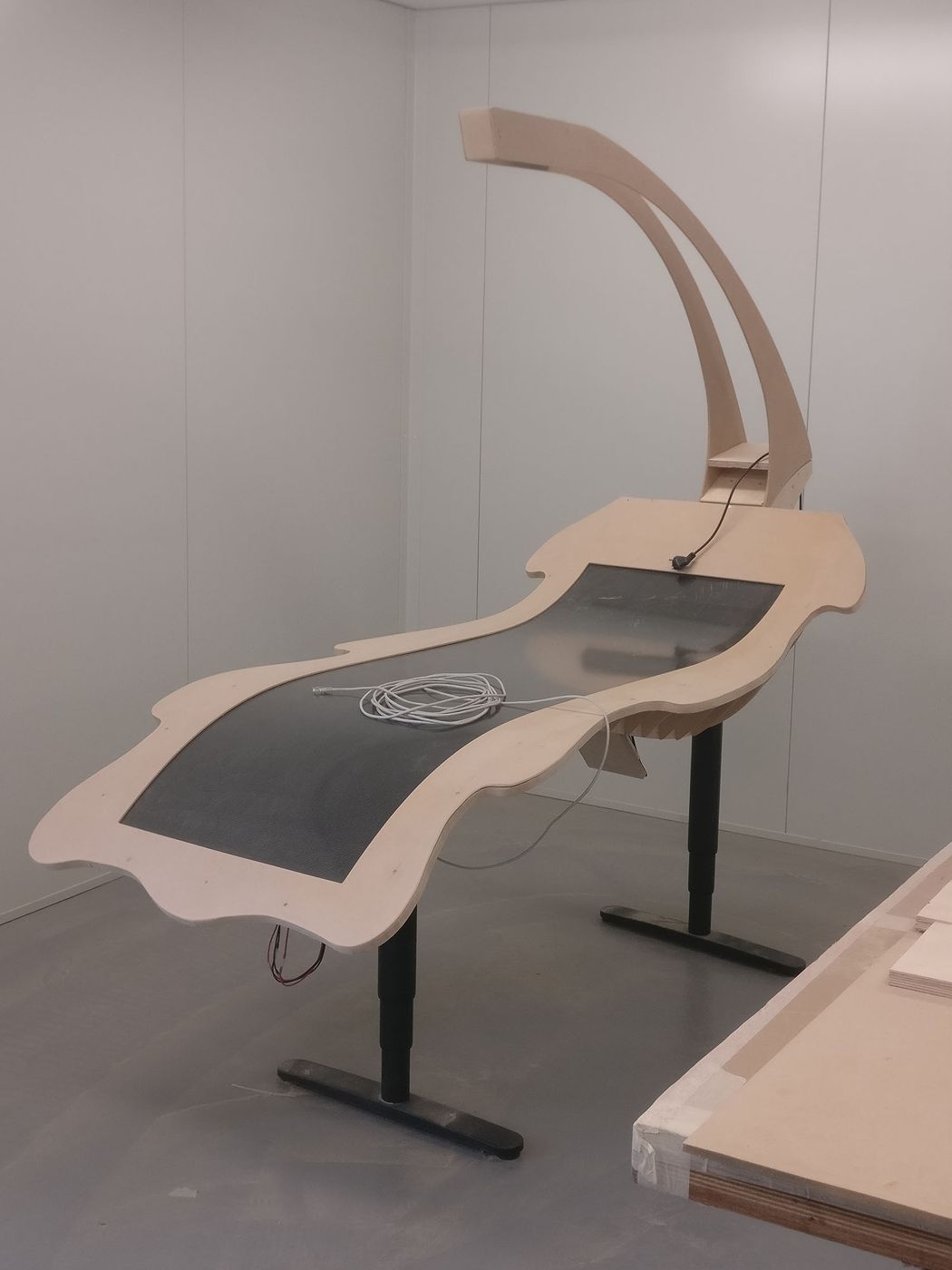
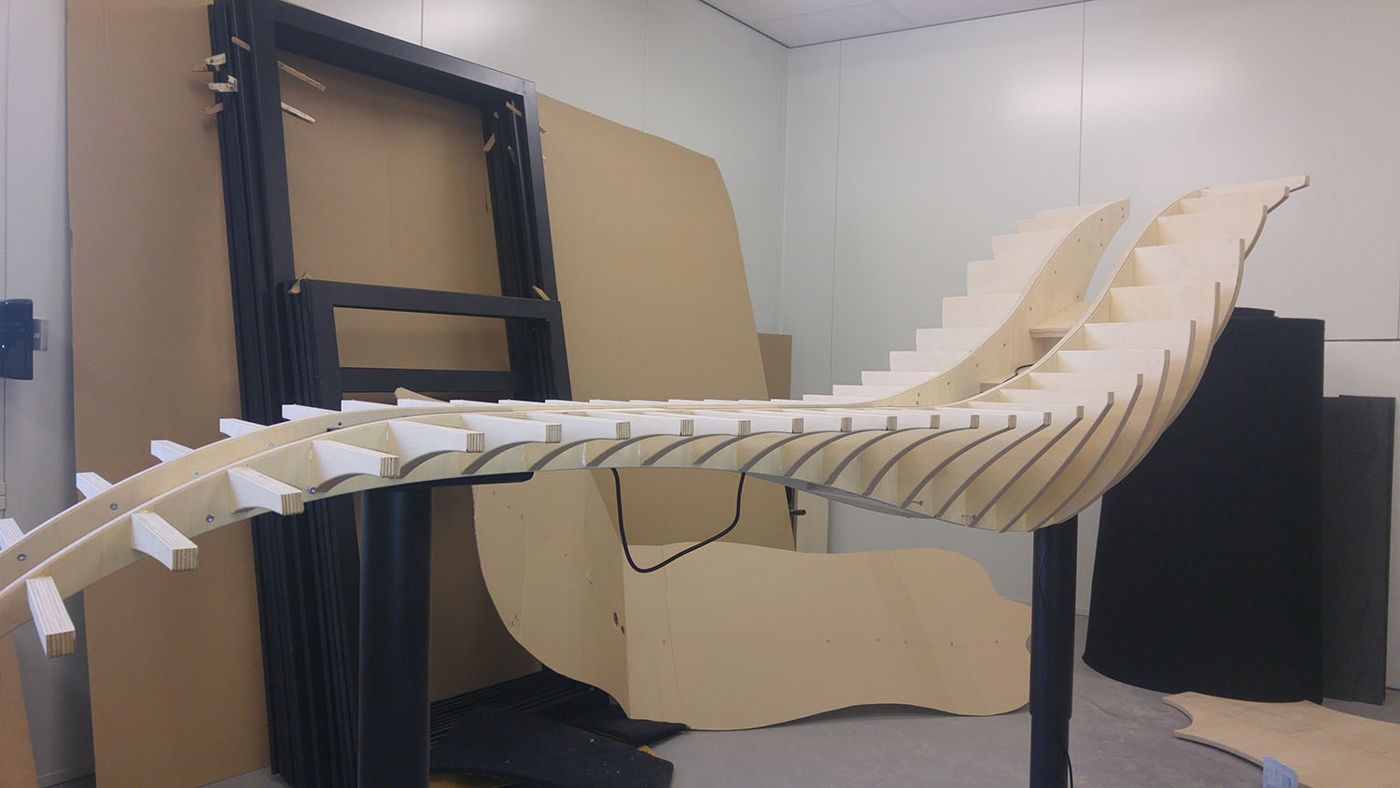
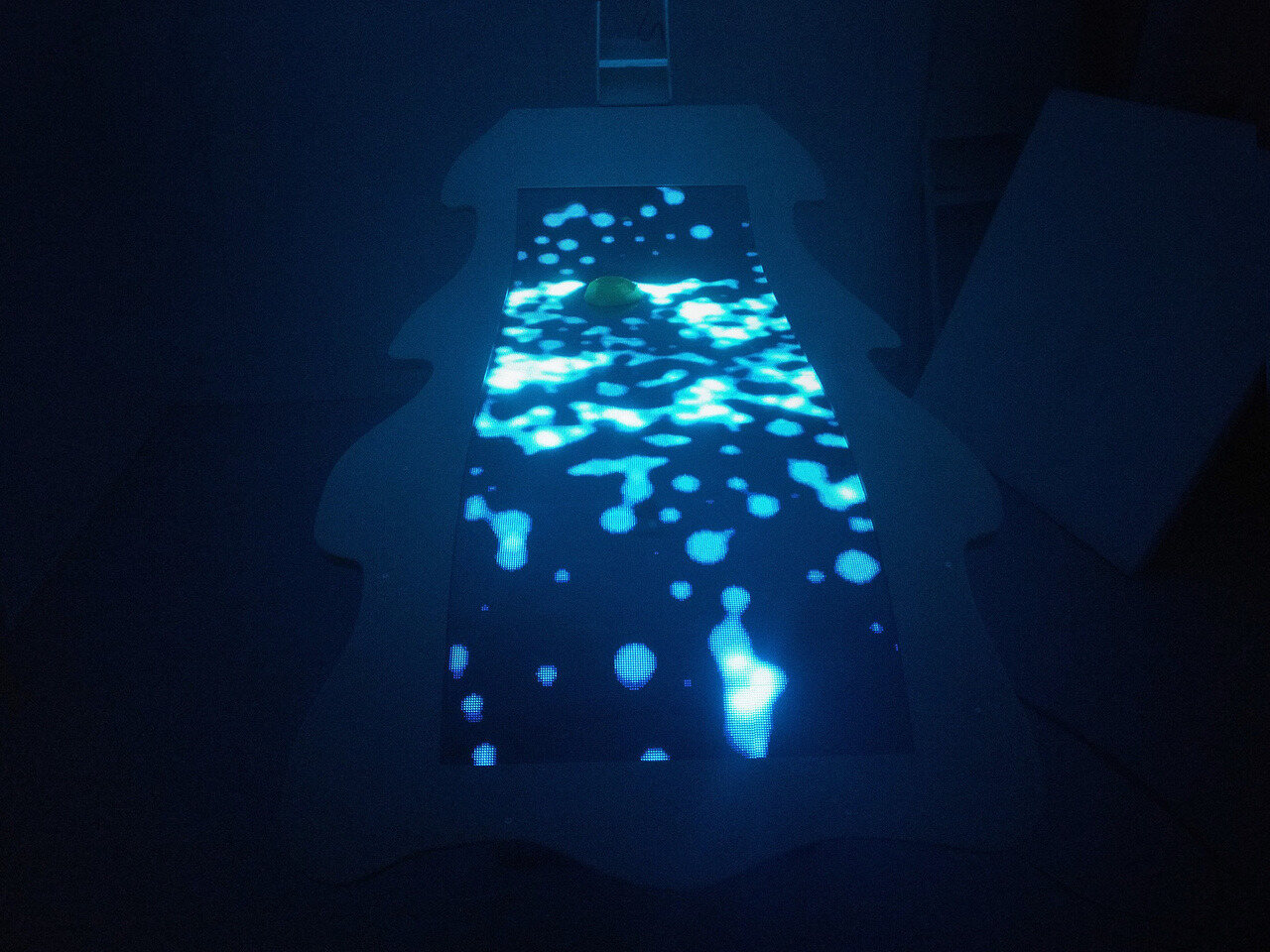
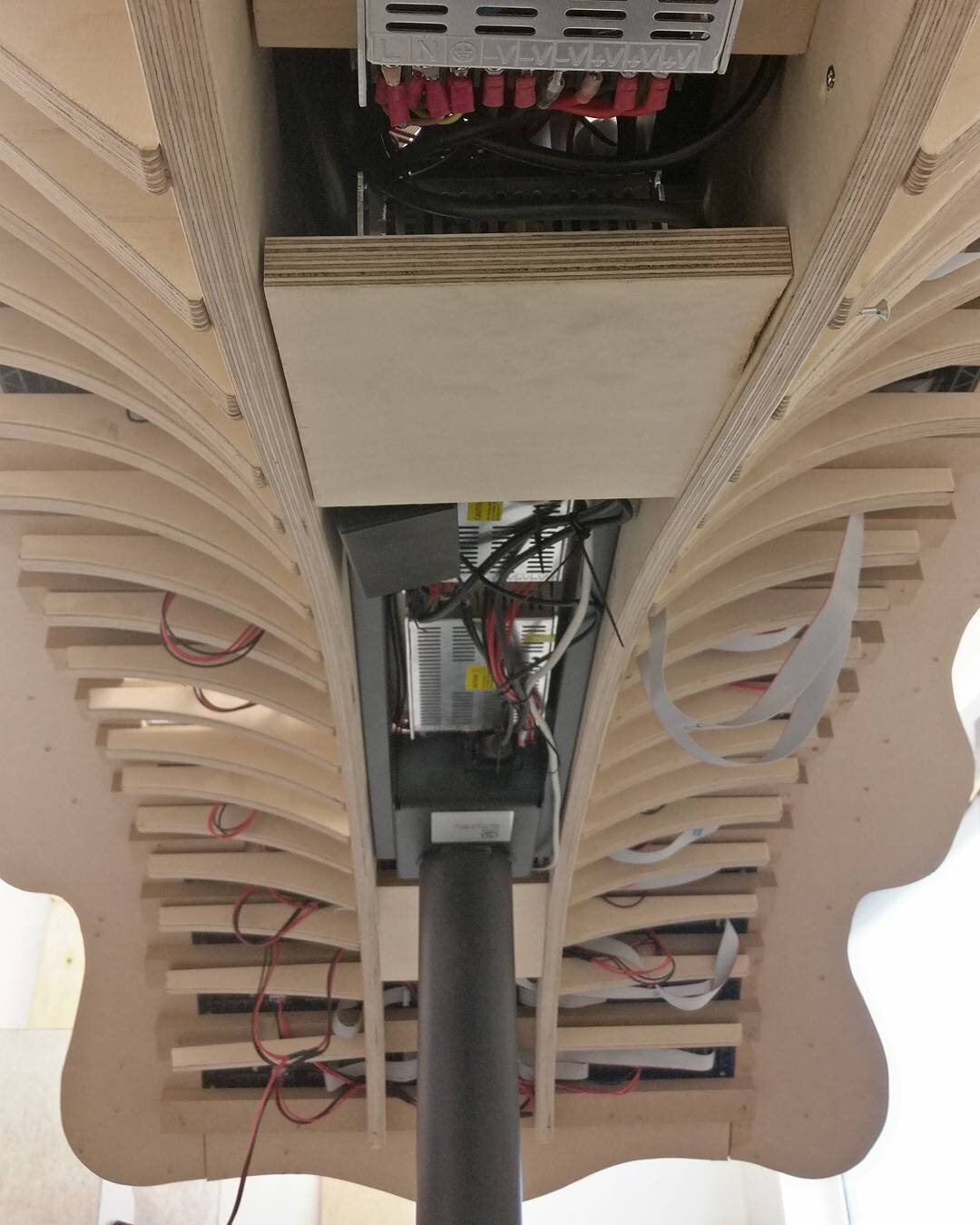
- 2015VENSTERA digital window to familiar places.research060
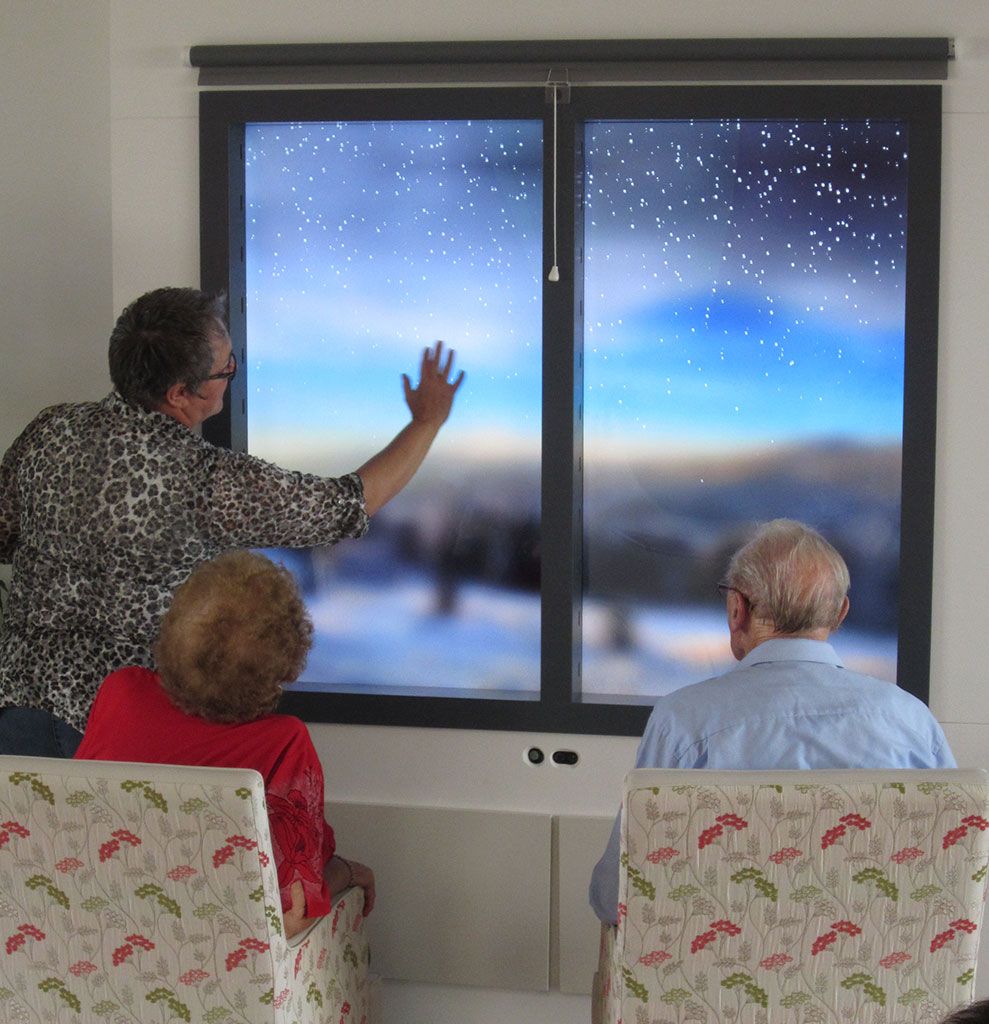
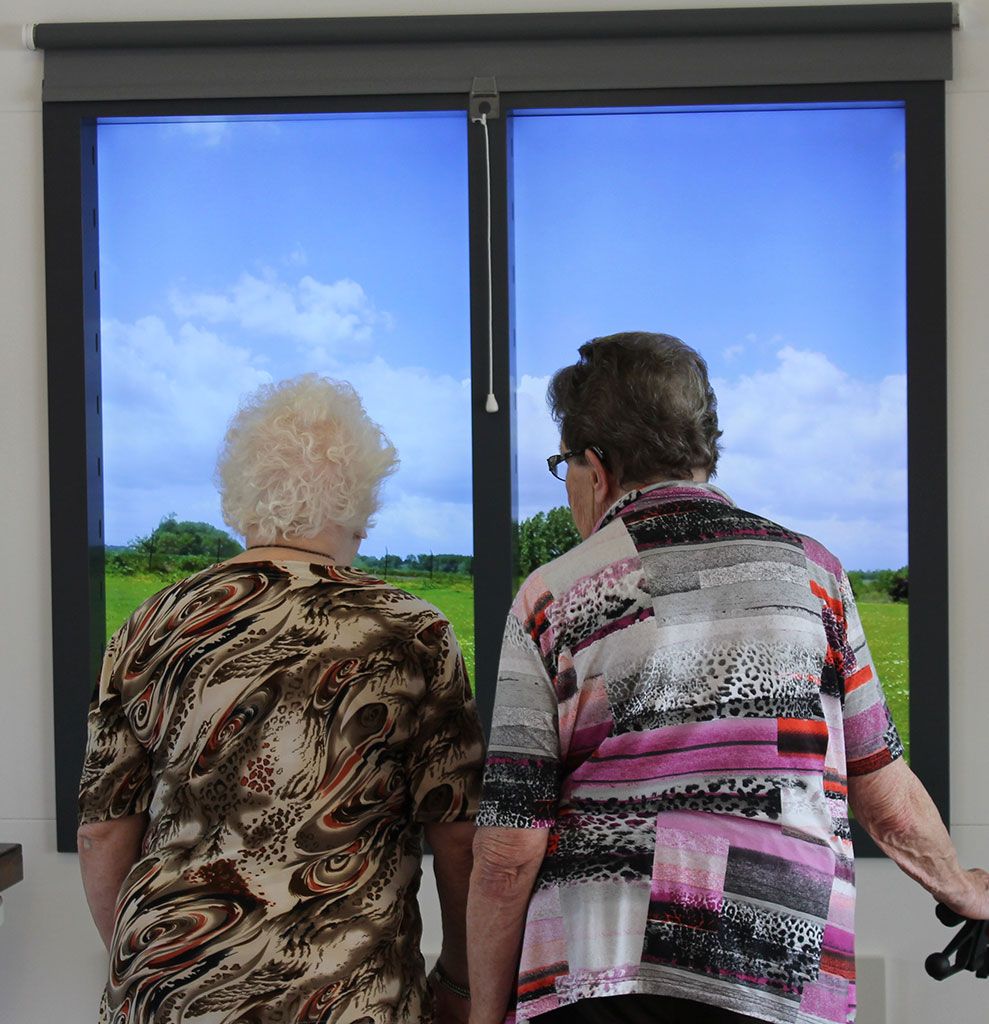
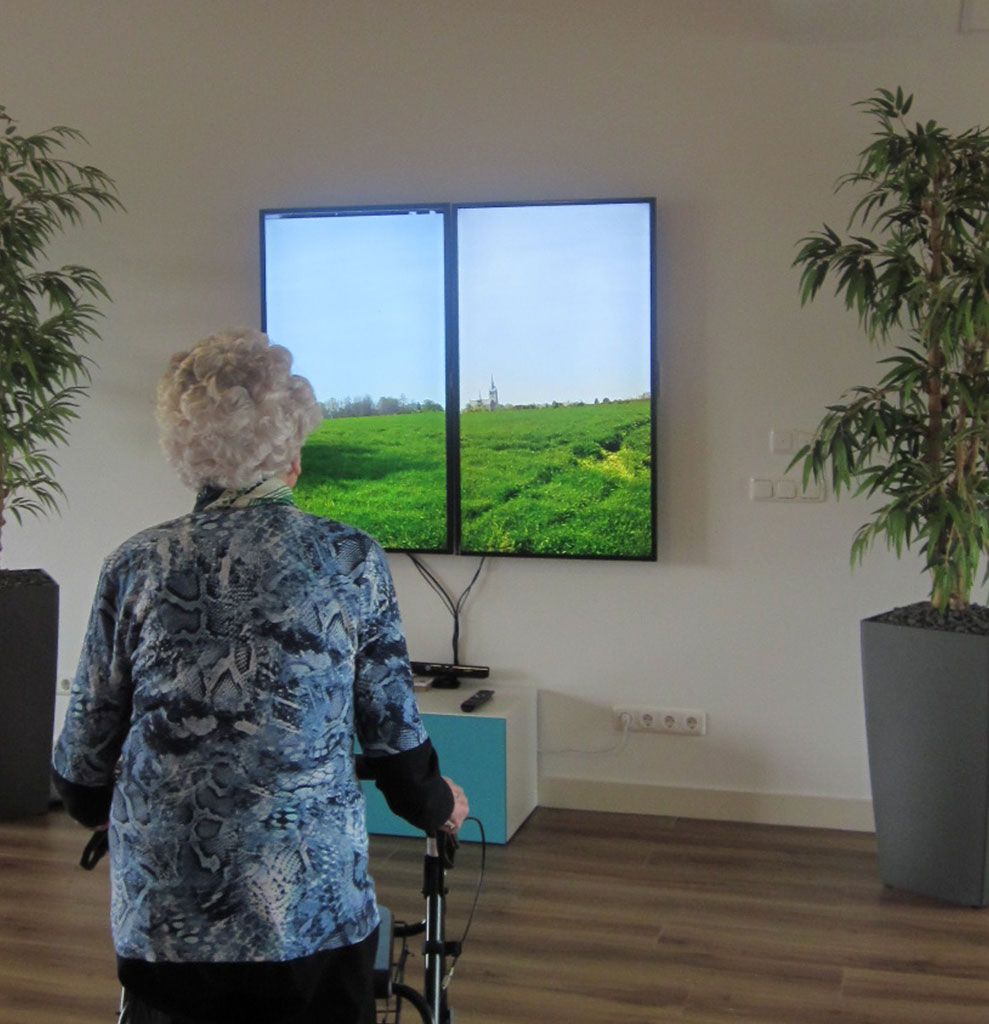
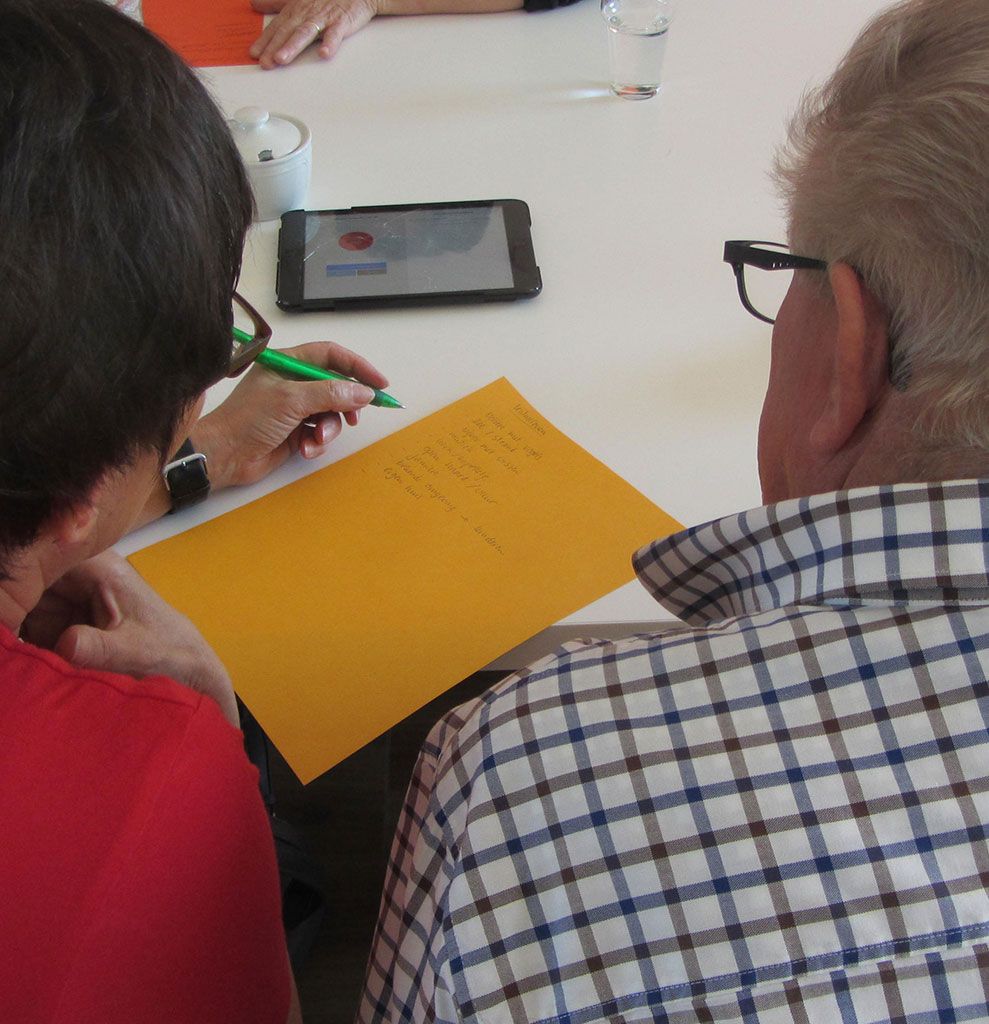
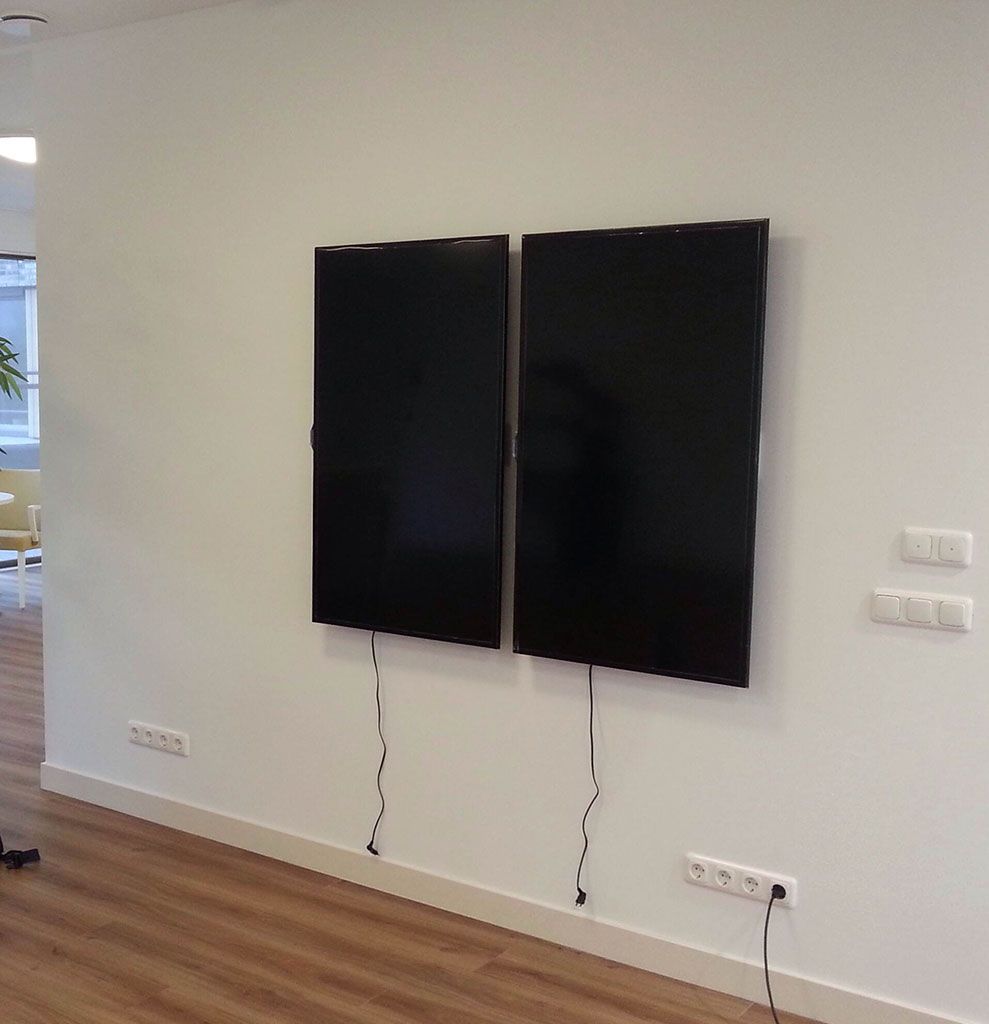
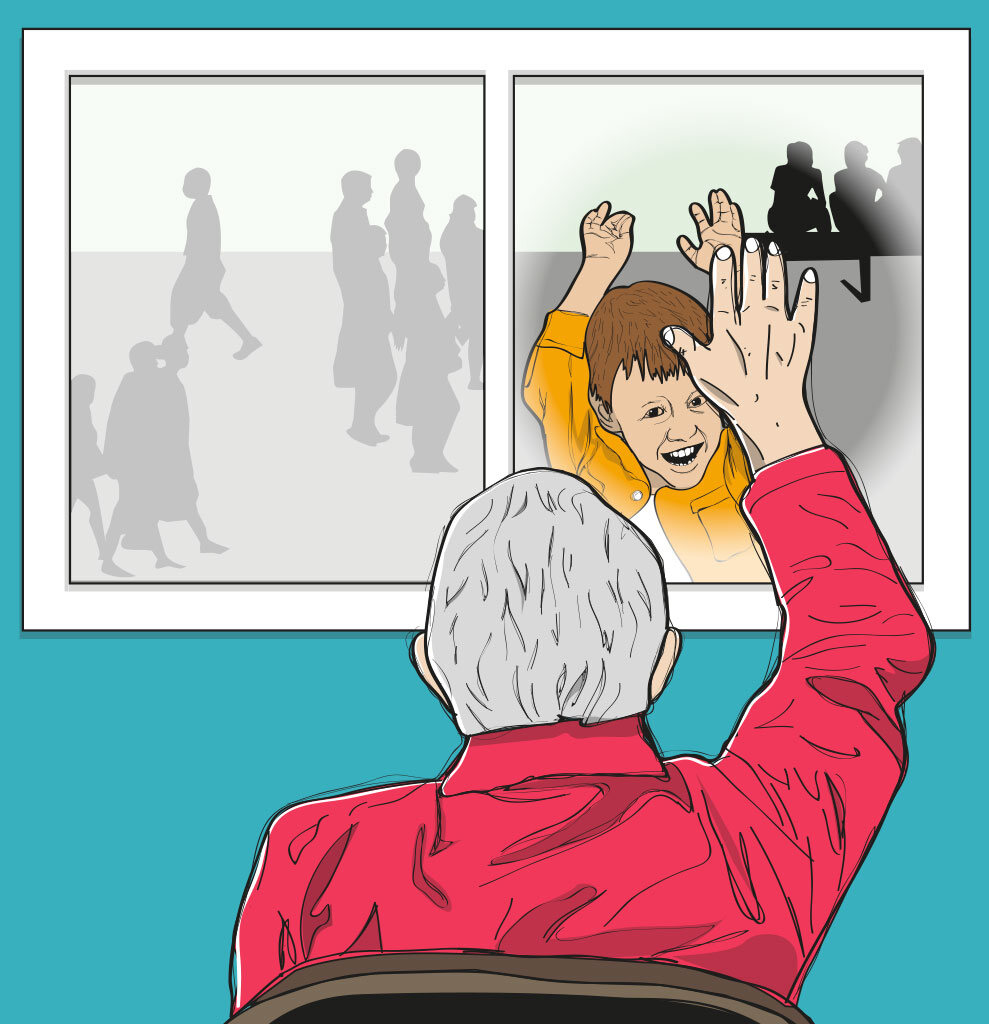
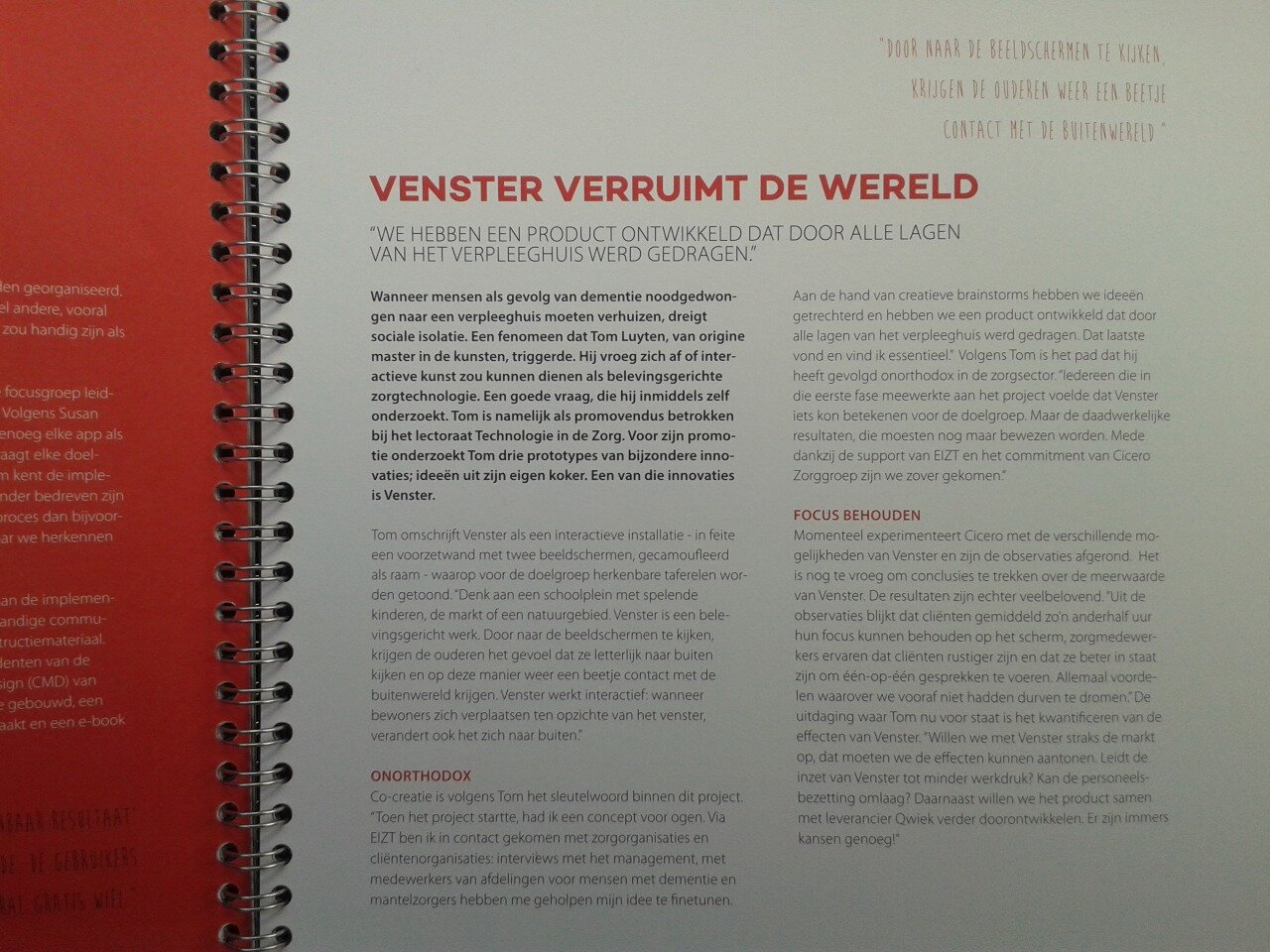
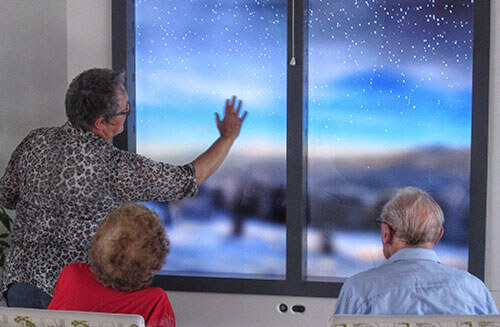
A digital window that shows familiar places to residents of care homes, through a simple interface. It gives no extra information on purpose, so it starts a conversation.
Developed during my PhD at Maastricht University, later continued as Rraam.
- Type
- Installation, research
- Where
- Maastricht University
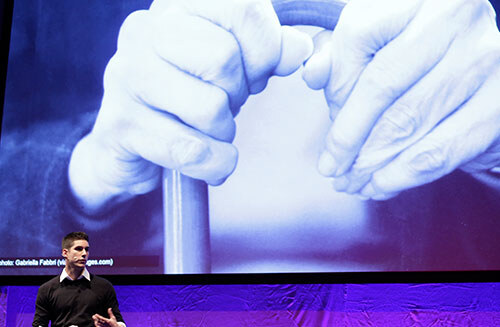
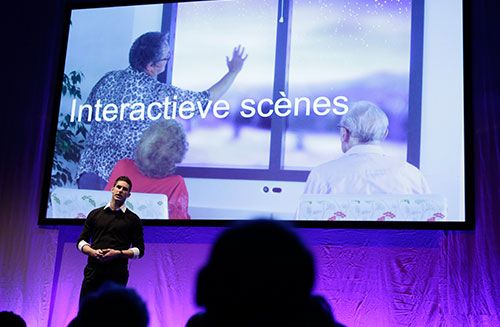 TEDx MaastrichtTalk on interactive art in care.research061
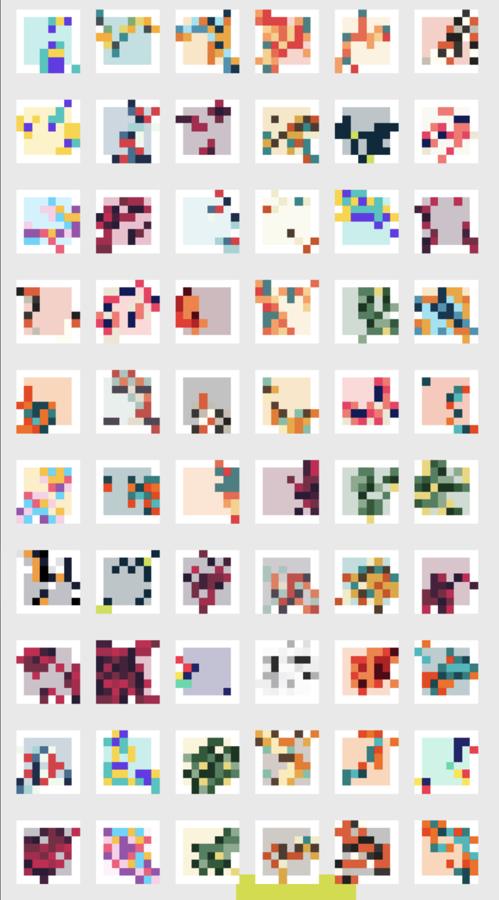
 Paradise BirdsBirds made of triangles.art062
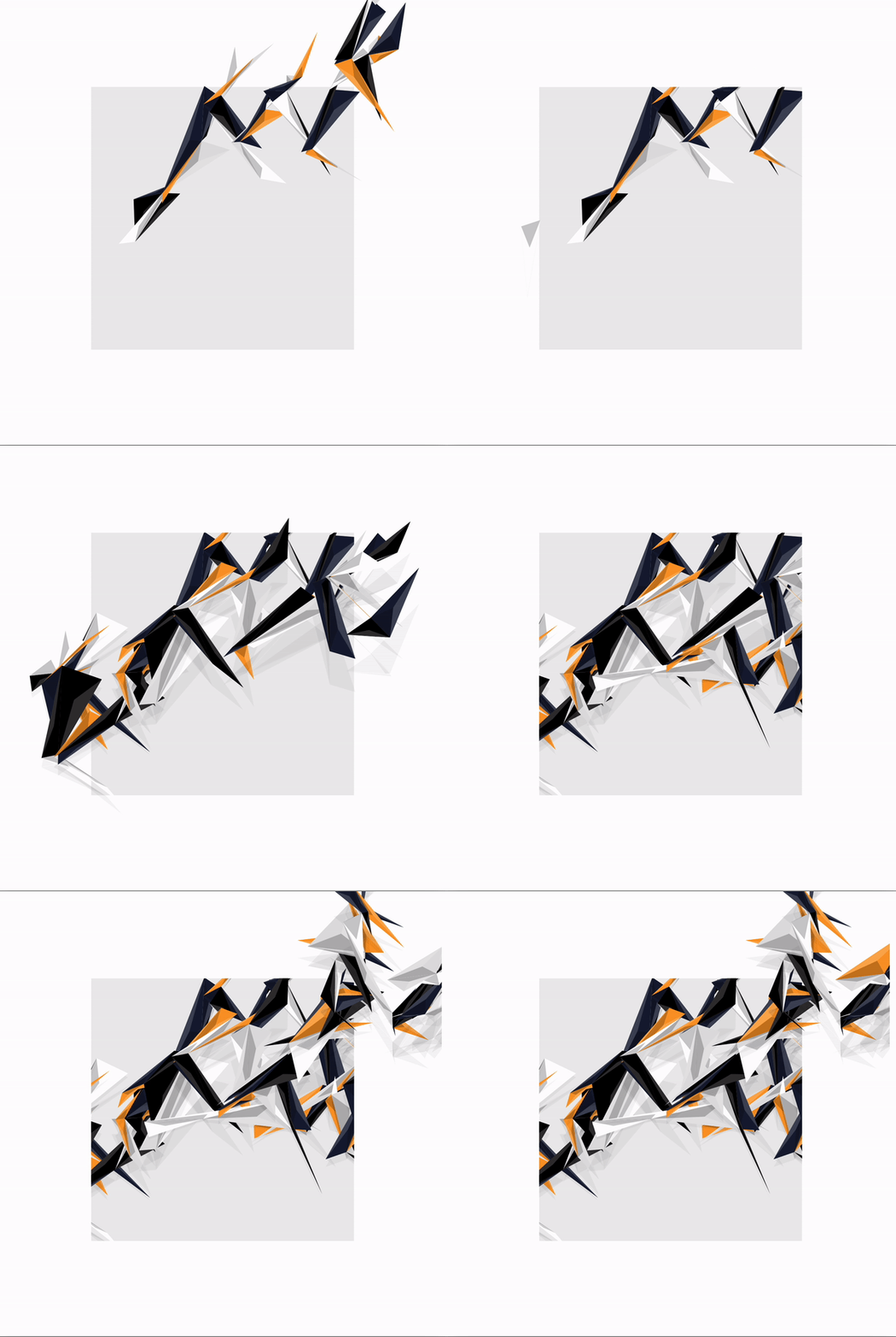
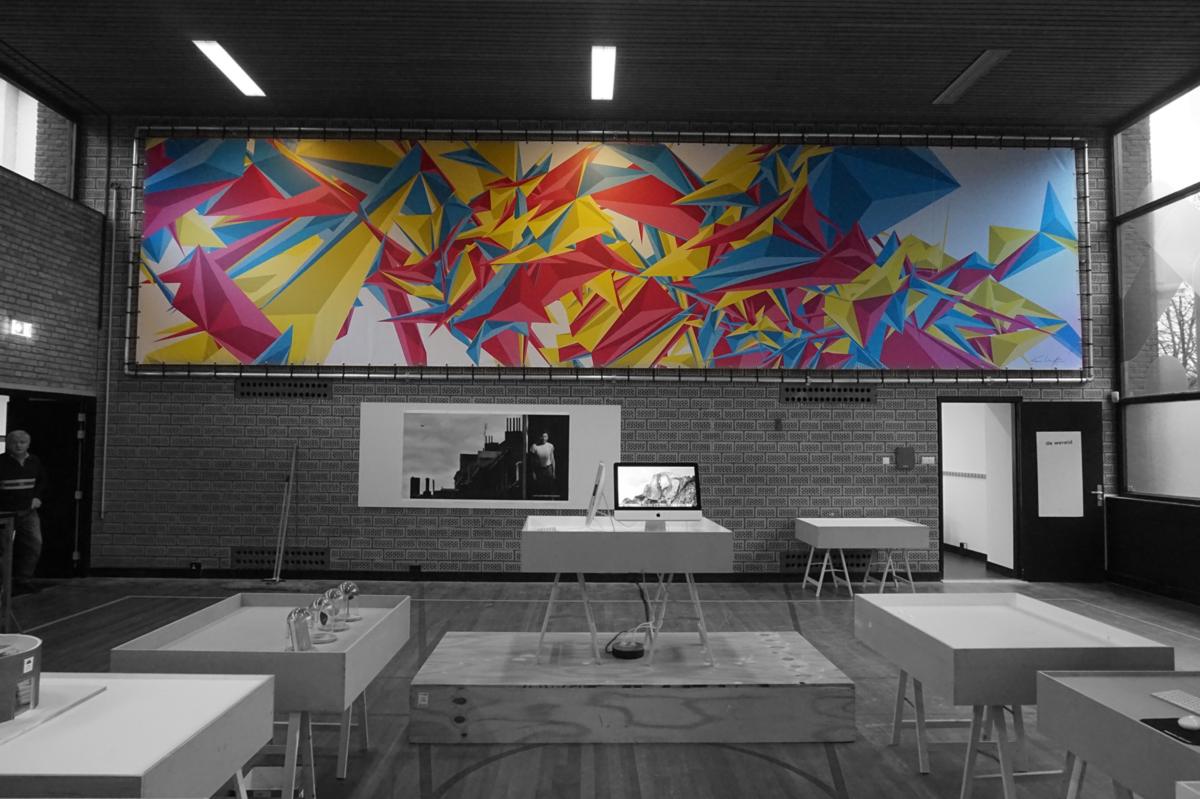
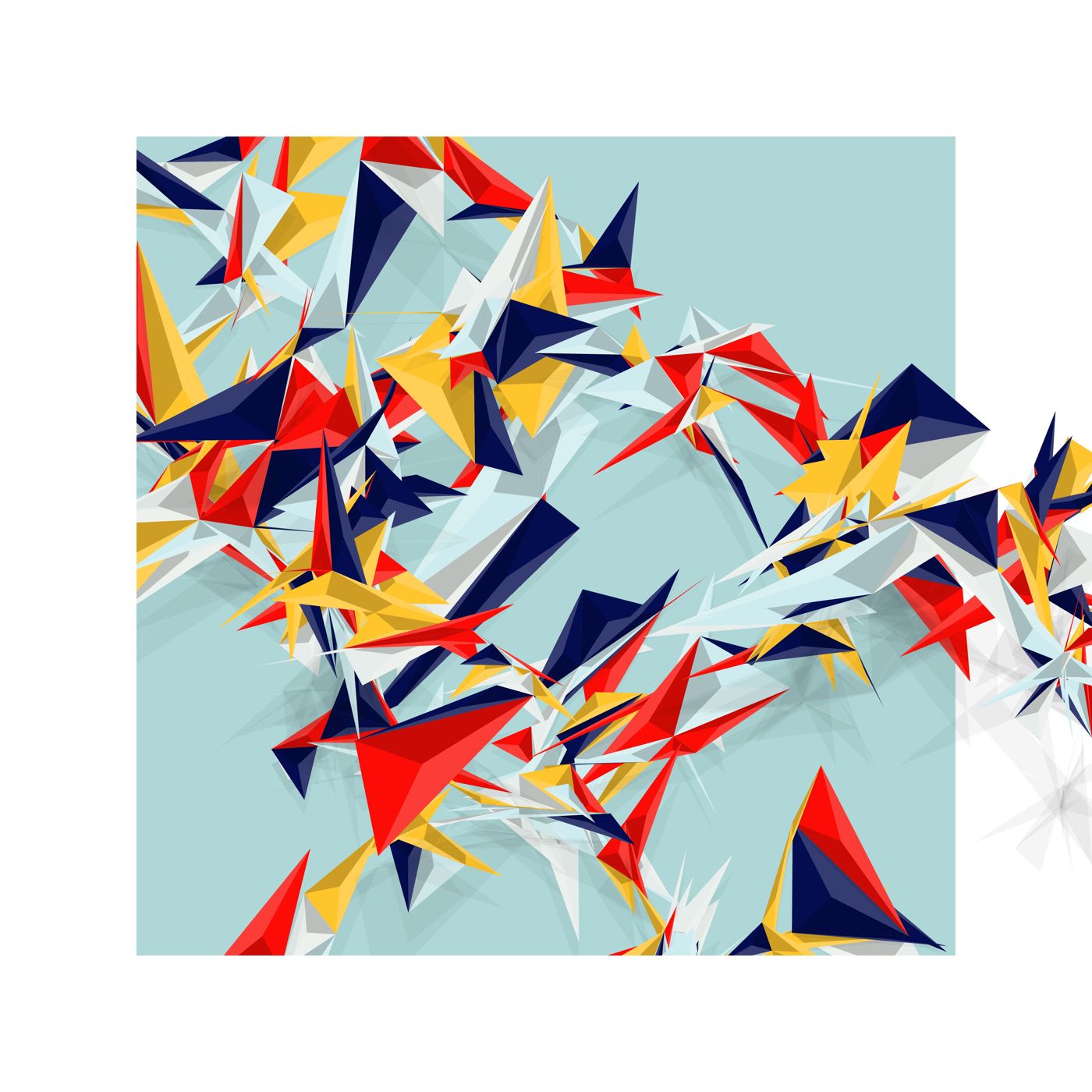
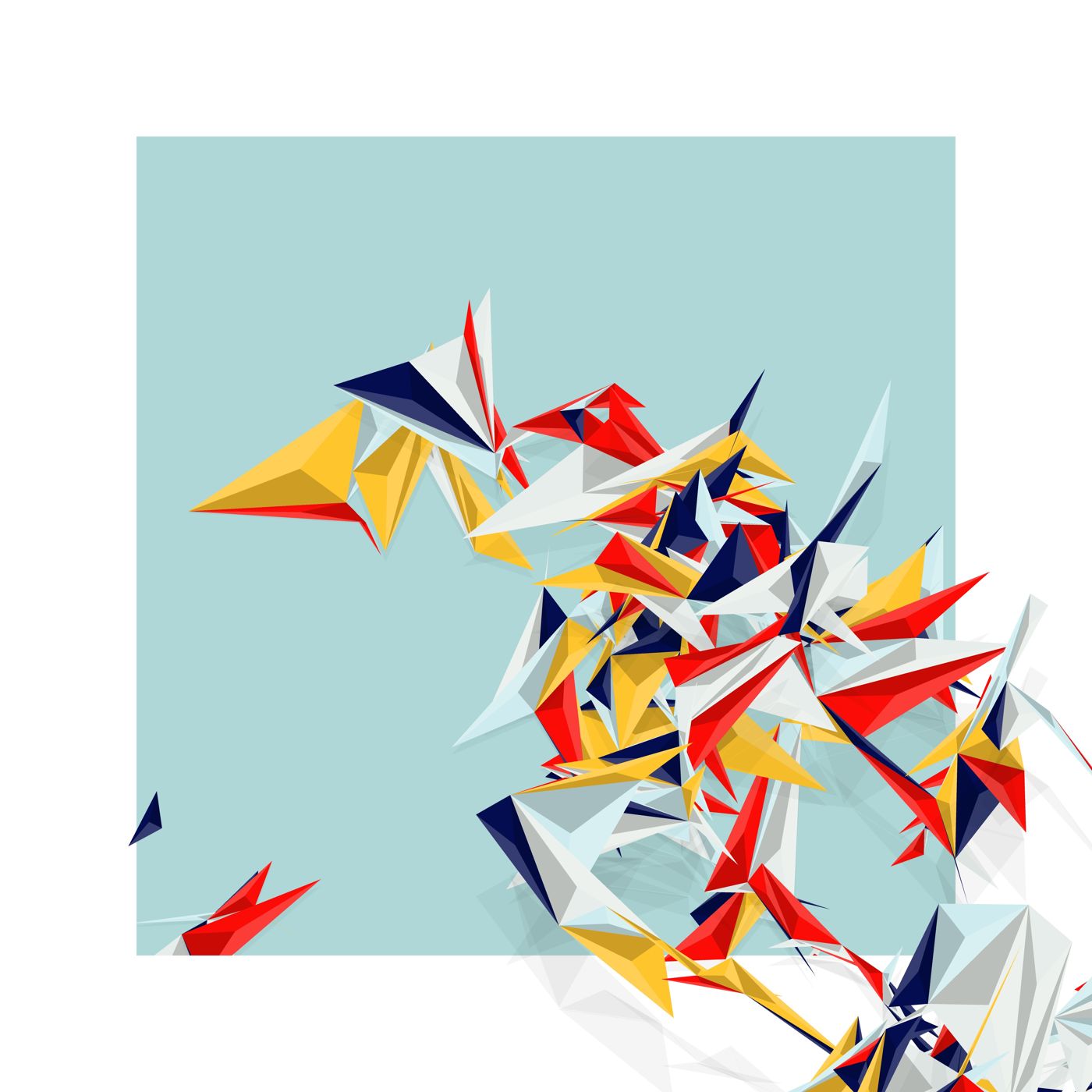
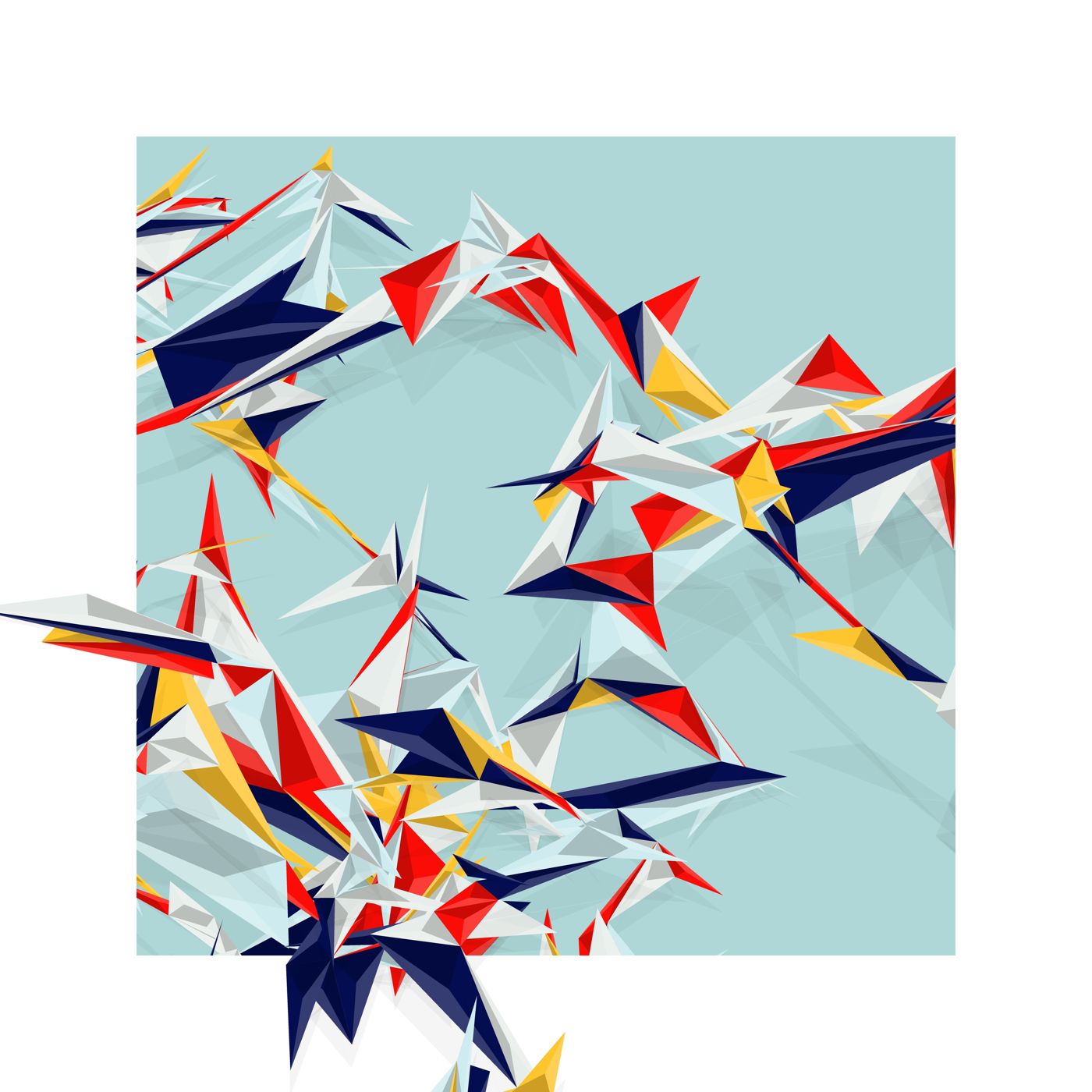
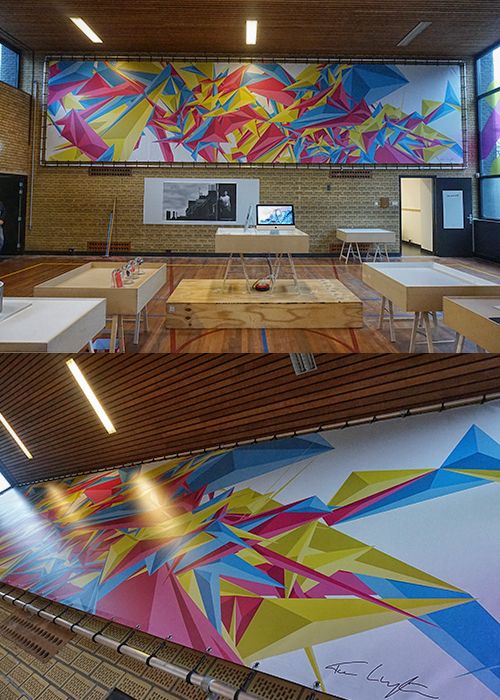
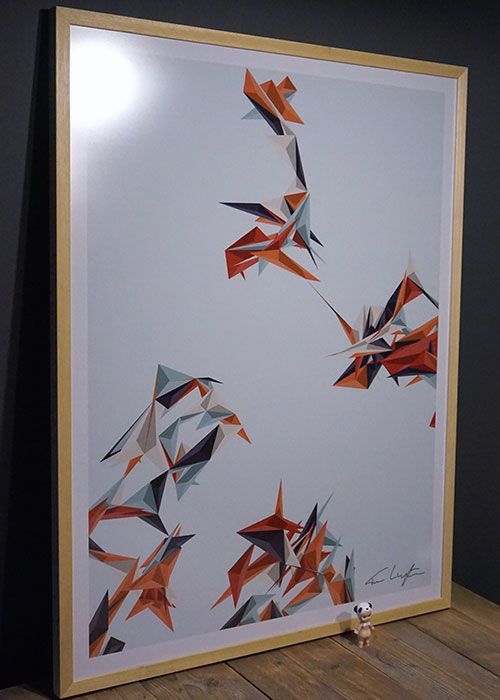
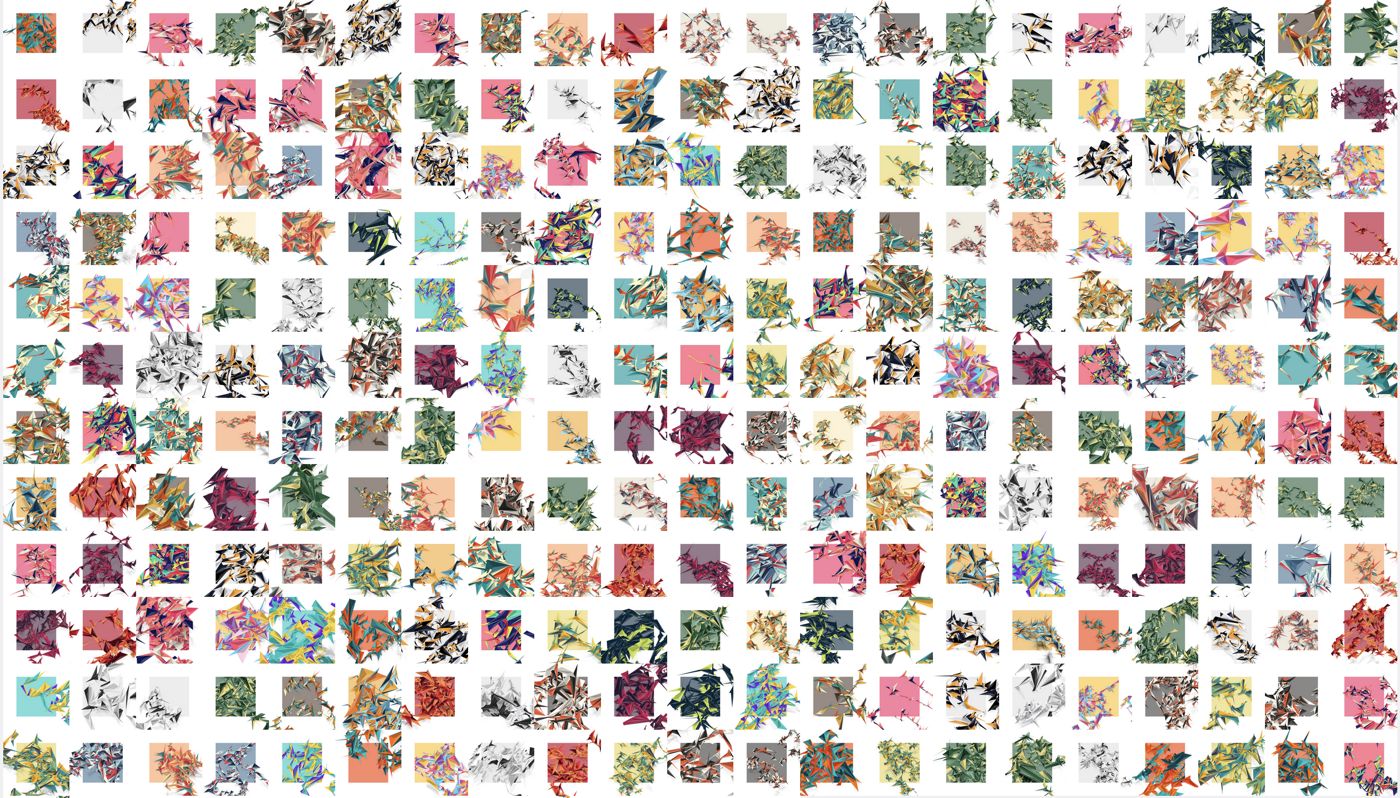
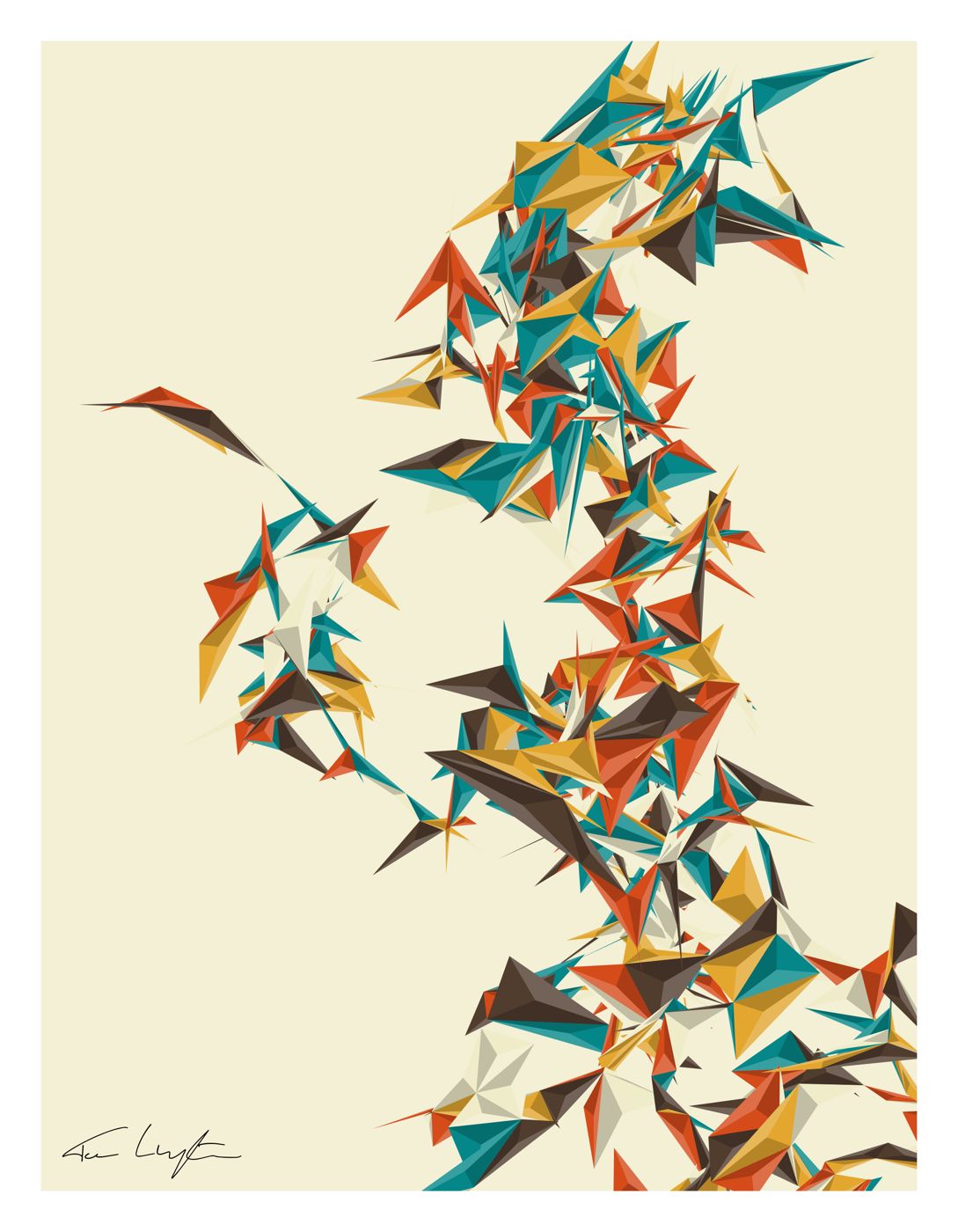
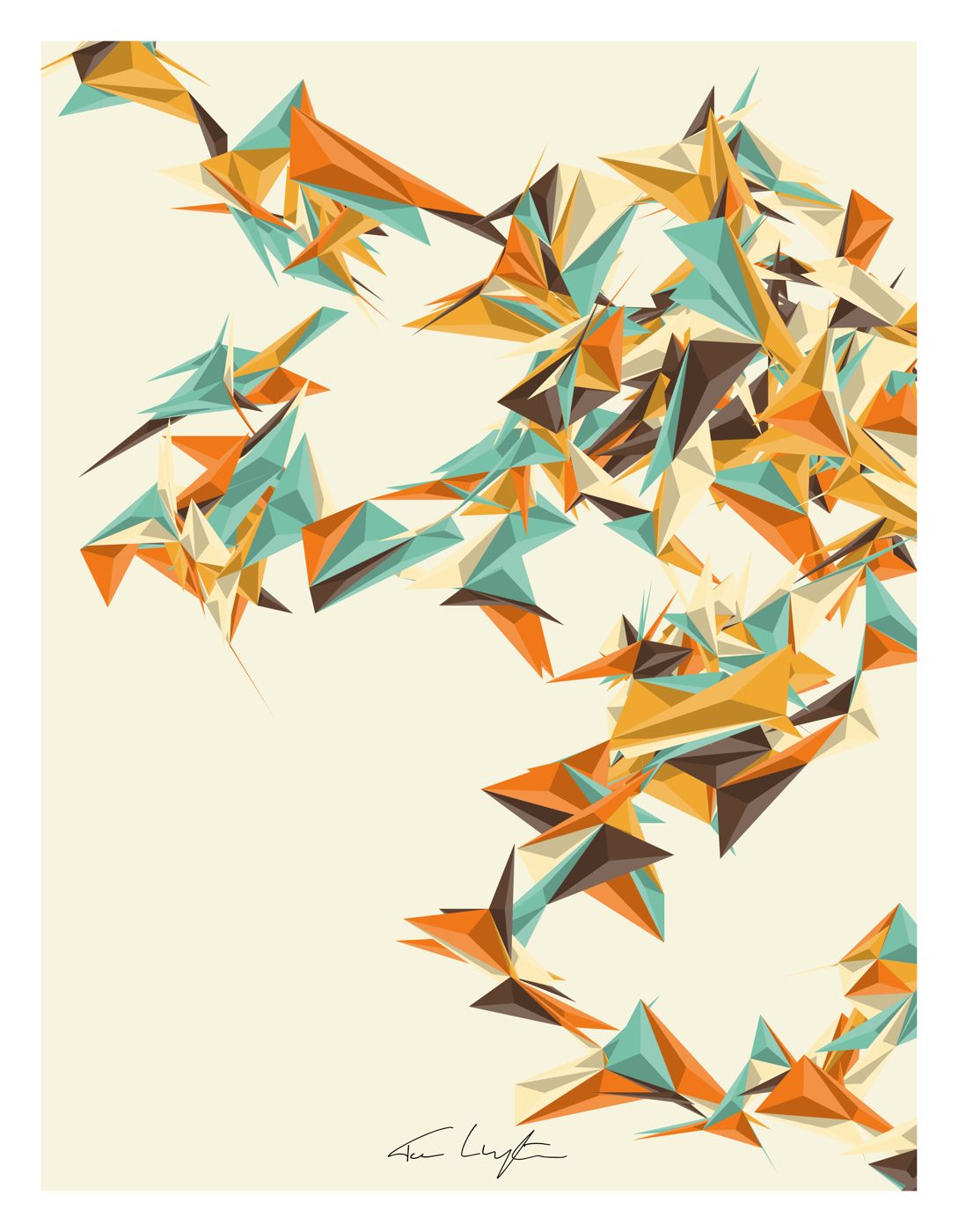
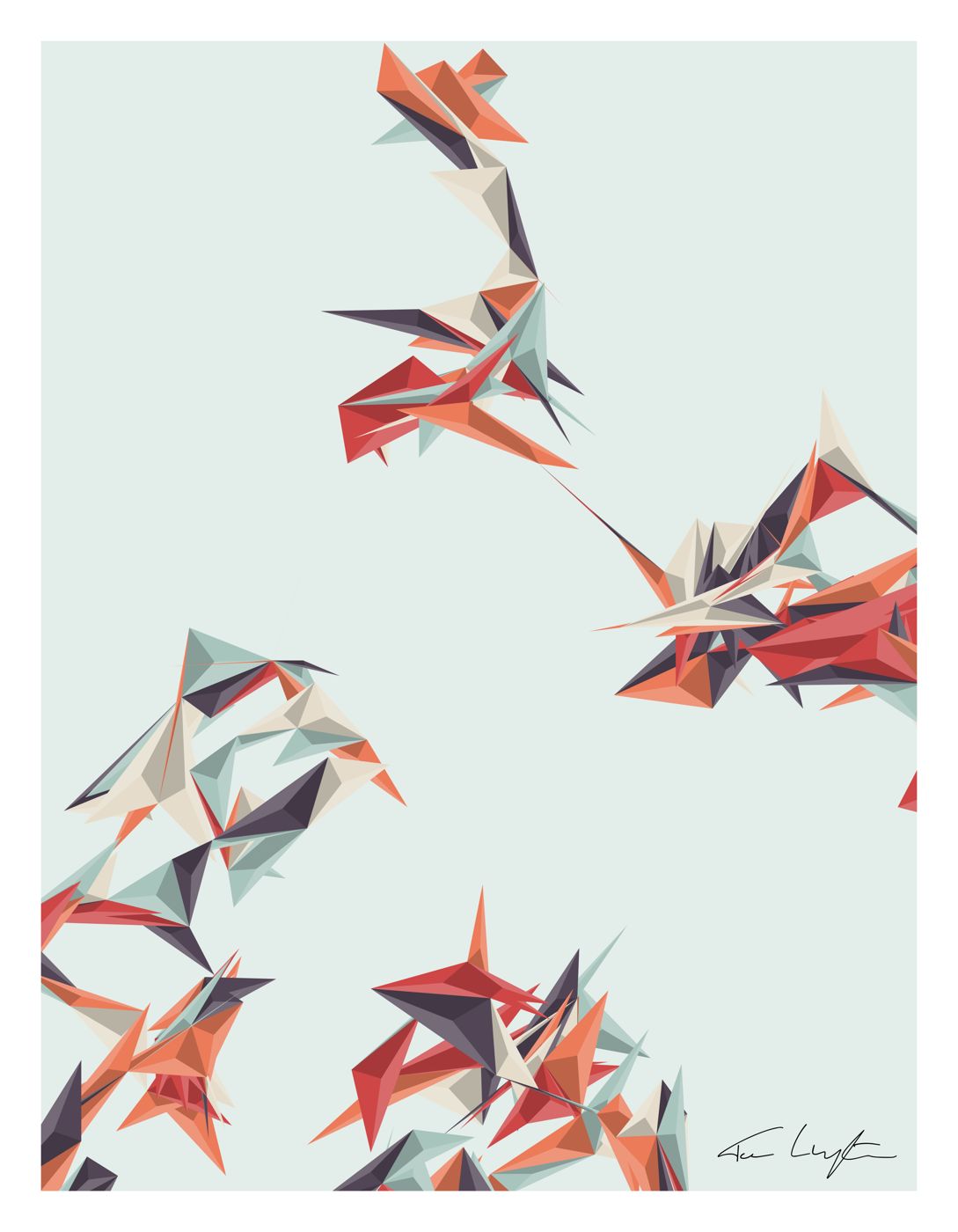
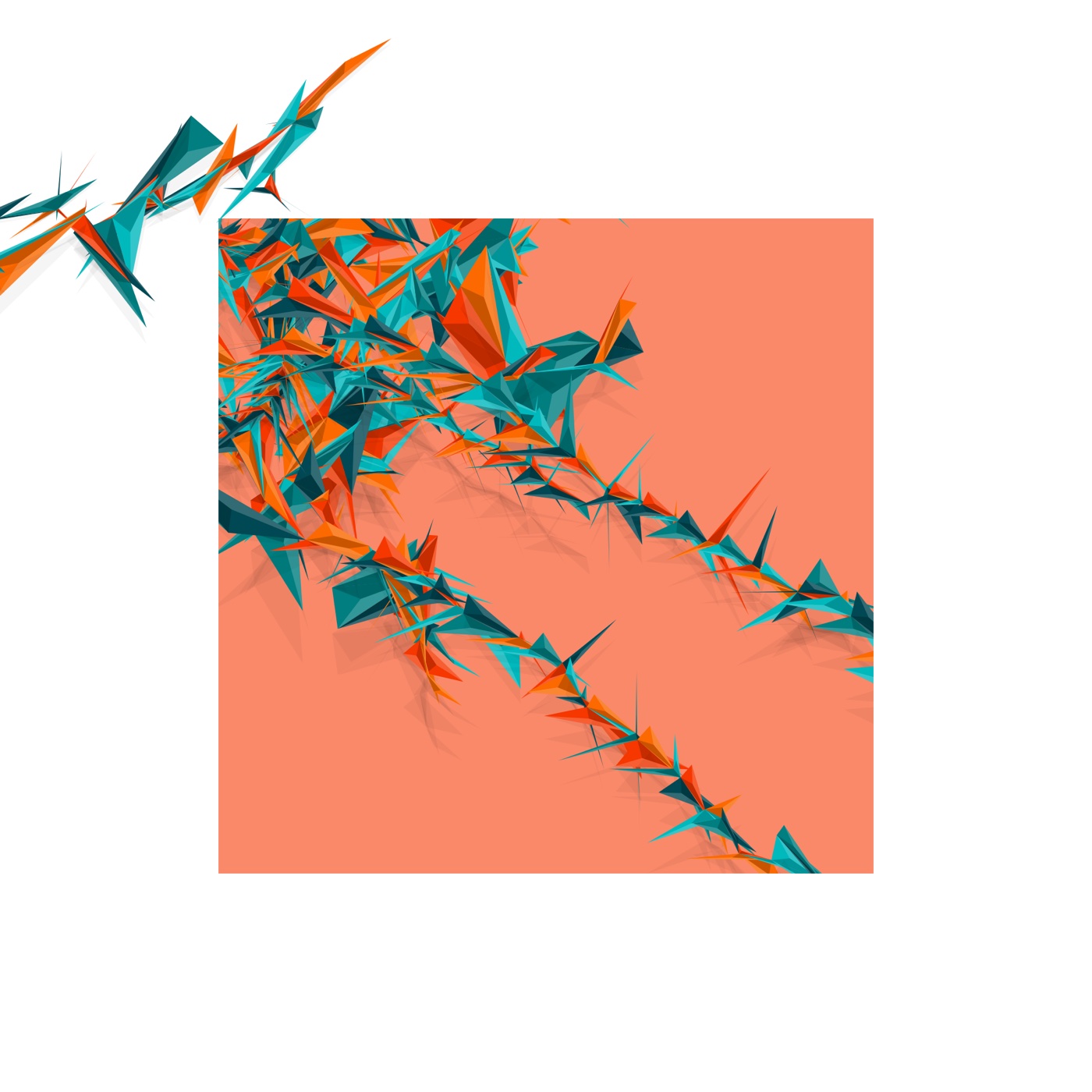
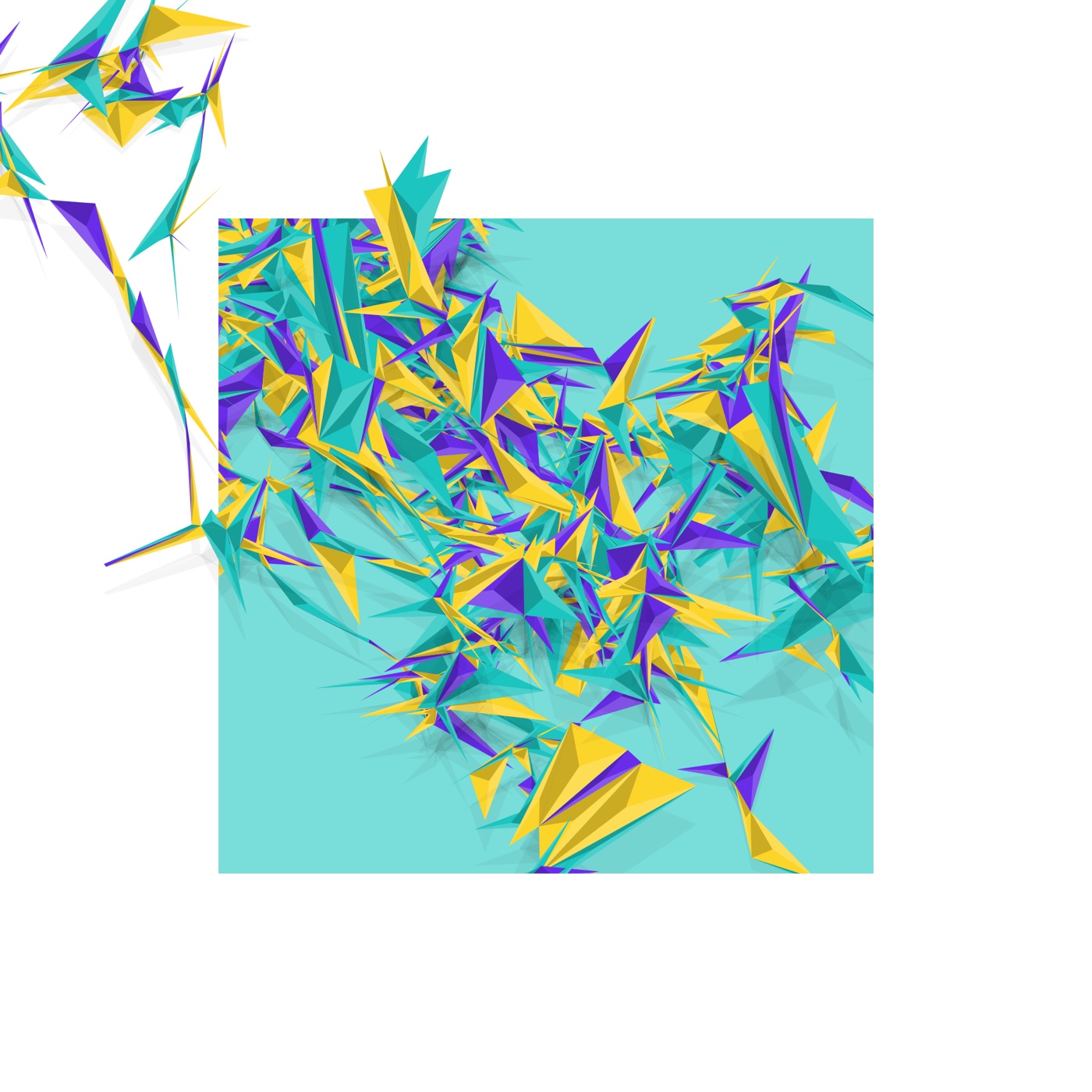
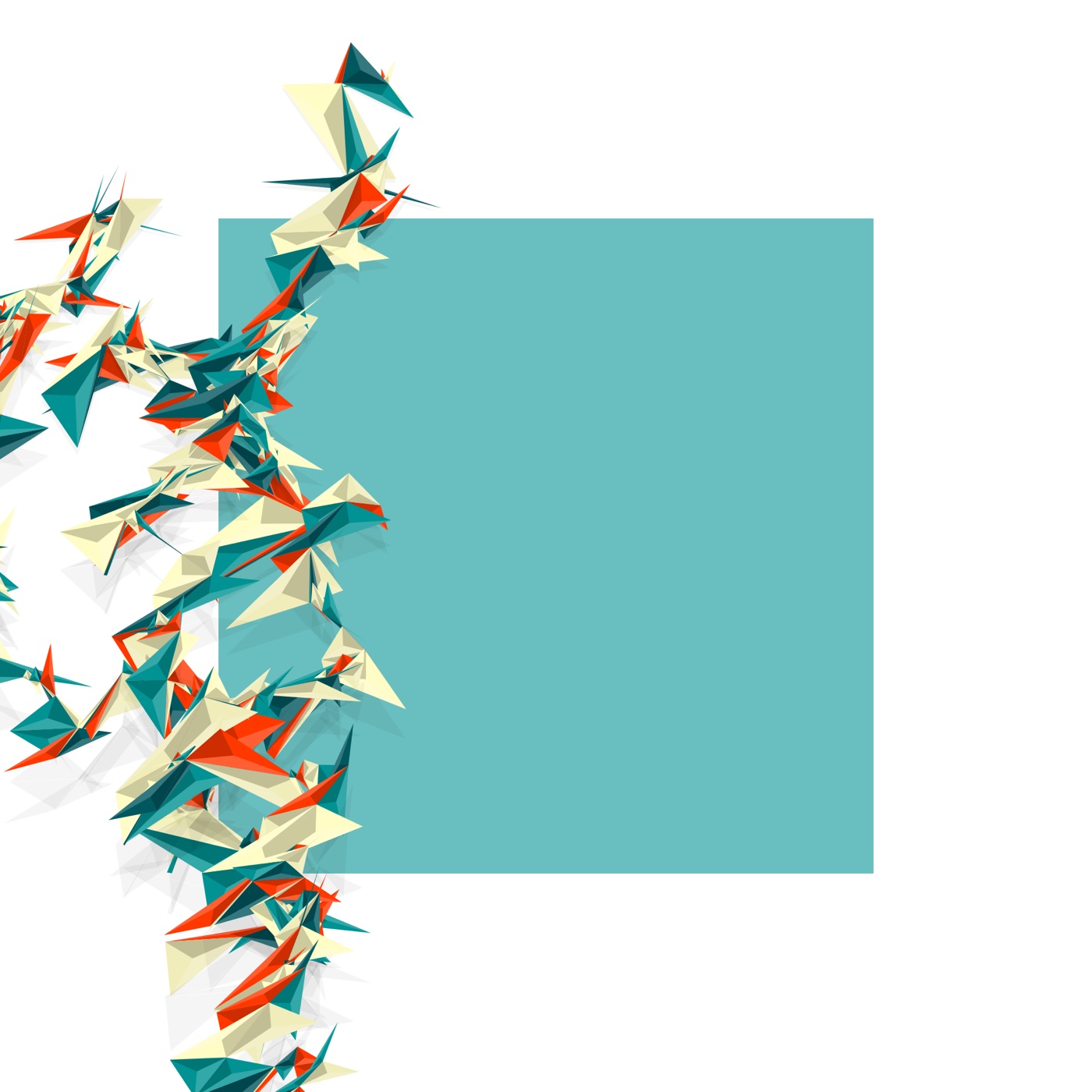
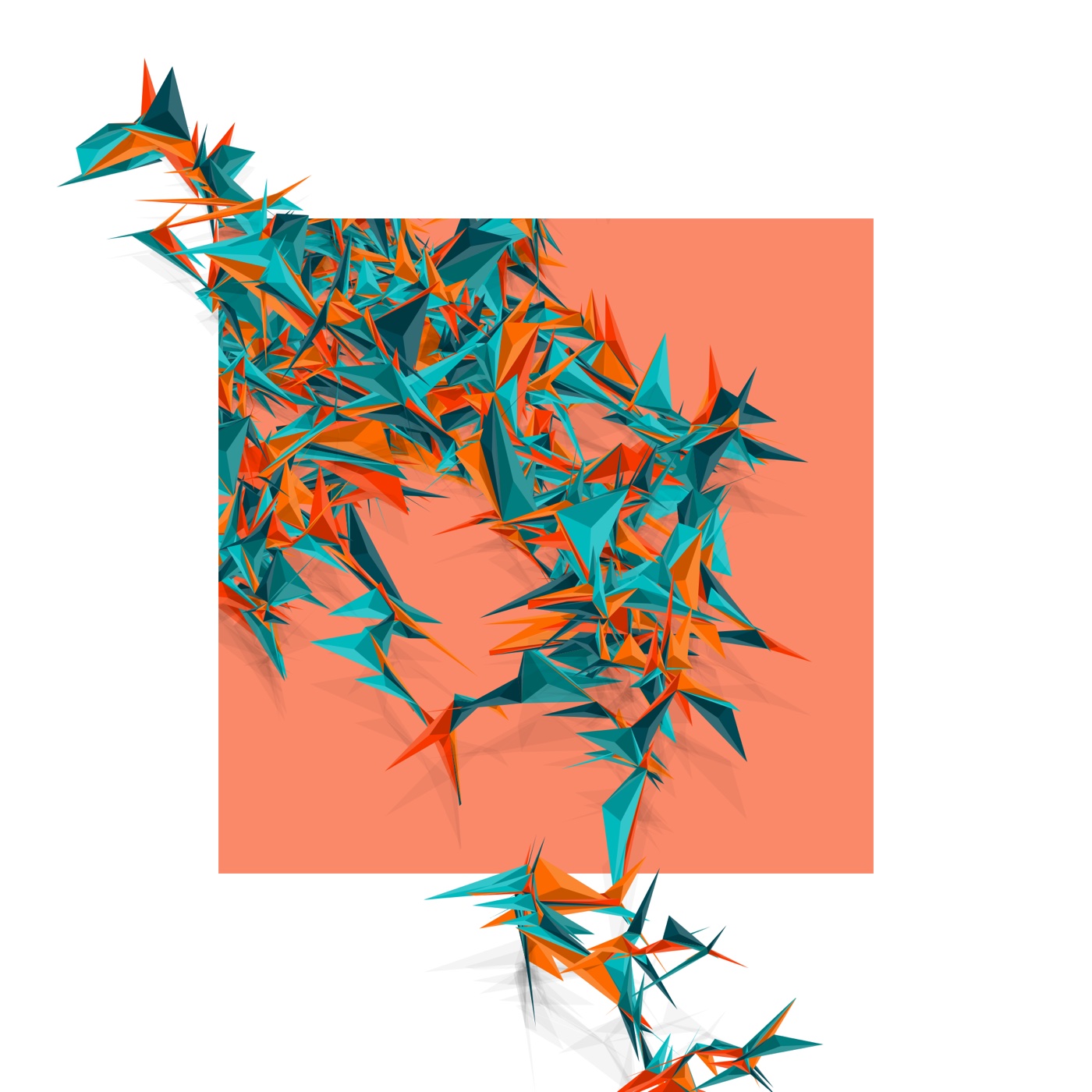
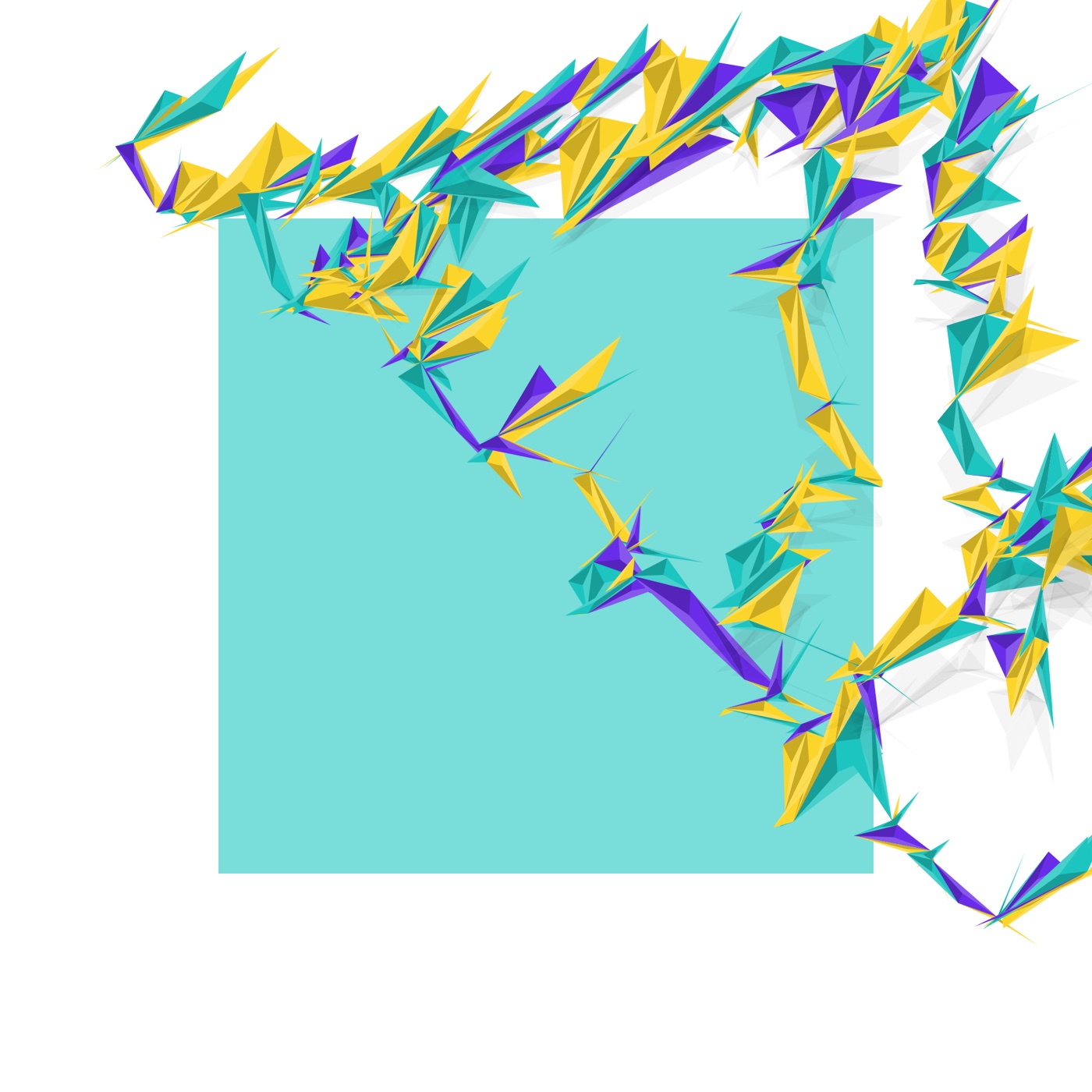
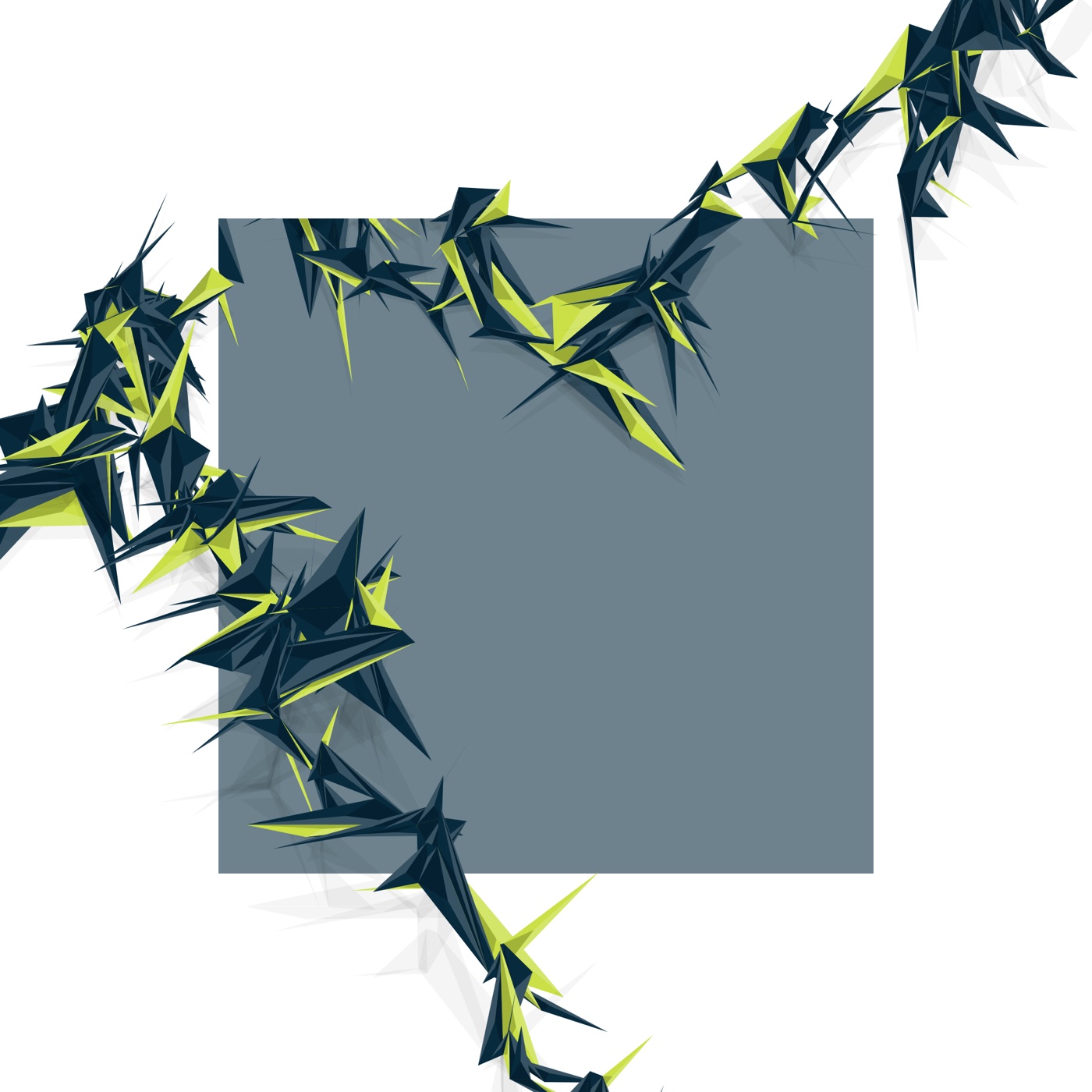
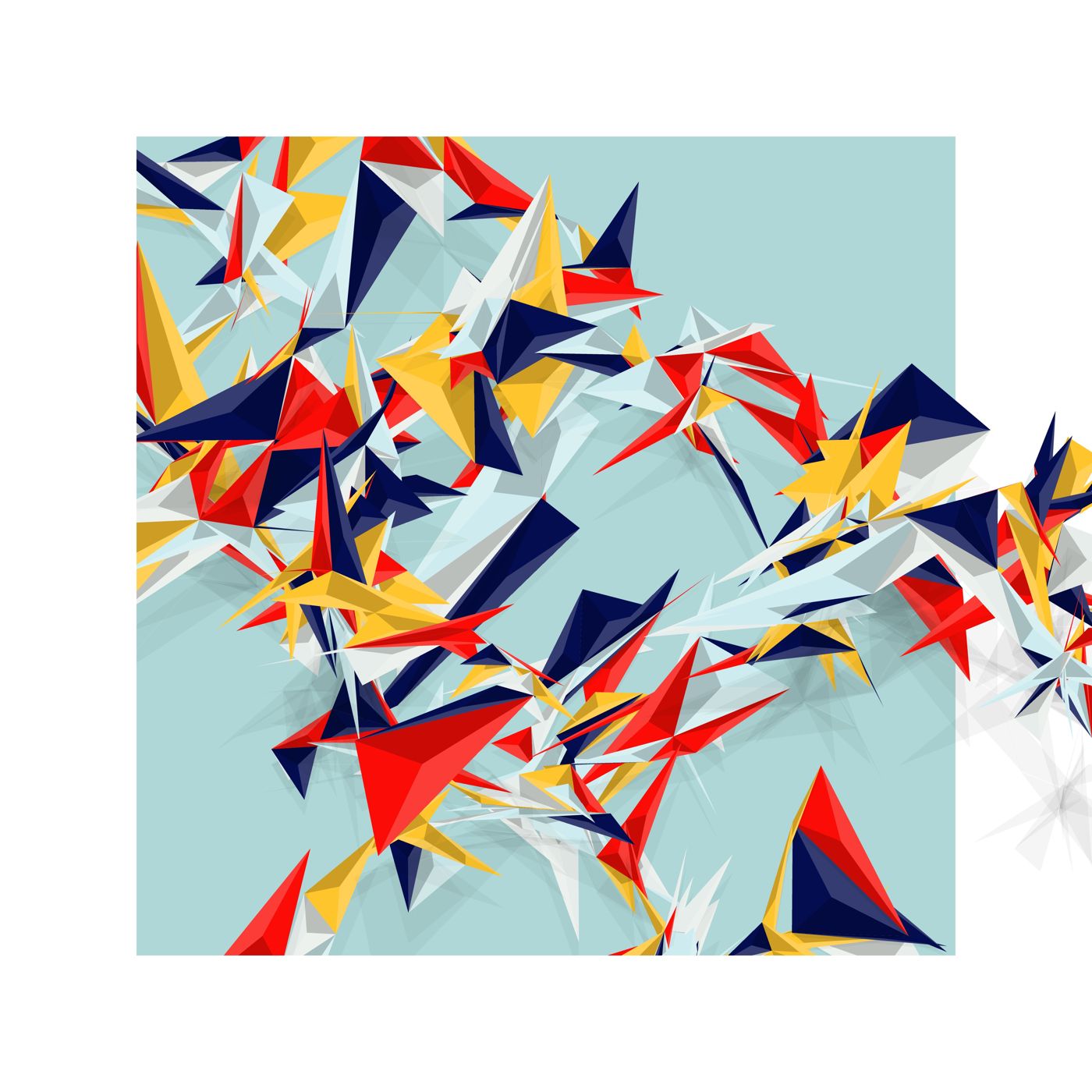
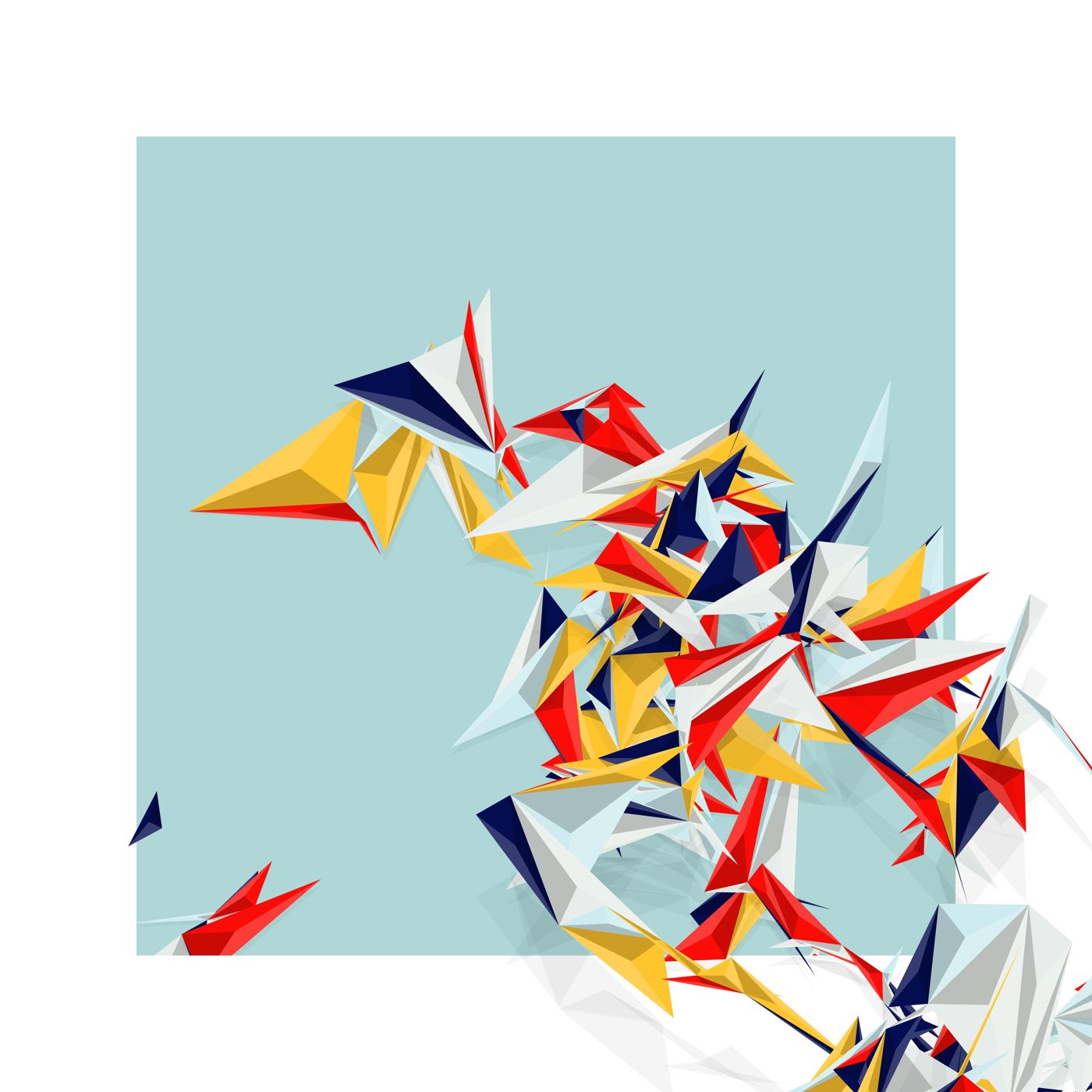
Each bird is a random string of triangles in a fixed colour scheme. The series grew from a mural into art prints and live-generated NFTs.
The prints were shown in Aesthetic algorithms, on the third floor of Bink.
Before fxhash, the first triangle works were minted as NFTs on Hic et Nunc.
- Type
- Generative art, mural, prints
- Tools
- Processing, P5js
- Platform
- fxhash, November 2021, 264 editions
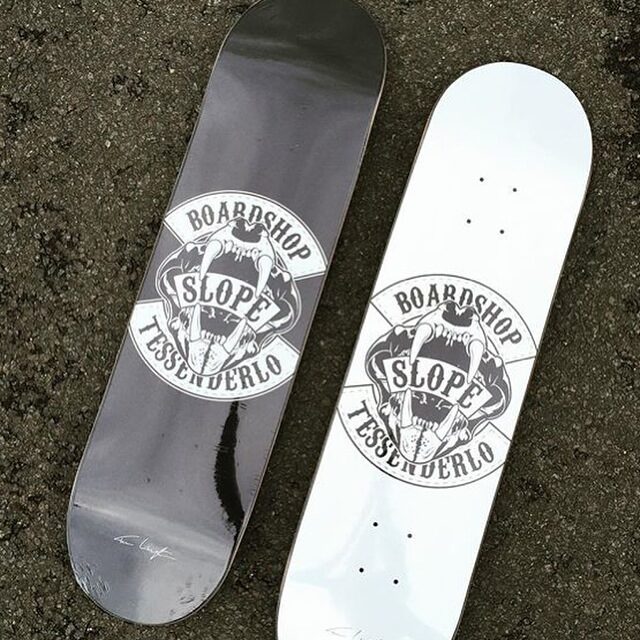
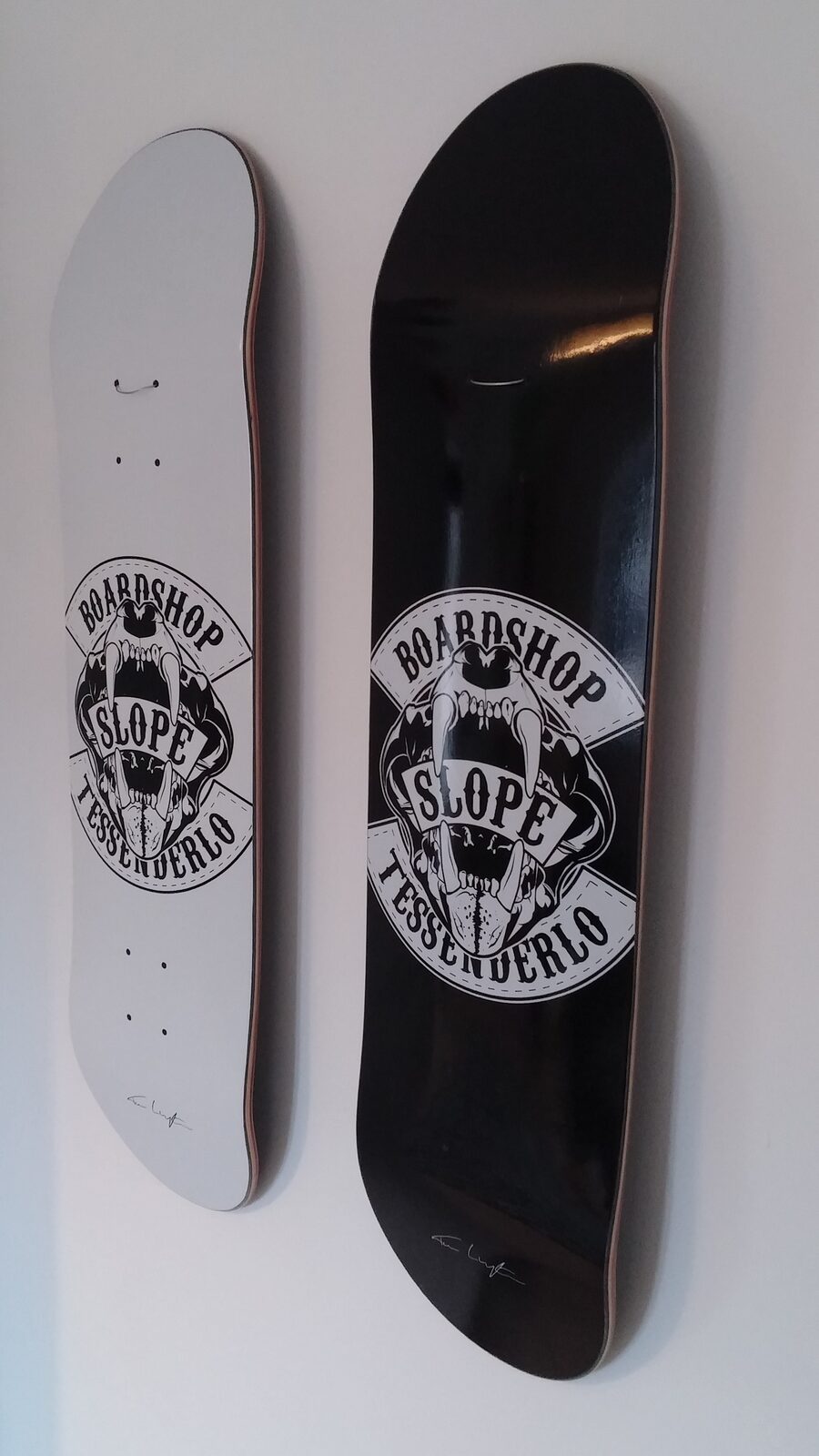
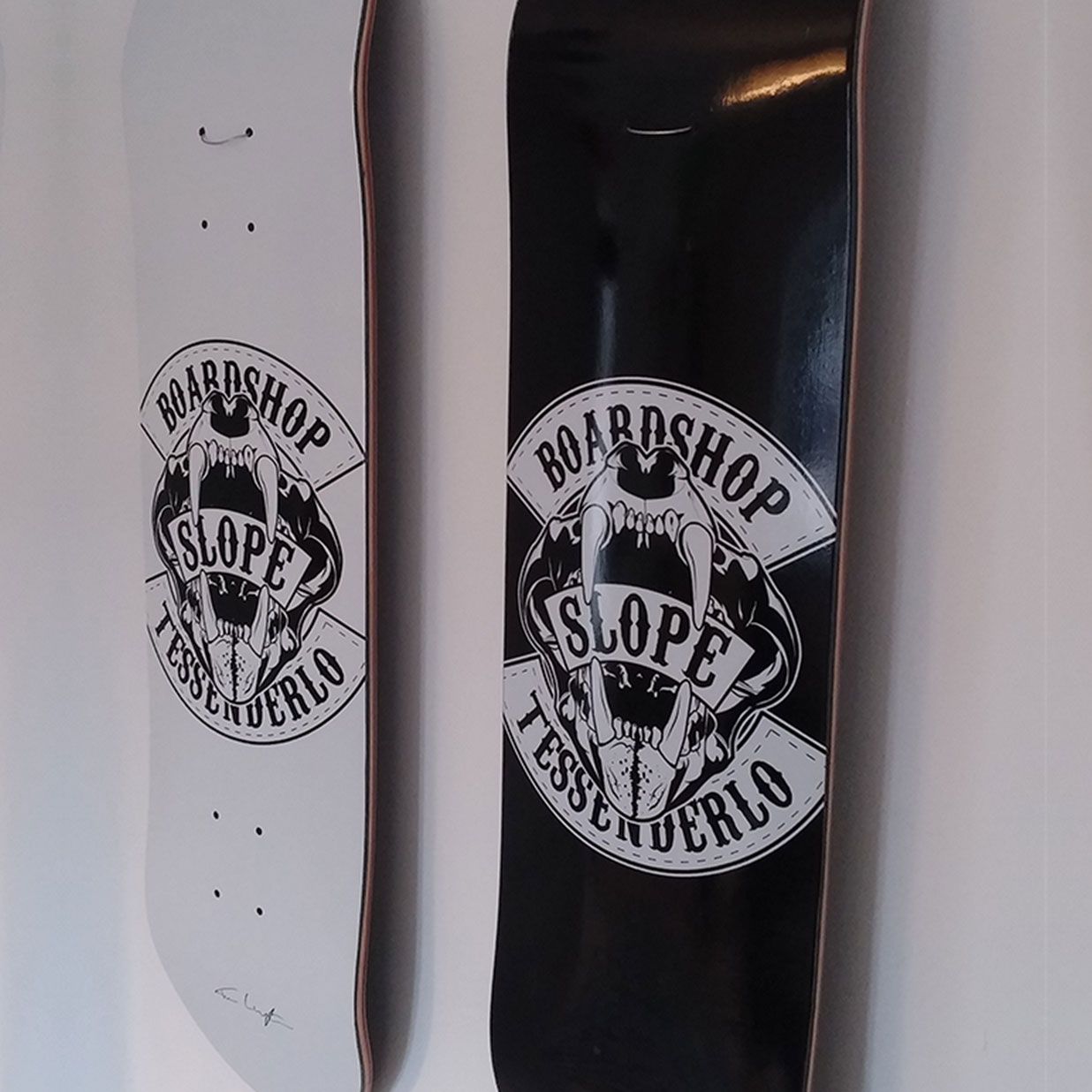 Slope skateboard decks, version 2Boardshop decks with the Slope logo.design063
The second deck series for Slope boardshop in Tessenderlo: the shop logo in black and white.
- Type
- Illustration
- Client
- Slope boardshop, Tessenderlo

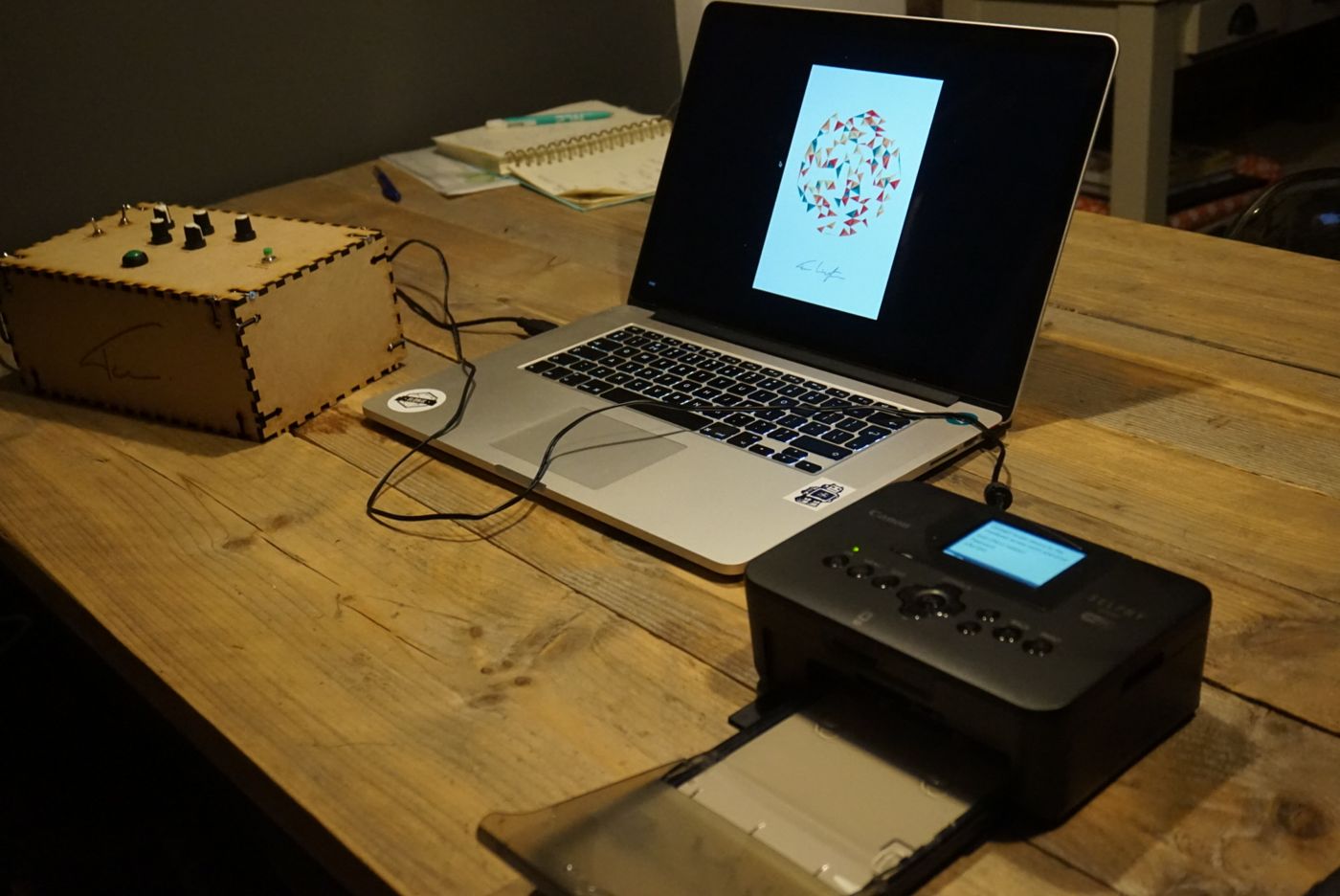
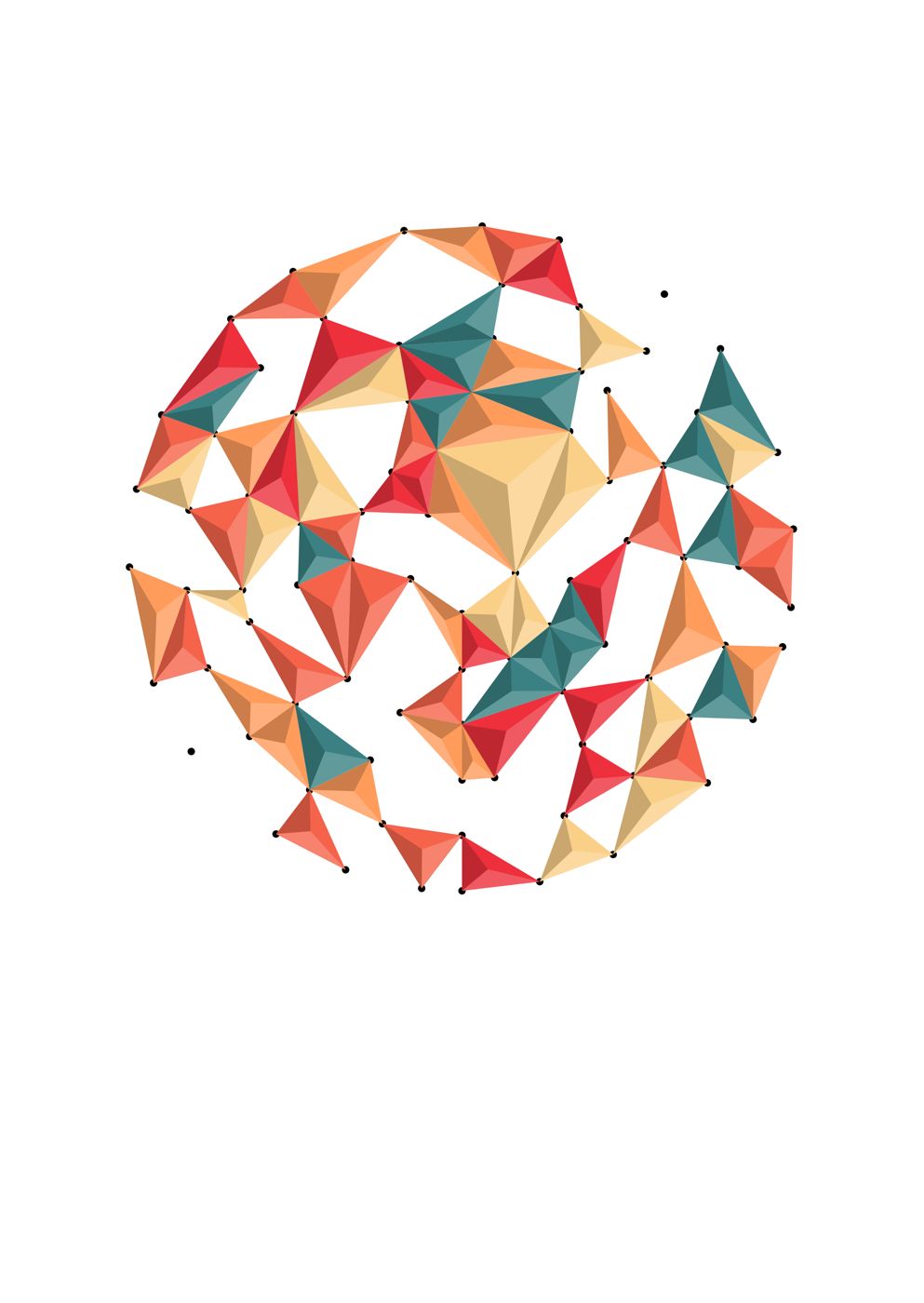
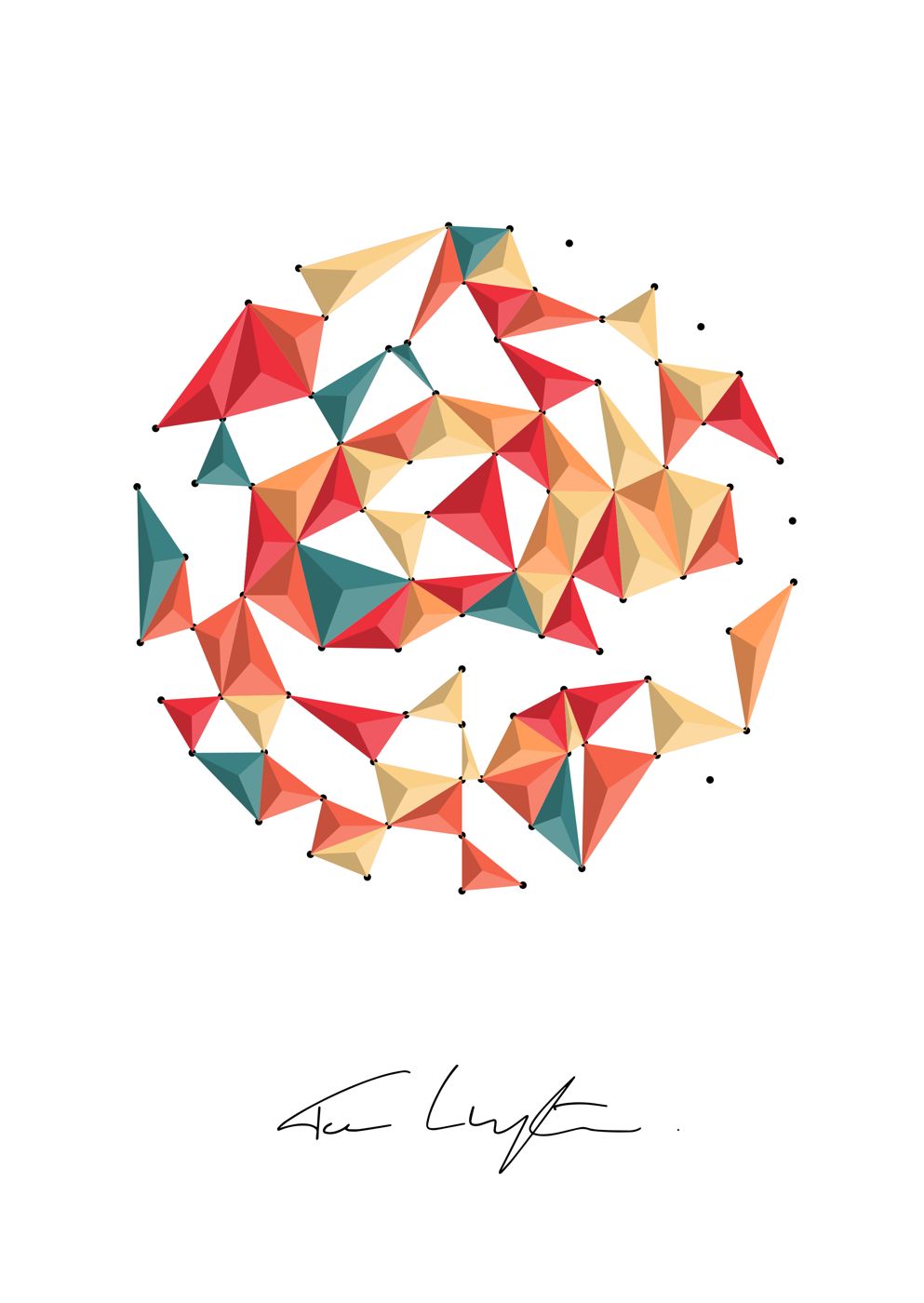
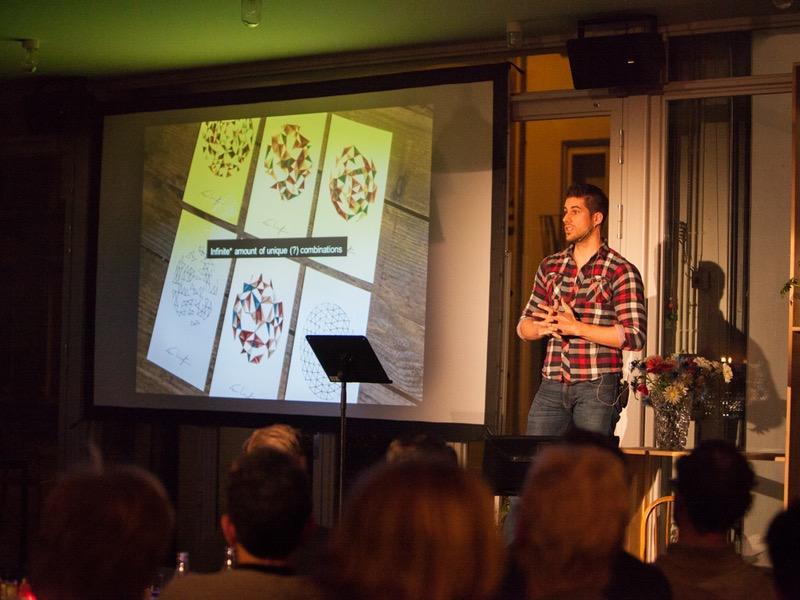
 Generative art machineA drawing box with knobs and a printer.art065
 Devour, DemoThe first xDEVOURx release, on cassette.music067
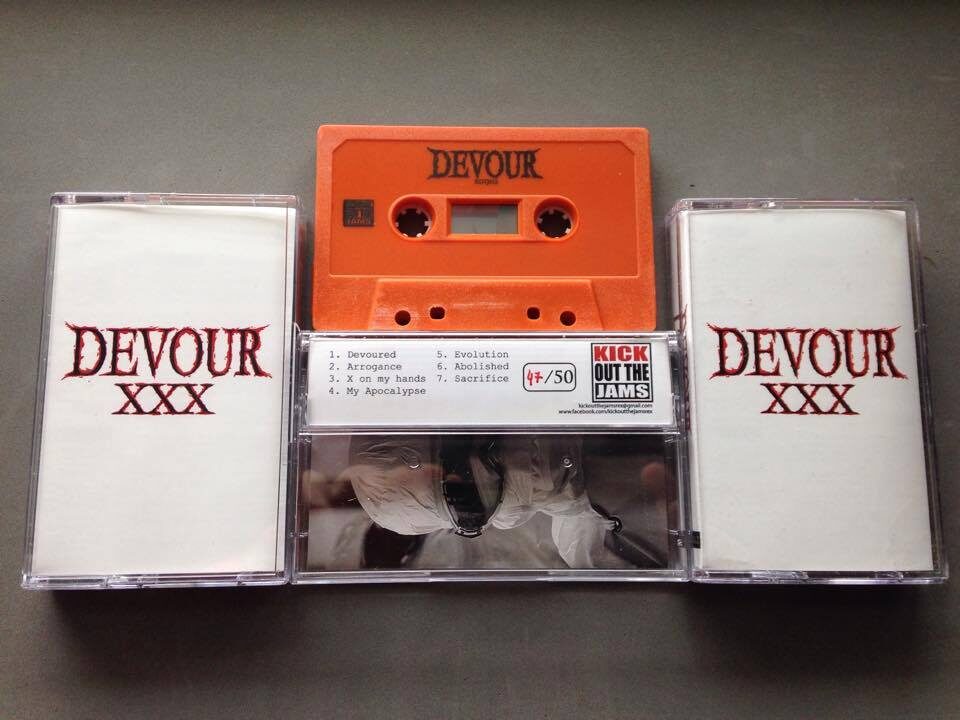
The self-titled demo of xDEVOURx: seven songs of metalcore and hardcore. Released on cassette by Kick Out The Jams, with a second press on orange tape, and as a free download.
Devoured, Arrogance, X On My Hands, My Apocalypse, Evolution, Abolished, Sacrifice.
- Type
- Cassette, mini-album, limited edition
- Band
- xDEVOURx (2015 to 2018)
- Role
- Vocals
- Line-up
- Tom Luyten, Stijn Vliegen, Alexander Jacobs, Jan Jouck, Kurt Von Saab
- Label
- Kick Out The Jams, KOTJ012
- Style
- Metalcore, hardcore
- Country
- Belgium
- 2014
 Expo: Multiply by sharingFour generative prints for the MBS exhibition.art068
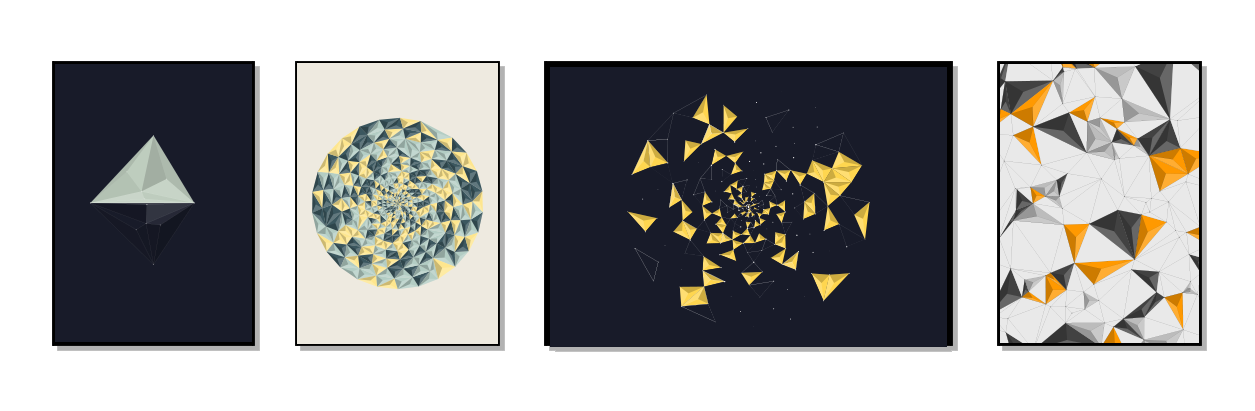
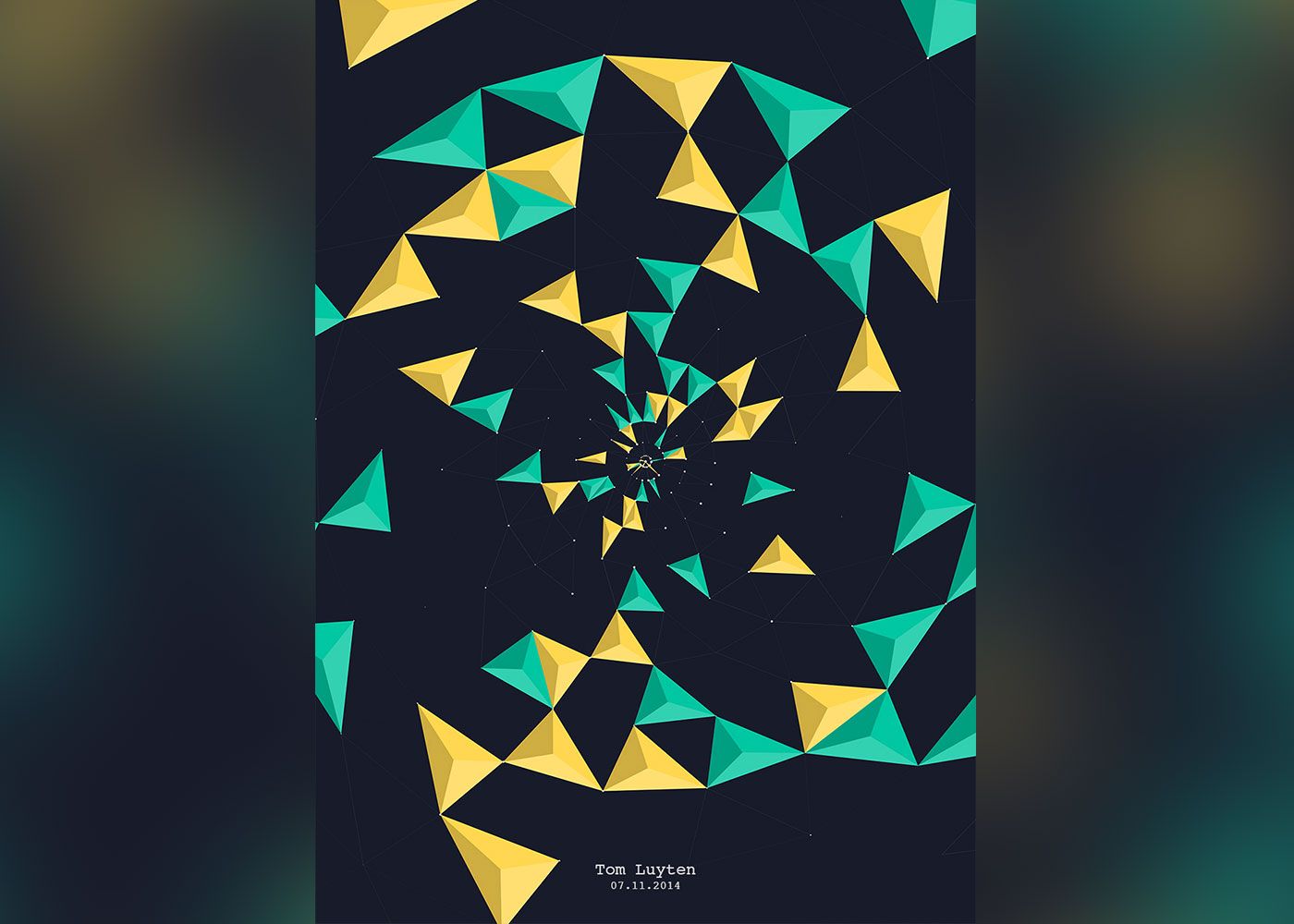
A set of four framed generative works made for the Multiply by sharing exhibition: triangulated forms that fold, spiral, scatter and tile.
- Type
- Generative art, prints
- Tools
- Processing
- Shown
- MBS exhibition, 2014
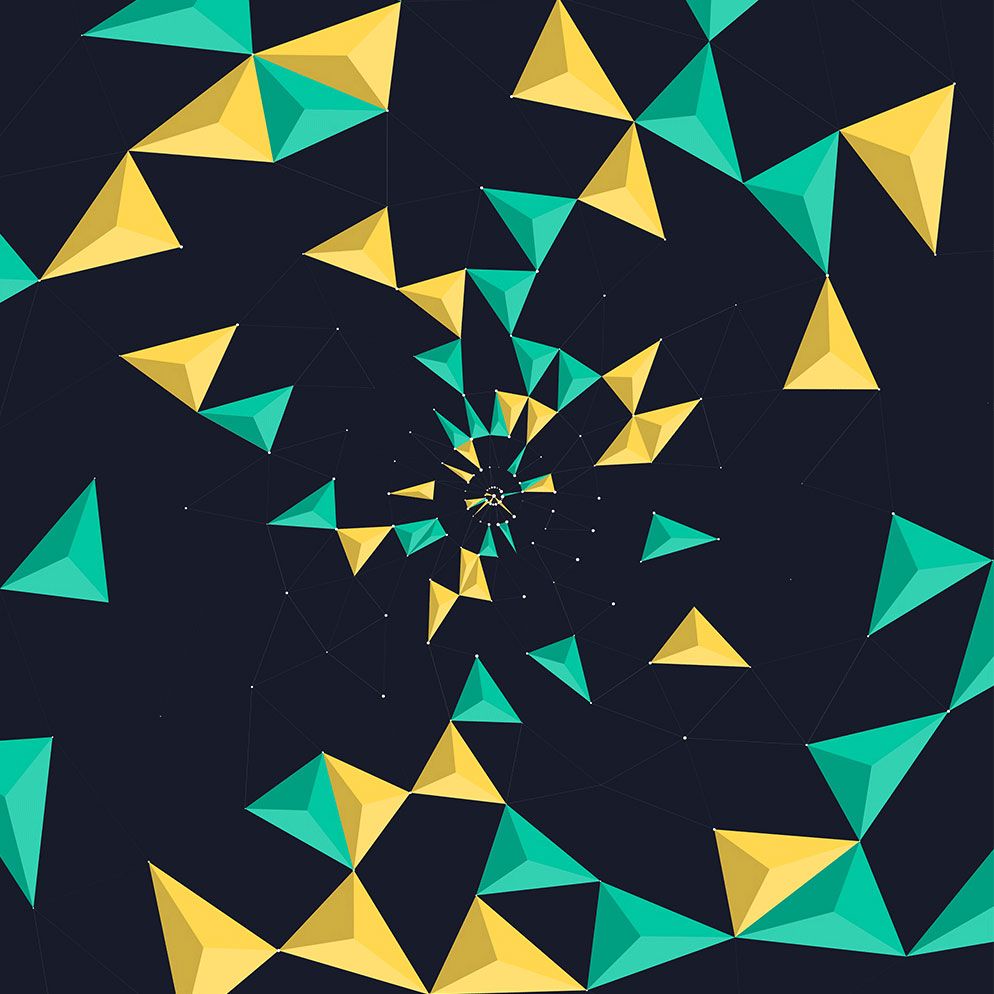 StellarGenerated star constellations.art069
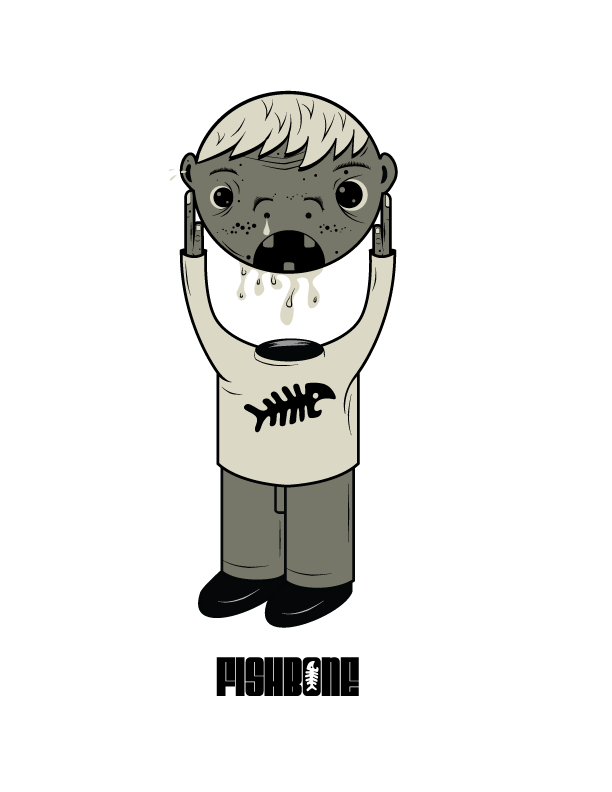
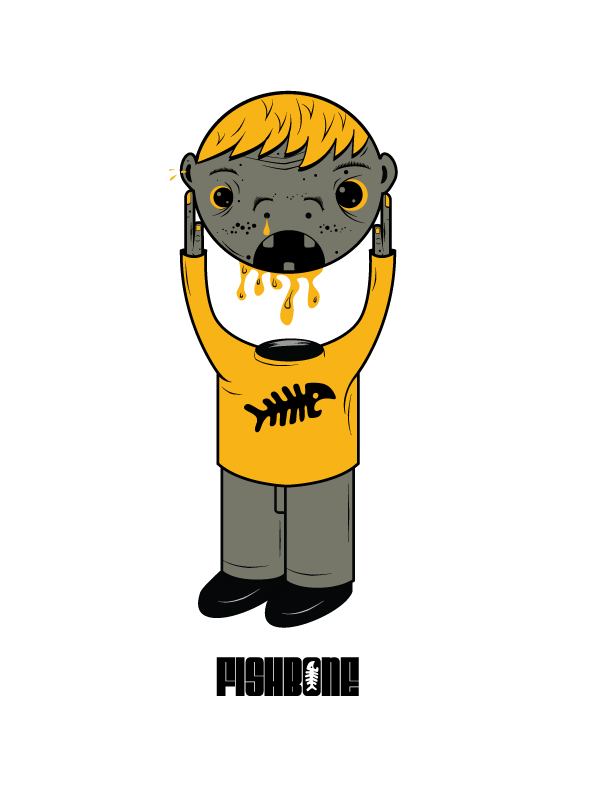
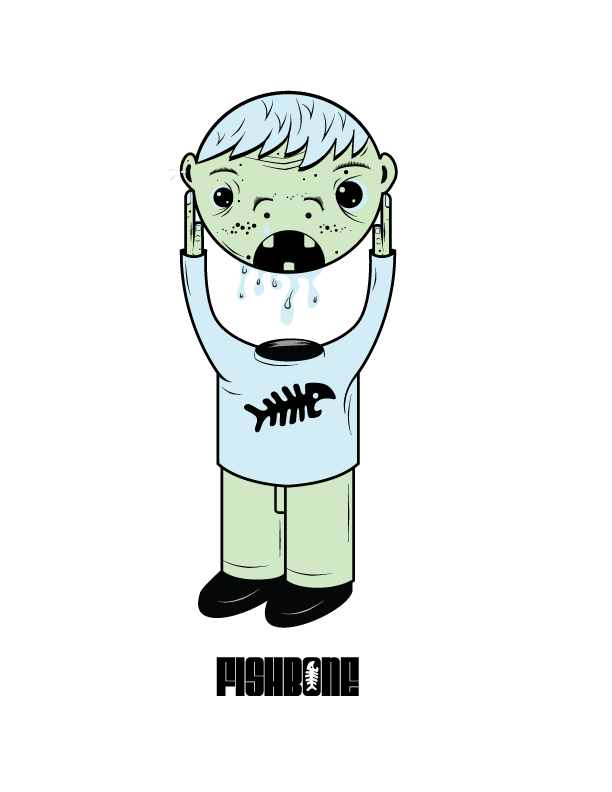
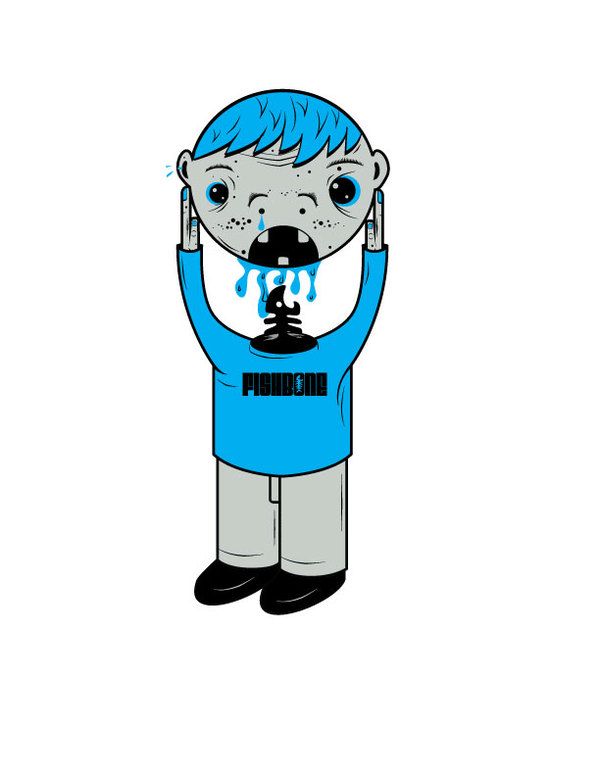 Fishbone T-shirt illustrationIllustration for a skateshop.design070
- 2013
- 2012
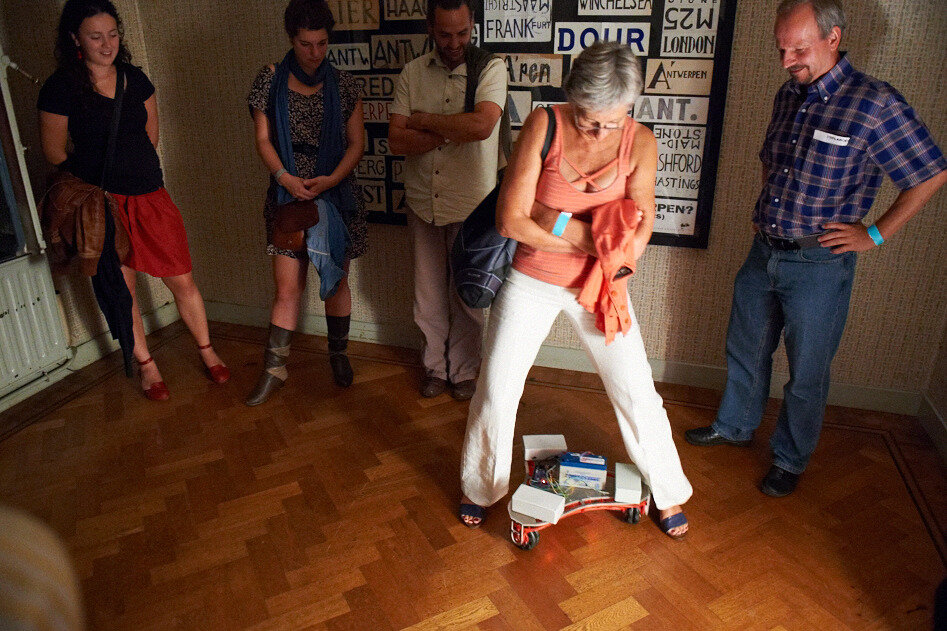
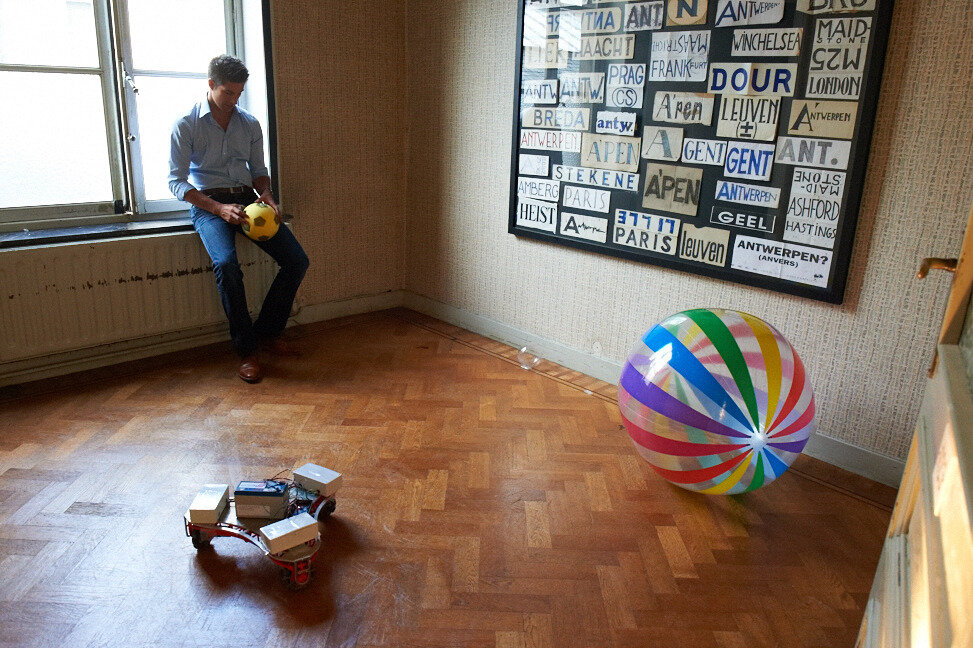
 The obtrusive ballA ball that rolls into your path.design072
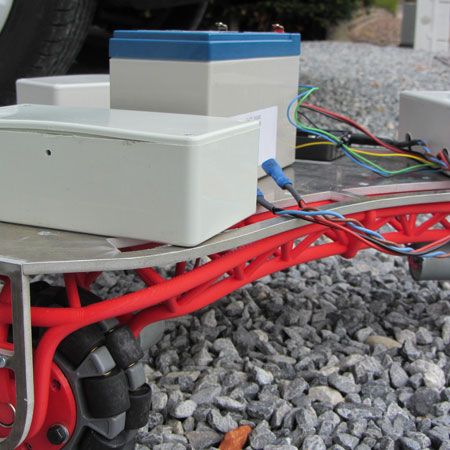
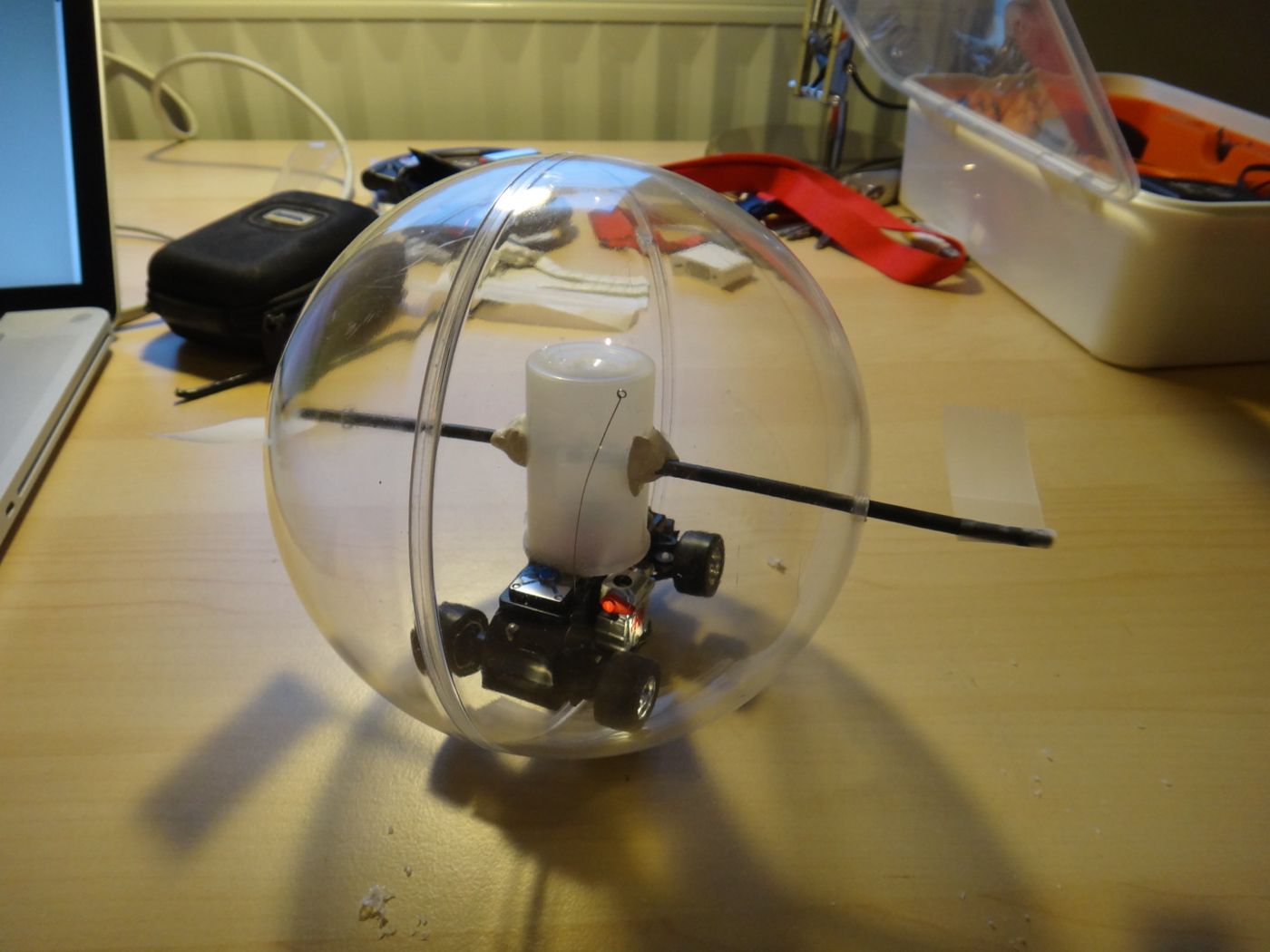
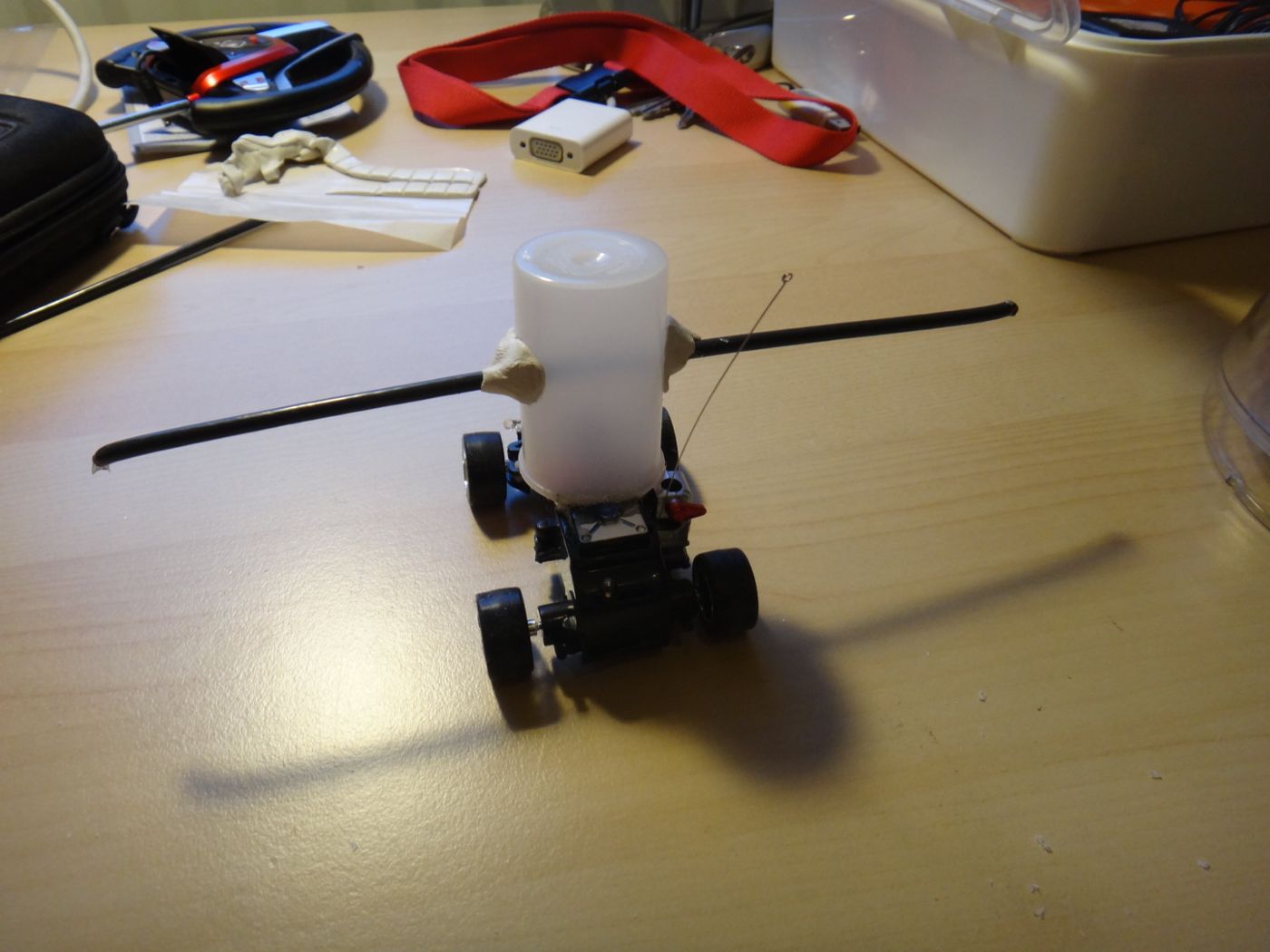
A skippy ball with an omnidirectional robot inside. Radar sensors let it notice visitors, so it rolls into their path and invites them to play. The question behind it: how can I get people moving, and open a dialogue with their surroundings and each other?
Developed from March to July 2012 in five prototypes, with Timelab Ghent and Villanella Antwerp, then exhibited at Villanella in August 2012 and featured on VRT. It also served as pilot research for the PhD on interactive art in care homes.
- Type
- Physical computing, prototype
- With
- Timelab Ghent (coach Kurt van Houte), Villanella Antwerp, Zuyd Heerlen (Ramon Jongen, Mathijs van der Kroft, Sven Schörgers)
- Shown
- Villanella, Antwerp, August 2012; VRT
 Blade, Armed With AbstinenceFull album, hardcore and metalcore.music073
The full-length album of Blade, released on Seventh Dagger in 2012.
- Type
- CD, album
- Band
- Blade (2007 to 2012)
- Label
- Seventh Dagger, SDAG040
- Style
- Hardcore, metalcore
- Country
- Belgium
- 2011
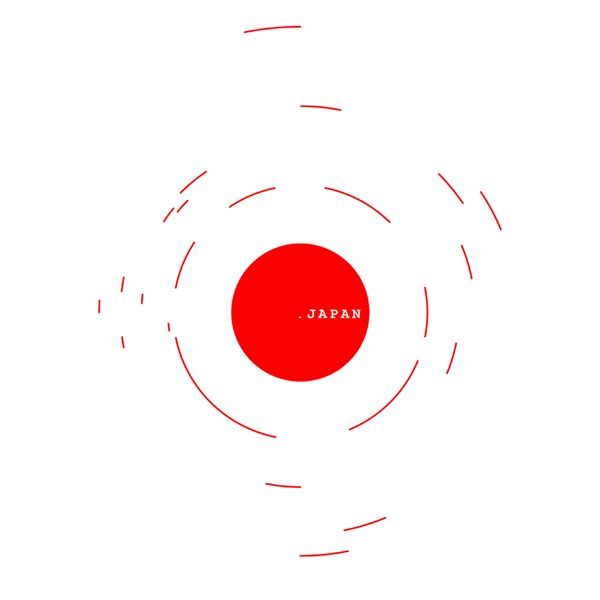
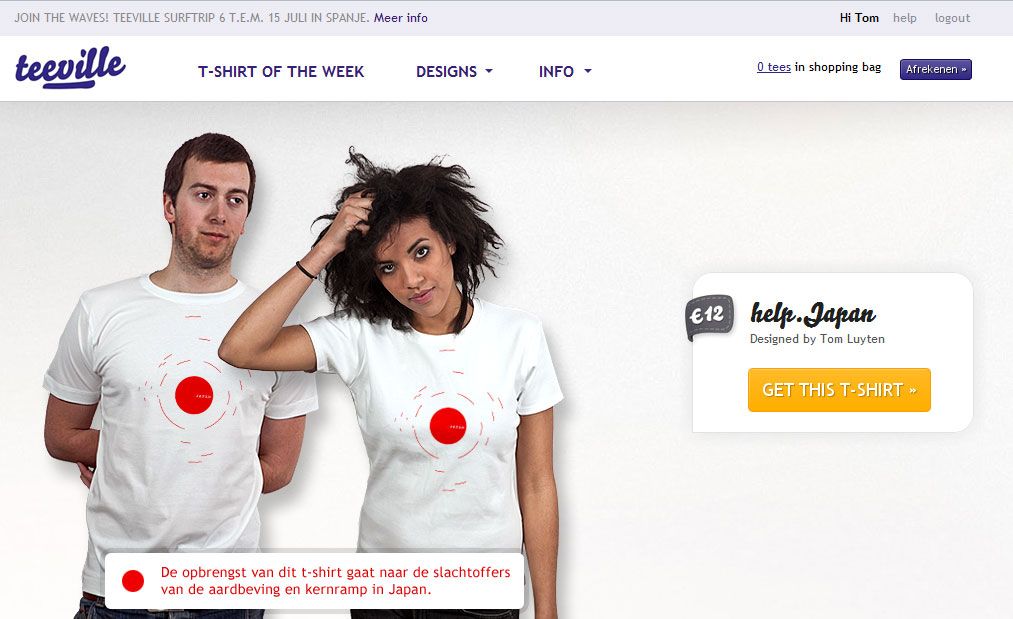 Help Japan shirtA shirt drawn from earthquake data.design074
A T-shirt generated in Processing from the magnitude data of the Japanese earthquake. The profit went to the victims.
- Type
- Generative design
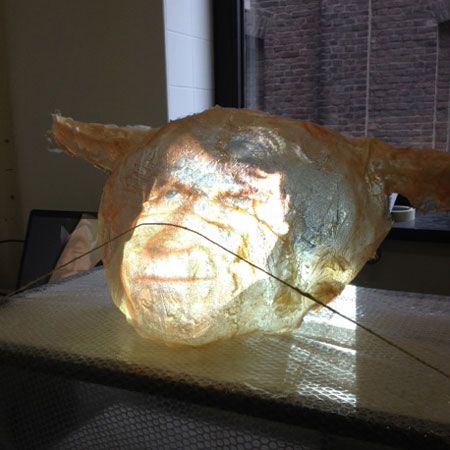
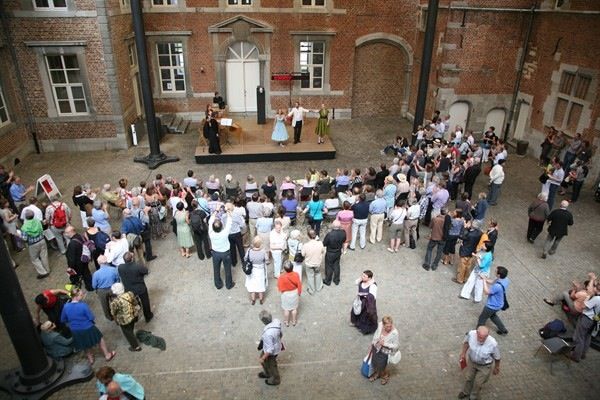 Virtual operaA projected singer in a mask.art075
- 2010
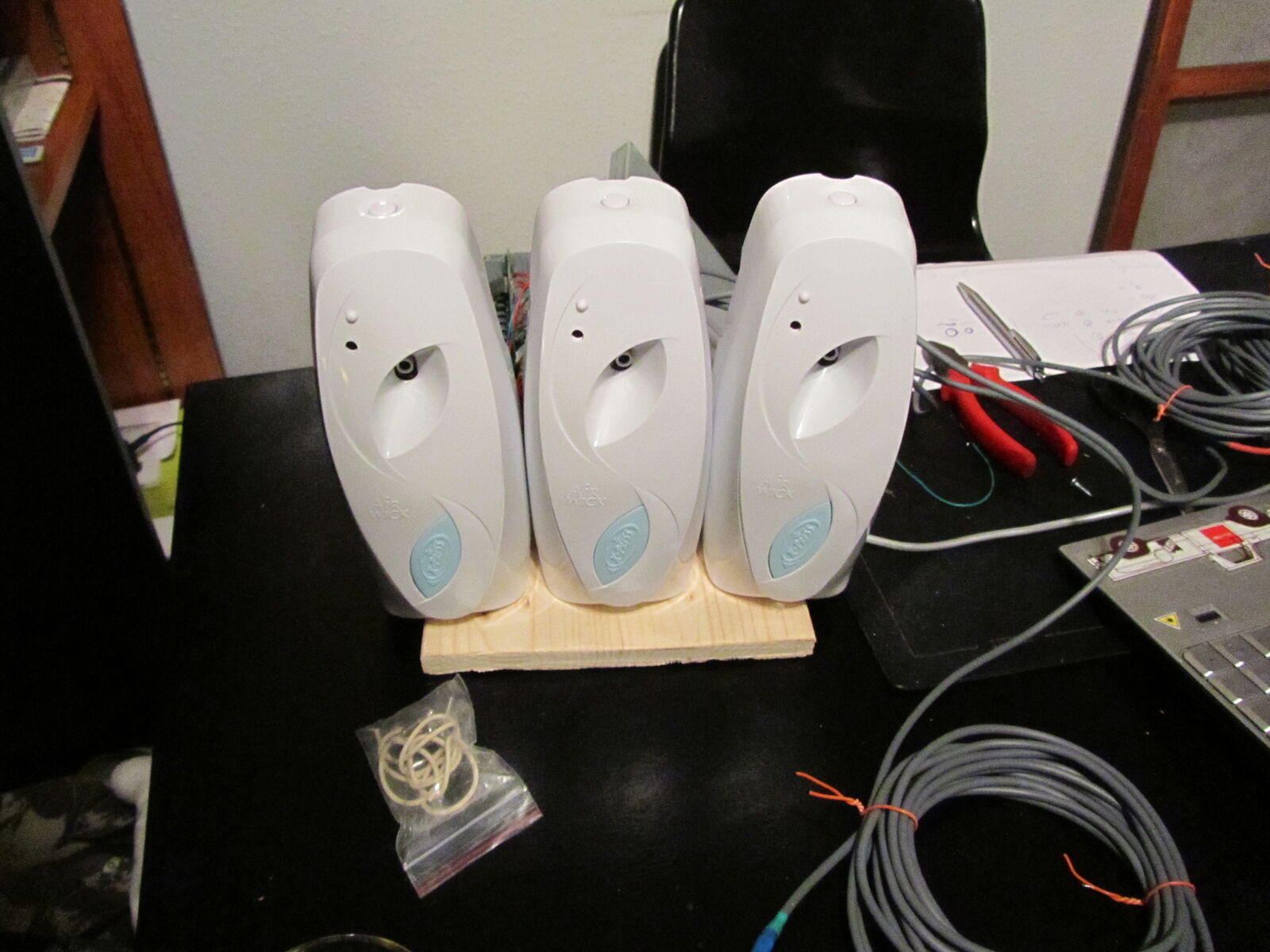
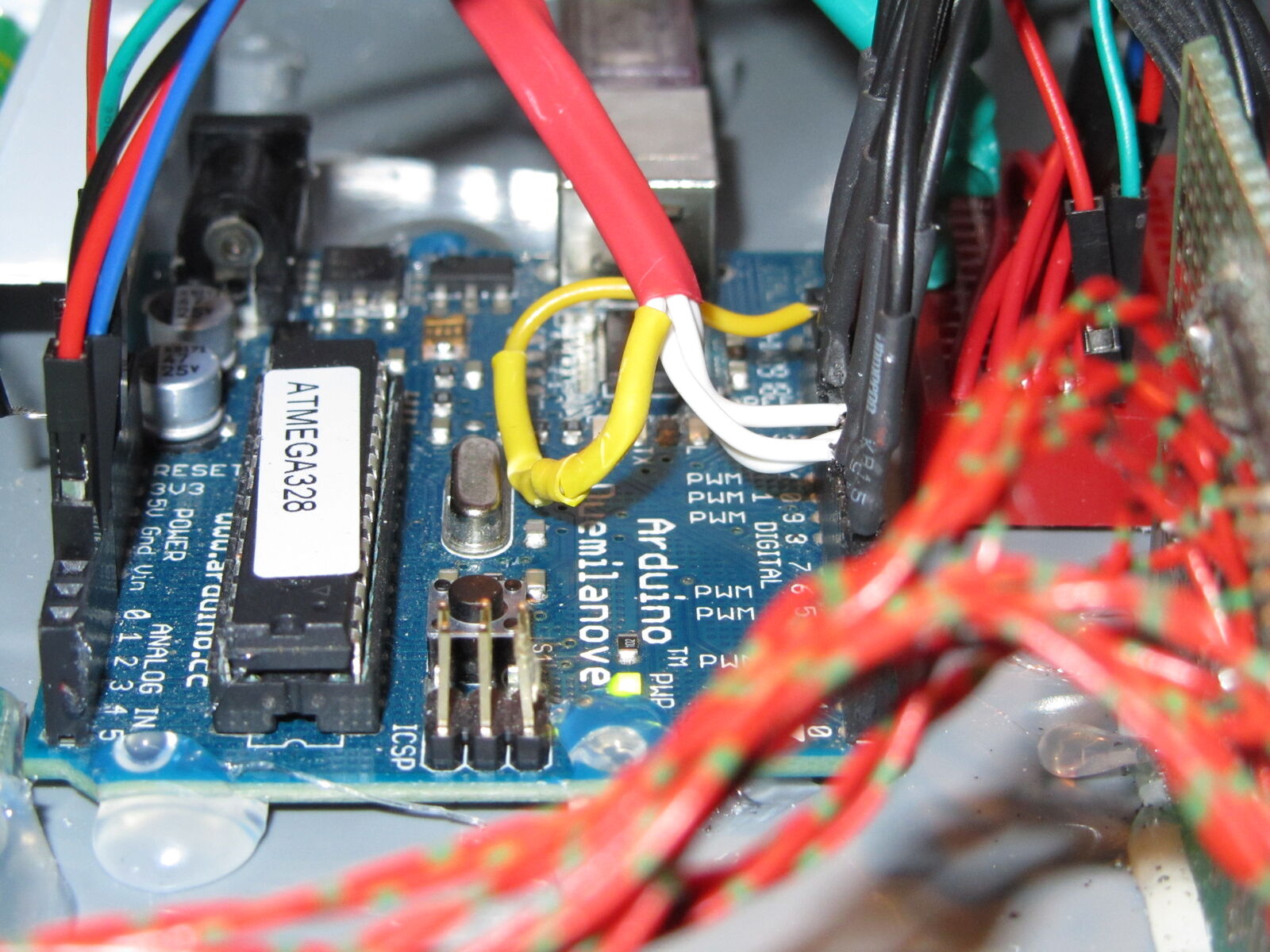
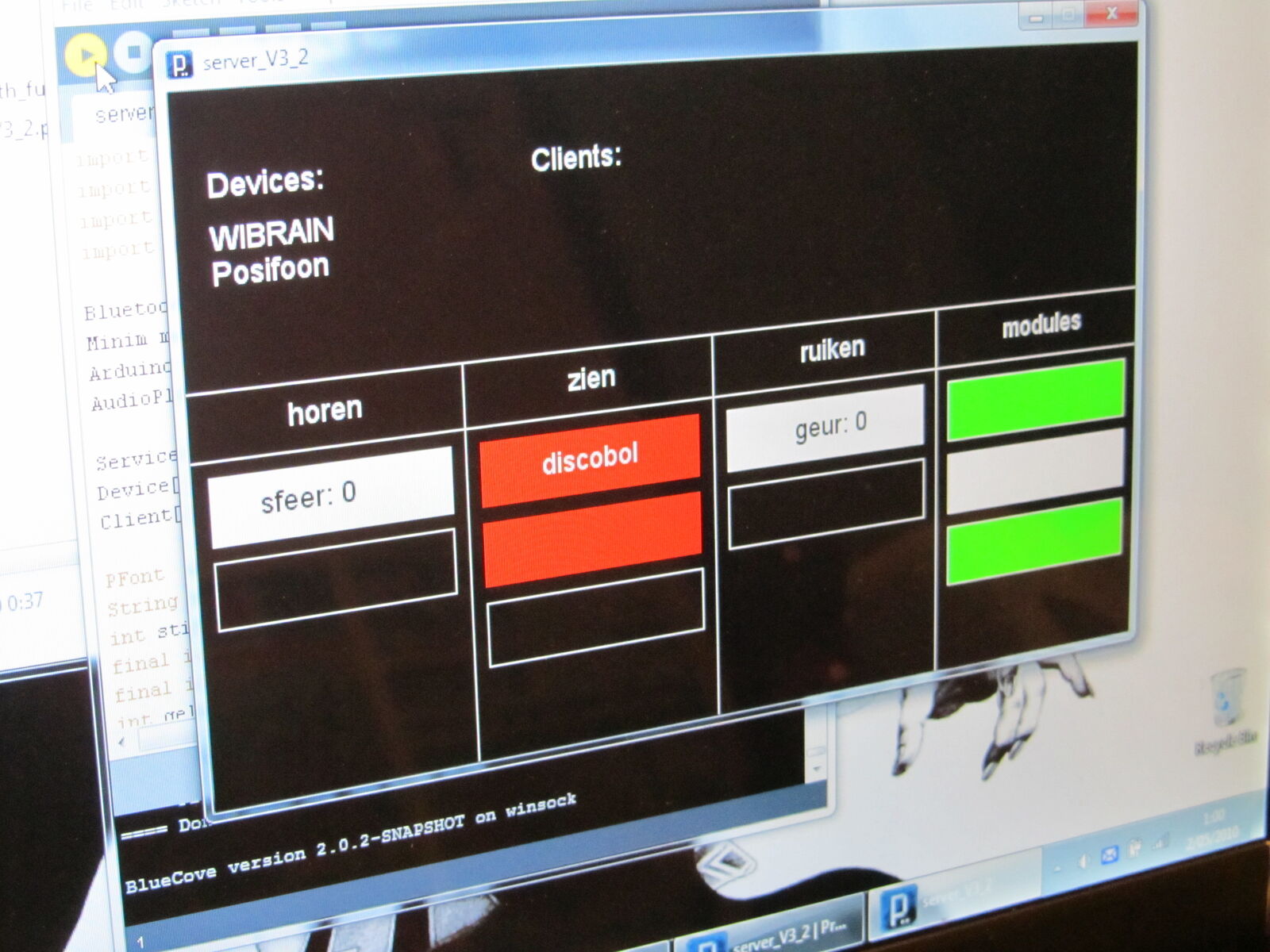
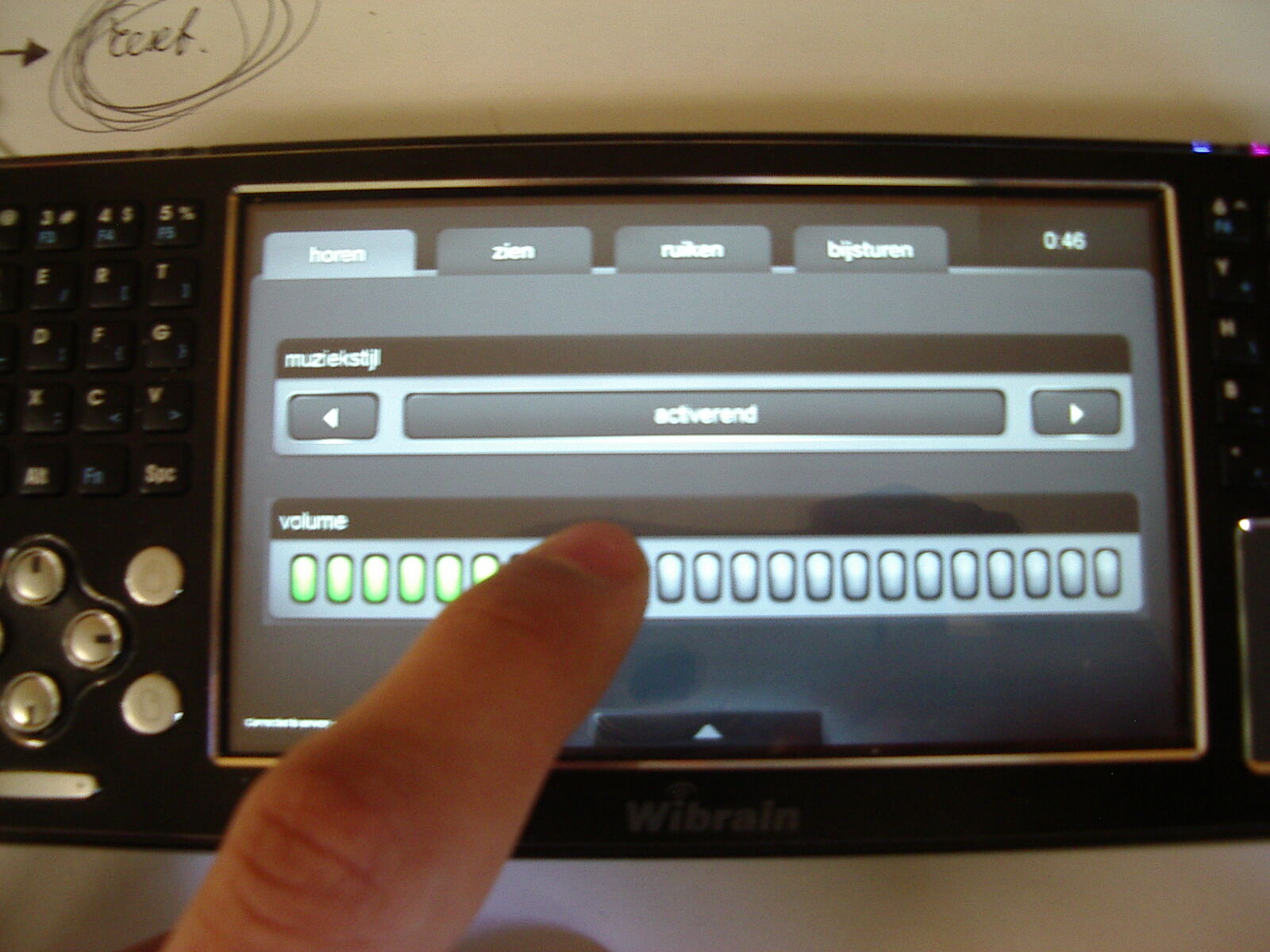
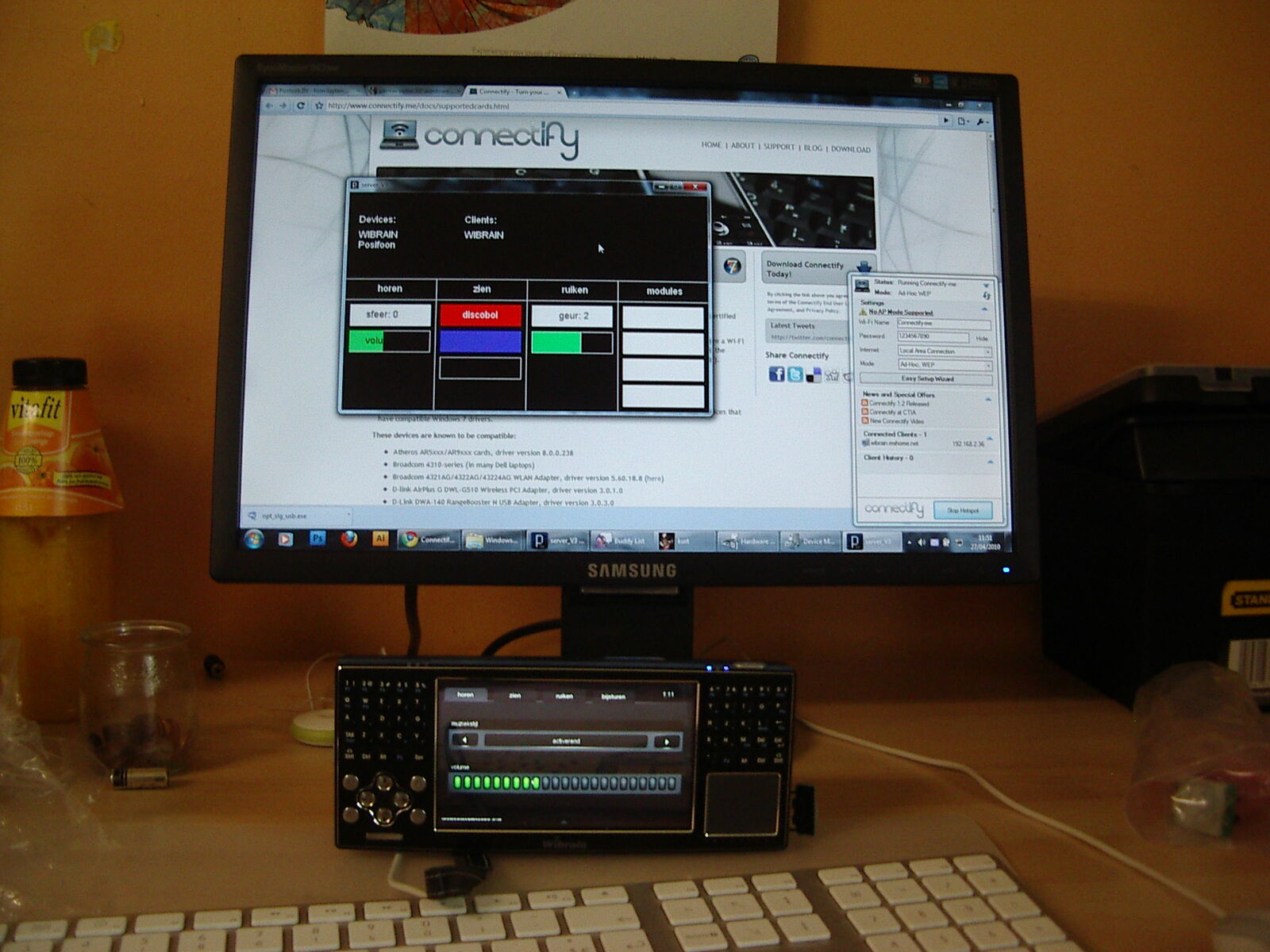
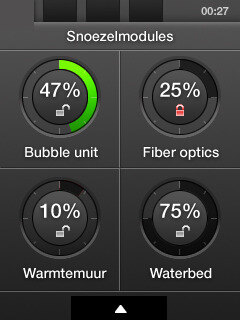
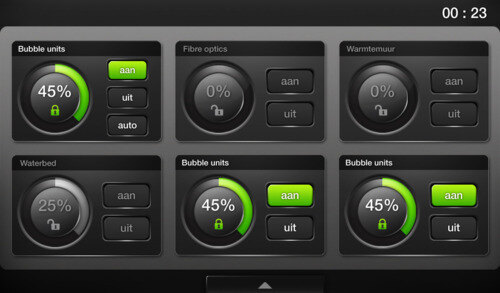
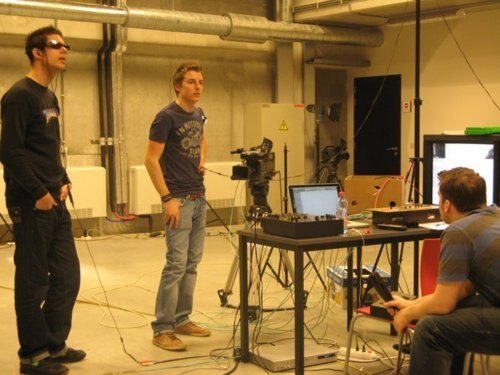
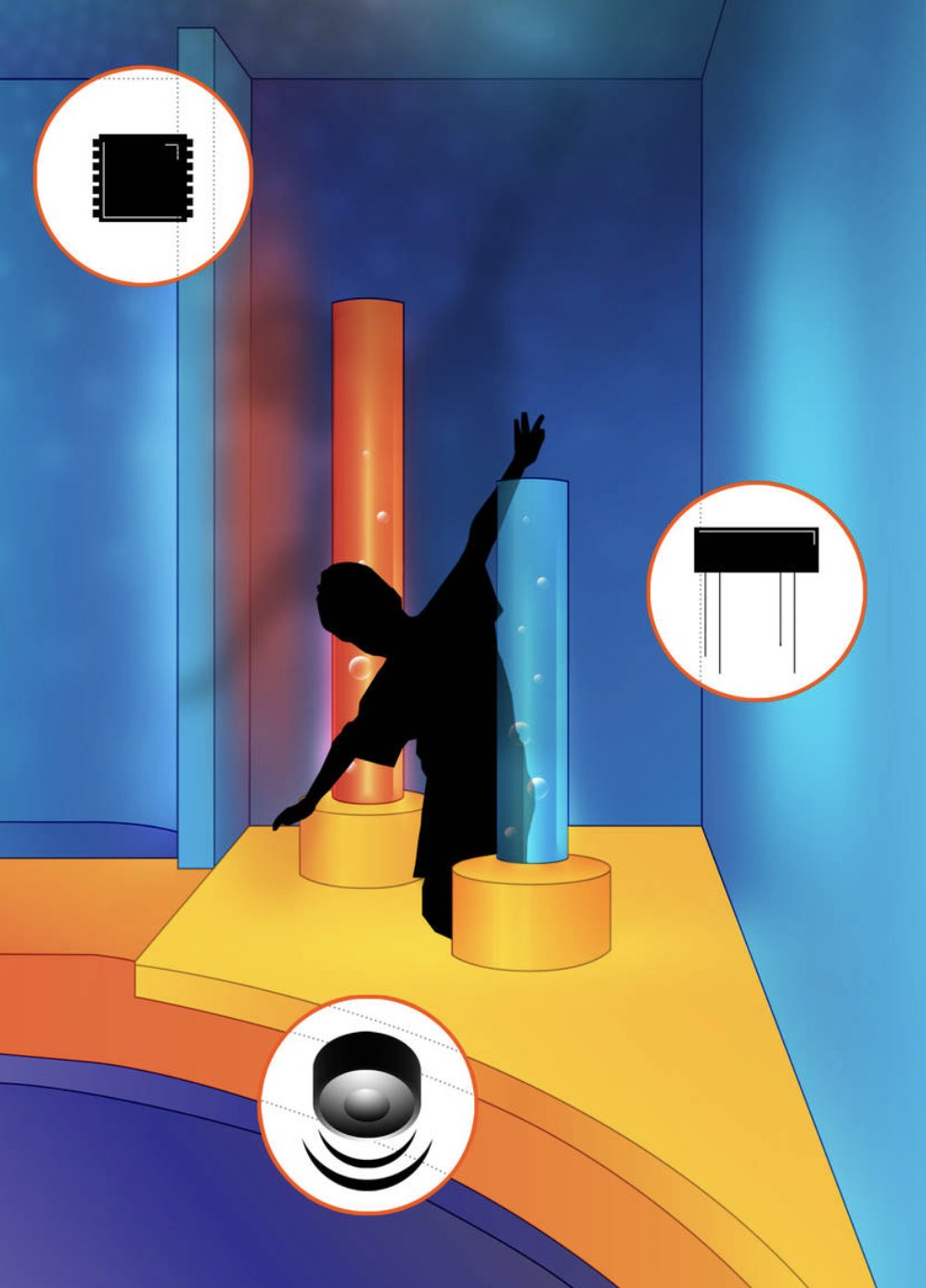 De intelligente snoezelruimteMaster thesis, LUCA School of Arts.research076
Master thesis on an interactive multi-sensory room. Graduated cum laude.
- Type
- Master thesis
- Where
- LUCA School of Arts
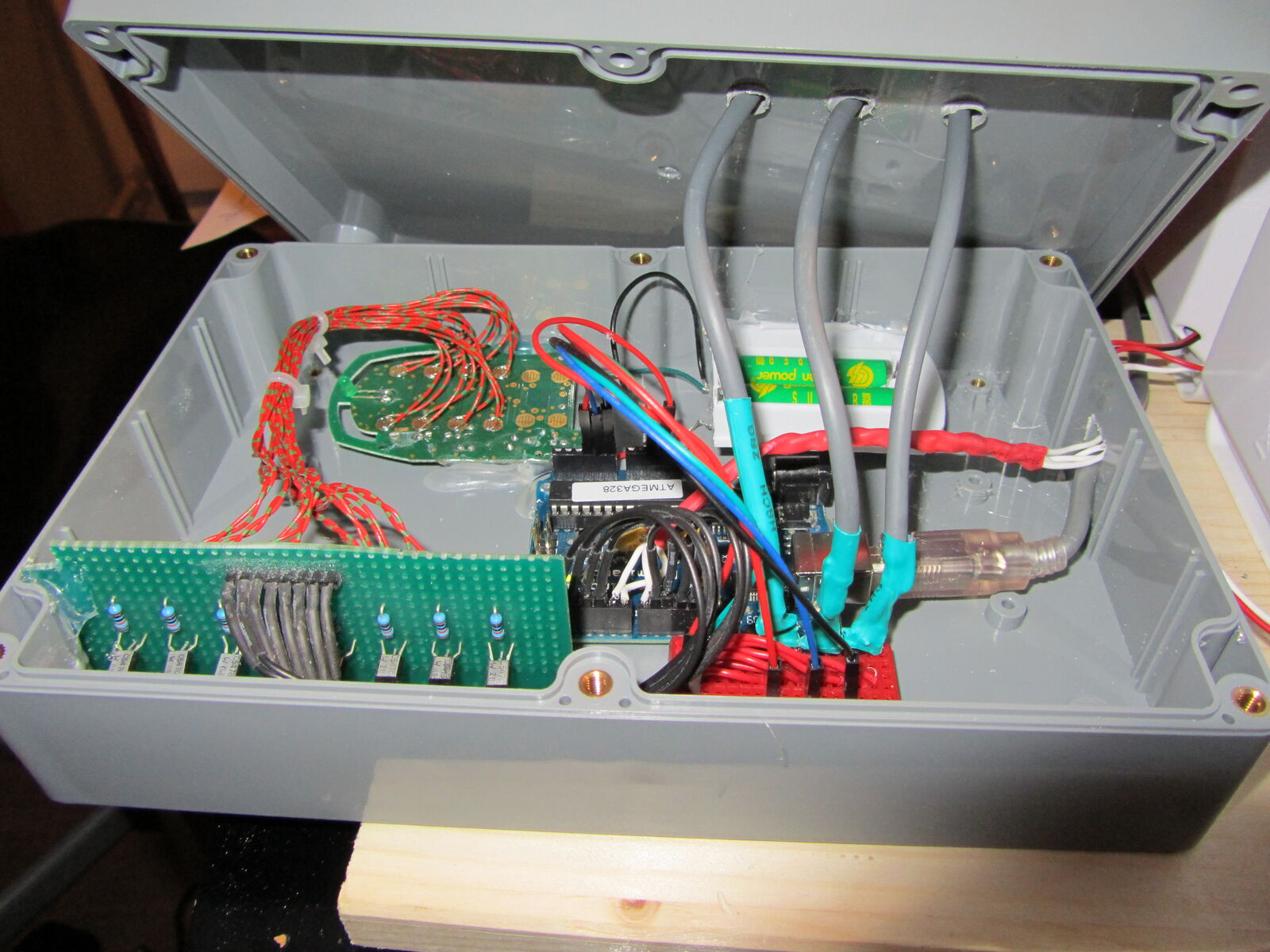
 Immersive theatre projectAn immersive theatre project with light and sensors.art077
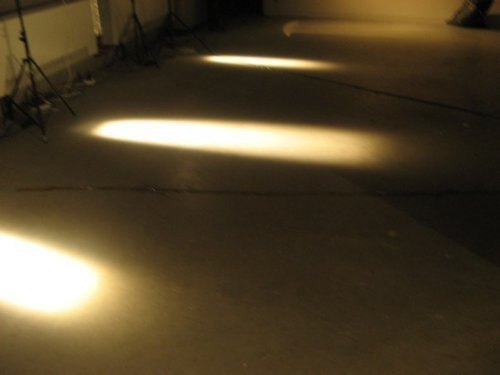
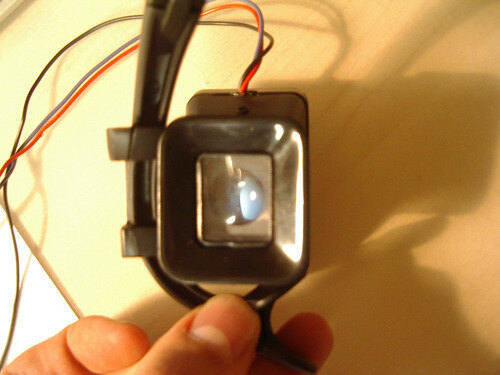
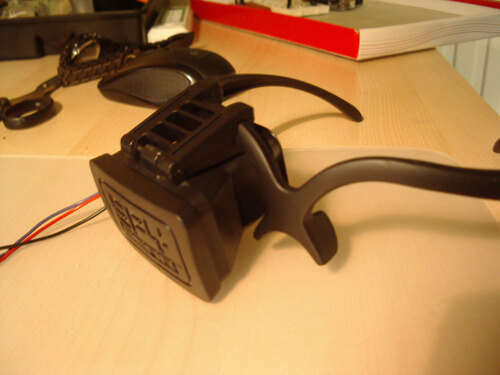
An immersive theatre project: spotlights on the floor, a camera and sound setup, and a wearable sensor built into a headset.
- Type
- Immersive theatre, prototype
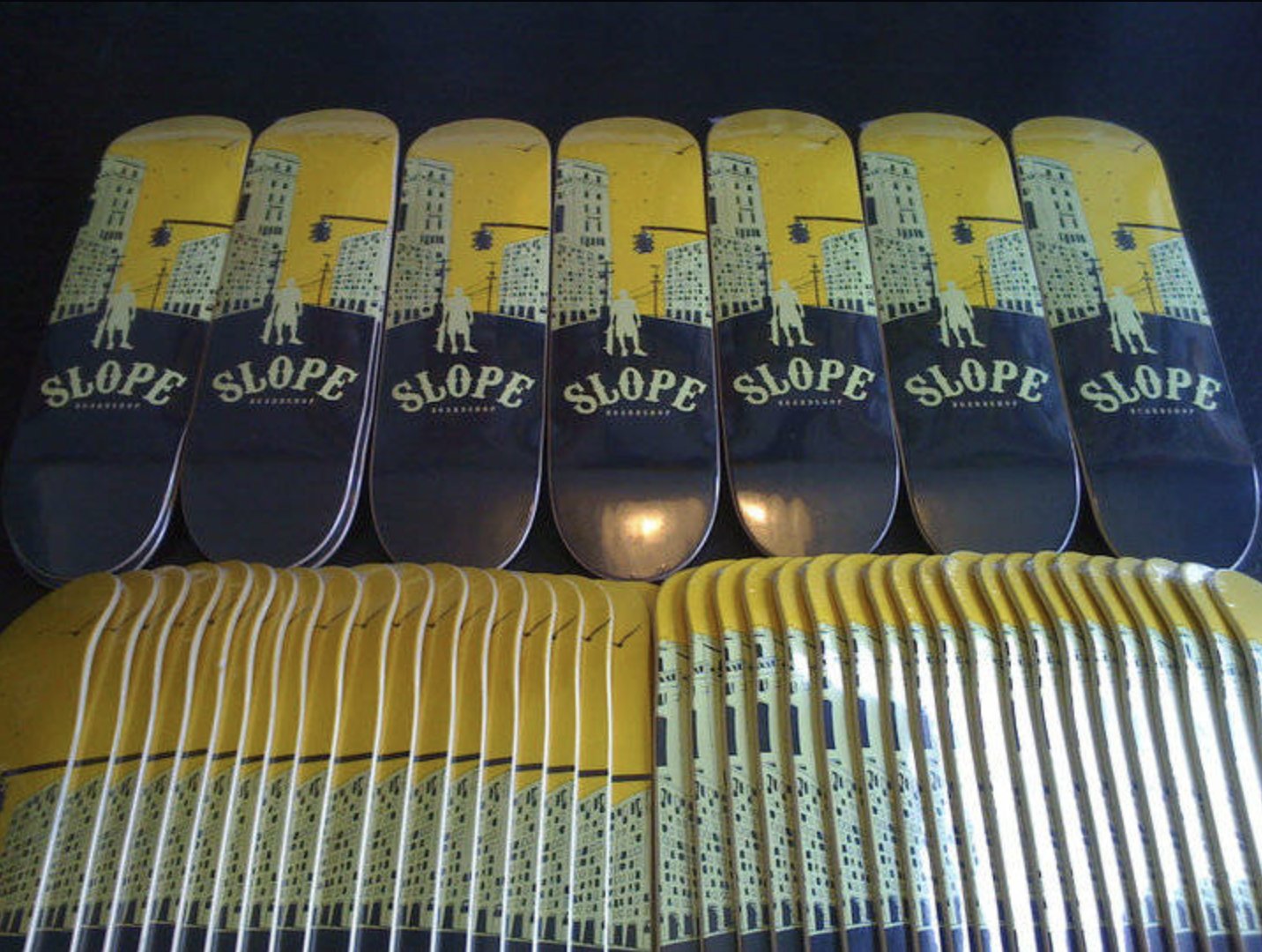
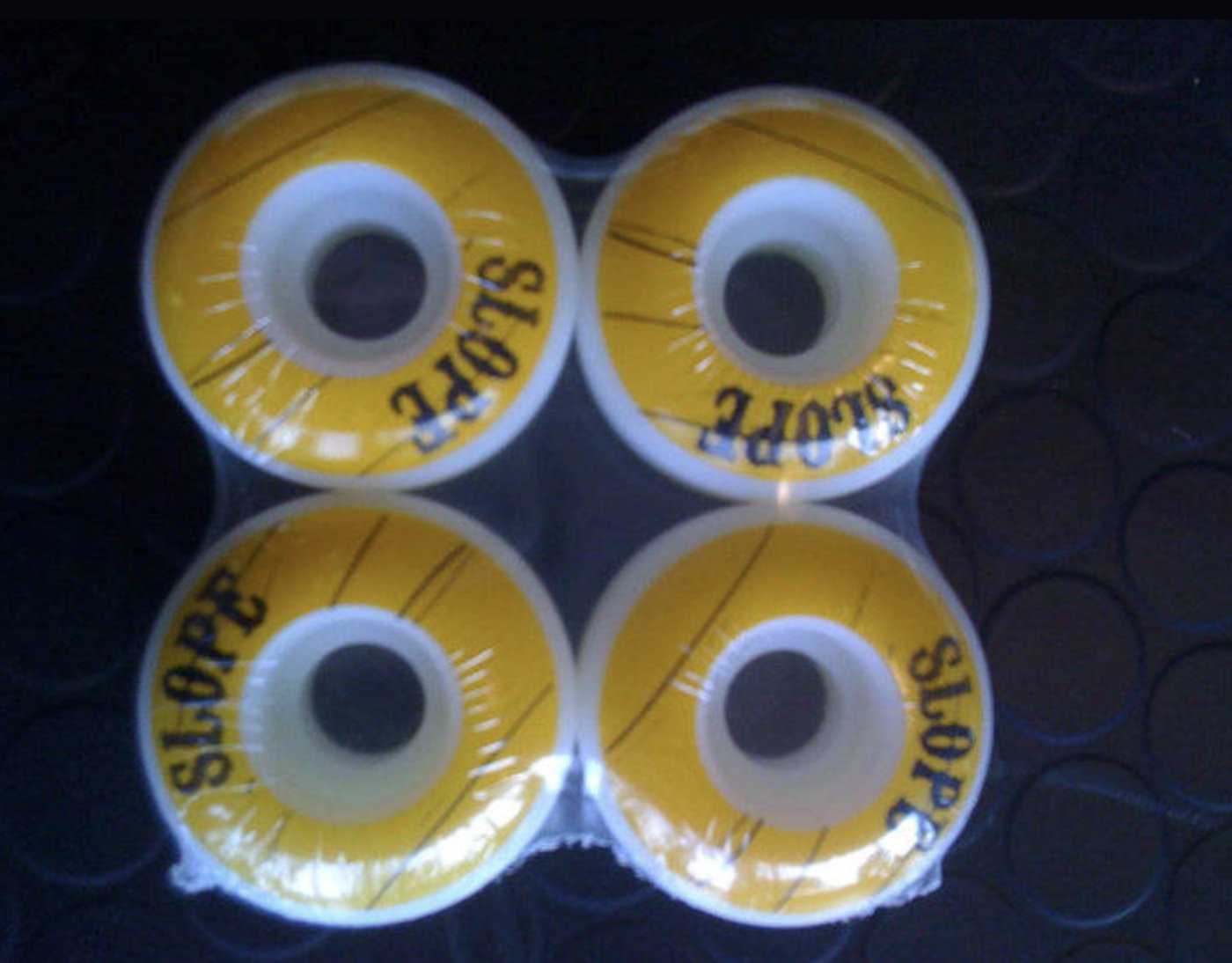
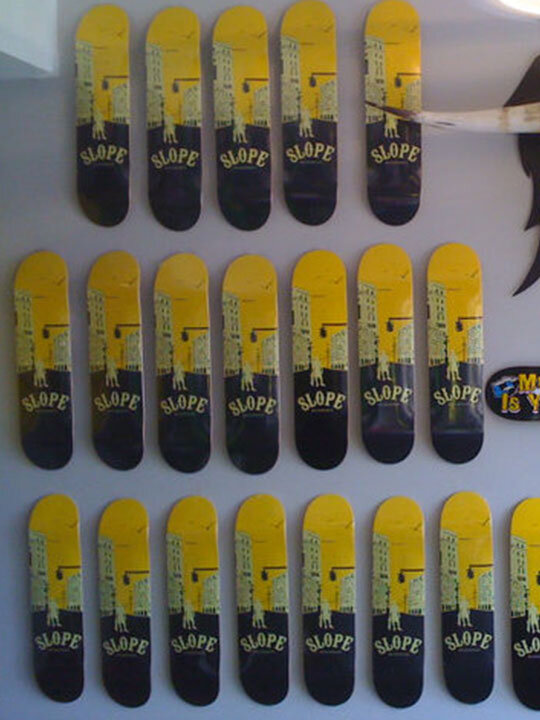
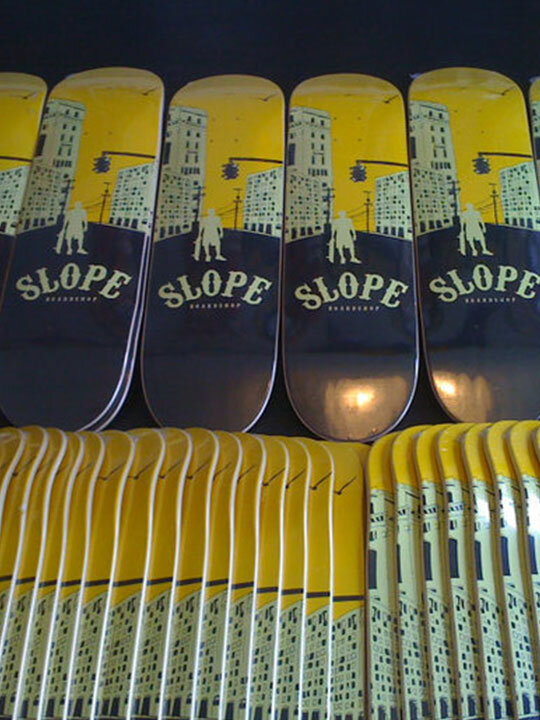
 Slope skateboard decks, version 1The first deck and wheels for Slope boardshop.design078
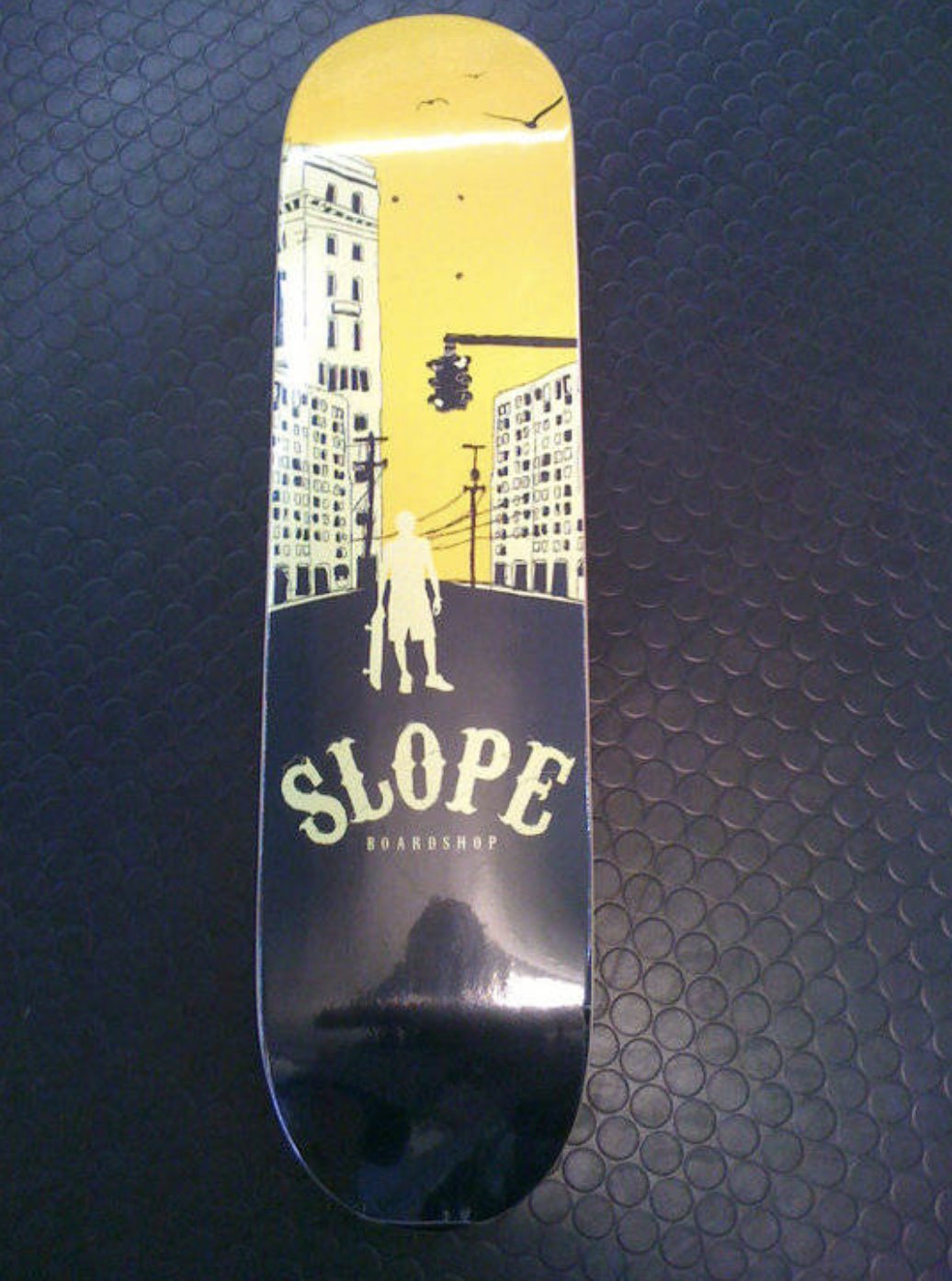
The first Slope deck: a lone skater in a city street, printed in yellow and black, with matching wheels.
- Type
- Illustration, product
- Client
- Slope boardshop, Tessenderlo
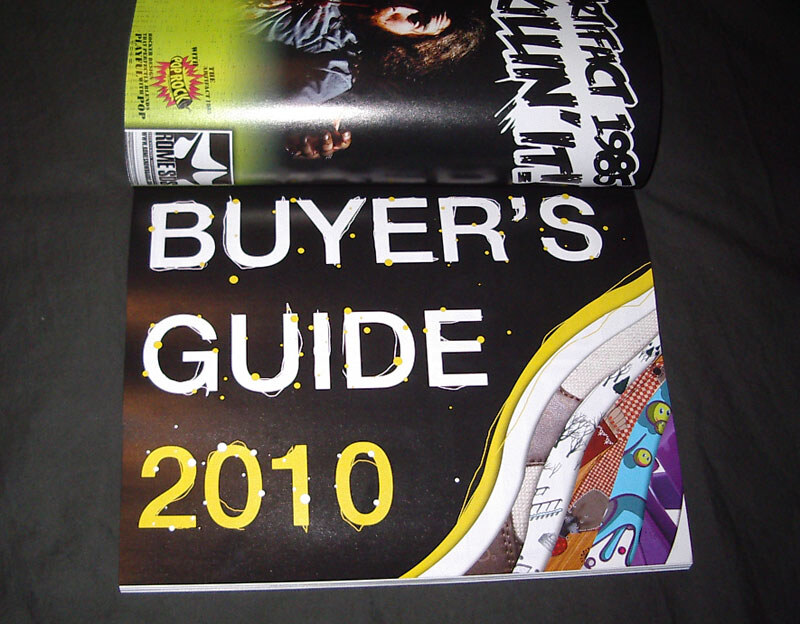 Freeze magazine, Buyer's Guide 2010Cover for a board sports magazine.design079
Cover design for the 2010 Buyer's Guide of Freeze magazine.
- Type
- Cover, editorial design
- Client
- Freeze magazine
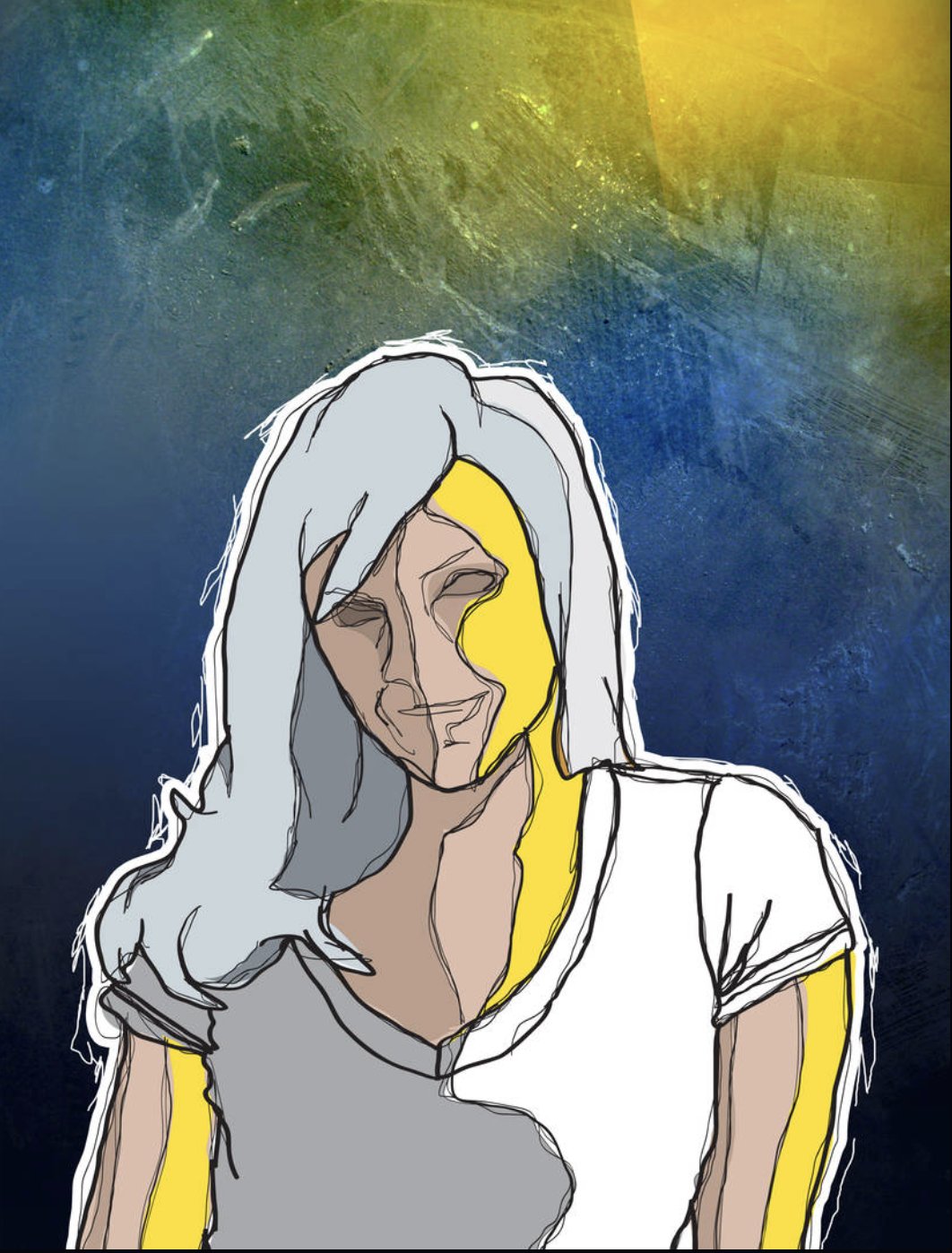
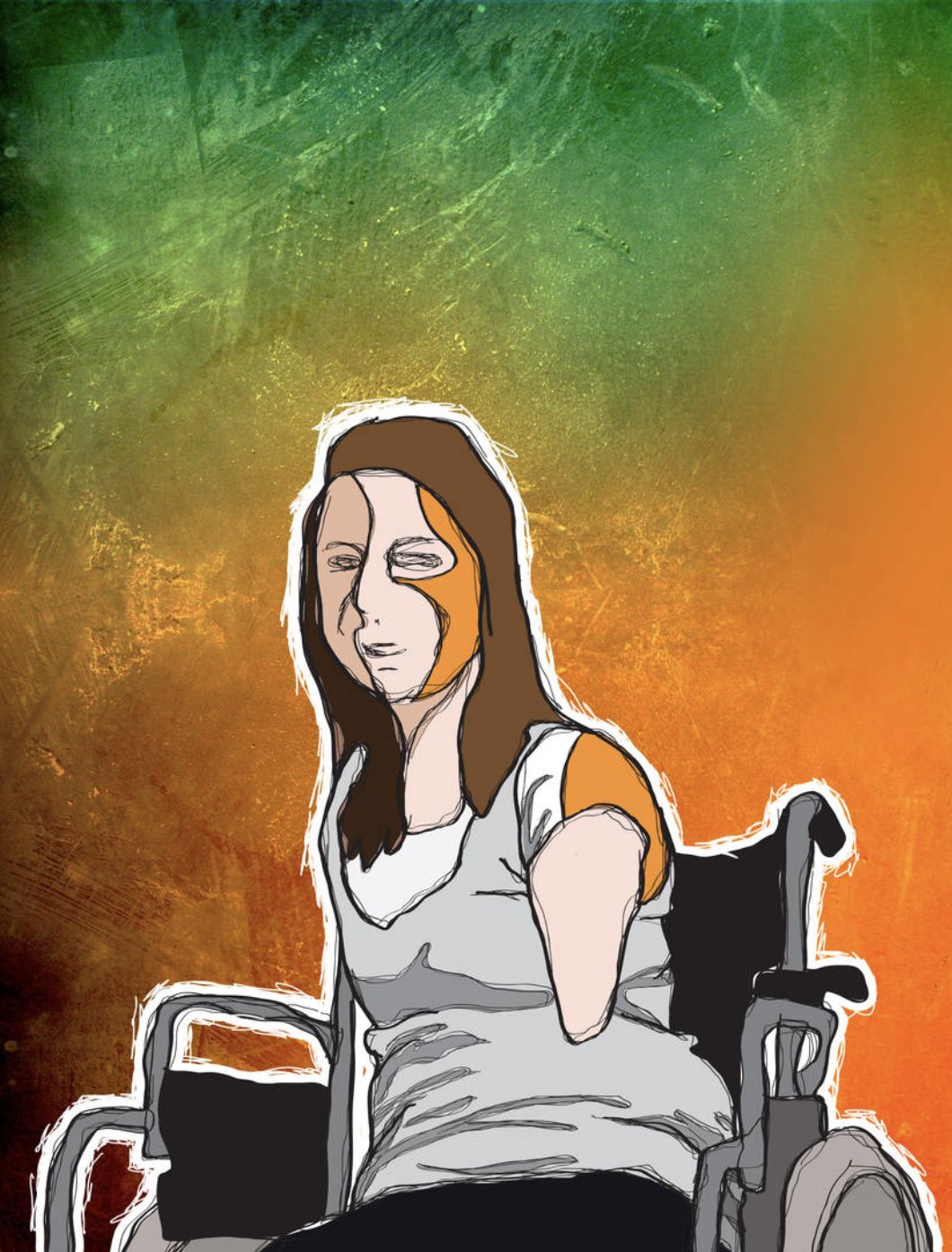
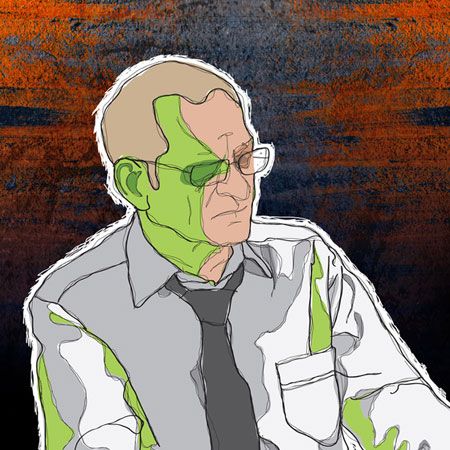 More than meets the eyePortraits with their tweets.art080
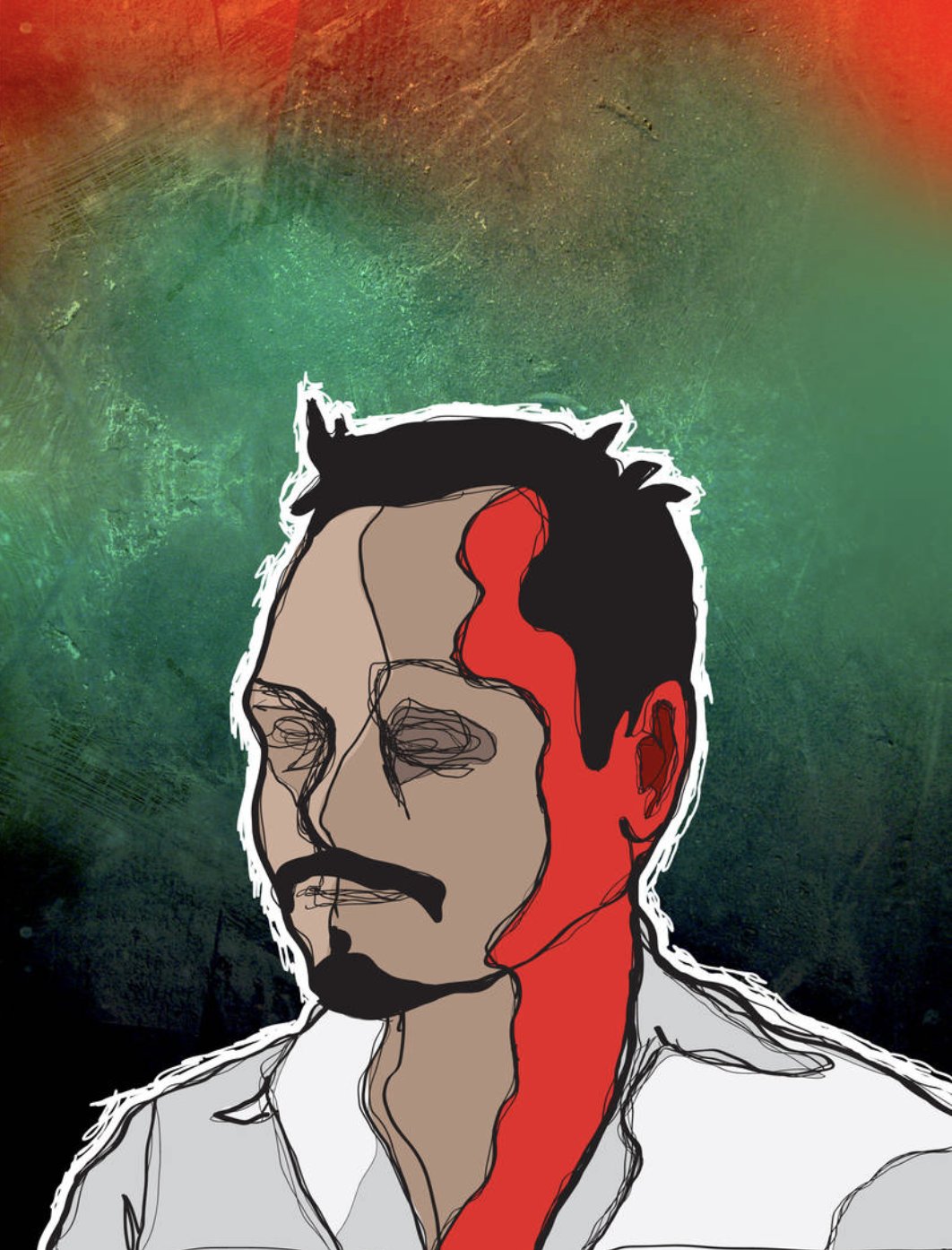
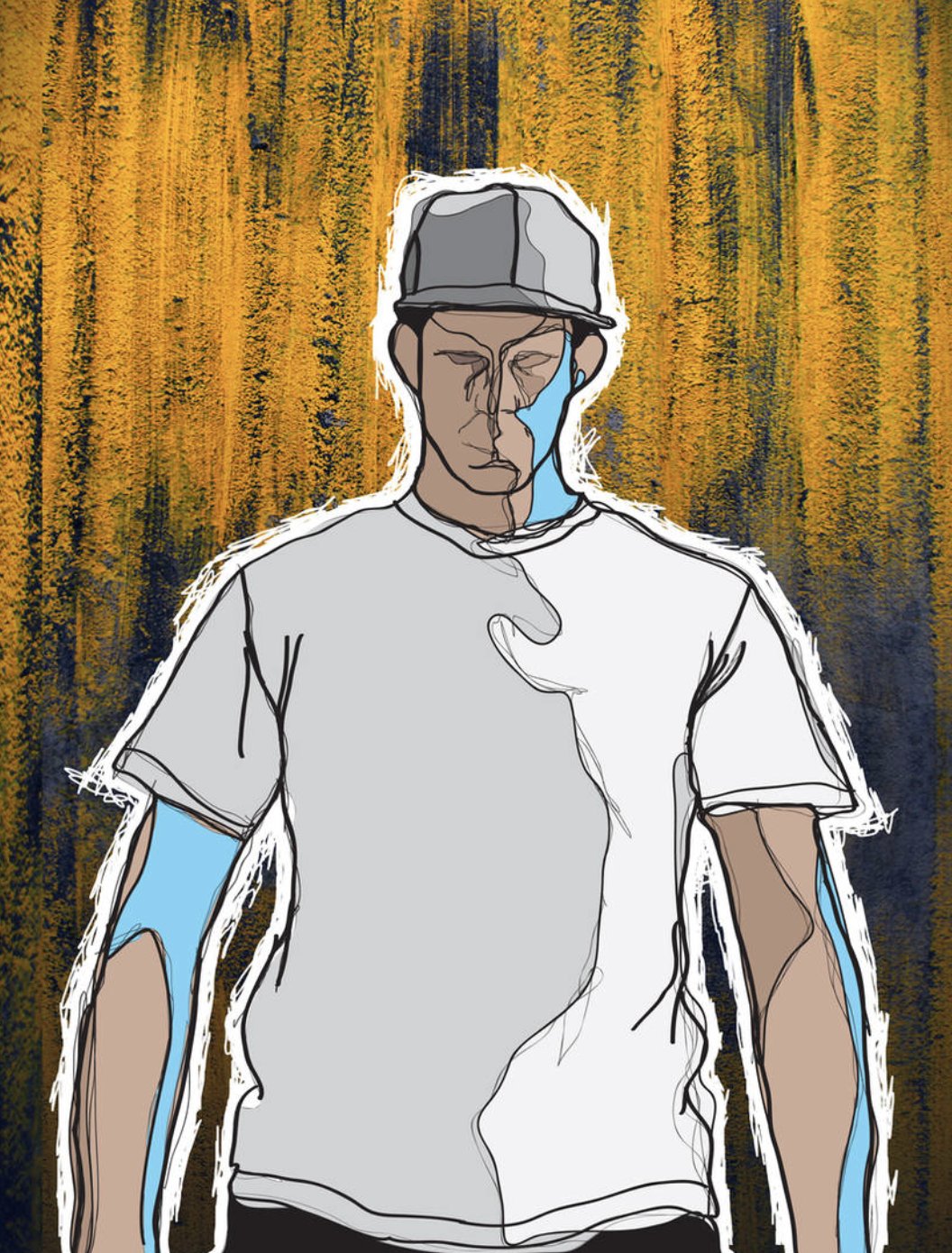
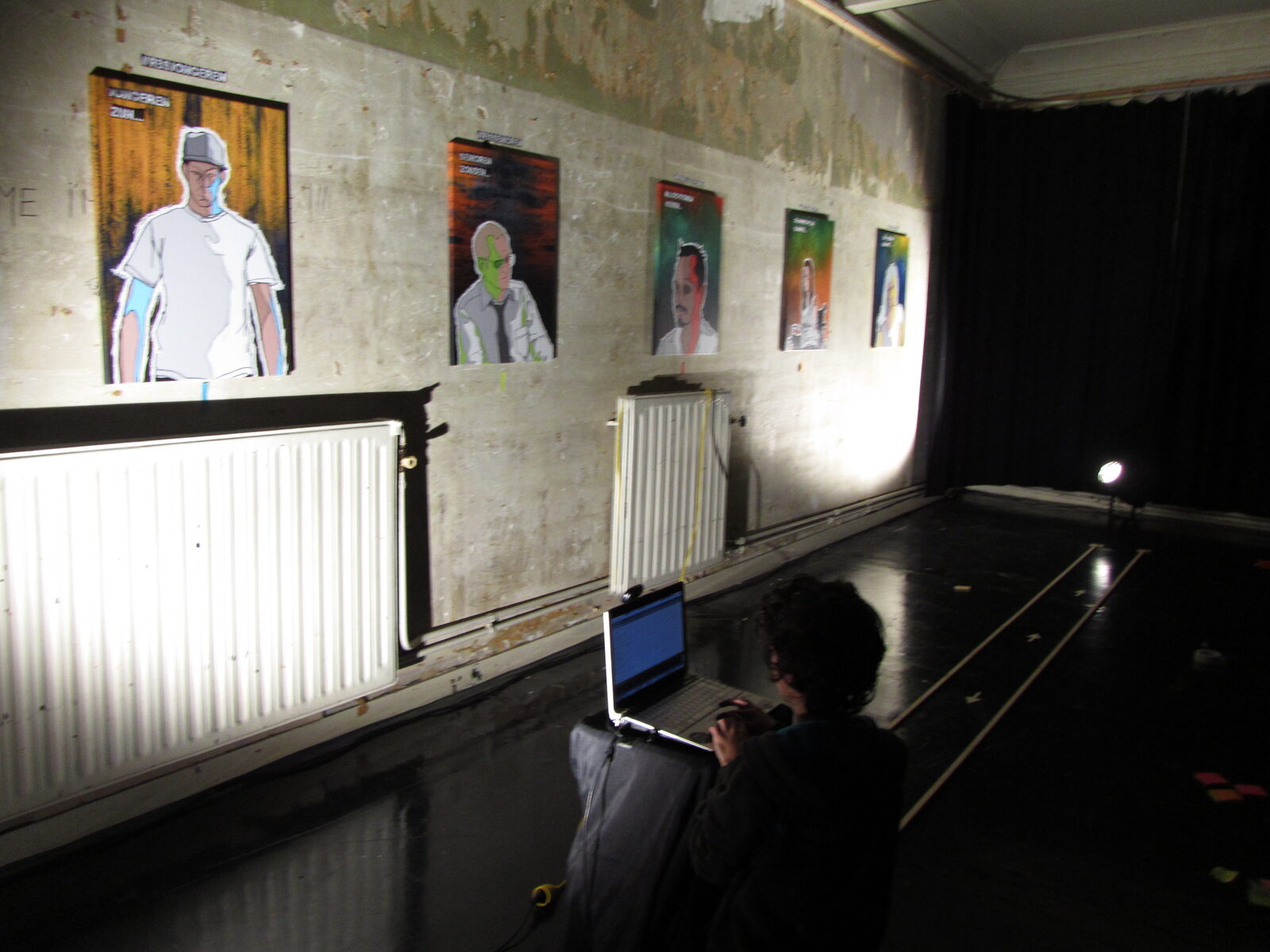
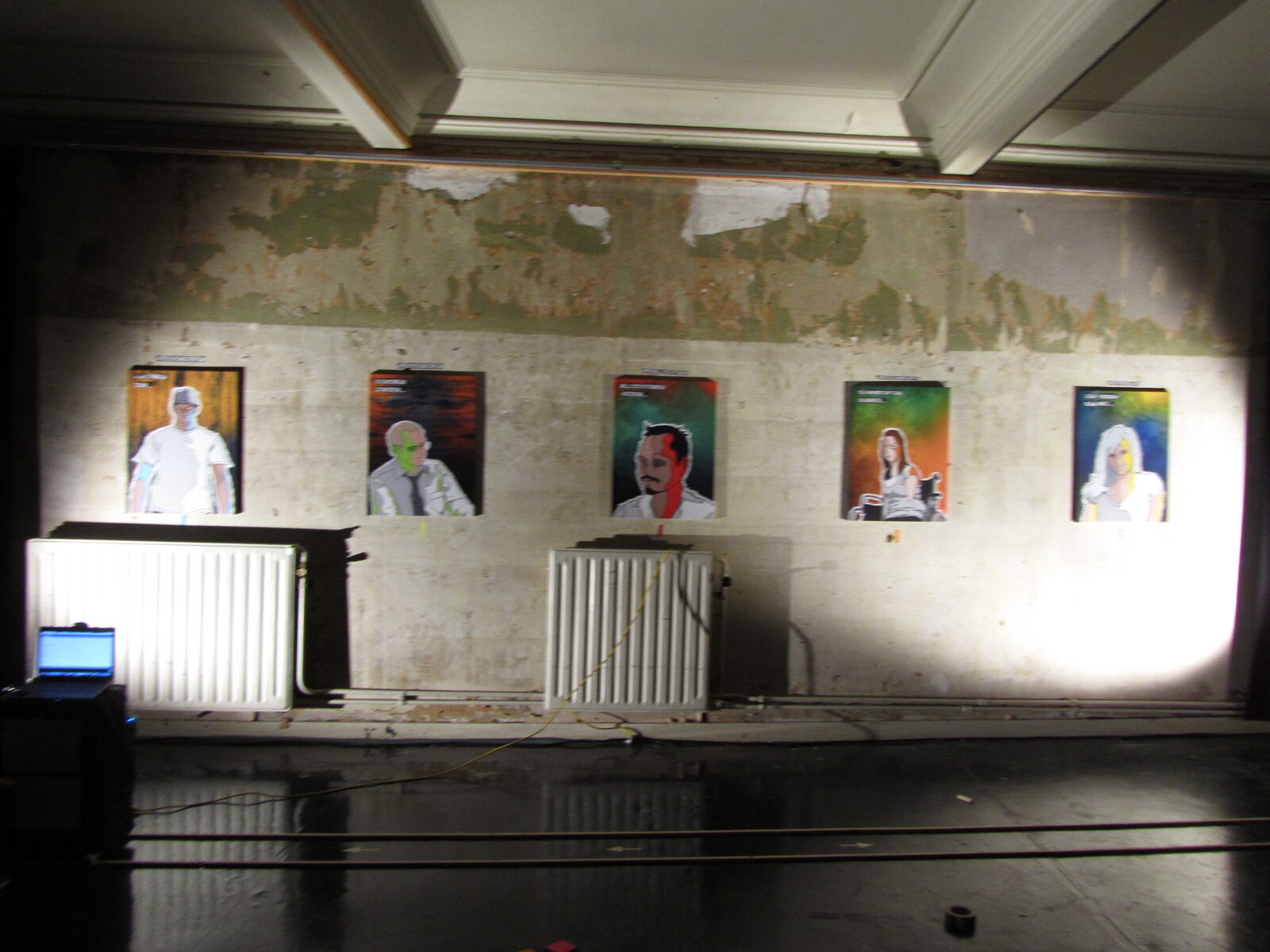
 SkindeepA serious game with shocks and heat.design081
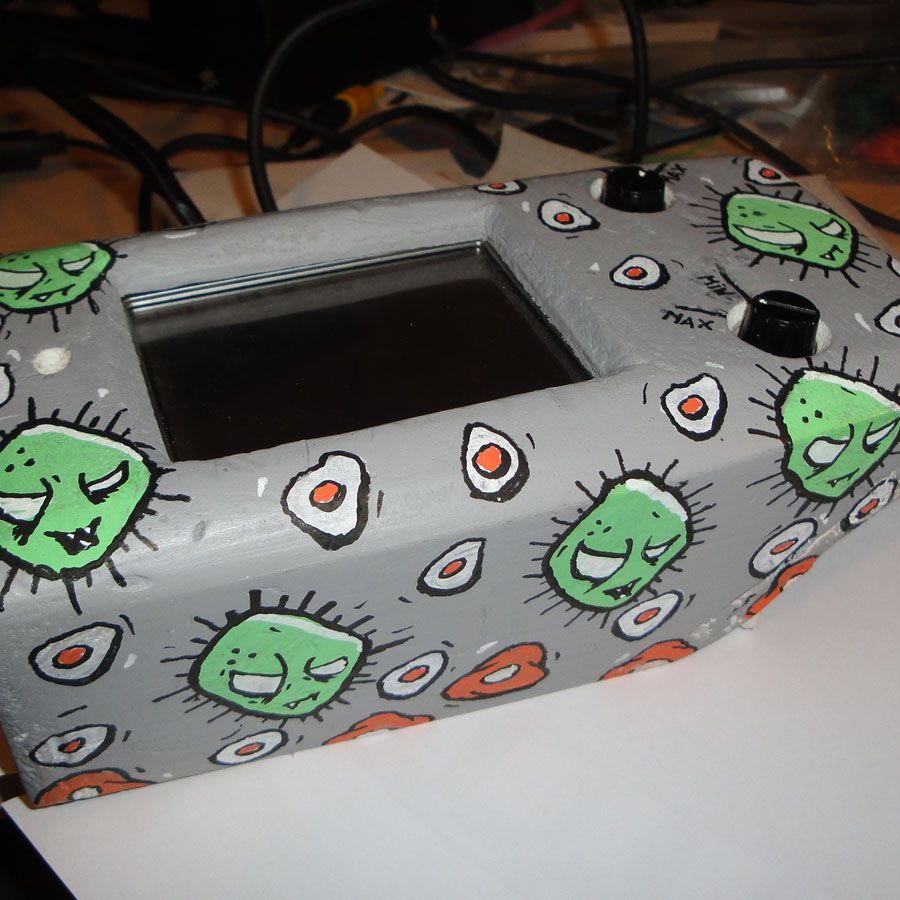
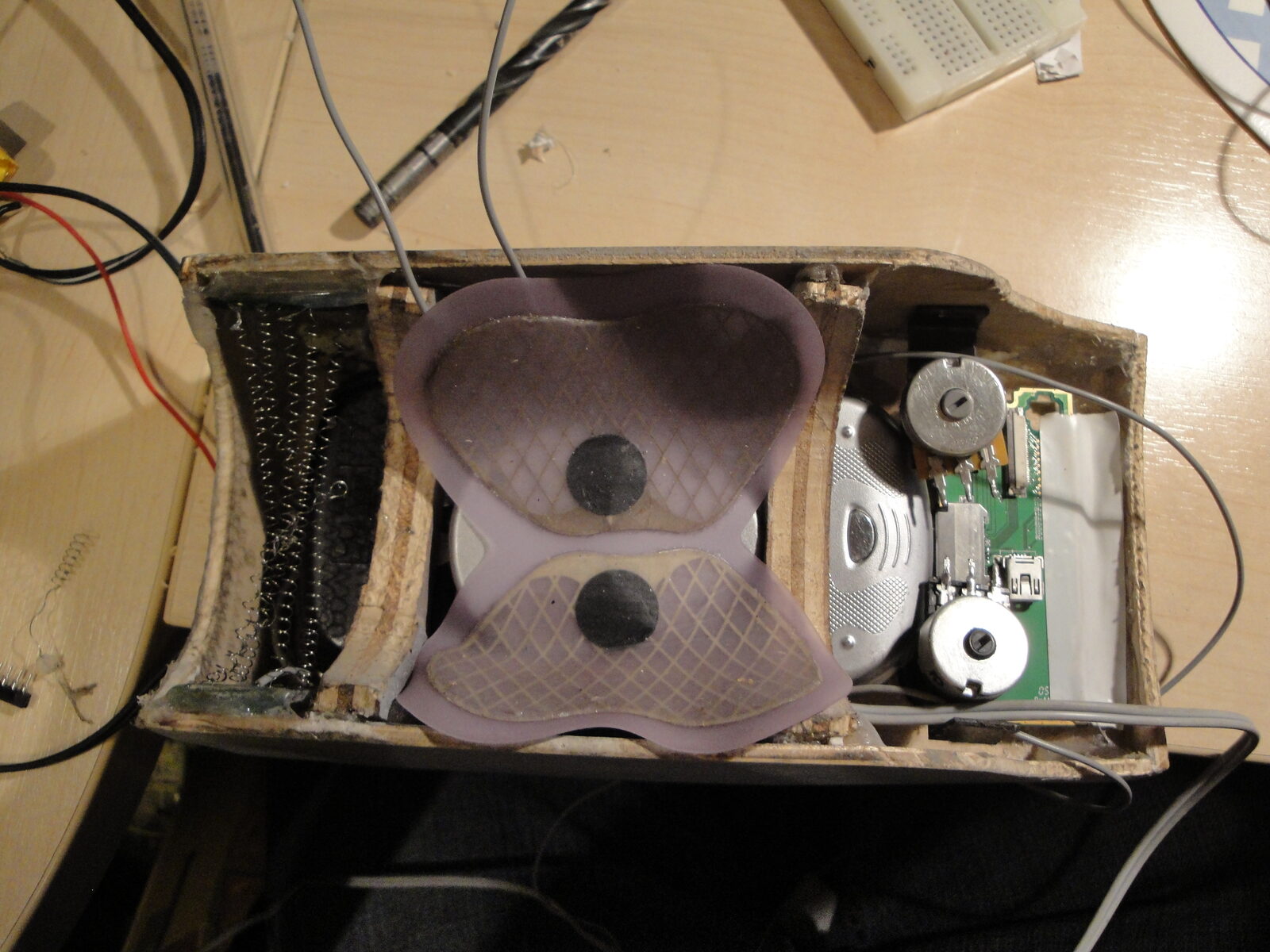
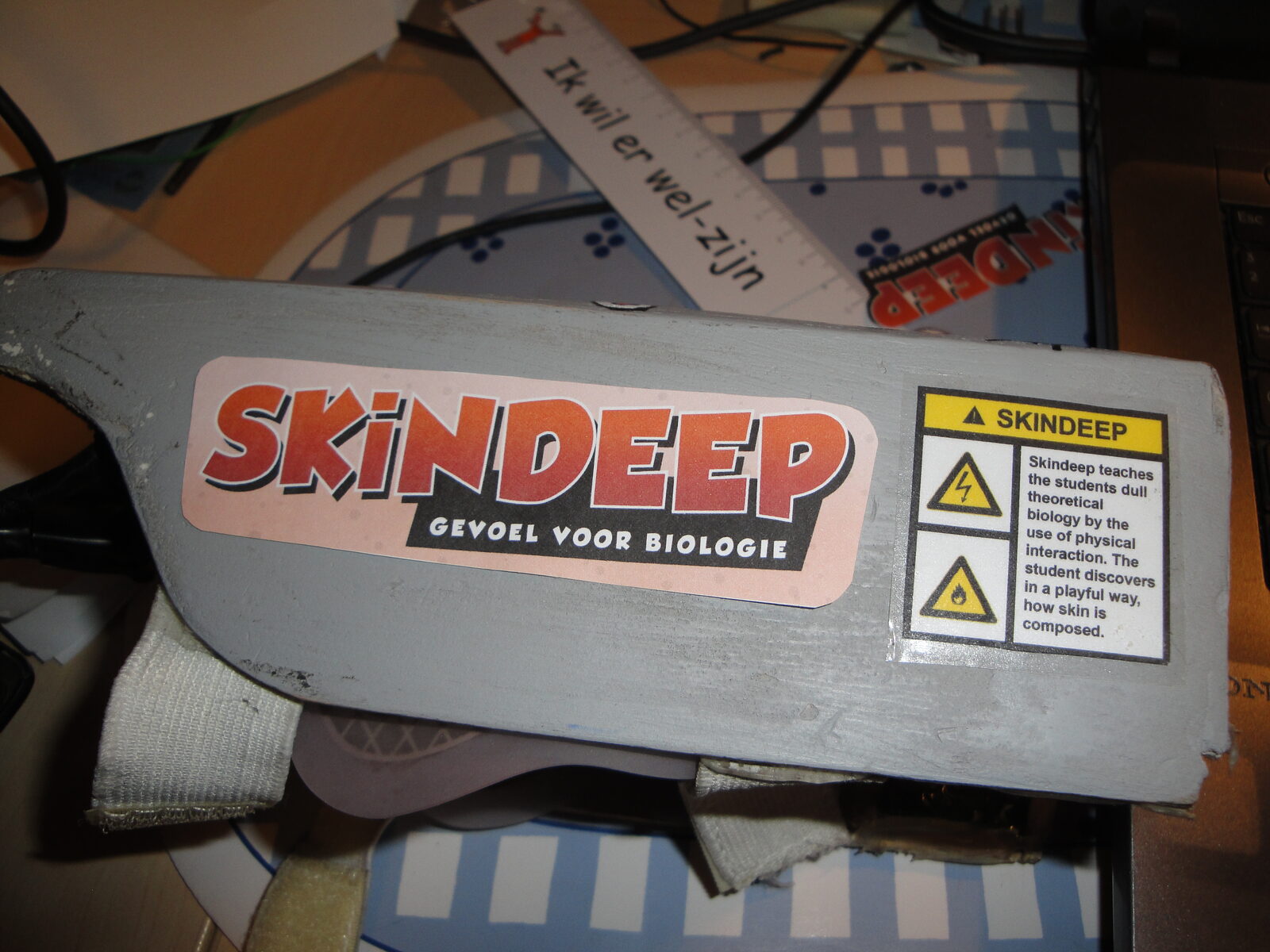
A serious game on a PDA that answers with small electric shocks and heat. Made at Media and Design Academy Genk.
- Type
- Serious game
- With
- Niels Quinten, Danny Leen, Thomas Lammers, Olivier Berger
- 2009
 Blade, Lambs To The SlaughterA 7-inch EP on Ugly And Proud Records.music082
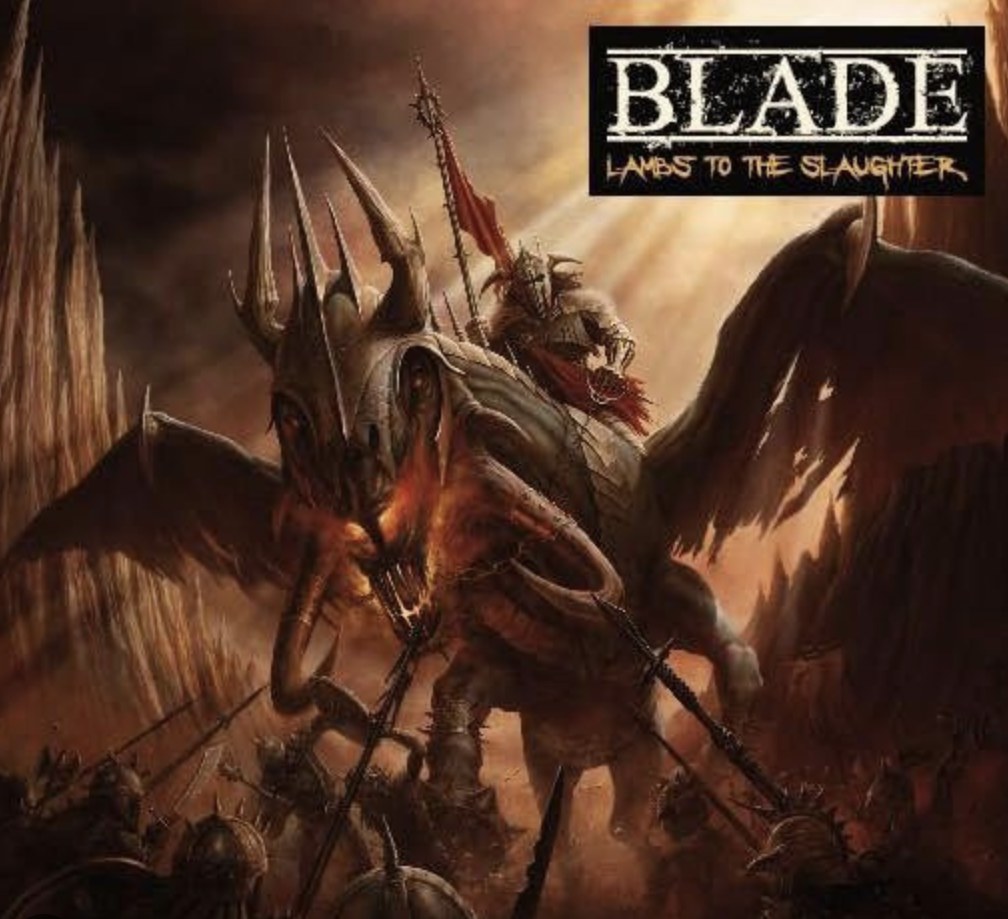
Four songs of hardcore punk, recorded at Midas Studios in Lokeren in January and February 2009. Hans "Liar" Verbeke joins as guest vocalist. I played bass.
Declaration, Stalemate / Give In, Consumed By Hate, Lambs To The Slaughter.
- Type
- 7-inch vinyl, EP
- Band
- Blade (2007 to 2012)
- Role
- Bass
- Line-up
- Colin Celis, Tom Luyten, Joey Steyls, Jan Jouck, Timmy Steyls
- Label
- Ugly And Proud Records, U&P004
- Recorded
- Tony De Block, Midas Studios, Lokeren
- Style
- Hardcore, punk
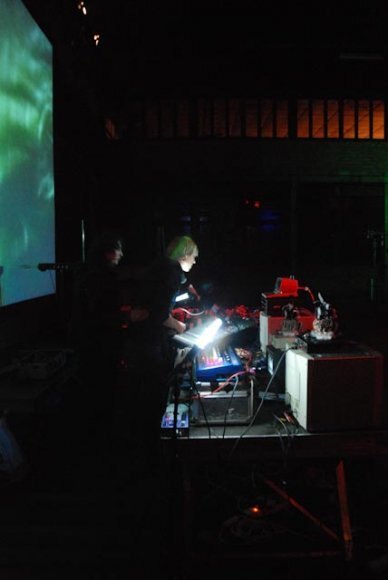
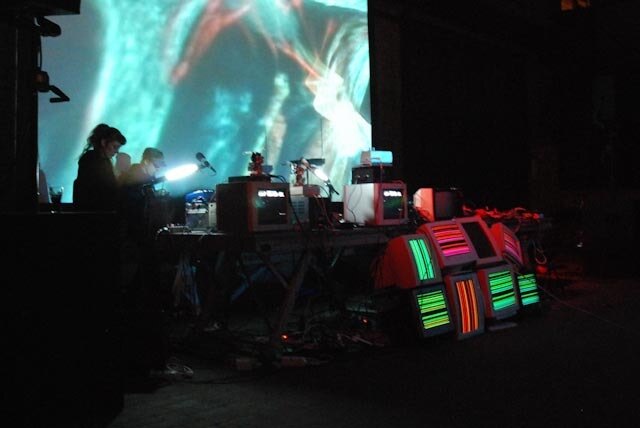 Vermin Twins, live visualsLive visuals for a performance in Hasselt.art083
Live visuals for a performance by Vermin Twins in Hasselt: projections behind the stage and a wall of old monitors.
- Type
- Live visuals, performance
- Where
- Hasselt
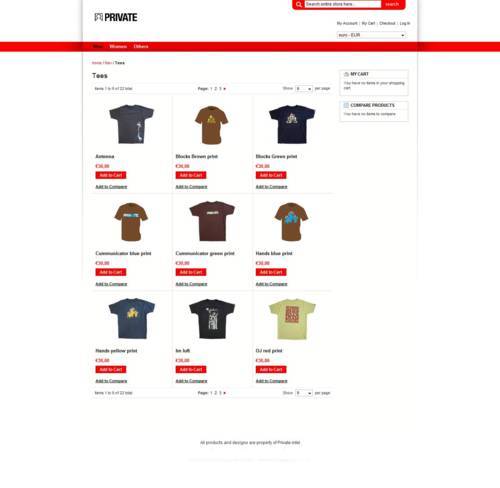
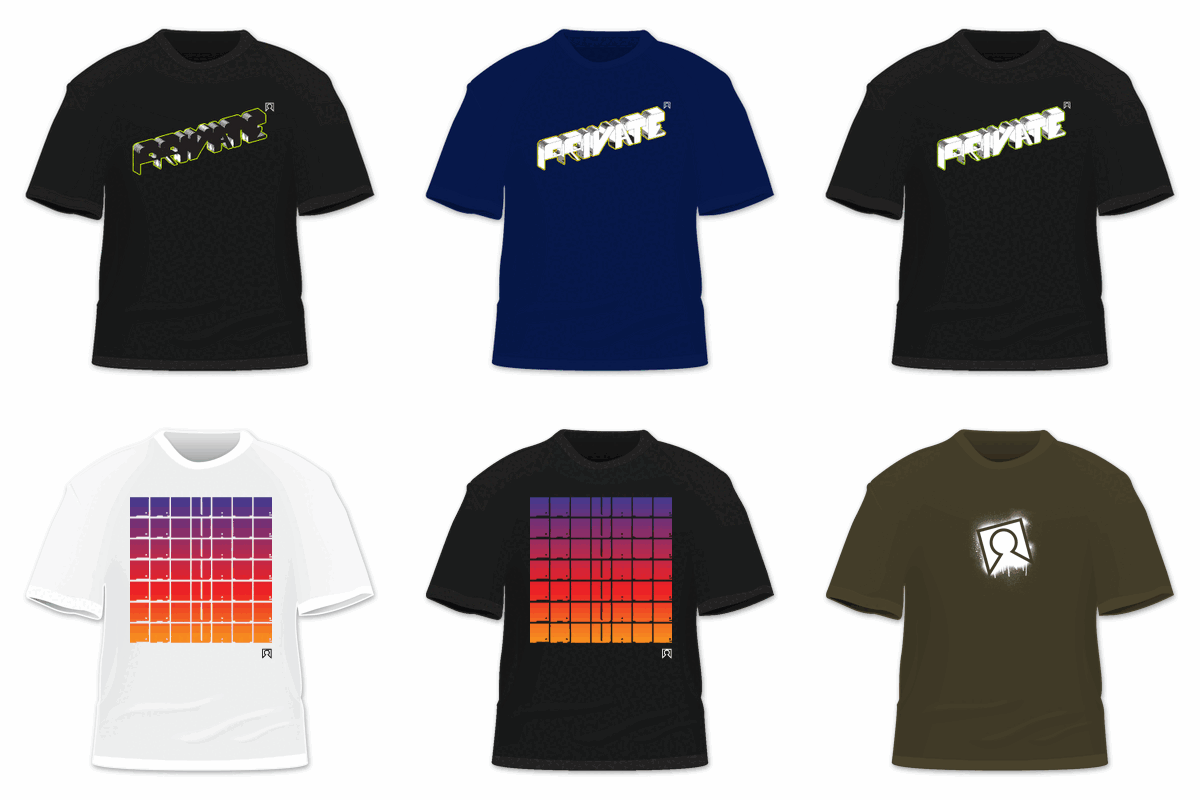 Private shirtsT-shirt designs for Private.design084
A series of T-shirt designs for the Belgian clothing brand Private: the stretched logo, a colour-gradient grid and a spray-painted logo, each in several colourways.
- Type
- Apparel, T-shirts
- Client
- Private
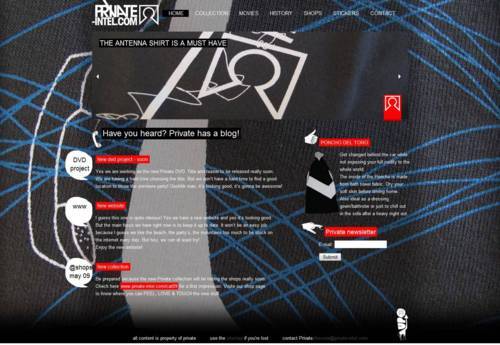
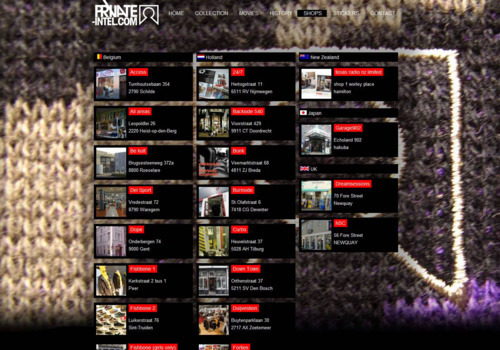
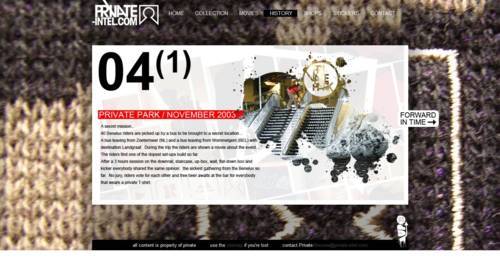
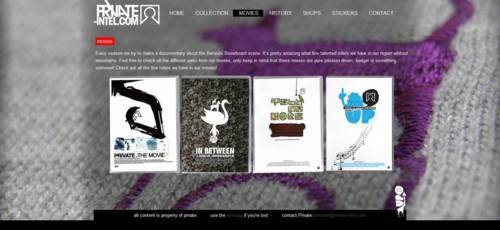
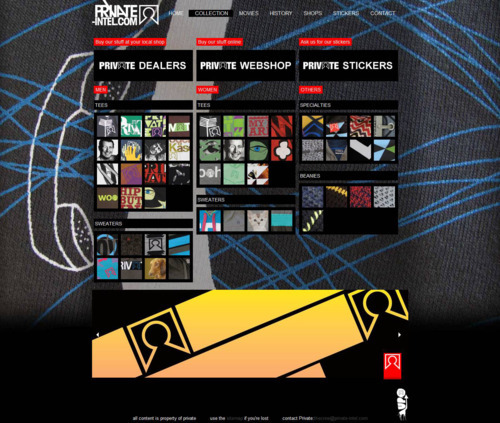 Private clothing websiteWebsite and webshop for Private.design085
Website for the clothing brand Private (private-intel.com): collection, movies, history, a list of shops in Belgium, the Netherlands, New Zealand, Japan and the UK, stickers, and a separate webshop.
- Type
- Webdesign, webshop
- Client
- Private
- 2007
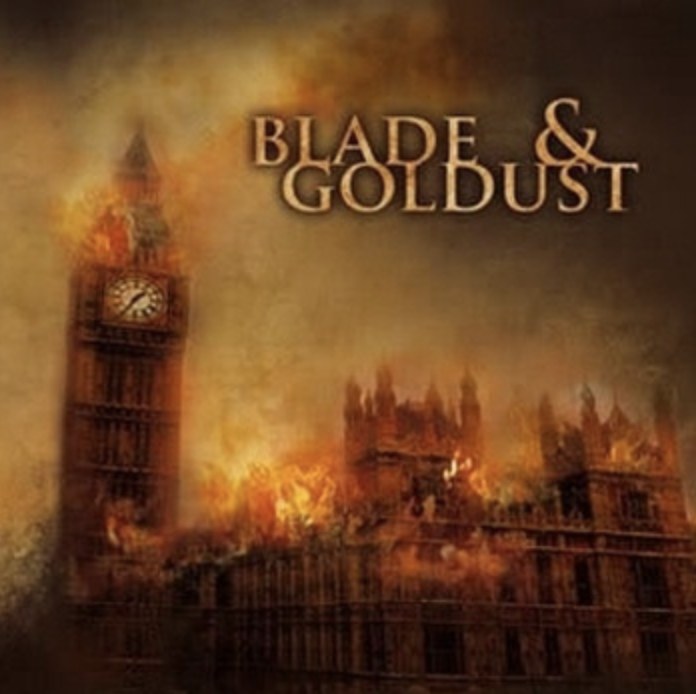 Blade, split with GoldustA split 10-inch with the German band Goldust.music086
The first Blade release: a split record with Goldust on Break Out Records, Germany, in a limited and numbered edition. I played bass.
Blade: Intro, The Scythe, HCM, Reality, Foul. Goldust: Speaking Tongues, Failed, Hellsent, Burn Cold, Snakepit.
- Type
- 10-inch vinyl, split, limited edition
- Band
- Blade (2007 to 2012)
- Role
- Bass
- Label
- Break Out Records, BXO-007
- Style
- Hardcore
- Country
- Germany
- 2006
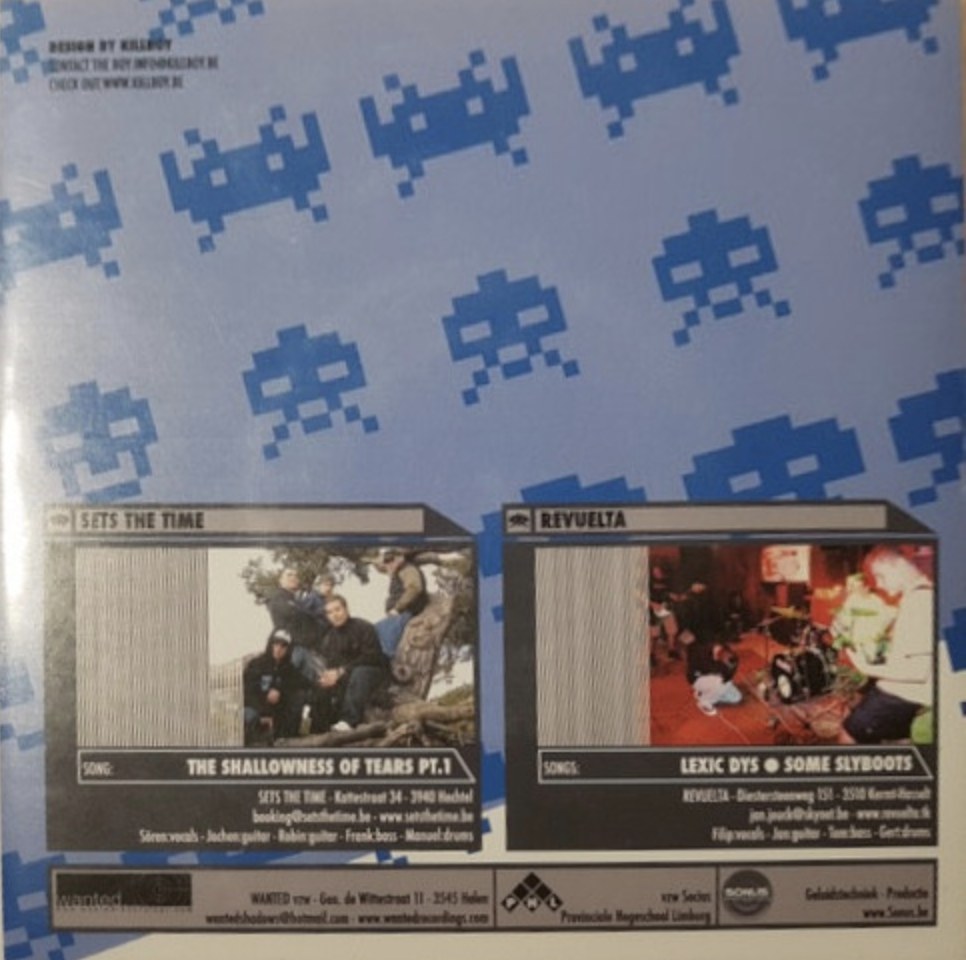
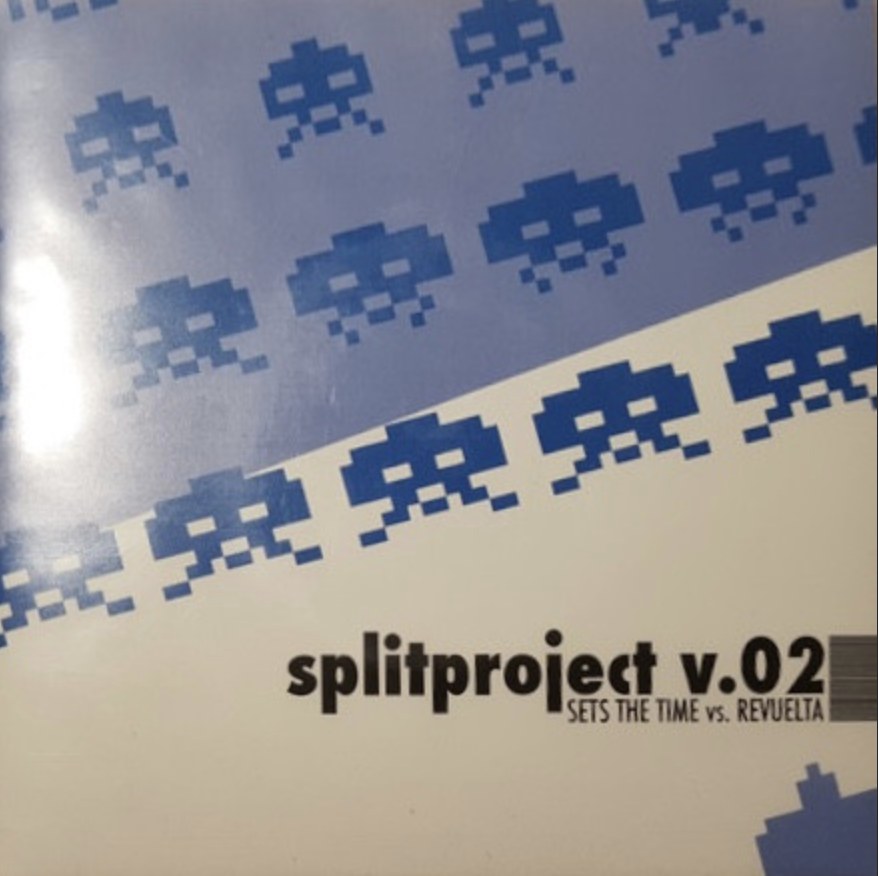 Revuelta, Split Project V.02Split 7-inch with Sets The Time.music087
In 2006 I played bass in Revuelta. We shared this split 7-inch with Sets The Time, the second part of the Split Project series by Wanted Recordings.
Side A, Sets The Time: The Shallowness Of Tears Pt. 1. Side B, Revuelta: Lexic Dys, Some Slyboots.
Limited edition on black vinyl, with six colour variations of the cover. This is the blue one.
- Type
- Vinyl, 7-inch, limited edition
- Band
- Revuelta
- Role
- Bass
- Line-up
- Philippe van Samang, Jan Jouck, Tom Luyten, Gert
- Label
- Wanted Recordings, WNTD009
- Style
- Emo, metalcore, post-hardcore
- Country
- Belgium
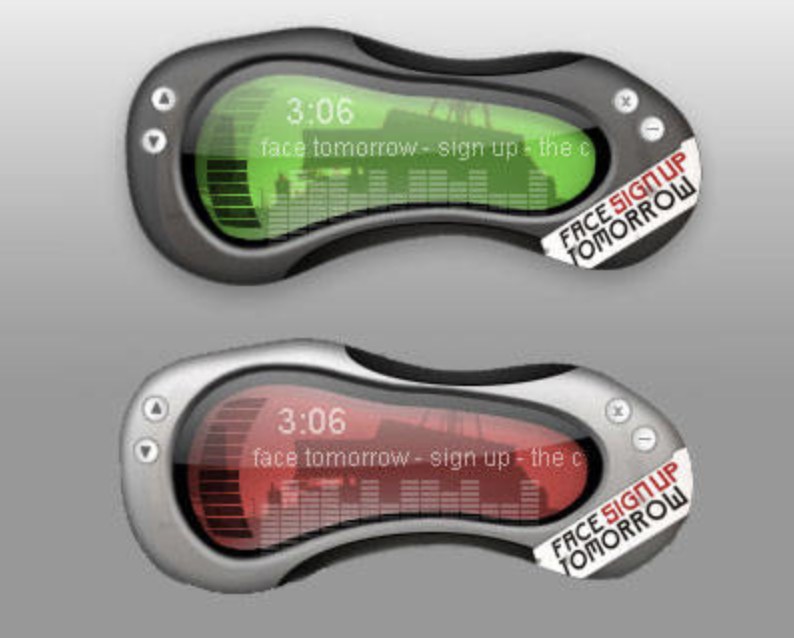 Face Tomorrow Winamp skinA Winamp skin for the band Face Tomorrow, for their single Sign Up.design088
A custom Winamp skin for Face Tomorrow, an indie punk rock band from Rotterdam, built around their single Sign Up from the album The Closer You Get. It came in two colourways, green and red, and fans could download it from the band's website.
- Type
- Interface, skin
- Client
- Face Tomorrow, Rotterdam
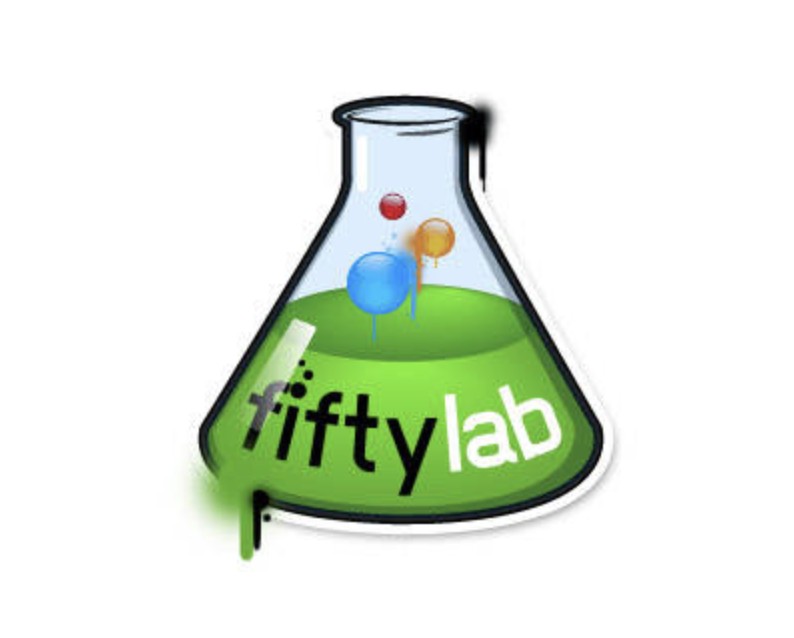 FiftyLab logoThe first FiftyLab logo.design089
The first logo for FiftyLab: a lab flask with green liquid and floating bubbles.
- Type
- Logo, identity
- 2005
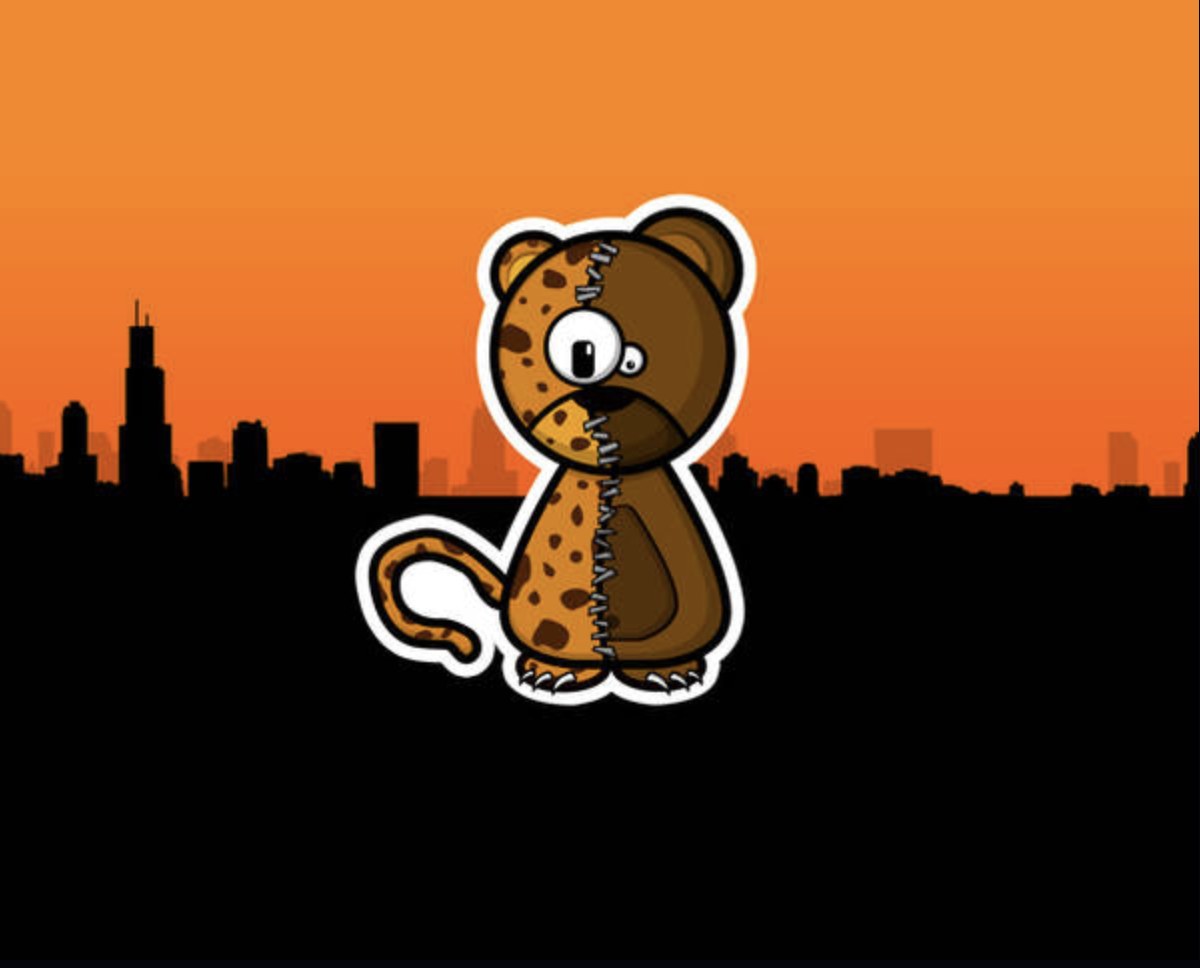 Half bear, half tiger illustrationAn early vector character.design090
An early vector illustration: a creature that is half bear, half tiger, stitched together down the middle, in front of a city skyline.
- Type
- Illustration
- 2004
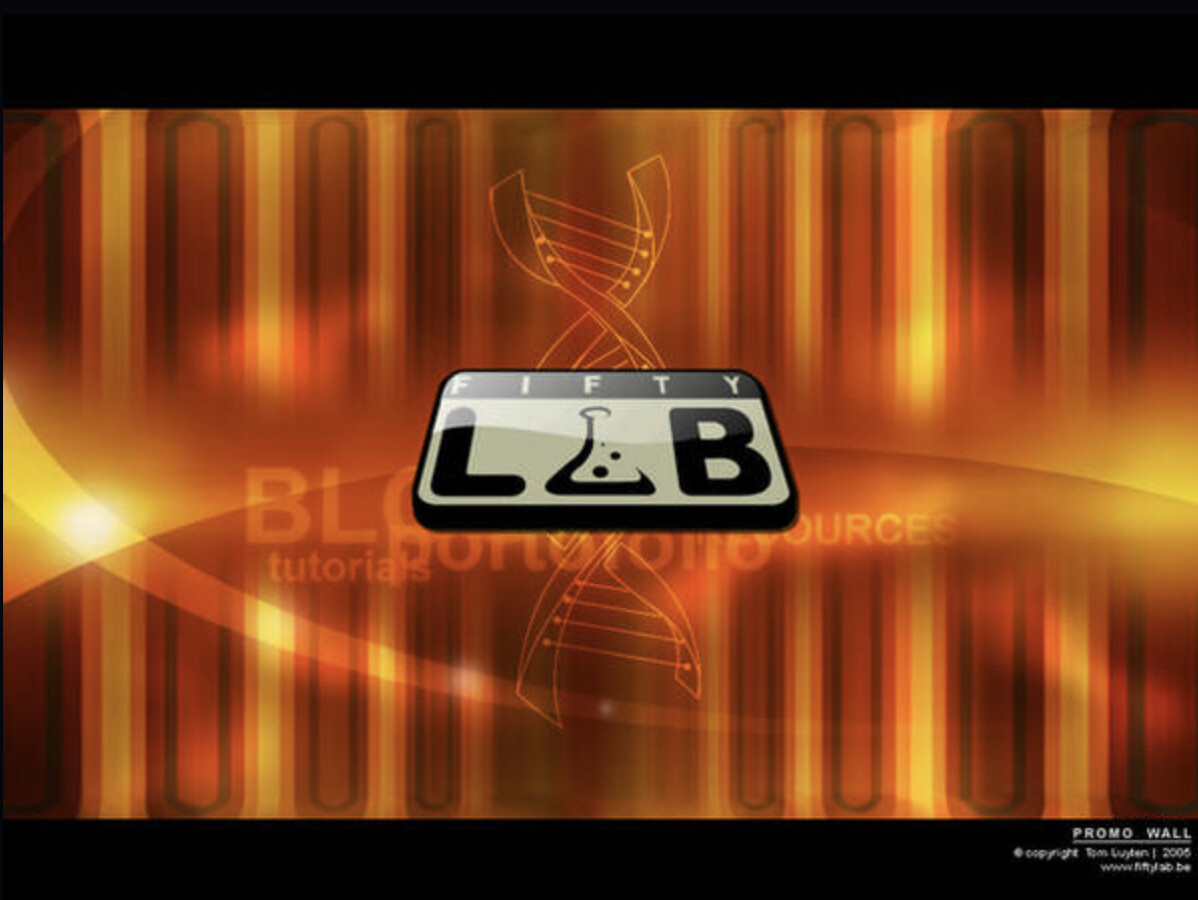 Fiftylab originPromo wallpaper for the first Fiftylab.design091
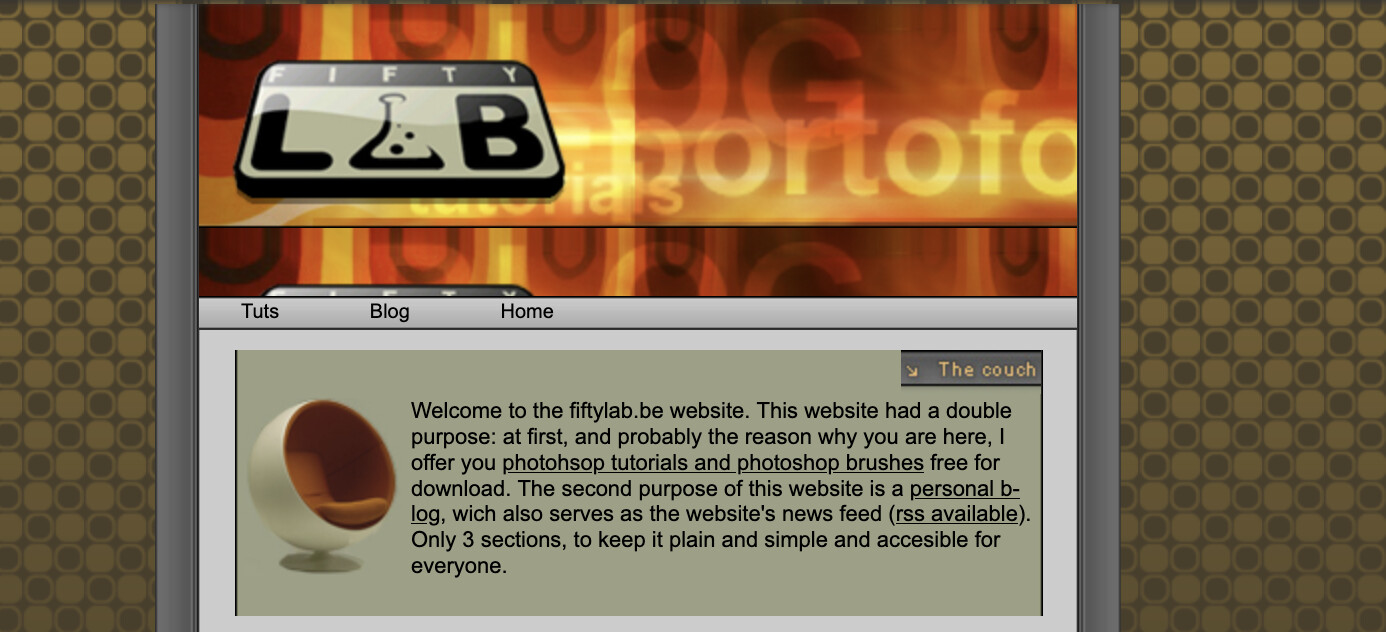
Where Fiftylab started: a promo wallpaper with the first logo, made for the site that held a blog, portfolio, tutorials and resources.
- Type
- Wallpaper, logo
- Studio
- Fiftylab